Контактор,автоматический выключатель,солнечный инвертор,электрический счетчик,солнечные батареи

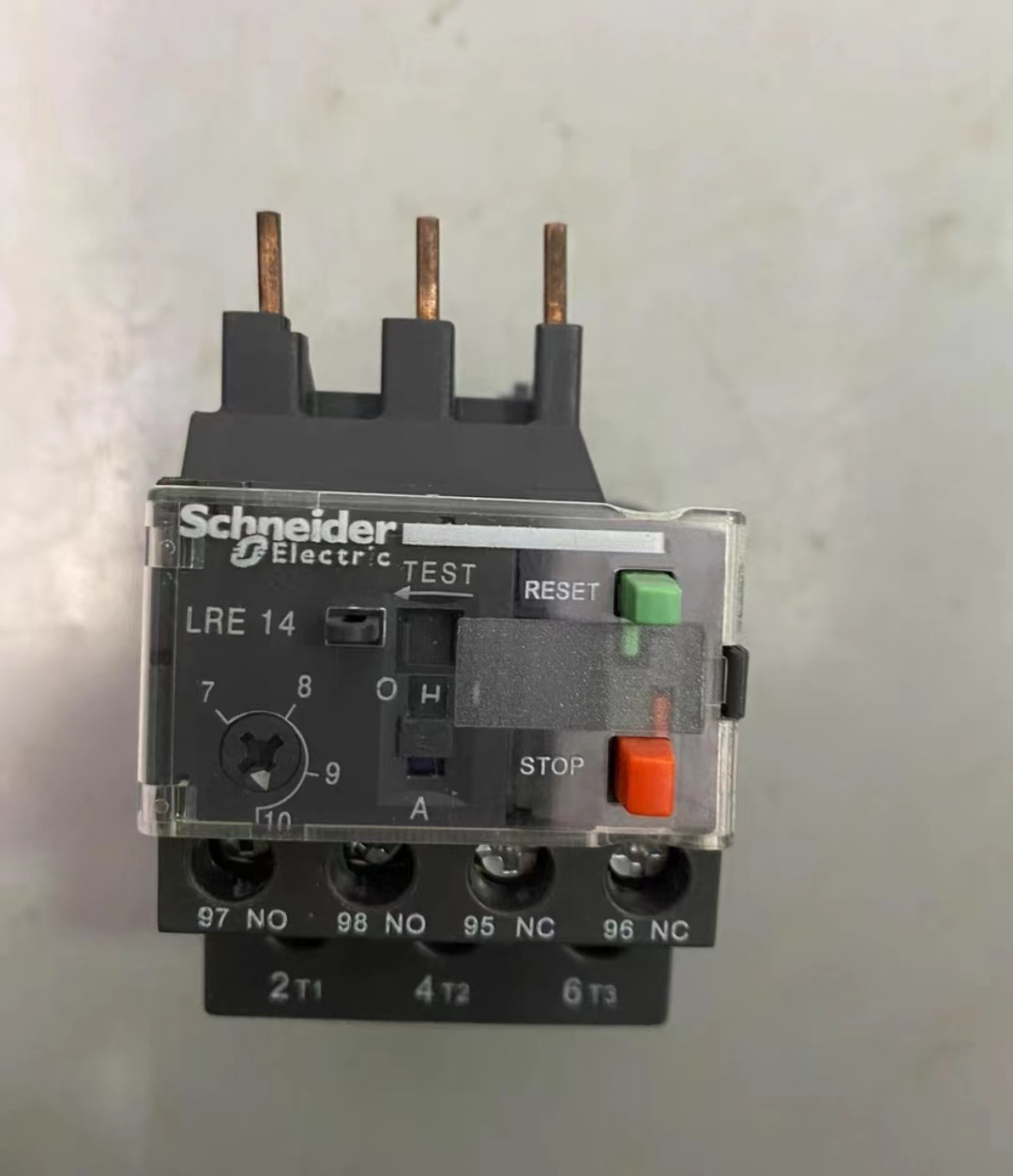

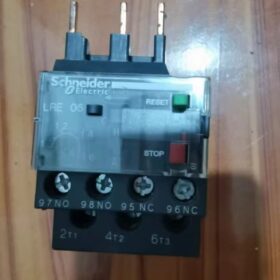
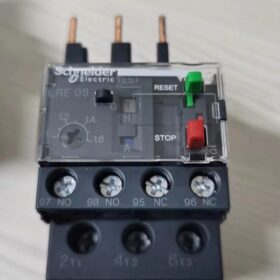
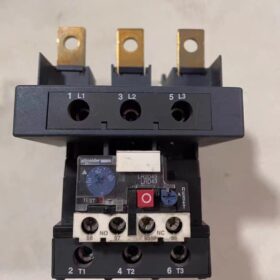
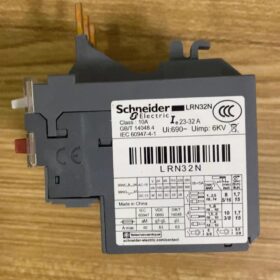
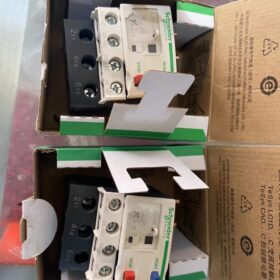
Schneider Thermal Overload Relay LRN32N is a product belonging to the EasyPact D3N series, mainly designed for overload protection of electric motors.
Основная информация
Бренд: Шнайдер Электрик
Тип: Thermal Overload Relay
Текущий диапазон: The adjustable current setting range is 23A–32A, which can be tailored according to the actual current requirements of the motor.
Особенности продукта
Powerful Protection Function: Equipped with both overload and phase failure protection, it can effectively prevent motor damage caused by prolonged overload or abnormal current, with a trip class of 10A.
Excellent Environmental Adaptability: It features ambient temperature compensation ranging from -30℃ to +60℃, ensuring stable protection performance across varying ambient temperatures.
Flexible Reset Methods: Comes with a manual/automatic reset selector switch, allowing users to choose the appropriate reset mode based on specific application scenarios.
High Compatibility: Perfectly compatible with Schneider contactors (например, LC1D series), it enables easy installation and clear wiring, making it suitable for use in various industrial equipment.
Размеры: With approximate dimensions of 70mm × 45mm, it is compact in size, occupies minimal space, and can be conveniently installed in various control cabinets.
The core principle of overload protection for the Schneider LRN32N Thermal Overload Relay lies in utilizing the thermal deformation characteristics of bimetallic strips, combined with a mechanical tripping mechanism, to achieve overload and phase failure protection for electric motors. The specific workflow and logic can be broken down into the following steps:
- Core Components and Basic Principle
The core actuating component inside the LRN32N is the bimetallic strip, which is made by rolling and bonding two metal strips with significantly different thermal expansion coefficients.
Тем временем, the heating element (resistance wire) of the relay is connected in series with the main circuit of the motor. During motor operation, the full operating current flows through the heating element. When current passes through, heat is generated in accordance with Joule’s Law, and this heat is directly transferred to the closely attached bimetallic strip.
- Operation Process of Overload Protection
- Normal Operating Condition
When the motor runs at its rated load, the operating current stays within the adjustable setting range (23A–32A) of the LRN32N. The heat generated by the heating element is limited, causing minimal deformation of the bimetallic strip—insufficient to trigger the tripping mechanism. The relay remains closed, and the motor operates normally.
- Overload Condition
When the motor is overloaded (например, excessive load, locked rotor), the current in the main circuit exceeds the setting current. The heat generated by the heating element increases in proportion to the square of the current. After absorbing heat, the bimetallic strip bends toward the side with the lower thermal expansion coefficient due to the different expansion rates of the two metals.
When the overload persists for a certain duration (Trip Class 10A: то есть, when the overload current is 1.5 times the setting current, the tripping time ranges from 2 to 10 секунды), the bending deformation of the bimetallic strip reaches the threshold value, pushing the mechanical tripping mechanism into action.
The tripping mechanism then opens the normally closed contact of the thermal overload relay, cutting off the power supply to the contactor coil in the motor control circuit. Consequently, the main contacts of the contactor open, ultimately disconnecting the main power supply of the motor and preventing burnout caused by prolonged overload.
III. Additional Principle of Phase Failure Protection
The LRN32N is equipped with phase failure protection. For phase loss faults in three-phase motors, its protection logic is based on uneven heat distribution caused by three-phase current imbalance:
– During normal operation of a three-phase motor, the three-phase currents are balanced, so the three groups of heating elements generate the same amount of heat, and the bimetallic strips are heated uniformly.
– When an open circuit occurs in one phase, the current in that phase disappears, and the currents in the other two phases surge (usually exceeding 1.73 раз номинальный ток). This causes a sharp increase in heat generation from the heating elements of these two phases, leading to uneven heating and accelerated bending of the corresponding bimetallic strips. As a result, the tripping mechanism is activated faster than in a simple overload scenario, achieving phase failure protection.
- Principle of Reset Mechanism
The LRN32N supports manual/automatic reset, and its principle is related to the cooling and rebound of the bimetallic strip:
Automatic Reset: When the automatic mode is selected, after the power is cut off, the heating element stops generating heat. The bimetallic strip cools naturally, returns to its original shape, and the tripping mechanism resets automatically. The normally closed contact closes, allowing the control circuit to be powered on again.
Ручной сброс: When the manual mode is selected, the bimetallic strip will not trigger reset automatically after cooling. It is necessary to manually press the reset button to push the tripping mechanism back into place via mechanical force, preventing the motor from restarting automatically before the fault is eliminated.

NH42-63-318x560.png "Автоматические переключатели резерва типа PC CHINT (АТС)НХ42-63/4СЗ")