คอนแทคเตอร์,เบรกเกอร์,เซ็นเซอร์,ตัวเข้ารหัส,บมจ,ตัวแปลง

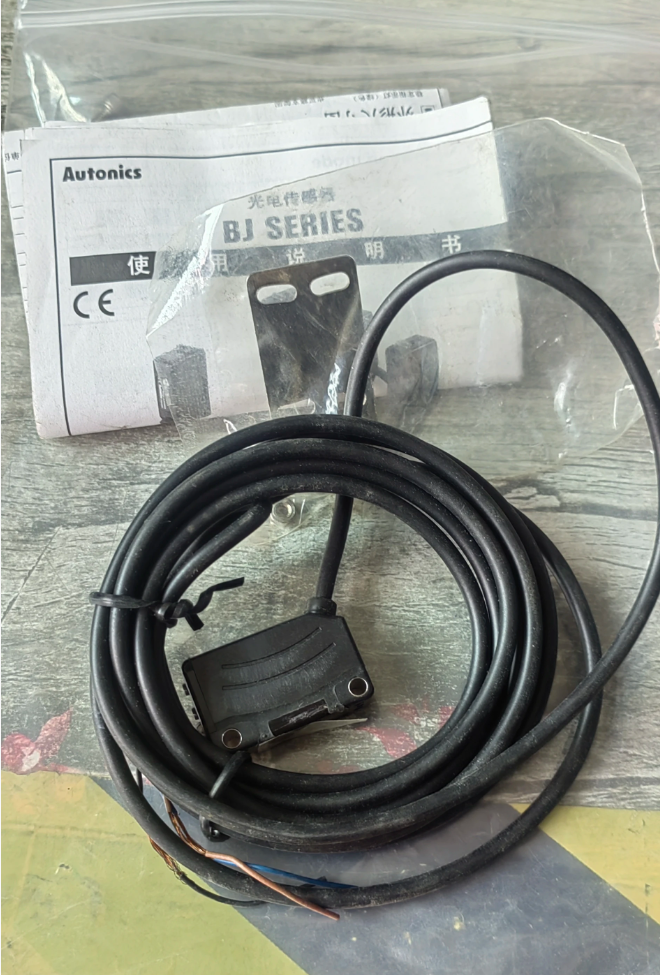

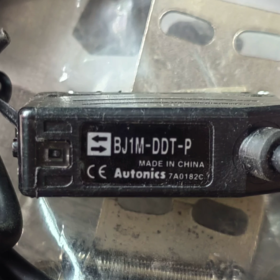
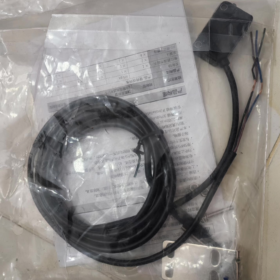
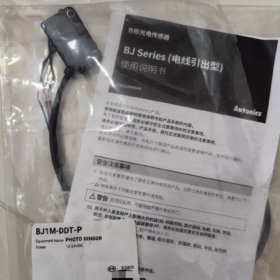
การสะท้อนแบบกระจายของ BJ ซีรี่ส์ เซ็นเซอร์ตาแมว, เอาต์พุต PNP, ประเภทสายเคเบิลออก
คำอธิบายรหัสรุ่น
| รหัส | คำอธิบาย |
| บีเจ | โฟโตอิเล็กทริคเซนเซอร์ขนาดกะทัดรัด BJ ซีรี่ส์ |
| 1ม | ระยะการตรวจจับที่กำหนด: 1 ม |
| ดีดีที | ชนิดสะท้อนแสงแบบกระจาย; เปิดไฟ / Dark-ON สลับได้ |
| ป | เอาต์พุต open-collector แบบ PNP |
| ไม่มีคำต่อท้าย -C | เอาต์พุตสายเคเบิล; ‑C หมายถึงเวอร์ชันขั้วต่อ M8 (BJ1M-ดีดีที-ซี-พี) |
ข้อมูลจำเพาะหลัก
| รายการ | พารามิเตอร์ |
| วิธีการตรวจจับ | การสะท้อนแบบกระจาย (ไม่ต้องใช้ตัวสะท้อนแสง) |
| ระยะการตรวจจับ | 0−1ม (กระดาษขาวมาตรฐาน 300×300มม) |
| แหล่งกำเนิดแสง | ไฟ LED อินฟราเรด, 850 นาโนเมตร |
| เวลาตอบสนอง | ≤1ms |
| พาวเวอร์ซัพพลาย | 12‐24VDC ±10%, ระลอก ≤10% |
| เอาท์พุต | PNP open-collector, สูงสุด. โหลด 100mA |
| โหมดการทำงาน | เปิดไฟ / Dark‑ON ผ่านสวิตช์เลื่อนในตัว |
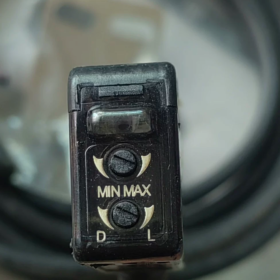
| ความไว | ปรับได้ผ่านโพเทนชิออมิเตอร์ |
| เคเบิล | 3‐หลัก, Φ3.5มม, ความยาวมาตรฐาน 2 ม |
| การป้องกันทางเข้า | IP65 |
| อุณหภูมิในการทำงาน | -25℃~+55℃ |
| ฮิสเทรีซีส | 20 % ของระยะการตรวจจับสูงสุด |
| การป้องกัน | กลับขั้ว, ลัดวงจร & การป้องกันกระแสเกิน; ความต้านทานการรบกวนซึ่งกันและกัน |
| ขนาด | ก20 × ส32 × ล10.6มม |
| น้ำหนัก | ประมาณ. 45 ก |
| เครื่องประดับ | ขายึด, สลักเกลียว M3 & ถั่ว |
สายไฟ (3-ระบบสายไฟ)
สีน้ำตาล: DC12-24V บวก
สีฟ้า: 0วี ลบ
สีดำ: เอาต์พุตสัญญาณ PNP
บันทึก: ไม่มีการปราบปรามพื้นหลัง (บีจีเอส). วัตถุพื้นหลังที่อยู่ใกล้เคียงอาจทำให้เกิดการกระตุ้นที่ผิดพลาด. เหมาะสำหรับชิ้นงานทึบแสงและกึ่งโปร่งใส. ระยะการตรวจจับตามจริงจะลดลงสำหรับวัตถุที่มีสีเข้ม.
เปลี่ยนรุ่นได้ในซีรีส์เดียวกัน
- BJ1M-ดีดีที: เอาต์พุต NPN, พารามิเตอร์อื่นๆ ทั้งหมดเหมือนกัน
- BJ1M-DDT-C-P: เอาต์พุต PNP, ขั้วต่อ M8 4 พิน, ไม่มีสายบิน
- บีเจ300-ดีดีที-พี: PNP การสะท้อนแบบกระจาย, 300 ระยะการตรวจจับ มม
การใช้งานทั่วไป
การตรวจจับวัตถุในสายพานลำเลียง, การตรวจจับในสถานที่, การตรวจจับการปรากฏตัวของวัสดุ, การนับชิ้นส่วนอัตโนมัติทั่วไป.
ข้อมูลอ้างอิงทางเลือกที่ผลิตในประเทศ
ทางเลือกที่เข้ากันได้: E3Z-D61 (เวอร์ชัน PNP), ซีรีส์ EE-SX, รุ่น PNP ชนิดสะท้อนแสงกระจาย 1 เมตร ซีรี่ส์ FS-N. ตรวจสอบเวลาตอบสนอง, ขนาดสายไฟและรูยึด.
หลักการทำงานของโฟโตอิเล็กทริคเซนเซอร์แบบสะท้อนแสงแบบกระจาย (การเอาไป ออโต้นิคส์ BJ1M-DDT-P เป็นตัวอย่าง)
การสะท้อนแบบกระจาย (การแพร่กระจาย-การสะท้อน) สวิตช์โฟโตอิเล็กทริคอยู่ในประเภทการสะท้อนโดยตรง. ไม่จำเป็นต้องใช้ตัวสะท้อนแสงแยกต่างหาก; ตัวส่งและตัวรับจะรวมอยู่ในตัวเครื่องเดียว.
หลักการพื้นฐาน
- การปล่อยก๊าซเรือนกระจก: ไฟ LED อินฟราเรดภายในจะปล่อยลำแสงอินฟราเรดไปยังพื้นผิวเป้าหมาย.
- การสะท้อนแบบกระจาย: เมื่อแสงตกกระทบพื้นผิวเป้าหมาย, มันกระจัดกระจายไปทุกทิศทุกทาง. แสงที่กระจัดกระจายส่วนหนึ่งจะสะท้อนกลับไปยังหน้าต่างรับของเซ็นเซอร์.
- การตัดสินสัญญาณ: องค์ประกอบไวแสงภายในได้รับแสงที่กลับมา. เมื่อความเข้มของแสงถึงเกณฑ์, เซ็นเซอร์จะส่งสัญญาณสวิตชิ่งออกมา.
- สภาวะไม่มีเป้าหมาย: ไม่มีแสงสะท้อนกลับไปยังเครื่องรับ, และสถานะเอาต์พุตกลับด้าน.
⚠️ประเด็นสำคัญ: นี่ไม่ใช่การสะท้อนแบบสเปกตรัม. โดยอาศัยการกระจายกระจายจากพื้นผิวเป้าหมาย. สีเป้าหมายและความหยาบของพื้นผิวส่งผลโดยตรงต่อระยะการตรวจจับที่มีประสิทธิภาพ.
สองโหมดการทำงาน (เลือกผ่านสวิตช์เลื่อนแบบฝังในซีรีส์ BJ)
เปิดไฟ (ใช้งานเบา)
เอาต์พุตจะเปิดเมื่อได้รับแสงสะท้อน; ไม่มีเอาต์พุตโดยไม่มีเป้าหมาย.
เอาต์พุตจะทำงานเมื่อเป้าหมายมาถึงและสะท้อนแสงกลับ.
มืด-ON (ใช้งานมืด)
เอาต์พุตจะเปิดเมื่อไม่ได้รับแสงสะท้อน; เอาต์พุตจะปิดทำงานเมื่อมีแสงสะท้อนมาถึง.
เอาต์พุตจะทำงานเมื่อเป้าหมายเคลื่อนที่ออกไปและนำแสงที่สะท้อนออกไป.
ปัจจัยที่ส่งผลต่อประสิทธิภาพการทำงาน
- สีเป้าหมาย: สีอ่อน / พื้นผิวสีขาวสะท้อนแสงอย่างแรง, บรรลุระยะการตรวจจับที่ใกล้เคียงที่กำหนด. สีเข้ม / พื้นผิวสีดำดูดซับแสงและลดระยะการตรวจจับในทางปฏิบัติลงอย่างมาก.
- การรบกวนพื้นหลัง: รุ่นที่ไม่มี BGS เช่น BJ1M-DDT-P สามารถกระตุ้นแสงสะท้อนจากผนังด้านหลังหรือพื้นผิวโลหะได้อย่างผิดพลาด. นี่เป็นโหมดความล้มเหลวทั่วไป.
- มุมเอียงเป้าหมาย: ชิ้นงานที่เอียงจะเบนแสงสะท้อนออกจากตัวรับ และอาจทำให้การตรวจจับพลาดไป.
- จุดบีม: ลำแสงจะขยายใหญ่ขึ้นตามระยะทาง. เป้าขนาดเล็กมีแนวโน้มที่จะพลาดการตรวจจับในระยะไกล.
การเปรียบเทียบอย่างรวดเร็วกับโฟโตอิเล็กทริคประเภทอื่น
การสะท้อนแบบกระจาย: เครื่องส่ง & ตัวรับสัญญาณแบบบูรณาการ; ตรวจจับผ่านการสะท้อนเป้าหมายโดยตรง, ไม่ต้องใช้ตัวสะท้อนแสง. เสี่ยงต่อการรบกวนในพื้นหลัง.
สะท้อนย้อนยุค: ต้องใช้ตัวสะท้อนแสง; เอาท์พุตทริกเกอร์เมื่อมีวัตถุขวางลำแสง.
ทะลุคาน (ต่อต้าน): แยกหน่วยตัวส่งและตัวรับ; การตรวจจับเกิดขึ้นเมื่อวัตถุขัดขวางลำแสง. เสนอช่วงการตรวจจับที่ยาวที่สุด.
คำแนะนำการใช้งานจริงสำหรับ BJ1M-DDT-P
ใช้โพเทนชิออมิเตอร์ที่แผงด้านหน้าเพื่อปรับความไว: โดยจะกำหนดเกณฑ์การรับแสงสำหรับการปรับให้เข้ากับเป้าหมายที่มีสีต่างกัน และบรรเทาทริกเกอร์ที่ผิดพลาดในพื้นหลัง.
หลีกเลี่ยงการติดตั้งเซ็นเซอร์โดยหันหน้าไปทางผนังสีอ่อนหรือพื้นหลังที่เป็นโลหะ.
สถานการณ์การใช้งานสำหรับโฟโตอิเล็กทริคเซนเซอร์ชนิดการสะท้อนแบบกระจาย
เซ็นเซอร์กระจายแสงสะท้อน เช่น Autonics BJ1M-DDT-P ติดตั้งง่ายเนื่องจากไม่จำเป็นต้องใช้ตัวสะท้อนแสง. โดยตรวจจับวัตถุโดยการวัดแสงที่สะท้อนจากพื้นผิวเป้าหมาย. ข้อจำกัดรวมถึงความไวต่อสีเป้าหมายและการสะท้อนพื้นหลัง. เหมาะที่สุดสำหรับการตรวจจับการมีอยู่ระยะกลางถึงระยะสั้นในระบบอัตโนมัติและระบบสายพานลำเลียง.
- สายพานลำเลียง & สายการขนถ่ายวัสดุ (กรณีการใช้งานที่พบบ่อยที่สุด)
- การตรวจจับเป้าหมายในสถานที่: ตรวจจับการมาถึงของชิ้นงานบนสายพานหรือสายพานลำเลียงแบบลูกกลิ้งเพื่อกระตุ้นการทำงานของกระบอกสูบหรือแขนหุ่นยนต์.
- การนับชิ้นส่วน: นับผลิตภัณฑ์โดยจับสัญญาณเอาต์พุตรูปแบบพัลส์ที่ส่งไปยัง PLC.
- การขาดวัสดุ / การตรวจจับการติดขัด: ตรวจจับช่องป้อนเปล่าสำหรับการแจ้งเตือนว่ามีวัสดุขาดหายไป; หยุดอุปกรณ์เมื่อกระดาษติดกองซ้อน.
บันทึก: ชิ้นงานสีเข้มทำให้มีระยะการตรวจจับที่มีประสิทธิภาพสั้นลง; ลดความไวตามไปด้วย.
- เครื่องจักรบรรจุภัณฑ์
ตรวจจับการมีอยู่ของถุงและกล่องเพื่อป้องกันข้อบกพร่องในการบรรจุภัณฑ์เปล่า.
ตรวจจับการมีอยู่ของฉลากและการวางตำแหน่งกระเป๋า; ตรวจสอบการโหลดชิ้นส่วนที่ถูกต้อง.
ทริกเกอร์การดำเนินการปิดผนึกและการติดฉลากเมื่อชิ้นงานมาถึงสถานี.
- การเรียงลำดับโลจิสติกส์ & อุปกรณ์คลังสินค้า
ตรวจจับกล่องและทางเดินของถังขยะ.
การตรวจจับวัสดุสายพานลำเลียงเพื่อกระตุ้นการคัดแยก.
กล่องให้การสะท้อนที่ดี; กระเป๋าพลาสติกสีดำแสดงการลดระยะลงอย่างเห็นได้ชัด.
- เครื่องมือกล & อุปกรณ์แปรรูป
ยืนยันการมีอยู่ของโลหะ / ชิ้นงานพลาสติกก่อนเริ่มรอบการตัดเฉือน.
การตรวจสอบระดับถังอย่างง่ายเพื่อตรวจสอบสถานะชิ้นงานที่เหลืออยู่.
⚠️ พื้นหลังโลหะสะท้อนแสงทำให้เกิดการกระตุ้นที่ผิดพลาดสำหรับเซ็นเซอร์กระจายแสงมาตรฐาน. ต้องการโมเดลปราบปรามพื้นหลัง BGS เมื่อไม่สามารถหลีกเลี่ยงพื้นหลังได้.
- การพิมพ์ & เครื่องจักรสิ่งทอ
ตรวจจับกระดาษและผ้าที่มีอยู่; สัญญาณเตือนกระดาษขาดหายไปสำหรับสภาวะการป้อนผิดพลาด.
ตรวจสอบสถานะการป้อนวัสดุบนเว็บ.
กระดาษกึ่งโปร่งแสงบางๆ อาจส่องผ่านแสงอินฟราเรดได้. ใช้ตัวแปรความไวสูงระยะสั้น.
- เครื่องมืออัตโนมัติที่ใช้หุ่นยนต์ช่วย
การตรวจจับการมีอยู่ของชิ้นงานที่ยึดชิ้นงานเพื่อยืนยันการจับสำเร็จ.
การตรวจสอบพื้นที่ระยะสั้นอย่างง่ายสำหรับการบุกรุกของวัตถุแปลกปลอม.
- อุตสาหกรรมเบา & อุปกรณ์แปรรูปอาหาร
การตรวจจับฝาขวดและการมีอยู่ของขวดที่สถานีกระบวนการ.
การตรวจสอบตำแหน่งถาดและสิริ.
สำหรับสภาพแวดล้อมเกรดอาหาร ให้เลือกอุปกรณ์ที่ได้รับการจัดอันดับ IP65 เช่น BJ1M-DDT-P.
- การควบคุมการเข้าถึง & อุปกรณ์อัตโนมัติ
การตรวจจับประตูอัตโนมัติขนาดเล็ก; การตรวจจับสถานะเปิด-ปิดประตูตู้.
❗ คัดเลือก & แนวทางการสมัคร
- การสะท้อนแสงแบบกระจายมาตรฐาน (BJ1M-ดีดีที-พี)
เหมาะสำหรับ: เป้าหมายแยกจากพื้นหลังอย่างดี; สีเป้าหมายที่มั่นคง; หลีกเลี่ยงการติดตั้งผนังหรือแผ่นโลหะ.
ไม่เหมาะสำหรับ: ชิ้นงานวางชิดกับผนังหรือพื้นผิวโลหะอย่างแน่นหนา (มีความเสี่ยงสูงที่จะเกิดการทริกเกอร์ที่ผิดพลาด).
- BGS การปราบปรามการแพร่กระจายของพื้นหลัง - การสะท้อนกลับ
เหมาะสำหรับ: เป้าวางอยู่ใกล้โลหะ / พื้นหลังผนัง. ปฏิเสธการรบกวนการสะท้อนพื้นหลัง, ต้นทุนต่อหน่วยที่สูงขึ้น.
- การใช้งานที่ไม่เหมาะสม:
1 วัตถุที่มีความโปร่งใสสูง (กระจก, ฟิล์มใส; แสงอินฟราเรดจะทะลุผ่าน, การตรวจจับที่เชื่อถือได้ทำได้ยาก).
2. ระยะการทำงานที่แปรผันมากเกินช่วงที่กำหนด.
3 การตรวจจับเป้าหมายขนาดเล็กในการตรวจจับระยะไกล.
ตารางการเลือกด่วน
| สถานการณ์ | ประเภทเซนเซอร์ที่แนะนำ |
| สายพานลำเลียงเอนกประสงค์, เป้าหมายอยู่ห่างจากพื้นหลัง | ตัวสะท้อนแบบกระจาย มาตรฐาน BJ1M‑DDT‑P |
| เป้าหมายใกล้กับโลหะ / พื้นหลังผนัง, จำเป็นต้องปฏิเสธเบื้องหลัง | การสะท้อนการกระจายแบบปราบปรามพื้นหลัง BGS |
| การตรวจจับระยะไกล, สภาพการทำงานที่รุนแรง | โฟโตอิเล็กทริคเซนเซอร์แบบรีเฟล็กต์หรือลำแสงทะลุ |
ความสัมพันธ์ระหว่างระยะการตรวจจับแบบกระจายและการสะท้อนกับความแม่นยำในการตรวจจับ
อิงจาก Autonics BJ1M-DDT-P (การสะท้อนแสงแบบกระจายมาตรฐาน 1 ม): ความแม่นยำจะลดลงเมื่อระยะการตรวจจับเพิ่มขึ้น. ระยะการทำงานที่สั้นลงทำให้มีความแม่นยำมากขึ้น. พารามิเตอร์ทั้งสองนี้มีความสัมพันธ์กันอย่างมากแต่ไม่เหมือนกัน.
คำจำกัดความของแนวคิด
- ระยะการตรวจจับการสะท้อนแบบกระจาย: ระยะการตรวจจับที่เชื่อถือได้สูงสุดสำหรับเซ็นเซอร์ (0-1000 มม. สำหรับ BJ1M-DDT-P). ขึ้นอยู่กับการสะท้อนแสงและสีของพื้นผิวเป้าหมาย.
- ความแม่นยำในการตรวจจับครอบคลุมสามด้าน:
①ทำซ้ำความแม่นยำ: ความผันผวนของตำแหน่งของจุดกระตุ้นสำหรับรอบเป้าหมายเข้าและออกซ้ำๆ.
②ขนาดวัตถุที่ตรวจพบขั้นต่ำ: ชิ้นงานที่เล็กที่สุดที่สามารถตรวจจับได้อย่างน่าเชื่อถือ.
3.ฮิสเทรีซิส: ความแตกต่างของตำแหน่งระหว่างจุดเปิดเครื่อง (เป้าหมายกำลังใกล้เข้ามา) และจุดปิดเครื่อง (เป้าหมายลดลง).
Hysteresis เป็นดัชนีประสิทธิภาพที่สำคัญ. สำหรับเซนเซอร์ BJ ซีรี่ส์, ฮิสเทรีซิส = 20% ของระยะการตรวจจับสูงสุด.
ระยะทางมีอิทธิพลต่อความแม่นยำอย่างไร
- การขยายลำแสงสปอตในระยะที่ยาวขึ้น
ลำแสงอินฟราเรดจะแยกออกขณะเคลื่อนที่.
ระยะทางสั้นๆ: ขนาดจุดเล็ก. การทริกเกอร์จะเสถียรเมื่อลำแสงกระทบชิ้นงานเท่านั้น. ความแม่นยำในการทำซ้ำสูง; สามารถตรวจจับวัตถุขนาดเล็กได้.
ใกล้ช่วงสูงสุด (~1ม): ลำแสงขนาดใหญ่. การส่องสว่างพื้นผิวพื้นหลังบางส่วนทำให้เกิดการกระตุ้นที่ผิดพลาด. การเปลี่ยนแปลงตำแหน่งเล็กน้อยทำให้เกิดการเปลี่ยนแปลงความเข้มของแสงเพียงเล็กน้อยเท่านั้น. การดริฟท์จุดทริกเกอร์ขนาดใหญ่, ความแม่นยำไม่ดี, มีความเสี่ยงสูงที่จะพลาดวัตถุขนาดเล็ก.
- ฮิสเทรีซิสเพิ่มขึ้นตามระยะการทำงาน
สำหรับ BJ1M-DDT-P, ฮิสเทรีซิส = 20% ของสูงสุด. ระยะทาง. ใกล้ถึงขีดจำกัด 1 ม, hysteresis สามารถเข้าถึง 200 มม.
ตัวอย่างการปฏิบัติ: เอาต์พุตเปิดใช้งานที่ระยะเป้าหมาย 900 มม, แต่จะปิดการใช้งานหลังจากเป้าหมายถอยไปที่ 700 มม. เท่านั้น. การดริฟท์ตำแหน่งสวิตช์ขนาดใหญ่ในระยะไกล. มีเพียงการตรวจหาบุคคลเท่านั้นที่ทำได้; การวัดตำแหน่งไม่ได้.
- การลดทอนสัญญาณแสง
ความเข้มของสัญญาณที่ส่งคืนจะลดลงในระยะทางที่ไกลขึ้น. การรบกวนของแสงโดยรอบหรือการเปลี่ยนแปลงพื้นผิวเล็กน้อยทำให้เกิดความกระวนกระวายใจของเอาต์พุตได้ง่ายและลดความเสถียร.
✅บทสรุป: เซ็นเซอร์วัดแสงสะท้อนแบบมาตรฐานได้รับการออกแบบมาเพื่อการตรวจจับวัตถุ, ไม่ใช่การวัดระยะทางหรือการหาตำแหน่งที่แม่นยำ.
พฤติกรรมของเซ็นเซอร์กระจายแสงปราบปรามพื้นหลัง BGS
เซ็นเซอร์ประเภท BGS ใช้การออกแบบเส้นทางแสงแบบพิเศษเพื่อจำกัดคุณลักษณะของลำแสง. ภายในหน้าต่างการทำงานที่ได้รับการจัดอันดับ, ฮิสเทรีซีสยังคงต่ำ, และความแม่นยำนั้นไวต่อระยะทางน้อยกว่ามาก. การตรวจจับเป้าหมายขนาดเล็กที่เชื่อถือได้สามารถทำได้แม้จะมีพื้นหลังอยู่ใกล้ๆ. ประสิทธิภาพจะล้มเหลวเมื่อเป้าหมายเกินช่วงการตรวจจับที่ตั้งไว้.
คำแนะนำในการทดสอบการใช้งานจริงสำหรับ BJ1M-DDT-P
- หลีกเลี่ยงการใช้งานใกล้กับขีดจำกัดเต็มช่วง 1 ม. หน้าต่างการทำงานที่แนะนำ: 30-60 % ของช่วงที่กำหนด (300-600 มม) เพื่อระยะทางที่สมดุลและประสิทธิภาพในการทำซ้ำ.
- สำหรับการตรวจจับวัตถุขนาดเล็กที่มีความแม่นยำสูง: ลดระยะการติดตั้งและลดความไวของโพเทนชิออมิเตอร์เพื่อบีบอัดช่วงการตรวจจับที่มีประสิทธิภาพและปรับปรุงเสถียรภาพ.
- หากจำเป็นต้องมีตำแหน่งที่แน่นในการทำซ้ำ: หลีกเลี่ยงการสะท้อนแบบกระจายแบบมาตรฐาน. เลือกเซ็นเซอร์ปราบปรามพื้นหลัง BGS. เพื่อความแม่นยำที่เหนือกว่า เลือกใช้โฟโตอิเล็กทริคเซนเซอร์ชนิดเลเซอร์.
ตารางเปรียบเทียบประสิทธิภาพ
| ระยะการทำงาน | ขนาดลำแสงสปอต | ฮิสเทรีซีส | ความแม่นยำในการตรวจจับ | ความเหมาะสมของการใช้งาน |
| สั้น (<300 มม) | เล็ก | เล็ก | สูง | การตรวจจับชิ้นงานที่มีความเสถียรสำหรับชิ้นงานขนาดกลาง-เล็ก |
| ปานกลาง (300−600มม) | ปานกลาง | ปานกลาง | ยุติธรรม | การตรวจจับสายพานลำเลียงอเนกประสงค์ (โซนปฏิบัติการที่ต้องการ) |
| ใกล้ครบวงแล้ว (800−1000มม) | ใหญ่ | ใหญ่ | ยากจน | สำหรับชิ้นงานที่มีการสะท้อนแสงสูงขนาดใหญ่เท่านั้น; ไม่ใช่สำหรับงานที่มีความแม่นยำสูง |
ความเข้าใจผิดที่พบบ่อย
❌ความเข้าใจผิด: ค่าพิกัด 1 เมตรหมายถึงประสิทธิภาพความแม่นยำที่ดีที่ 1 เมตร.
✅ข้อเท็จจริง: 1 m คือระยะตรวจจับสูงสุด, ไม่ใช่จุดปฏิบัติการที่เหมาะสมที่สุด. ความเสถียรและความแม่นยำลดลงอย่างมากเมื่อใกล้เต็มช่วง.


NH42-63-318x560.png "สวิตช์ถ่ายโอนอัตโนมัติชนิด CHINT PC (เอทีเอส)NH42-63/4SZ")