คอนแทคเตอร์,เบรกเกอร์,เซ็นเซอร์,ตัวเข้ารหัส,บมจ,ตัวแปลง

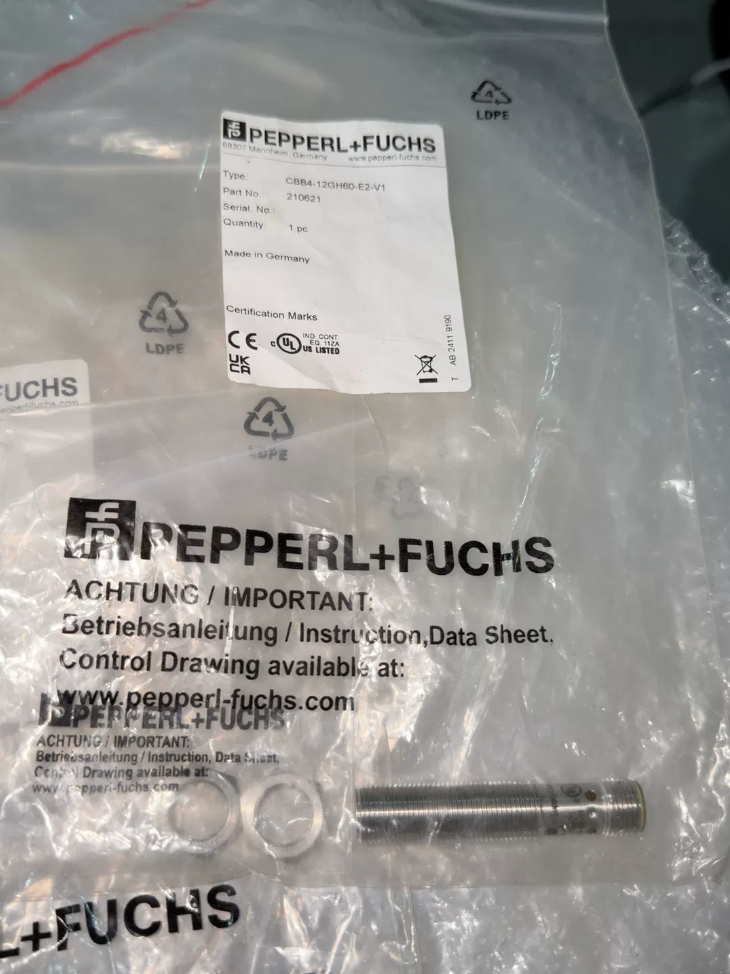

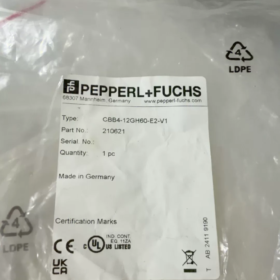
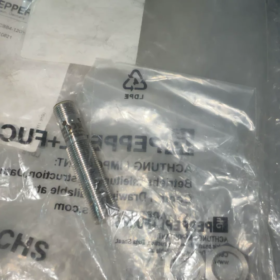
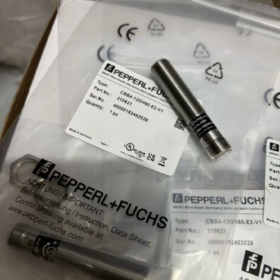
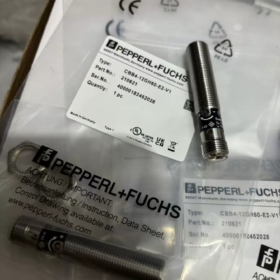
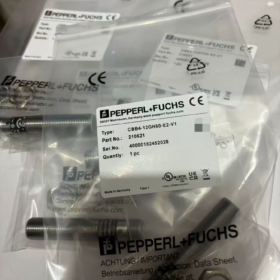
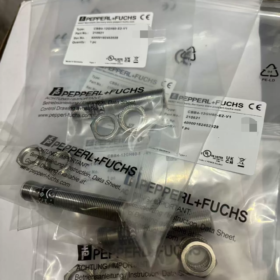
หมายเลขคำสั่งซื้อ: 210621 ตัวเก็บประจุ เซ็นเซอร์ความใกล้ชิด, M12 แบบฝังเรียบ, 316L สแตนเลส, ตัวเครื่องทนต่อการกัดกร่อนเกรดอาหาร
คำอธิบายรหัสรุ่น
| รหัส | คำอธิบาย |
| ซีบีบี | เซ็นเซอร์แบบคาปาซิทีฟ, ตัวเรือนสแตนเลส, ชนิดติดตั้งแบบฝังเรียบ |
| 4 | ระยะการตรวจจับที่กำหนด: 4 มม |
| 12 | M12×1 เกลียว |
| GH60 | 1.4404(316ล) เหล็กกล้าไร้สนิม, ความยาวรวม 59.8 มม, โพเทนชิออมิเตอร์ความไวในตัว |
| E2 | PNP ปกติ-เปิด (เลขที่) เอาท์พุท |
| V1 | เอาต์พุตขั้วต่อ M12 ขาพิน |
ข้อมูลจำเพาะทางไฟฟ้าหลัก
| รายการ | พารามิเตอร์ |
| ระยะการตรวจจับ | ขนาดเกลียว=4มม; ช่วงการทำงานที่มั่นใจ Sa=0…2.88มม, ปรับได้ผ่านโพเทนชิออมิเตอร์ |
| ประเภทการติดตั้ง | แบบฝังเรียบ (ชนิดป้องกัน) |
| เอาท์พุต | 3-สายไฟ DC PNP NO (เปิดตามปกติ) |
| แรงดันไฟฟ้า | 10‐36VDC |
| สูงสุด. โหลดปัจจุบัน | 100 มิลลิแอมป์ |
| No‑load current | ≤12 mA |
| แรงดันไฟฟ้าตก | ≤2.5 V |
| การสลับความถี่ | 50 เฮิรตซ์ |
| การป้องกัน | Reverse‑polarity protection, pulsed short‑circuit protection |
| ตัวบ่งชี้ | Yellow LED status indicator |
เครื่องกล & ข้อมูลสิ่งแวดล้อม
ที่อยู่อาศัย: 1.4404/AISI316L stainless steel, sensing face in PEEK, suitable for food-processing and corrosive-media environments
การเชื่อมต่อ: M12-4-pin male connector (mating cable such as V1-G4 required)
ระดับการป้องกัน: IP65
อุณหภูมิในการทำงาน: -25℃ ~ +70 ℃
ขนาด: M12 cylindrical, ความยาวรวม 59.8 มม
การรับรอง: ซีอี, UL/cULus, EN60947-5-2
M12-4-pin Pin Assignment (Sensor-side male connector)
| เข็มหมุด | สัญญาณ |
| 1 | สีน้ำตาล: DC+ 10‑36V |
| 2 | สีขาว: ไม่ได้ใช้ |
| 3 | สีฟ้า: 0วี/จีเอ็นดี |
| 4 | สีดำ: PNP output signal |
บันทึก: This 4-pin connector uses only pins 1, 3 and 4; pin 2 is unused. Use standard 4-core M12 cable.
การใช้งานทั่วไป
Level detection for water, น้ำมัน, slurries; ผง / pellet bin level monitoring
Presence detection for non-metallic materials (พลาสติก, กระจก, กระดาษ)
Food-beverage and pharmaceutical equipment, wash-down corrosion-resistant environments
เครื่องจักรบรรจุภัณฑ์, workpiece-in-position detection
Series Replacement Reference
- CBB4-12GH60-E0-V1: ที่อยู่อาศัยเดียวกัน, NPN normally-open output; พารามิเตอร์อื่นๆ ทั้งหมดเหมือนกัน
- เกณฑ์การคัดเลือกทางเลือกภายในประเทศ: เซ็นเซอร์คาปาซิทีฟแบบฟลัชเมาท์ M12, 4 การตรวจจับระบุมม, PNP-NO, 10-36 กระแสตรง, M12-4-พิน, 316ที่อยู่อาศัย L, พร้อมโพเทนชิออมิเตอร์ปรับความไว.
หมายเหตุการว่าจ้าง
- ปรับโพเทนชิออมิเตอร์ในตัว: ตามเข็มนาฬิกาจะเพิ่มความไว; ทวนเข็มนาฬิกาจะลดความไว.
- การติดตั้งแบบฟลัชเมาท์; ปลอกยึดโลหะจะต้องไม่ยื่นออกมาเกินหน้าการตรวจจับ.
- เซ็นเซอร์แบบคาปาซิทีฟไวต่อความชื้นโดยรอบและวัสดุผนังท่อ. ปรับเทียบโพเทนชิออมิเตอร์กับสื่อเป้าหมายจริงเสมอ; อย่าพึ่งพาค่าที่กำหนดของเป้าหมายโลหะเพียงอย่างเดียว.
Pepperl+Fuchs CBB4-12GH60-E2-V1 เคสการใช้งานจริง
คุณสมบัติที่สำคัญ: เซ็นเซอร์คาปาซิทีฟแบบฟลัชเมาท์ M12, 316L สแตนเลส + PEEK ตรวจจับใบหน้า, โพเทนชิออมิเตอร์ความไวแบบปรับได้, เอาต์พุต PNP, ขั้วต่อ M12-4 พิน, IP65. เหมาะสำหรับสภาพแวดล้อมที่มีการชะล้างในอุตสาหกรรมอาหารและการกัดกร่อนเล็กน้อย; ตรวจจับของเหลว, ผง, พลาสติก, แก้วและเป้าหมายที่ไม่ใช่โลหะอื่นๆ.
กรณีที่ 1|อาหาร & เครื่องดื่ม: ถัง / การตรวจจับระดับท่อ (สภาพแวดล้อมการชะล้างที่มีความชื้นสูง)
สถานการณ์: เครื่องดื่ม, สายการผลิตซอสและผลิตภัณฑ์นม. การติดตั้งผนังด้านข้างบนพลาสติกขนาดเล็ก / ถังเก็บสแตนเลสสำหรับสัญญาณเตือนระดับสูง/ต่ำของของเหลวที่เป็นสื่อกระแสไฟฟ้า; ความหนาของผนังถัง ≤2.5มม.
การติดตั้ง: ติดตั้งแบบฝังเกลียวบนผนังด้านนอกของถัง; ไม่มีการบุกรุกเข้าไปในตัวกลางกระบวนการเพื่อหลีกเลี่ยงการปนเปื้อนของผลิตภัณฑ์.
การว่าจ้าง: ปรับโพเทนชิออมิเตอร์เพื่อละเว้นอิทธิพลของผนังถังและกระตุ้นด้วยของเหลวเท่านั้น.
การทำงาน: สัญญาณสวิตช์ถูกส่งไปยัง PLC เพื่อสตาร์ท-หยุดปั๊ม, สัญญาณเตือนระดับต่ำและการป้องกันการทำงานแห้ง.
ข้อดีของการสมัคร: 316ตัวเรือน L ทนต่อการทำความสะอาด CIP และการกัดกร่อนของสารทำความสะอาด; ใบหน้าตรวจจับ PEEK ต้านทานการสะสมของวัสดุ; ได้รับการจัดอันดับ IP65 ต่อการล้างแบบสเปรย์.
คำเตือน: สำหรับซอสที่มีความหนืด หลีกเลี่ยงความไวสูงเกินไป, เนื่องจากการสะสมของวัสดุจะทำให้เกิดการกระตุ้นที่ผิดพลาด.
กรณีที่ 2|อุปกรณ์ทางเภสัชกรรม: การตรวจสอบระดับถังบรรจุผง
สถานการณ์: ถังขยะขนาดเล็กสำหรับผงยาและสารปรุงแต่งยา; สัญญาณเตือนการขาดแคลนระดับต่ำสำหรับผงฝุ่นที่มีแนวโน้มว่าจะเกิดไฟฟ้าสถิตได้ง่าย.
การติดตั้ง: ตัวยึดแบบฝังเกลียว M12 บนผนังด้านข้างถังขยะ.
เป้า: ผงยา, สารเพิ่มปริมาณแบบเม็ด.
การทำงาน: เมื่อระดับลดลงต่ำกว่าตำแหน่งเซ็นเซอร์, เอาต์พุต PNP ยกเลิกการจ่ายพลังงานเพื่อกระตุ้นการแจ้งเตือนการเติมวัสดุ.
ข้อดี: ไม่ไวต่อการสะสมของฝุ่น; ตัวเครื่องทำจากสเตนเลสสตีลทนต่อการพ่นฆ่าเชื้อ; โพเทนชิออมิเตอร์จะปรับให้เข้ากับผงที่มีค่าคงที่ไดอิเล็กทริกต่างกัน.
กรณีที่ 3 | เครื่องจักรบรรจุภัณฑ์: พลาสติก / การตรวจสอบการมีอยู่ของภาชนะแก้ว
สถานการณ์: การตรวจจับสายพานลำเลียงขวด PET และขวดแก้วสำหรับการบรรจุ. แทนที่โฟโตอิเล็กทริคเซนเซอร์เพื่อกำจัดการตรวจจับที่ผิดพลาดที่เกิดจากการสะท้อนแสงจากขวดใส.
เป้าหมาย: ขวด PET, ขวดแก้ว, ฝาพลาสติก.
การติดตั้ง: 1-2 ช่องว่าง มม. ระหว่างเซ็นเซอร์และเป้าหมาย; การติดตั้งแบบฝังเรียบ.
ตรรกะ: มีขวดอยู่ → สวิตช์เซ็นเซอร์เปิด → กระตุ้นแอคชูเอเตอร์เติม; ไม่มีขวด → ยับยั้งการเติม.
ข้อจำกัด: 50 ความถี่การสลับเฮิร์ตซ์, เหมาะสำหรับสายความเร็วปานกลาง-ต่ำ; ไม่ใช่สำหรับการผลิตที่ความเร็วสูงเป็นพิเศษ.
กรณีที่ 4 |อุตสาหกรรมเคมีเบา: การตรวจสอบระดับถังสื่อที่มีฤทธิ์กัดกร่อนเล็กน้อย
สถานการณ์: ถังระบบจ่ายสารเคมีขนาดเล็กบรรจุน้ำยาทำความสะอาดแบบเจือจางและสารเติมแต่งกรด-ด่างอ่อนสำหรับการตรวจสอบจุดระดับสูง/ต่ำ.
1.4404(316ล) + โครงสร้าง PEEK ทนทานต่อการกระเด็นและไอระเหยจากกรดและด่างอ่อนๆ.
การตรวจจับผนังด้านนอกที่ไม่รบกวน; ตัวกลางจะไม่สัมผัสกับตัวเซ็นเซอร์เพื่อลดความเสี่ยงในการกัดกร่อน.
บันทึก: ไม่เหมาะกับกรดแก่เข้มข้น / ด่างที่แข็งแกร่ง; เซ็นเซอร์ทนต่อการกัดกร่อนสำหรับงานหนักโดยเฉพาะซึ่งจำเป็นสำหรับสื่อเหล่านั้น.
กรณีที่ 5 |ยาง-พลาสติก / การฉีดขึ้นรูป: การตรวจจับระดับเม็ดฮอปเปอร์
สถานการณ์: กรวยวัสดุเสริมสำหรับเครื่องฉีดขึ้นรูปและเครื่องอัดรีด; สัญญาณเตือนการขาดแคลนเม็ดสำหรับทริกเกอร์ป้อน.
เป้า: พีพี, เม็ดพลาสติกพีอี.
สภาพการทำงาน: ฝุ่น, ไฟฟ้าสถิตย์จากการเสียดสีของเม็ด.
เคล็ดลับการว่าจ้าง: เพิ่มความไวอย่างเหมาะสมสำหรับเม็ดที่บรรจุอย่างหลวมๆ; เก็บขายึดโลหะให้ชัดเจนเพื่อหลีกเลี่ยงการรบกวน.
กรณีที่ 6 |อุตสาหกรรมแปรรูปอาหารสัตว์: การตรวจจับระดับจุดบินสำหรับการป้อนเม็ดละเอียด
สถานการณ์: การตรวจสอบระดับจุดถังขยะขนาดเล็กสำหรับเมล็ดพืชและเม็ดอาหารสัตว์ในสภาพแวดล้อมการผลิตอาหารสัตว์ที่มีฝุ่นมาก.
ข้อดี: ทนทานต่อการปกคลุมของฝุ่น; ทางเลือกสวิตช์จุดต้นทุนต่ำแทนเครื่องส่งสัญญาณระดับต่อเนื่อง.
ข้อจำกัด: ให้สัญญาณสวิตช์จุดแยกเฉพาะเท่านั้น, ไม่มีเอาต์พุตระดับความสูงต่อเนื่อง.
กรณีที่ 7|สายพานลำเลียง: การยืนยันการมีอยู่ของชิ้นงานที่ไม่ใช่โลหะ
สถานการณ์: การตรวจจับสายพานลำเลียงของชิ้นส่วนพลาสติก, ชิ้นส่วนยาง, กระดาษแข็ง; เซ็นเซอร์อุปนัยไม่สามารถตรวจจับเป้าหมายที่ไม่ใช่โลหะได้.
เอาต์พุต PNP เชื่อมต่อโดยตรงกับอินพุตดิจิตอล PLC.
ฟอร์มแฟคเตอร์เกลียว M12 ขนาดกะทัดรัดสำหรับเครื่องจักรที่มีพื้นที่จำกัด.
การติดตั้งทั่วไป & หมายเหตุการว่าจ้าง (จุดความล้มเหลวของสนามทั่วไปสำหรับรุ่นนี้)
- ข้อกำหนดการติดตั้งแบบฝังเป็นสิ่งจำเป็น: ใบหน้าปลายเกลียวของเซนเซอร์จะต้องอยู่ระนาบเดียวกันกับพื้นผิวยึดโลหะ. การยื่นออกมาจะทำให้เกิดการเคลื่อนตัวของระยะการตรวจจับที่ไม่แน่นอน.
- ระยะการตรวจจับจริงสำหรับชิ้นงานที่ไม่ใช่โลหะจะน้อยกว่า 4 มม. ที่ระบุอย่างมาก. ปรับเทียบโพเทนชิออมิเตอร์ที่ไซต์งานด้วยวัสดุในโลกแห่งความเป็นจริงเสมอ. อย่าออกแบบเลย์เอาต์เชิงกลตามค่าที่ระบุเพียง 4 มม.
- สำหรับของเหลวและสื่อที่มีความหนืด, การสะสมของวัสดุและโฟมทำให้เกิดการสลับที่ผิดพลาด. ดำเนินการทดสอบการใช้งานพร้อมกับจำลองสภาวะการสะสมในโลกแห่งความเป็นจริงก่อนที่จะล็อคการตั้งค่าโพเทนชิออมิเตอร์.
- ขั้วต่อ M12-4 พิน: pin2 ไม่ได้ใช้. ยุติหมุด1(สีน้ำตาล, +), 3(สีฟ้า, จีเอ็นดี), 4(สีดำ, สัญญาณ) เท่านั้น.
- ความถี่ในการสลับจำกัดไว้ที่ 50Hz. ไม่สามารถใช้ได้กับแอปพลิเคชันการนับความเร็วสูง. มีไว้สำหรับงานการตรวจจับปัจจุบันของชิ้นงานและระดับจุดเท่านั้น.
ข้อมูลจำเพาะการติดตั้ง Pepperl+Fuchs CBB4-12GH60-E2-V1
นี่คือฟลัชเมาท์ (ป้องกัน) พรอกซิมิตี้เซนเซอร์แบบคาปาซิทีฟ M12 เธรด. ห้ามติดตั้งส่วนที่ยื่นออกมาแบบไม่ล้าง.
ที่อยู่อาศัย: 1.4404(316ล) สแตนเลส; การตรวจจับใบหน้า PEEK; มาพร้อมน็อตล็อค M12; ขั้วต่อตัวผู้ M12-4-pin ด้านหลัง.
- วิธีการติดตั้งขั้นพื้นฐาน
1.1 การติดตั้งแผงโลหะแบบรูเกลียว (ที่พบบ่อยที่สุด, สำหรับรถถัง / ผนังอุปกรณ์)
- การเตรียมหลุม: รูเกลียว M12×1. สำหรับการเจาะธรรมดา: Ø12.2-12.5มม; ยึดแคลมป์โดยใช้น็อตล็อค M12 สองตัวทั้งด้านหน้าและด้านหลัง.
- ข้อกำหนดที่สำคัญ: ใบหน้าการตรวจจับ PEEK จะต้องอยู่ในตำแหน่งที่ราบเรียบกับพื้นผิวการติดตั้งที่เป็นโลหะ. ไม่มีส่วนที่ยื่นออกมา; ความลึกของร่องไม่ควรเกิน 0.5 มม.
✅ถูกต้อง: การตรวจจับใบหน้าร่วมกับพื้นผิวผนังโลหะ
❌ไม่ถูกต้อง: หัวเซนเซอร์ยื่นออกมาด้านนอก; ช่องว่างภายในมากเกินไป (>0.5 มม)
- ข้อกำหนดแรงบิด: ใช้น็อตล็อค M12 สแตนเลส OEM; แรงบิดในการขัน 0.8-1.2N·m. การบิดมากเกินไปจะทำให้เกลียวและตัวเรือนเสียหาย.
- การวางแนวเมานต์: อนุญาตให้ใช้แนวนอนหรือแนวตั้ง. สำหรับการใช้งานการวัดระดับ, หันหน้าไปทางด้านในของถัง.
ระยะห่างในการติดตั้งที่ระบุในเอกสารข้อมูล
ก=0มม: โลหะของผนังด้านข้างอาจวางชิดกับเกลียวของเซ็นเซอร์
ข=0มม: โลหะฟลัชด้านหน้าถึงใบหน้าตรวจจับ
ค=15มม: ปลายขั้วต่อด้านหลัง: ระยะห่างขั้นต่ำ ≥15มม. จากสิ่งกีดขวางที่เป็นโลหะ
เอฟ=15มม: ทิศทางด้านข้าง: ระยะห่างขั้นต่ำ ≥15มม. จากวัตถุโลหะที่อยู่ติดกัน
1.2 การติดตั้งบนผนังด้านนอกบนภาชนะที่ไม่ใช่โลหะ (พลาสติก / ถังแก้ว, การตรวจจับระดับภายนอก)
ติดตั้งเซ็นเซอร์ภายนอกบนผนังด้านนอกของถัง, อย่าร้อยเกลียวเข้าไปในภายในถัง. ใบหน้าตรวจจับวางราบกับพื้นผิวด้านนอกของถัง.
ความหนาของผนังถังที่แนะนำ ≤2มม; วัสดุ PE/PP/PET/แก้ว.
ปลอดภัยผ่านวงเล็บ / ถั่ว; รักษาการสัมผัสที่ไม่มีช่องว่างระหว่างหน้าการตรวจจับและผนังถัง.
ลดความไวด้วยโพเทนชิออมิเตอร์เพื่อชดเชยผลกระทบไดอิเล็กทริกที่ผนังถัง.
1.3 การติดตั้งแบบยึดยึด
ใช้ขายึดเซนเซอร์ M12; ตรวจสอบให้แน่ใจว่าใบหน้าการตรวจจับตั้งฉาก (90°) เพื่อกำหนดเป้าหมาย.
รักษาระยะห่าง ≥15 มม. ระหว่างโลหะของตัวยึดและกระบอกเกลียวของเซ็นเซอร์. อย่าปิดหัวเซนเซอร์ด้วยโลหะจนสุด, เนื่องจากจะป้องกันสนามการตรวจจับแบบคาปาซิทีฟและปิดการใช้งานเซ็นเซอร์.
- การติดตั้งหลายเซ็นเซอร์แบบเคียงข้างกัน (ต่อต้าน crosstalk)
สำหรับเซ็นเซอร์ CBB4-12GH60-E2-V1 หลายตัวที่ติดตั้งติดกัน: ระยะห่างจากศูนย์กลางถึงกึ่งกลาง ≥15มม (เอกสารข้อมูลบังคับ C/F=15mm).
ระยะห่างไม่เพียงพอทำให้เกิดการรบกวนซึ่งกันและกันและการสลับที่ผิดพลาดแบบสุ่ม. หากไม่สามารถเพิ่มระยะห่างได้, ใช้การติดตั้งออฟเซ็ตแบบเซ.
- การตรวจจับระยะทาง & กฎการติดตั้งที่เกี่ยวข้องกับเป้าหมาย
- ช่วงการทำงานที่มั่นใจ Sa=0~2.88มม. ออกแบบเค้าโครงเชิงกลโดยมีระยะขอบความปลอดภัยที่ ≤2.0มม. อย่าใช้ Sn=4 มม. ที่ระบุสำหรับการออกแบบทางกล.
- สำหรับของเหลว / ผง / เป้าหมายเม็ด: การตรวจจับทิศทางหันหน้าไปทางวัสดุโดยตรง. อนุญาตให้มีการสัมผัสโดยตรงระหว่างวัสดุและใบหน้าการตรวจจับ PEEK (IP65).
- ไม่มีสิ่งกีดขวางที่เป็นโลหะด้านหน้าการตรวจจับ; โลหะจะลดทอนสนามการตรวจจับแบบ capacitive อย่างรุนแรง.
- การติดตั้งสายเชื่อมต่อ
- ขั้วต่อตัวผู้ M12-4 พินด้านหลัง; จับคู่กับ M12-4-core ตัวเมียแบบตรง / สายเคเบิลที่ทำมุม (เช่น. V1-G4).
- หลีกเลี่ยงแรงตึงทางกลบนขั้วต่อ; ใช้ห่วงโค้งงอเพื่อลดความเครียดของสายเคเบิลเพื่อป้องกันความเสียหายจากแรงดึง.
- เดินสายเซนเซอร์แยกจากมอเตอร์ / สายไฟอินเวอร์เตอร์เพื่อลดการรบกวนทางแม่เหล็กไฟฟ้า.
- ขั้นตอนการทดสอบการใช้งานหลังการติดตั้ง
- การล็อคแบบกลไกที่สมบูรณ์; ตรวจสอบสภาพแบบฝังเรียบของใบหน้าการตรวจจับ.
- ใช้ไฟ 10-36VDC; อนุญาตให้อุ่นเครื่อง 2-3 นาที.
- ปรับโพเทนชิออมิเตอร์ภายใต้สภาวะการทำงานจริง (รวมถึงการสร้างขึ้น, โฟม, ฝุ่น).
- จำลองเป้าหมาย-ปัจจุบัน / เงื่อนไขการขาดเป้าหมาย; ตรวจสอบว่าไฟ LED สีเหลืองตรงกับสถานะที่คาดไว้, จากนั้นตั้งค่าโพเทนชิออมิเตอร์ให้ปลอดภัย.
- ข้อผิดพลาดที่เกิดจากการติดตั้งทั่วไป (สาเหตุของความล้มเหลวในสนาม)
- หัวเซนเซอร์ยื่นออกมาผ่านพื้นผิวโลหะ: ตรวจจับโลหะที่อยู่รอบๆ, สลักเปิดอย่างถาวร.
- ช่องภายในที่มากเกินไป: ช่วงการตรวจจับลดลงอย่างมาก, การตรวจจับที่พลาดบ่อยครั้ง.
- สิ่งกีดขวางโลหะภายใน <15 มม. ด้านหลังฝาปิดปลายขั้วต่อ: การรบกวนของสนามรับความรู้สึก, สัญญาณดริฟท์ไม่เสถียร.
- แรงบิดในการขันที่มากเกินไป: ตัวเรือนสแตนเลสแตก / ด้ายเสียหาย.
- ติดตั้งเซ็นเซอร์หลายตัวใกล้เกินไป: crosstalk ซึ่งกันและกัน, การสลับเท็จแบบสุ่ม.
Pepperl+Fuchs CBB4-12GH60-E2-V1 การตรวจจับระยะ (ค่าเอกสารข้อมูลอย่างเป็นทางการ)
- ระยะการตรวจจับที่กำหนด Sn: 4 มม
ระบุโดยใช้เป้าหมายการทดสอบมาตรฐานที่เป็นโลหะที่มีการต่อสายดิน. ตัวเลข 4 ในหมายเลขรุ่นแสดงถึงพารามิเตอร์นี้. ค่าอ้างอิงเท่านั้น; เป้าหมายที่ไม่ใช่โลหะจะไม่บรรลุถึง 4 มม.
- รับประกันช่วงการทำงานที่เชื่อถือได้ Sa: 0 … 2.88มม
ใช้ได้ภายใต้เงื่อนไขการติดตั้งแบบฝังเรียบที่ถูกต้อง. เพื่อวัตถุประสงค์ในการออกแบบทางกล ให้ใช้ระยะขอบด้านความปลอดภัย ≤2.0มม. อย่าออกแบบฮาร์ดแวร์โดยเทียบกับ Sn=4 มม.
⚠️ หมายเหตุเซ็นเซอร์ capacitive ที่สำคัญ
Sn=4 มม. วัดด้วยเป้าหมายการทดสอบที่เป็นโลหะที่มีการต่อสายดิน. สำหรับพลาสติก, ผง, ของเหลว, แก้วและเป้าหมายที่ไม่ใช่โลหะอื่นๆ, ระยะกระตุ้นจริงลดลงอย่างมาก, กำหนดโดยค่าคงที่ไดอิเล็กตริกเป้าหมาย.
โพเทนชิออมิเตอร์ในตัวให้การปรับระยะการตรวจจับอย่างต่อเนื่อง. ทดสอบการใช้งานวัสดุจากกระบวนการจริงในสถานที่จริงเสมอ. อย่าพึ่งพาอัตรา 4 มม. ที่ระบุเพียงอย่างเดียว.
นี่คือประเภทฟลัชเมาท์แบบมีชีลด์. การติดตั้งที่ไม่เหมาะสม (ยื่นออกมา / ปิดภาคเรียน) ลดประสิทธิภาพหรือกำจัดประสิทธิภาพการตรวจจับโดยตรง.
ระยะทริกเกอร์อ้างอิงการใช้งานจริง
น้ำ / ของเหลวนำไฟฟ้า: ประมาณ. 2.5-2.8 มม
พีพี / เม็ดพลาสติกพีอี: โดยทั่วไป 1-2 มม
การตรวจจับระดับผนังภายนอกผ่านผนังถังพลาสติกบาง 1-2 มม: ช่องว่างการตรวจจับที่มีประสิทธิภาพใกล้ศูนย์; จำเป็นต้องชดเชยผ่านโพเทนชิออมิเตอร์.


NH42-63-318x560.png "สวิตช์ถ่ายโอนอัตโนมัติชนิด CHINT PC (เอทีเอส)NH42-63/4SZ")