คอนแทคเตอร์,เบรกเกอร์,เซ็นเซอร์,ตัวเข้ารหัส,บมจ,ตัวแปลง

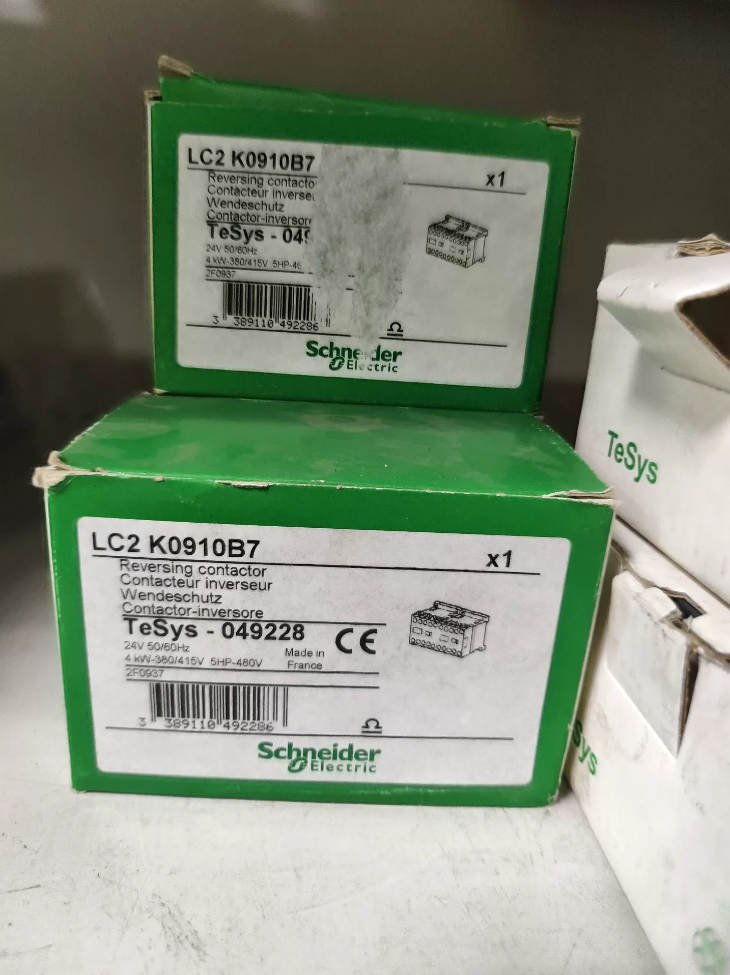

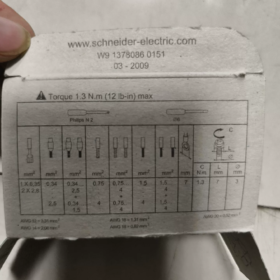
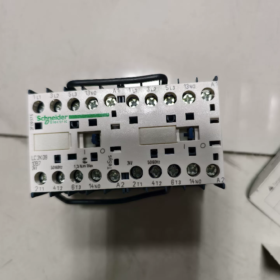
ผลิตภัณฑ์: เทซิส-เค 3-คอนแทคเตอร์แบบกลับขั้ว, ผลิตในประเทศฝรั่งเศส, ติดตั้งลูกโซ่เชิงกลในตัวและบัสบาร์กำลังถอยหลังที่ประกอบไว้ล่วงหน้า
การถอดรหัสโมเดล
LC2K: ชุดคอนแทคเตอร์แบบย้อนกลับ (LC1K ย่อมาจากคอนแทคเตอร์เดี่ยว; LC2K = ชุดประกอบกลับด้านที่ประกอบไว้ล่วงหน้าของคอนแทคเตอร์สองตัว)
09: AC-3 จัดอันดับกระแสการทำงาน 9A
01: การกำหนดค่าหน้าสัมผัสเสริม 1 ปกติ-ปิด (1เอ็นซี)
B7: คอยล์แรงดันไฟฟ้า AC24V, 50/60เฮิรตซ์
ข้อมูลจำเพาะทางไฟฟ้าหลัก
| รายการ | พารามิเตอร์ |
| ขั้ววงจรหลัก | 3P-3NO |
| กระแสไฟทำงาน AC-3 | 9ก |
| กำลังมอเตอร์พิกัด | 2.2กิโลวัตต์(230วี) / 4กิโลวัตต์(380−415V) |
| แรงดันไฟฟ้าวงจรหลักสูงสุด | 690วีและ |
| ม้วน | ไฟ AC24V 50/60Hz; แรงดันเข้า 30VA, รองรับกระแสไฟเข้า 4.5VA |
| ติดต่อช่วย | 1เอ็นซีทันที |
| กระแสความร้อนแบบธรรมดา Ith | 20ก |
| หมวดหมู่การใช้งาน | เอซี-3, เอซี-3อี, เอซี-4, เอซี-1 |
| ลูกโซ่ | อินเตอร์ล็อคแบบกลไกในตัว |
| การเชื่อมต่อเทอร์มินัล | ขั้วต่อสกรู, 0.75−4 มม.² ตัวนำ; แรงบิด 0.8‑1.3N·m |
| การติดตั้ง | ราง DIN35 / การยึดแผ่นด้วยสกรู |
| มิติโดยรวม | ก90 × ส58 × ล57มม, น้ำหนัก 0.39กก |
| ความอดทนทางกล | 5 ล้านรอบ; ความทนทานทางไฟฟ้า 1.3 ล้านรอบ (เอซี-3) |
| อุณหภูมิแวดล้อมในการทำงาน | -25~+50℃ |
| การรับรอง | ซีซีซี, แอล, ซีอี, อีเอซี |
สถานการณ์การใช้งาน
มอเตอร์สามเฟสควบคุมเดินหน้า/ถอยหลัง (สายพานลำเลียง, รอก, ลูกกลิ้ง, ตัวกระตุ้นวาล์ว). บัสบาร์การกลับเฟสได้รับการติดตั้งไว้ล่วงหน้าจากโรงงาน, ไม่จำเป็นต้องสลับเฟสแบบแมนนวลสำหรับการเดินสายวงจรหลัก. อินเตอร์ล็อคไฟฟ้าจะต้องถูกนำมาใช้เป็นการป้องกันรอง.
โมเดลอ้างอิงที่คล้ายกัน
LC2K0910B7: คอยล์ AC24V, เสริม 1NO (ปกติ-เปิด)
LC2K0901M7: 1หน้าสัมผัสเสริม NC, คอยล์ AC220V
LC2K0901F7: 1หน้าสัมผัสเสริม NC, คอยล์ AC110V
การคัดเลือก & หมายเหตุการทดแทน
- LC2K เป็นหน่วยถอยหลังที่สมบูรณ์. อย่าประกอบคอนแทคเตอร์ LC1K สองตัวแยกกันด้วยตนเอง, เนื่องจากบัสบาร์ถอยหลังที่ติดตั้งมาจากโรงงานและลูกโซ่เชิงกลที่เข้าคู่กันจะหายไป.
- เพื่อทางเลือกภายในประเทศ: ตรวจสอบพารามิเตอร์: 9ก, คอยล์ AC24V, 1หน้าสัมผัสเสริม NC, ลูกโซ่ทางกลแบบบูรณาการสำหรับการย้อนกลับ.
- จุดตรวจสอบอะไหล่: วัดความต้านทานของคอยล์ทั้งสอง; ตรวจสอบการเชื่อมต่อทางกลสำหรับการติดขัด; ตรวจสอบหน้าสัมผัสหลักเพื่อการระเหย; ตรวจสอบแรงบิดในการขันขั้วต่อ.
บันทึก: LC2K0901B7 เป็นรุ่นนำเข้า. Local stock is often limited with long lead-time.
ชไนเดอร์ LC2K0901B7 (TeSys-K Reversing Contactor) คู่มือการติดตั้ง
This manual is compiled in accordance with Schneider original Instruction Sheet, for model LC2K0901B7, 3ป, 9และเอซี-3, 1หน้าสัมผัสเสริม NC, AC24V 50-60Hz coil, built-in mechanical interlock and pre-assembled reversing power busbar.
⚠️Safety prerequisite: Installation and wiring shall only be performed by qualified electricians. Completely disconnect upstream power supply before any work. IP20 degree of protection. Device must be installed inside closed electrical cabinet, open-air operation is forbidden.
สารบัญ
- ภาพรวมผลิตภัณฑ์
- Summary of Technical Specifications
- สภาพแวดล้อม & การติดตั้งเครื่องกล
- Electrical Wiring Instructions
- แรงบิดของเทอร์มินัล & Cable Specifications
- วงจรควบคุม & Mandatory Interlock Requirements
- Pre-power-on Check List
- ขั้นตอนการว่าจ้าง
- การซ่อมบำรุง & การแก้ไขปัญหา
- Ways to Obtain Original PDF Manual
- ภาพรวมผลิตภัณฑ์
LC2K0901B7 is factory pre-assembled motor forward-reverse reversing contactor, ประกอบจากคอนแทคเตอร์ LC1K สองตัวพร้อมลูกโซ่เชิงกลในตัวและบัสบาร์กำลังถอยหลังที่ติดตั้งไว้ล่วงหน้า. การสลับสองเฟสเสร็จสิ้นภายในบัสบาร์ของโรงงาน; ไม่จำเป็นต้องสลับเฟสแบบแมนนวลบนวงจรหลัก.
ผู้ติดต่อหลัก: 3 ปกติ-เปิด; ติดต่อช่วย: 1 ปกติ-ปิด (1เอ็นซี) การติดต่อทันที
ม้วน: ไฟ AC24V 50/60Hz; แรงดันเข้า 30VA, กระแสไฟเข้า 4.5VA
เอซี-3 9เอ; กำลังมอเตอร์พิกัด 4kW@400V; 2.2กิโลวัตต์@230V
การติดตั้ง: การติดตั้งราง DIN35 / การยึดแผ่นด้วยสกรู
มิติ: ก90มม. × ส58มม. × ล57มม, น้ำหนัก 0.39กก
- สภาพแวดล้อมการติดตั้ง
- อุณหภูมิแวดล้อมในการทำงาน: -25℃ ~ +50 ℃; อุณหภูมิการจัดเก็บ -50~+80℃
- ระดับความสูง: ไม่มีการลดพิกัด ≤2000m; จำเป็นต้องมีการลดพิกัดที่สูงกว่า 2,000 ม
- สิ่งแวดล้อม: ปราศจากฝุ่นที่ระเบิดได้และก๊าซที่มีฤทธิ์กัดกร่อน, ระบายอากาศได้ดี; หลีกเลี่ยงแสงแดดโดยตรง.
- การติดตั้งตู้: รักษาระยะห่างด้านบนและด้านล่าง ≥10มม. เพื่อกระจายความร้อน. อนุญาตให้ติดตั้งแบบกะทัดรัดแบบเคียงข้างกัน; จำเป็นต้องมีการกวาดล้างเพิ่มเติมสำหรับสภาพแวดล้อมที่มีอุณหภูมิสูง.
- การสั่นสะเทือน & ช็อก: สอดคล้องกับ IEC60068-2-6. เก็บให้ห่างจากอุปกรณ์ที่มีการสั่นสะเทือนหนักภายในตู้.
- การติดตั้งเครื่องกล
3.1 การติดตั้งราง DIN (ที่ต้องการ)
- ขอสลักด้านล่างของคอนแทคเตอร์เข้ากับราง DIN35.
- กดตัวคอนแทคเตอร์ลงจนกระทั่งสลักคลิกและล็อคอย่างแน่นหนา.
- การกำจัด: งัดสลักด้านล่างด้วยไขควงปากแบน, ยกคอนแทคเตอร์ขึ้น.
3.2 การยึดแผ่นด้วยสกรู
ใช้สกรู M3/M4 ผ่านรูยึดบนตัวเรือน. อย่าขันแน่นเกินไปเพื่อป้องกันการแตกร้าวของตัวเรือนพลาสติก. ฐานยึดต้องเรียบและไม่บิดเบี้ยว.
การวางแนวการติดตั้ง: การติดตั้งในแนวตั้งโดยให้ขั้วต่อหงายขึ้น. ห้ามติดตั้งในแนวนอนหรือกลับหัว, ซึ่งจะทำให้อายุการใช้งานของเครื่องจักรสั้นลง.
- Electrical Wiring Instructions
สำหรับคอนแทคเตอร์ถอยหลังแบบรวม LC2K: บัสบาร์ไฟถอยหลังได้รับการติดตั้งมาจากโรงงาน. อย่าถอดแยกชิ้นส่วนออก. การถอดแยกชิ้นส่วนอาจทำให้เกิดไฟฟ้าลัดวงจรระหว่างการสลับไปข้างหน้า/ถอยหลัง.
ขั้วต่อวงจรหลัก
L1, L2, L3: อินพุตแหล่งจ่ายไฟสามเฟส
T1, ที2, T3: เชื่อมต่อกับมอเตอร์สามเฟส U, วี, ว
สำคัญ: ห้ามสลับเฟสที่ฝั่ง T. การกลับเฟสเกิดขึ้นได้จากบัสบาร์ที่ประกอบไว้ล่วงหน้าภายใน. การเปลี่ยนเฟสใหม่ในด้านเอาท์พุตจะส่งผลให้มีทิศทางการหมุนที่เหมือนกันสำหรับทั้งคำสั่งไปข้างหน้าและย้อนกลับ.
ขั้วต่อคอยล์
A1, A2: คอยล์คอนแทคเตอร์ไปข้างหน้า (เอซี24วี)
A1, A2: คอยล์คอนแทคเตอร์แบบย้อนกลับ (เอซี24วี)
ใช้แรงดันไฟฟ้าคอยล์ AC24V อย่างเคร่งครัด. การใช้ไฟ 220V จะไหม้คอยล์ทันที. ช่วงแรงดันไฟฟ้าการทำงานของคอยล์ที่อนุญาต: 0.8~1.15×ลูกบาศก์เมตร, เช่น. 19.2V-27.6VAC.
ขั้วต่อหน้าสัมผัสเสริม
13-14: 1NC หน้าสัมผัสเสริมปิดตามปกติ, ใช้สำหรับการเชื่อมต่อวงจรควบคุมและการตอบรับสถานะ.
- แรงบิดของเทอร์มินัล & Cable Specifications
ขั้วต่อแบบสกรูยึด, ฟิลลิปส์ หมายเลข 2 / 6 ไขควงปากแบน มม
แรงบิดในการขัน: 0.8-1.3 น.ม. ฐานขั้วต่อพลาสติกมีรอยแตกร้าวแน่นเกินไป; แรงบิดไม่เพียงพอทำให้เกิดความร้อนสูงเกินไป.
ตัวนำที่เข้ากันได้:
แกนเดี่ยวที่เป็นของแข็ง: 1.5-4 มม.²
ยืดหยุ่นได้โดยไม่ต้องใช้ปลอกโลหะ: 0.75-4 มม.²
มีความยืดหยุ่นด้วยปลอกหุ้มสายเคเบิล: 0.34-2.5 มม.²
-ความยาวการปอก: 5-6 มม. ทองแดงเปลือยที่เปิดเผยจะต้องไม่สัมผัสกับขั้วต่อที่อยู่ติดกันเพื่อป้องกันการลัดวงจรระหว่างเฟส.
- วงจรควบคุม & Mandatory Interlock Requirements
⚠️อุปกรณ์นี้มาพร้อมกับลูกโซ่แบบกลไกเท่านั้น. การเชื่อมต่อทางกลไม่สามารถลดความเสี่ยงในการปิดคอนแทคเตอร์ทั้งสองพร้อมกันได้อย่างสมบูรณ์. การเชื่อมต่อไฟฟ้าผ่านหน้าสัมผัสเสริมในวงจรควบคุมทุติยภูมิเป็นสิ่งจำเป็น, มิฉะนั้นอาจเกิดไฟฟ้าลัดวงจรร้ายแรงได้.
- ลูกโซ่ทางกล: กลไกทางกลภายในอนุญาตให้ปิดคอนแทคเตอร์ได้เพียงตัวเดียวในคราวเดียว. ความเสี่ยงของความล้มเหลวที่เกิดจากการติดขัดยังคงมีอยู่.
- การเดินสายไฟแบบล็อคไฟฟ้า: หน้าสัมผัสเสริม NC ซีรีส์ของคอนแทคเตอร์ไปข้างหน้าในวงจรคอยล์ย้อนกลับ; หน้าสัมผัสเสริม NC ซีรีส์ของคอนแทคเตอร์ย้อนกลับในวงจรคอยล์ไปข้างหน้า.
- ควบคุมอุปทาน: เอซี24วี. วงจรคอยล์ A1/A2 และ A1'/A2′ ถูกแยกออกจากกัน; หลีกเลี่ยงการเชื่อมต่อทั่วไปที่ไม่ถูกต้อง.
- การกำหนดค่าที่แนะนำ: ติดตั้งรีเลย์โอเวอร์โหลดความร้อนเพื่อป้องกันมอเตอร์โอเวอร์โหลด; ป้องกันการลัดวงจรต้นน้ำด้วยฟิวส์ 25A gG.
- ทำรายการตรวจสอบก่อนเปิดเครื่องให้เสร็จสิ้น
- การตรวจสอบทางกล: Manually actuate contactor operating mechanism. Mechanical interlock shall work properly; simultaneous manual closing of both contactors must not be possible; operation shall be smooth without jamming.
- การตรวจสอบสายไฟ: All terminals tightened to 0.8-1.3 N·m; no loose wire strands or exposed bare copper; pre-assembled reversing busbar intact and undamaged.
- Coil verification: Confirm control voltage is AC24V to avoid over-voltage damage.
- Circuit test: Multimeter verification for correct electrical interlock wiring; no short-circuit between L1-L2-L3 on main circuit.
- Motor side: Motor insulation resistance normal, motor wiring correct.
- การว่าจ้าง
- Disconnect motor load; energize only AC24V control circuit.
- Trigger forward and reverse commands separately: Only one contactor shall pull-in at any time; interlock function valid. Simultaneous pull-in must not occur.
- De-energize, reconnect motor. Re-energize and test forward / reverse rotation direction.
- Observe running status: No abnormal noise or overheating at terminals.
ความถี่การทำงานสูงสุด: 3600 การดำเนินงานต่อชั่วโมง. Derate for frequent forward-reverse cycling.
- การซ่อมบำรุง & การแก้ไขปัญหา
| ปรากฏการณ์ความผิดปกติ | จุดแก้ไขปัญหา |
| คอยล์มีพลัง, contactor refuses to pull‑in | Measure AC24V coil voltage; inspect A1/A2 wiring; check mechanical jamming; วัดความต้านทานของคอยล์ |
| Contactor pulls‑in but motor does not run | Check loose or ablated main‑circuit input/output terminals; inspect contact ablation |
| Instant tripping upon start‑up | Confirm reversing busbar is intact; verify electrical interlock exists; check risk of simultaneous phase‑to‑phase conduction |
| เสียงดังในการทำงาน | Check coil voltage deviation; cabinet resonance; dirt on armature core face |
Service life reference: Mechanical endurance 5 million cycles; Electrical endurance 1.3 million cycles under AC-3 condition.
การบำรุงรักษาเป็นระยะ: Retighten terminal torque; inspect contact ablation; remove dust accumulation.
- เข้าถึงคู่มือ PDF ต้นฉบับ
- เยี่ยมชมเว็บไซต์อย่างเป็นทางการของ Schneider และค้นหา LC2K0901B7. ดาวน์โหลดเอกสารคำแนะนำคอนแทคเตอร์ LC2-K ใต้ส่วนเอกสารประกอบผลิตภัณฑ์.
- ค้นหาคอนแทคเตอร์ถอยหลัง TeSys-K ในศูนย์ดาวน์โหลด Schneider China.
บันทึก: LC2K0901B7 ถูกนำเข้า. คู่มือฉบับพิมพ์ส่วนใหญ่เป็นภาษาอังกฤษเท่านั้น ไม่มีฉบับภาษาจีนฉบับเต็ม. คู่มือที่รวบรวมนี้เป็นไปตามข้อกำหนดเฉพาะดั้งเดิมของ Schneider อย่างเคร่งครัด.
ข้อผิดพลาดทั่วไปของคอนแทคเตอร์ของ Schneider (ใช้ได้กับซีรีส์ TeSys-K LC2K, สำหรับ LC1D ด้วย, LC1N เป็นต้น)
หมวดหมู่ข้อผิดพลาด: ล้มเหลวในการดึงเข้า; ดรอปออกทันทีหลังจากดึงเข้า; ดึงเข้าแต่ไม่มีเอาท์พุตวงจรหลัก; เสียงฮัม; ติดต่อการระเหย; ความเหนื่อยหน่ายของคอยล์; ข้อผิดพลาดเฉพาะของคอนแทคเตอร์ถอยหลัง, พร้อมแนวทางการแก้ปัญหา.
- คอยล์มีพลัง, คอนแทคเตอร์ไม่สามารถดึงเข้าได้อย่างสมบูรณ์
- ไม่มีแรงดันไฟฟ้าหรือแรงดันไฟฟ้าไม่เพียงพอในวงจรควบคุม
ปรากฏการณ์: พิกัดแรงดันไฟฟ้าคอยล์ไม่ได้วัดทั่วทั้ง A1-A2; แรงดันไฟฟ้าปฏิบัติการด้านล่าง 80% ของแรงดันไฟฟ้าคอยล์ระบุ.
สาเหตุที่แท้จริง: แหล่งจ่ายควบคุมผิดพลาด, ปุ่มกด/หน้าสัมผัสลูกโซ่หัก, สายไฟหลวม.
สำหรับชุดถอยหลัง LC2K: แยกคอยล์เดินหน้า A1/A2 และคอยล์ถอยหลัง A1’/A2’; หลีกเลี่ยงการวัดขั้วที่ไม่ถูกต้อง.
- คอยล์ไหม้วงจรเปิด
วัดความต้านทานของคอยล์อนันต์; คอยล์ไหม้เป็นสีดำอย่างเห็นได้ชัด.
ทริกเกอร์: การจ่ายไฟฟ้าแรงสูงผิด (เช่น. จ่ายไฟ 220V ลงบนคอยล์ 24V), แรงดันไฟเกินอย่างต่อเนื่อง, อายุที่อุณหภูมิสูง.
- การติดขัดทางกล
เศษแปลกปลอมหรือเศษพลาสติกภายในกลไก; การติดตั้งราง DIN แบบเอียง; ลูกโซ่ทางกลที่ติดขัดของคอนแทคเตอร์ถอยหลัง.
การสั่งงานกลไกแบบแมนนวลให้ความรู้สึกหนักและไม่สามารถเข้าถึงตำแหน่งปิดได้.
- หน้าสัมผัสไม่ดีของหน้าสัมผัสอินเทอร์ล็อคเสริม NC (ความล้มเหลวความถี่สูงในหน่วยถอยหลัง LC2K)
หน้าสัมผัสเสริมแบบออกซิไดซ์อินเตอร์ล็อคจะแบ่งเส้นทางจ่ายไฟของคอยล์.
- คอยล์มีพลัง, ออกจากระบบทันที / พูดพล่อยๆ หลังจากดึงเข้า
- แรงดันคอยล์ไม่เพียงพอ: Large voltage drop caused by long control cables; voltage below 85% Ue results in insufficient armature holding force.
- Dirt, rust or oil contamination on armature core mating surfaces: Magnetic-circuit gap increases, insufficient holding force, repeated chattering.
- Loose control-circuit connections, intermittent voltage.
- LC2K specific: Half-jammed mechanical interlock, incomplete mechanism travel causes drop-out.
- Contactor pulls-in normally, but motor does not operate (no output on main circuit)
- Loose and over-heated main-circuit terminals: Insufficient screw torque causes thermal oxidation; no load voltage may read normal, voltage collapses under load.
- Ablated / disconnected main contacts: Heavy inrush current, frequent cycling creates pitted carbonized contacts with high contact resistance.
- Open-phase on upstream supply: Blown fuse or damaged upstream circuit-breaker pole.
LC2K reminder: บัสบาร์ย้อนกลับที่หลวมหรือแยกออกก่อนประกอบจะนำไปสู่เฟสเปิด. ห้ามถอดบัสบาร์ที่ติดตั้งมาจากโรงงาน.
- เสียงดังหึ่ง / มีเสียงดังรบกวนระหว่างการทำงาน
- การปนเปื้อนของฝุ่นและไขมันบนพื้นผิวผสมพันธุ์แกนกลาง, การปิดแม่เหล็กที่ไม่สมบูรณ์, ฮัมคอนแทค AC ทั่วไป.
- แรงดันคอยล์สูงหรือต่ำเกินไป.
- วงแหวนลัดวงจรที่แกนกระดองหัก: เสียงดังรุนแรง, จำเป็นต้องเปลี่ยนคอนแทคเตอร์.
- เสียงสะท้อนของตู้หรือการติดตั้งราง DIN แบบหลวม.
- ติดต่อเชื่อม (สภาพที่เป็นอันตราย)
หลังจากปิดเครื่อง, ผู้ติดต่อหลักยังคงดำเนินการอยู่, มอเตอร์ไม่สามารถหยุดได้; สำหรับการกลับคอนแทคเตอร์จะนำไปสู่การลัดวงจรระหว่างเฟสต่อเฟสโดยตรง.
สาเหตุที่แท้จริง:
- โอเวอร์โหลด, กระแสไฟกระชากลัดวงจร; วิ่งจ๊อกกิ้งบ่อยๆ / การถอยหลังบ่อยครั้งเกินขีดจำกัดความถี่ในการทำงาน (หน้าที่ของเอซี-4).
- แรงดันไฟฟ้าของคอยล์ไม่เพียงพอทำให้เกิดการเด้งกลับของหน้าสัมผัสและการเชื่อมอาร์ก.
- อัตราคอนแทคเตอร์ที่มีขนาดต่ำกว่าปกติ.
ความเสี่ยงที่สำคัญสำหรับ LC2K: อาศัยการเชื่อมต่อแบบกลไกเพียงอย่างเดียวโดยไม่มีการเชื่อมต่อแบบไฟฟ้า, การปิดคอนแทคเตอร์ทั้งสองพร้อมกันทำให้เกิดการลัดวงจรและการเชื่อมแบบสัมผัส.
- คอยล์ไหม้
- แรงดันไฟฟ้าที่ใช้ไม่ถูกต้อง: การป้อน AC220V ลงบนคอยล์ B7 24VAC จะทำให้คอยล์ไหม้ทันที.
- แรงดันไฟเกินคงที่ด้านบน 115% แรงดันไฟฟ้าขดลวดที่กำหนด.
- กลไกการติดขัด, เกราะไม่สามารถปิดได้; คอยล์ยังคงมีกระแสไหลเข้าสูงและเผาไหม้ออกอย่างรวดเร็ว.
- อุณหภูมิแวดล้อมของตู้มากเกินไปและการกระจายความร้อนไม่ดี.
- ข้อผิดพลาดเฉพาะสำหรับคอนแทคเตอร์ถอยหลัง LC2K (ไปข้างหน้าย้อนกลับ)
- ไม่สามารถเปลี่ยนทิศทางการหมุนได้: กลไกอินเตอร์ล็อคที่ติดขัดบล็อกการทำงานของคอนแทคเตอร์ตัวเดียว.
- เดินหน้าทำงาน, ย้อนกลับไม่มีเอาต์พุต (หรือในทางกลับกัน): คลายแล้ว / บัสบาร์ถอยหลังที่ประกอบไว้ล่วงหน้าที่แยกออกมา, หรือการระเหยของหน้าสัมผัสหลักในหนึ่งยูนิต.
- สะดุดทันทีเมื่อเปลี่ยนทิศทาง: 1. ถอดบัสบาร์ถอยหลังจากโรงงานออก; ② อินเตอร์ล็อคทางไฟฟ้าขาดหายไปซึ่งนำไปสู่การดึงคอนแทคเตอร์ทั้งสองเข้าพร้อมกัน.
- หน้าสัมผัสเสริมที่เสียหาย: สัญญาณตอบรับล้มเหลวและการสูญเสียฟังก์ชันลูกโซ่ไฟฟ้า.
- ความร้อนเกิน
- แรงบิดของขั้วต่อไม่เหมาะสม: แรงบิดต่ำเกินไปทำให้เกิดความร้อนสูงเกินไปแบบหลวมๆ; แรงบิดเกินทำให้ฐานขั้วต่อพลาสติกแตก.
- หน้าตัดของสายเคเบิลขนาดเล็กเกินไป.
- หน้าสัมผัสเก่าพร้อมความต้านทานการสัมผัสสูง.
- อุณหภูมิตู้สูง, การกระจายความร้อนไม่ดีกับอุปกรณ์ที่อยู่ติดกันหนาแน่น.
ขั้นตอนการแก้ไขปัญหาภาคสนามอย่างรวดเร็ว
- ปิดเครื่อง, กระตุ้นกลไกคอนแทคเตอร์ด้วยตนเองเพื่อตรวจสอบการติดขัดทางกล.
- การวัดการเปิดเครื่องของแรงดันไฟฟ้าการทำงานของคอยล์จริง.
- การวัดความต้านทานคอยล์ขณะปิดเครื่องเพื่อตัดสินความสมบูรณ์ของคอยล์.
- ด้วยการดึงคอนแทคอิน, วัดแรงดันไฟฟ้าสามเฟสอินพุตต่อเอาต์พุตบนวงจรหลักเพื่อค้นหาตำแหน่งขั้วต่อ / ข้อบกพร่องในการติดต่อ.
- สำหรับหน่วยถอยหลัง: ตรวจสอบการเชื่อมต่อทางกล, การเดินสายลูกโซ่ไฟฟ้าและความสมบูรณ์ทางกายภาพของบัสบาร์ถอยหลังที่ประกอบไว้ล่วงหน้า.
ข้อเสนอแนะเชิงป้องกัน
- สำหรับคอนแทคเตอร์ถอยหลัง LC2K: การเชื่อมต่อแบบกลไกไม่เพียงพอในการป้องกันความปลอดภัย; ต้องใช้ลูกโซ่ไฟฟ้า.
- ปฏิบัติตามแรงบิดที่ระบุอย่างเคร่งครัดเพื่อการขันขั้วต่อให้แน่น.
- ลดระดับคอนแทคเตอร์สำหรับการใช้งานที่ต้องถอยหลังบ่อยๆ ของ AC-4 สำหรับงานหนัก.
- รักษาการระบายอากาศของตู้; ดำเนินการกำจัดฝุ่นเป็นระยะ.
คอนแทคเตอร์ดึงเข้าปกติ, แต่ไม่มีเอาท์พุตวงจรหลัก (มีกระแสไฟแต่ไม่มีแรงดันโหลด)
ปรากฏการณ์: คอยล์มีพลัง, การดำเนินการดึงเข้าด้วยเสียง, ตัวบ่งชี้สถานะแสดงสถานะปิด; แต่ไม่มีแรงดันไฟฟ้าปรากฏที่ด้านโหลดและมอเตอร์ไม่สามารถทำงานได้. คำอธิบายใช้กับคอนแทคเตอร์ถอยหลัง LC2K0901B7 และคอนแทคเตอร์ AC เอนกประสงค์.
- เทอร์มินัล & ความล้มเหลวในการเดินสายไฟ (สาเหตุที่เกิดขึ้นบ่อยที่สุด)
- สกรูวงจรหลักที่มีแรงบิดต่ำกว่าส่งผลให้การเชื่อมต่อสายเคเบิลหลวม
สกรูดูแน่นหนา แต่ตัวนำไม่ได้ยึดแน่นหนา. ความต้านทานต่อการสัมผัสสูงทำให้แรงดันไฟฟ้าลดลงภายใต้โหลด.
แรงบิดที่ระบุสำหรับเทอร์มินอล LC2K: 0.8-1.3 น.ม. ต่ำเกินไป → ความร้อนสูงเกินไปหลวม; สูงเกินไป → ตัวเรือนพลาสติกแตกร้าว.
อาการ: แรงดันไฟฟ้าอาจอ่านได้ตามปกติภายใต้สภาวะไม่มีโหลด, แต่จะหายไปทันทีที่โหลดเข้ามา; ขั้วต่อมีการเปลี่ยนสีเนื่องจากความร้อน.
- ความยาวในการปอกสายเคเบิลไม่เพียงพอ, ลวดตีเกลียวที่หลวมไม่ได้ถูกยึดไว้จนสุดภายในขั้วต่อ; ตัวนำที่มีความยืดหยุ่นโดยไม่มีปลอกหุ้มสายเคเบิล.
- ข้อผิดพลาดเฉพาะของ LC2K: คลายแล้ว, บัสบาร์ถอยหลังที่แยกออกหรือแตกหักที่ประกอบไว้ล่วงหน้า. ความเสียหายเกิดขึ้นหากถอดชิ้นส่วนบัสบาร์, ส่งผลให้เกิดการเปิดเฟส. ⚠️ ห้ามถอดบัสบาร์ถอยหลังที่ติดตั้งมาจากโรงงาน.
- ความล้มเหลวภายในหน้าสัมผัสหลัก
- Ablated, หน้าสัมผัสหลักที่สึกหรอหรือออกซิไดซ์โดยสูญเสียการนำไฟฟ้า
กลไกทำให้การเคลื่อนที่ของกลไกสมบูรณ์, แต่หน้าสัมผัสหลักที่เป็นหลุมและปกคลุมด้วยคาร์บอนไม่สามารถสร้างการนำไฟฟ้าได้.
วิธีการวัด: ภายใต้สภาวะการปิดเครื่อง, จับคอนแทคเตอร์ไว้ในตำแหน่งปิดด้วยตนเอง; วัดความต้านทาน L-T สำหรับแต่ละขั้วด้วยมัลติมิเตอร์. การอ่านค่าปกติอยู่ใกล้ 0Ω; ความต้านทานหลายร้อยโอห์มหรือความต้านทานไม่มีที่สิ้นสุดบ่งชี้ว่าหน้าสัมผัสเสียหาย.
ทริกเกอร์: การสตาร์ท-หยุดบ่อยครั้ง, เอซี-4 จ๊อกกิ้ง, ไฟกระชากลัดวงจร, สภาพการสิ้นสุดอายุการใช้งานไฟฟ้า.
การตรวจสอบด้วยสายตาอาจไม่แสดงความเสียหายที่ชัดเจนในขณะที่พื้นผิวสัมผัสภายในถูกไฟไหม้.
- การชดเชยทางกลของการประกอบหน้าสัมผัส: เกราะถึงตำแหน่งปิด, แต่หน้าสัมผัสหลักยังบีบอัดไม่เต็มที่.
- ข้อผิดพลาดของแหล่งจ่ายไฟต้นน้ำ (วินิจฉัยผิดพลาดได้ง่ายว่าเป็นคอนแทคเตอร์ขัดข้อง)
- ฟิวส์เฟสเดียวขาดหรือขั้วหนึ่งชำรุดบนเซอร์กิตเบรกเกอร์อัปสตรีม. เฟสอินพุตหายไปก่อนที่จะถึงคอนแทคเตอร์.
-การแก้ไขปัญหาลำดับความสำคัญ: ขั้นแรก วัดแรงดันไฟฟ้าสามเฟสที่ขั้วต่ออินพุตคอนแทคเตอร์ L1/L2/L3 เพื่อยืนยันความสมบูรณ์ของการจ่ายไฟ.
- รีเลย์โอเวอร์โหลดความร้อนต้นน้ำสะดุดทำลายเส้นทางพลังงานหลัก.
- LC2K เงื่อนไขเฉพาะของคอนแทคเตอร์ถอยหลัง
- ทิศทางการหมุนเดียวตาย (ส่งต่อ ตกลง / ย้อนกลับไม่มีเอาต์พุต, หรือตรงกันข้าม): ตรวจสอบบัสบาร์ถอยหลังและหน้าสัมผัสหลักของชุดคอนแทคเตอร์ที่เกี่ยวข้อง.
- ลูกโซ่ทางกลติดขัดบางส่วน: เกราะปรากฏปิด, แต่ผู้ติดต่อหลักยังไม่ได้รับการกดภายในอย่างเต็มที่.
ลำดับการแก้ไขปัญหานอกสถานที่
- ขั้นตอนที่ 1: วัดแรงดันไฟฟ้าขาเข้าสามเฟส L1, L2, L3 ที่ขั้วอินพุตคอนแทคเตอร์
ยืนยันการจ่ายไฟสามเฟสที่สมบูรณ์, กำจัดเฟสเปิดต้นน้ำ.
- ขั้นตอนที่ 2: ด้วยคอนแทคเตอร์ที่ถูกดึงเข้าไว้, วัดแรงดันไฟฟ้าด้านเอาท์พุต T1, ที2, T3
หากแรงดันไฟฟ้าอินพุตเป็นปกติในขณะที่เฟสเอาต์พุตบางเฟสอ่านศูนย์ → ข้อผิดพลาดอยู่ภายในคอนแทคเตอร์ (ขั้ว / ผู้ติดต่อ / ย้อนกลับบัสบาร์).
- ปิดการทำงานอย่างปลอดภัย: ปิดคอนแทคเตอร์ด้วยตนเอง; วัดความต้านทาน L1-T1, L2-T2, L3-T3 พร้อมโอห์มมิเตอร์
ปกติ: การนำไฟฟ้าใกล้ศูนย์;
ความต้านทานไม่มีที่สิ้นสุด: ผู้ติดต่อไม่ได้ดำเนินการ;
มีความต้านทานสูง: หน้าสัมผัสหลุดหรือขั้วต่อหลวม.
- ตรวจสอบการขันแน่นของขั้วต่อ; ตรวจสอบความสมบูรณ์ทางกายภาพของบัสบาร์ถอยหลังที่ประกอบไว้ล่วงหน้า (LC2K).
แยกแยะปรากฏการณ์ที่คล้ายกันสองประการ
- ✅ คอนแทคเตอร์ดึงเข้า, ไม่มีเอาท์พุตวงจรหลัก: ความผิดที่ครอบคลุมข้างต้น.
- ❌ คอนแทคเตอร์คุยกันซ้ำๆ และไม่สามารถปิดได้: เกิดจากแรงดันคอยล์ไม่เพียงพอหรือหน้าแกนปนเปื้อน, โหมดความล้มเหลวที่แตกต่างกัน.
การดำเนินการแก้ไข
ขั้วต่อหลวม: ขันให้แน่นตามแรงบิดที่กำหนด; พอดีกับปลอกหุ้มสายเคเบิลสำหรับตัวนำที่มีความยืดหยุ่น.
หน้าสัมผัสที่หายไปหรือบัสบาร์ถอยหลังเสียหาย: อย่ายื่นหรือขัดเกลารายชื่อติดต่อ; เปลี่ยนชุดคอนแทคเตอร์โดยตรง. การขัดเงาช่วยเร่งการเสื่อมสภาพของหน้าสัมผัส.
สำหรับชุดถอยหลัง LC2K: อย่ารื้อบัสบาร์กำลังถอยหลังที่โรงงานจัดมาให้.




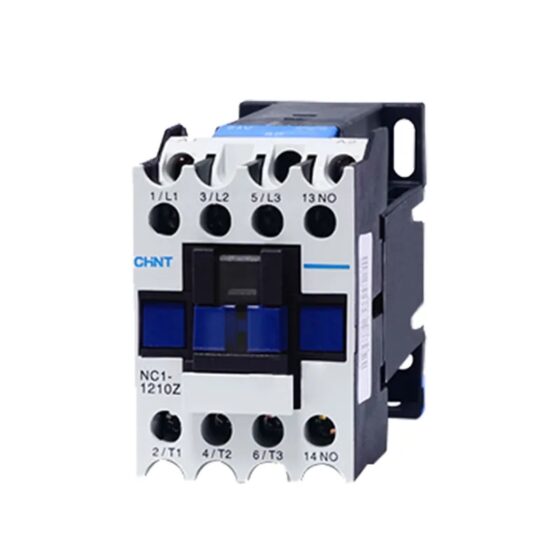
NH42-63-318x560.png "สวิตช์ถ่ายโอนอัตโนมัติชนิด CHINT PC (เอทีเอส)NH42-63/4SZ")