contactor,cortacircuitos,inversor solar,medidor electrico,baterias solares

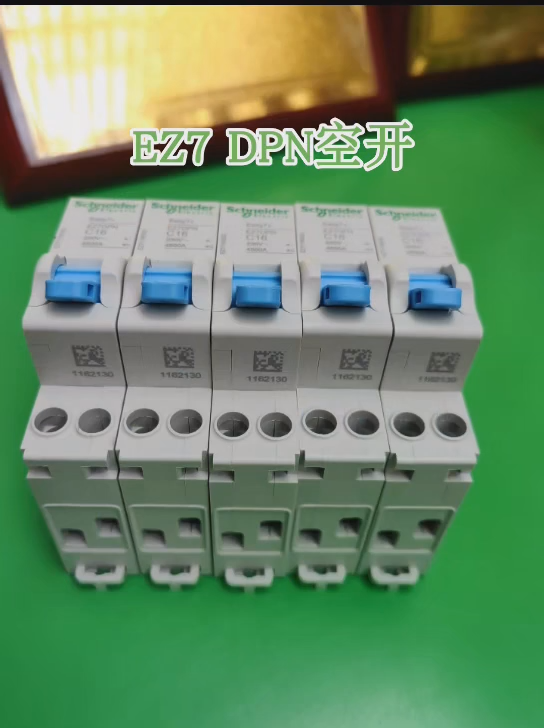

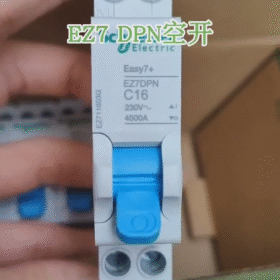
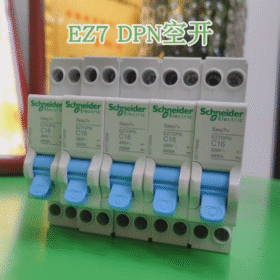
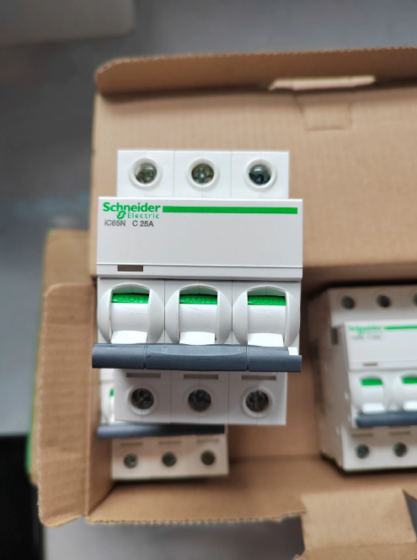
Marca: Electricidad Schneider
Serie: Fácil 7 (Project Type/EZ7 Series)
Order Number: EZ711603G
Modelo: EZ7DPN 4.5kA 1P+N C16A
Configuración de polos: 1P+N (Cable de fase + Cable neutro)
Corriente nominal: 16A
Característica del viaje: Tipo C (Distribution Protection Type)
Capacidad de ruptura: 4.5el
Tensión nominal: 230VACACIONES
Frecuencia: 50/60Hz
Dimensiones: Approximately 18mm wide (standard width per pole)
Interpretación del modelo
ESTE7: Fácil 7 Serie
DPN: 1P+N Structure (controls phase wire and neutral wire simultaneously)
do: Trip characteristic (Type C suitable for distribution protection)
16: corriente nominal de 16 amperes
GRAMO: Product series suffix identifier
Características funcionales
- Protección contra sobrecarga: Cuando la corriente del circuito excede los 16A, el cortacircuitos will trip within a certain time to protect wires and equipment.
- Protección contra cortocircuitos: Rápidamente (en milisegundos) corta el circuito cuando ocurre un cortocircuito, with a breaking capacity of 4.5kA.
- Simultaneous Disconnection of Phase and Neutral Wires: Enhances electrical safety and prevents accidental electric shock.
- Type C Trip Characteristic: Short-circuit tripping current is 5-10 veces la corriente nominal (80-160A), suitable for conventional distribution protection.
Escenarios de aplicación
Residential Distribution Boxes: Protection for lighting circuits and socket circuits.
Edificios Comerciales: Terminal power distribution in offices, tiendas, and other venues.
Equipos industriales: Protection for single-phase power supply equipment.
General Distribution Systems: Terminal power distribution protection for industrial, comercial, and civil use below 400V.
Detailed Technical Specifications
| Parámetro | Valor |
| Tensión de funcionamiento nominal | 230V y |
| Rango de corriente nominal | 6/10/16/20/25/32/40A |
| Característica del viaje | Tipo C (5-10En) |
| Capacidad de ruptura | 4.5el |
| Vida mecánica | ≥20,000 cycles (C-O cycles) |
| Certificaciones | CCC, CE, RoHS |
| Ancho | 18milímetros (1P+N) |
Notas de uso
- Ensure the power supply is disconnected before installation, and confirm no voltage in the circuit using professional voltage detection equipment.
- Only use under the rated voltage (230VACACIONES).
- Ensure wiring is secure to avoid overheating caused by loose connections.
- Regularly inspect the circuit breaker status to ensure proper operation.
The Schneider EZ7DPN-C16 (EZ711603G) is an economical 1P+N miniature circuit breaker with reliable overload and short-circuit protection functions, suitable for single-phase distribution systems in residential, comercial, and industrial settings. The Type C trip characteristic makes it particularly suitable for protecting conventional loads such as lighting and sockets, while the 4.5kA breaking capacity is sufficient to handle short-circuit faults in general household and small commercial environments.
Installation Specifications for Schneider EZ7DPN-C16 Circuit Breaker (EZ711603G)
- Safety Preparation
- Power Disconnection: Disconnect the upstream power supply before installation, and confirm no voltage in the circuit using professional voltage detection equipment.
- Professional Installation: Must be installed by qualified electricians in compliance with electrical safety standards (NFPA 70E, ES 50149, etc.).
- Personal Protective Equipment (PPE): Wear insulating gloves, safety goggles, and other PPE.
- Entorno de instalación:
Dry, well-ventilated environment free of corrosive gases.
Temperatura ambiente: -5℃ ~ 40 ℃, relative humidity ≤90% (a 25 ℃).
Avoid vibration, alta temperatura, or humid locations.
- Pasos de instalación
- DIN Rail Installation (if not pre-installed in the distribution box)
Use a 35mm standard DIN rail, ensuring the rail levelness ≤2mm/m.
Fix the rail to the distribution box base with M4 screws, spacing ≤300mm.
The rail must be reliably grounded (connect to the distribution box grounding bar with a yellow-green grounding wire).
- Circuit Breaker Installation
Instalación vertical (Recomendado): Handle facing upward, tilt angle not exceeding 5°.
Horizontal Installation (Special Cases): Ensure flexible operation and that the closing direction complies with markings.
Specific Operations:
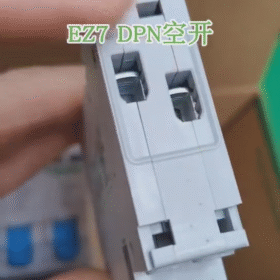
- Align the buckle on the back of the circuit breaker with the upper edge of the DIN rail.
- Press the circuit breaker downward until a “hacer clic” se escucha sonido, indicating it is securely snapped into the rail.
III. Especificaciones de cableado
- Wiring Principles
“Top In, Bottom Out”: Upper terminals for power incoming wires, lower terminals for load outgoing wires.
“Neutral on Left, Phase on Right”: When facing the front of the circuit breaker, connect the neutral wire (norte) to the left terminal and the phase wire (l) to the right terminal.
Strict Distinction: The N pole of the 1P+N circuit breaker has no protection function; reverse connection of phase and neutral wires is strictly prohibited.
- Terminal Connection Steps
- Strip the wire insulation (approximately 10-12mm) without damaging the conductor.
- Insert the wire into the corresponding terminal (L for phase wire, N para cable neutro).
- First hand-tighten the terminal screw until the wire is secure, then tighten it to the specified torque with a torque wrench.
Terminal Markings:
l (or unmarked): Connect to phase wire (cable vivo).
norte: Connect to neutral wire.
- Technical Parameters and Installation Requirements
| Parámetro | Valor | Descripción |
| Tensión nominal | 230V y | Only suitable for 230V systems |
| Corriente nominal | 16A | Matches loads ≤16A |
| Capacidad de ruptura | 4.5el | Maximum breaking capacity during short circuits |
| Característica del viaje | Tipo C (5-10En) | Suitable for general distribution protection |
| Ancho | 18milímetros (1P+N) | Diseño modular estándar |
| Wiring Torque | 1.5-3Nuevo Méjico | Torque screwdriver recommended |
| Applicable Wires | 2.5-4mm² copper wires | Select based on load current |
- Precauciones de instalación
- Key Prohibitions
Prohibited Inverted Installation: Upside-down installation is not allowed.
Prohibited Reverse Connection: Incorrect connection of N and L poles is forbidden; de lo contrario, the breaker may not trip in case of leakage.
Prohibited Neutral Wire Parallel Connection: When multiple residual current circuit breakers are installed side by side, parallel connection of outgoing neutral wires is strictly prohibited.
- Clearance Requirements
Horizontal distance from adjacent equipment≥200mm, vertical distance≥150mm for easy operation and maintenance.
Distance between high-voltage and low-voltage equipment in the distribution box ≥50mm to reduce interference.
- Wiring Points
Ensure terminal connections are secure to avoid overheating affecting protection performance.
Use a PZ-type Phillips screwdriver (recomendado) to prevent thread slipping.
Do not press the wire insulation into the terminal to ensure electrical clearance.
- Post-Installation Inspection
- Prueba de aislamiento: Check circuit insulation with an insulation resistance tester (≥0.5MΩ).
- Prueba de funcionamiento:
Manually close and open the breaker 3 times to confirm flexible operation.
Conduct simulated overload and short-circuit tests if conditions permit (performed by professionals).
- Marking: Label the circuit purpose on the breaker or distribution box for easy maintenance.
VII. Recomendaciones de mantenimiento
Regularly inspect the tightness of circuit breaker connections, especially after long-term use.
Keep the circuit breaker surface clean to avoid dust accumulation affecting heat dissipation.
If the breaker trips frequently, troubleshoot the fault first rather than resetting repeatedly.
The key to installing the Schneider EZ7DPN-C16 circuit breaker lies in: safe power disconnection, correct installation (vertical or horizontal), standardized wiring (“Top In, Bottom Out”; “Neutral on Left, Phase on Right”), and reliable fixation on a 35mm DIN rail with proper grounding. Después de la instalación, perform a function test to ensure normal protection performance.
Notas de traducción para negocios de exportación:
- Terminology Consistency: Adopted international standard electrical terms (p.ej., “1P+N” retained, “trip characteristic” instead of “tripping feature”) for global customer understanding.
- Standard References: Retained original standard codes (NFPA 70E, ES 50149) with English names for compliance verification in target markets.
- Unit Clarity: Specified units (p.ej., “mm²”, “Nuevo Méjico”) with international symbols for technical accuracy.
- Practical Expressions: Used concise phrases (p.ej., “securely snapped into”, “strictly prohibited”) suitable for technical documents and customer communication.
- Certification Retention: Kept original certification marks (CCC, CE, RoHS) to facilitate import customs clearance and product certification in overseas markets.
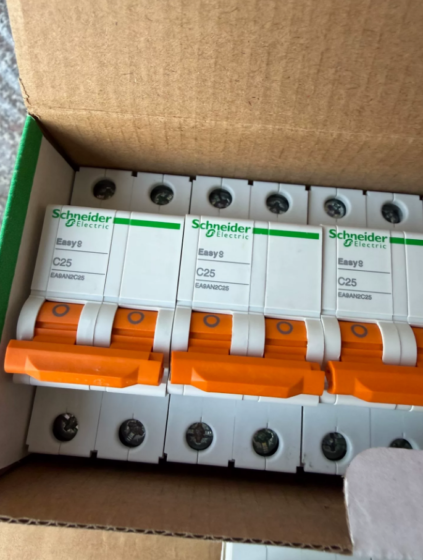
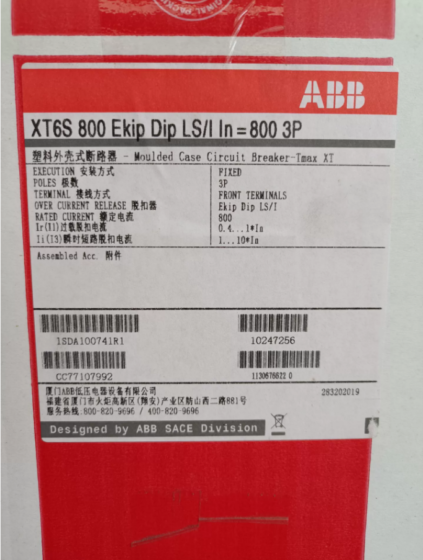
NH42-63-318x560.png "Interruptores de transferencia automática tipo PC CHINT (ATS)NH42-63/4SZ")