contactor,cortacircuitos,inversor solar,medidor electrico,baterias solares

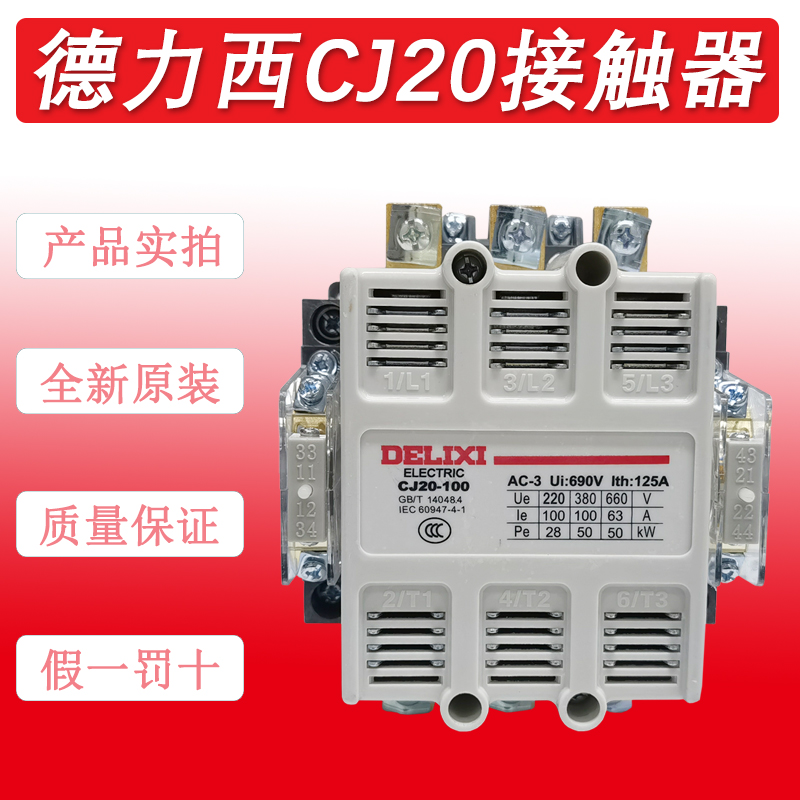

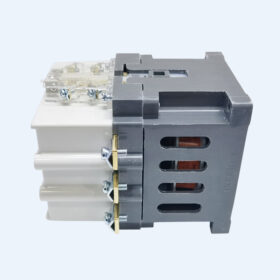

Delicioso AC contactors are commonly used electrical control devices. They can be used to frequently connect and disconnect AC and DC circuits and are widely applied in electric drive and automatic control systems. The following introduces common wiring methods for Delixi AC contactors.
Structure and Wiring Terminals of AC ContactorPrecio de los disyuntores Schneider
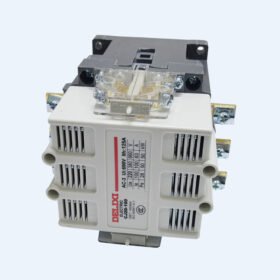
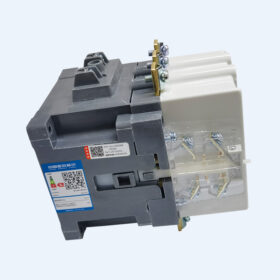
Delixi AC contactors are mainly composed of main contacts, contactos auxiliares, coils, etc.. The common wiring terminals are as follows:
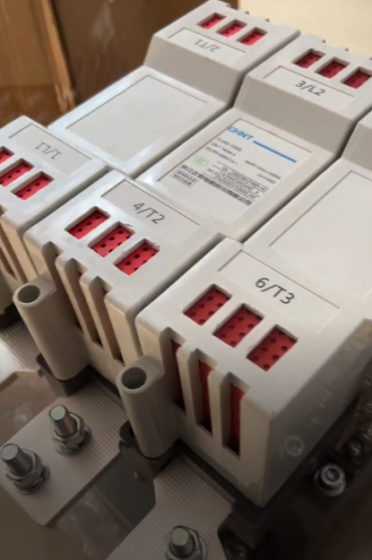
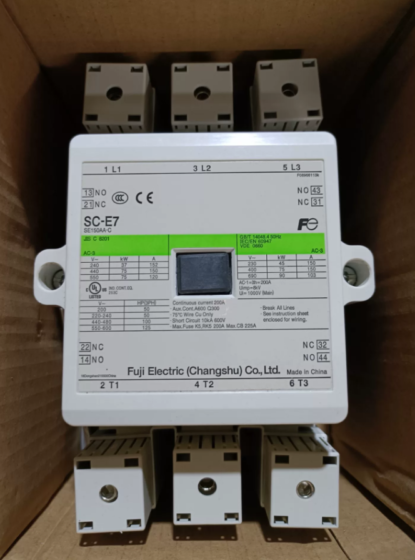
Contactos principales: Generalmente, `L1`, `L2`, and `L3` represent the incoming terminals, while `T1`, `T2`, and `T3` represent the outgoing terminals. They are used to connect and disconnect the main circuit and can carry relatively large currents.
Contactos auxiliares: They are divided into normally open contacts (NO) and normally closed contacts (CAROLINA DEL NORTE), which are used for signal transmission and interlock control in the control circuit.
Bobina: Usually represented by `A1` and `A2`. When the coil is energized, the main and auxiliary contacts of the contactor will act accordingly.
Common Wiring ExamplesChint’s NB163DC series DC circuit breakers Precio
- Wiring for Starting and Controlling a Single Motor
This is the most common application scenario, used to control the starting and stopping of a single motor.
Materiales requeridos: Delixi AC contactor, cortacircuitos, relé térmico, botón de inicio, botón de parada, and motor.
Pasos de cableado:Precio de los relés de sobrecarga térmica de la serie Chint NXR
- Power Incoming Line: Connect the outgoing terminals of the circuit breaker to the incoming terminals `L1`, `L2`, and `L3` of the main contacts of the AC contactor.
- Conexión del circuito principal: Connect the outgoing terminals `T1`, `T2`, and `T3` of the main contacts of the AC contactor to the incoming terminals of the thermal relay, and connect the outgoing terminals of the thermal relay to the motor.
- Conexión del circuito de controlPrecio del contactor CHINT:
Draw a control line from the outgoing terminal of the circuit breaker and connect it to one end of the stop button.
Connect the other end of the stop button to one end of the start button, and connect the other end of the start button to one end `A1` of the coil of the AC contactor.
Connect the normally open auxiliary contact of the AC contactor in parallel with the start button to achieve a self locking function.
Connect the other end `A2` of the coil of the AC contactor to one end of the normally closed contact of the thermal relay, and connect the other end of the normally closed contact of the thermal relay to the other phase of the power supply.
- Wiring for Forward and Reverse ControlPrecio del protector contra sobretensiones CHINT:
It is used to control the forward and reverse rotation of the motor, usually requiring two AC contactors.
Materiales requeridos: Two Delixi AC contactors, cortacircuitos, relé térmico, forward rotation button, reverse rotation button, botón de parada, and motor.
Pasos de cableado:
- Conexión del circuito principal: Connect the outgoing terminals of the circuit breaker to the incoming terminals of the main contacts of the two AC contactors respectively. After reversing the phase sequence of the outgoing terminals of the main contacts of the two AC contactors, connect them to the incoming terminals of the thermal relay, and connect the outgoing terminals of the thermal relay to the motor.
- Conexión del circuito de control:
Draw a control line from the outgoing terminal of the circuit breaker and connect it to one end of the stop button.
Connect the other end of the stop button to one end of the forward rotation button and one end of the reverse rotation button respectively.
Connect the other end of the forward rotation button to one end `A1` of the coil of the forward rotation AC contactor. Connect the normally open auxiliary contact of the forward rotation AC contactor in parallel with the forward rotation button. Mientras tanto, connect the normally closed auxiliary contact of the forward rotation AC contactor in series in the control circuit of the coil of the reverse rotation AC contactor.
Connect the other end of the reverse rotation button to one end `A1` of the coil of the reverse rotation AC contactor. Connect the normally open auxiliary contact of the reverse rotation AC contactor in parallel with the reverse rotation button. Mientras tanto, connect the normally closed auxiliary contact of the reverse rotation AC contactor in series in the control circuit of the coil of the forward rotation AC contactor.
Connect the other end `A2` of the coils of both AC contactors to one end of the normally closed contact of the thermal relay, and connect the other end of the normally closed contact of the thermal relay to the other phase of the power supply.
Precauciones de cableado
Safe Power Off: Be sure to turn off the power before wiring to prevent electric shock accidents.
Confirm Voltage: Ensure that the rated voltage of the contactor coil is consistent with the power supply voltage of the control circuit.
Cableado correcto: Wire strictly according to the wiring diagram and product manual to ensure correct connection of the main contacts, contactos auxiliares, and coils.
Tighten Terminals: Después del cableado, check whether all wiring terminals are tightened to avoid poor contact caused by loosening.


NH42-63-318x560.png "Interruptores de transferencia automática tipo PC CHINT (ATS)NH42-63/4SZ")