コンタクタ,サーキットブレーカー,センサー,エンコーダ,PLC,コンバータ

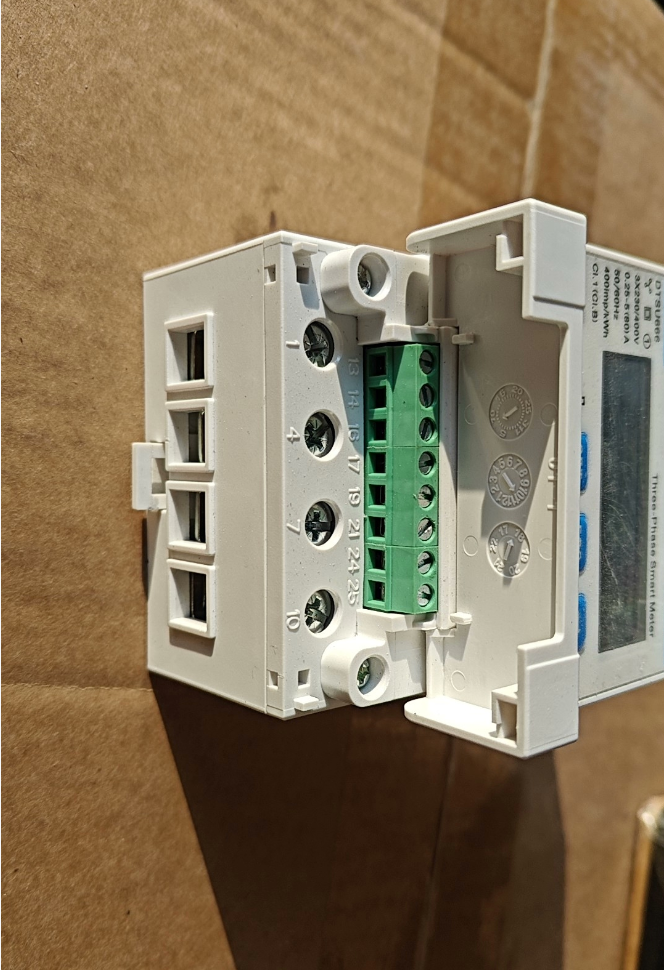 RS485通信インターフェースの外観と配線を詳しく解説 チント DTSU666-G
Chint DTSU666-G の RS485 通信インターフェイスは、ネジ圧着端子内蔵設計を採用しています。, 右下のエリアにあります (底付近) 電力メーターの. リモートデータ収集とネットワーキングに使用される業界標準の差動信号インターフェイスです。. 以下は完全な外観と配線ガイドです:
- 物理的な外観と位置
1.1 全体のレイアウト
位置: メーター右側の端子台の下側 2 つの独立した端子 (通常は端子としてマークされます 24 そして 25). 一部のモデルにはマークが付いている場合があります “A+” そして “B-“.
外観: 電源入出力端子と同様の構造, ネジ圧着端子 (真鍮素材, 抗酸化), ワイヤサイズ 0.5 ~ 2.5mm² に適しています.
マーキング: 鮮明に印刷されています “A+” (RS485+) そして “B-” (RS485-) ターミナルの横にある. 一部の初期モデルには数字のみが表示されます 24 そして 25, 通信で: 24 =A+, 25 =B-.
保護: メーター本体と同じ保護等級 (IP20), 充電部への直接の指の接触を防ぐため、配電キャビネットへの設置に適しています。.
1.2 物理図の説明
[Chint DTSU666-G メーターの右側面図]
┌───────────────────┐
│ L1 L2 L3 N (電源端子) │
│ IN1 IN2 IN3 IN4 (現在の端末) │
│ P+P- (パルス出力端子) │
│A+B- (RS485通信端子) │ ← RS485 インターフェースの位置
━━━━━━━━━━━━┘
- 端子定義と電気的特性
2.1 標準端子定義表
| 端子番号. | マーキング | 信号名 | 説明 | 配線要件 |
| 24 | A+ | RS485+ | 正の差動信号 | RS485+に接続 (あ) ホスト/PLCの, シールド付きツイストペアコアを使用 |
| 25 | B‑ | RS485‑ | 負の差動信号 | RS485‑に接続 (B) ホスト/PLCの, シールド付きツイストペアコアを使用 |
| - | GND (選択する) | シグナルグランド | 共通接地基準 (いくつかのモデル) | 干渉を避けるための一点接地; 推奨 |
2.2 電気的パラメータ (標準の DTSU666 と同じ)
通信プロトコル: 標準 Modbus-RTU (新エネルギー用途向け), DL/T645-2007と互換性があります
ボーレート: 1200 / 2400 / 4800 / 9600 (デフォルト) / 19200 bps
データ形式: 8 データビット + 1 ストップビット, パリティ設定可能 (デフォルト: パリティなし)
通信距離: マックス. 1200 メートル (標準 RS485 バス); シールド付きツイストペアを推奨
ネットワーク容量: まで 32 1 つのバス上のデバイス; 固有のアドレス (1–247) 各デバイスに必要な
- 配線仕様と注意事項
3.1 標準配線手順
- シールド付きツイストペアケーブルを選択してください (断面積 ≥ 0.5mm²), を超えない長さ 1200 メートル.
- 絶縁体を約 5mm 剥がして銅芯を露出させます。, 緩んだストランドを避ける.
- A+線を端子に挿入します 24 そしてB- 端子に配線する 25; ネジを締めます (トルク: 2.5 N・m).
- シールドに一点接地を適用します。 (できればホスト側で) グランドループや干渉を避けるため.
- マルチメーターネットワークにデイジーチェーン配線を使用する; スタートポロジは禁止されています. 120Ωの終端抵抗をバスの両端に追加できます。.
3.2 一般的なエラーとトラブルシューティング
A+/B- 逆転した: 完全な通信障害; 2本のワイヤーを交換して復元します.
非シールドケーブル使用: 通信が不安定, 電磁干渉を受けやすい; シールド付きツイストペアに置き換える.
重複したアドレス: 一部のメーターが反応しない; 一意のアドレスを設定する (1–247) メーターごとに.
あまりにも長いバス: 信号の減衰を超える 1000 メートル; RS485リピータを追加して距離を延長します.
- 標準 DTSU666 との違い
RS485 インターフェイスの物理的な外観は Chint DTSU666-G と同じです (新エネルギー専用) および標準の DTSU666. 主な違いは次のとおりです。:
- デフォルトのプロトコル: DTSU666-G のデフォルトは Modbus-RTU です (太陽光発電とエネルギー貯蔵に共通); 標準バージョンのデフォルトは DL/T645-2007.
- リフレッシュレート: DTSU666-G の有効電力リフレッシュ レート ≤ 50ms (高速インバータ応答用); 約. 100 標準バージョンのms.
- 測光機能: DTSU666-G は双方向測光をサポートします (正方向/逆方向有効電力/無効電力), PV 自家消費および系統供給シナリオに適しています.
Chint DTSU666-G の RS485 通信インターフェイスは、メーターの右下にある組み込みのネジ圧着端子で構成されています, A+/Bとマークされています- (端子 24/25). 標準の RS485 差動信号設計を使用し、シールド付きツイストペア配線をサポートします。. A+とBを厳密に区別する- 配線中にホストとの一貫したパラメータを確保して、安定したリモート電源データ取得を実現します。.
ホストまたは PLC モデルに基づいて、すぐにコピーできる RS485 配線および通信パラメータ構成リストを提供してほしいですか??