Contactor,circuit breaker,sensor,Encoder,PLC,Converter





Portable digital earth resistance meter (digital earth megger), used for lightning protection earthing, power distribution equipment, buildings, charging pile earthing engineering inspection. Supports 2-pole / 3-pole measurement.
- Core Specifications
Earth resistance range: 0.01Ω~4000Ω; Accuracy ±(3%+3 digits)
Earth voltage measurement: 0~200V AC (50/60Hz); Accuracy ±(1%+5 digits)
Display: 4000-count LCD backlit screen with analog bar graph
Data storage: 100 measurement records. Supports MAX/MIN/AVG and REL relative measurement
Power supply: 8 × 1.5V AA batteries
Dimensions: 180×140×65mm; Net weight: 950g
Safety rating: CAT III 600V, compliant with EN61010-1
Environmental: Operating temperature 0~40℃; Storage temperature -10~50℃; Humidity ≤85% non-condensing
Auto functions: 10-minute auto power-off, low battery indicator, limit value alarm
- Measurement Modes
- 3POLE 3-pole method: Standard earth resistance measurement (E-P-C three test leads + earth probes), preferred for engineering acceptance
- 2POLE 2-pole method: Simplified measurement, for scenarios with known good auxiliary earthing
- VE Earth voltage: Measures power-frequency stray voltage on earth electrodes to avoid abnormal readings caused by interference
- Standard Accessories
Main unit, 5m/10m/20m test leads, 2 earth probes, carrying bag, user manual, batteries
- Typical Application Scenarios
Lightning protection earthing inspection for buildings
Earthing test for high & low voltage distribution cabinets and motors
Earthing system acceptance for photovoltaic systems and charging piles
Earth resistance inspection for substations and communication rooms
- Operating Guidelines & Common Troubleshooting
Operating Guidelines
- 3-pole measurement: Connect terminal E to the measured earth electrode; drive P and C probes into soil at specified spacing. Probes must be firmly seated. Pour water in dry soil to improve conductivity.
- Measure VE earth voltage before resistance test. High voltage indicates power-frequency interference; eliminate interference before measuring resistance.
- Pre-set resistance limit values; alarm triggers automatically when readings exceed threshold.
Common Faults
- Fluctuating readings: Poor probe contact, dry soil, strong on-site power interference. Check wiring and re-seat probes.
- Excessively high readings: Improper placement of auxiliary electrodes or damaged test leads.
- Failed measurement startup: Low battery or open test circuit.
- Alternative References
Domestic: ETCR2000, ETCR3000 series earth resistance testers
Imported: Fluke 1623/1625 earth resistance testers (higher accuracy, higher price)
HABOTEST HT2302 Earth Resistance Tester|Main Application Scenarios
Core positioning: 3-pole / 2-pole on-site acceptance and inspection instrument for earth resistance. Simultaneously measures power-frequency stray earth voltage. Suitable for electricians, lightning protection inspectors, electromechanical maintenance engineers, security contractors and third-party safety inspectors.
🏢 Building Lightning Protection (Most Common)
- Acceptance test of new building lightning protection earthing; test artificial earth electrodes and foundation earthing grids against GB50057 lightning protection standard.
- Annual routine lightning protection inspection: earthing check for factories, warehouses, office buildings, roof lightning strips and lightning rods.
- Lightning protection earthing test for iron towers, outdoor monitoring poles and communication base stations.
⚡ Power Distribution & Electrical Equipment Earthing
- Protective earthing inspection for high/low voltage distribution cabinets, transformers, power motors and distribution boxes
- Working earthing and repeated earthing test in power distribution rooms and pad-mounted transformers; earthing system verification before power-off maintenance
- Equipment shell earthing inspection for factory production lines to prevent electric shock hazards
🔋 New Energy & Charging Piles
- Acceptance and annual inspection for AC/DC charging pile earthing (earthing is mandatory safety requirement for charging piles)
- Earthing test for PV module brackets, inverters and combiner boxes in photovoltaic power stations
📡 Weak Current, Security & Computer Rooms
- Equipotential bonding and anti-static earthing test for network and server rooms
- Earthing inspection for monitoring systems, barrier gates and access control weak-current equipment; prevent damage from static electricity and surge
- Earthing acceptance for public address systems and fire alarm control panels
🧪 Other Engineering Scenarios
- Anti-static earthing test for petrochemical workshops (tank farms and pipelines)
- Temporary power earthing inspection on construction sites for site power acceptance
- Preliminary soil resistivity survey to assist earthing engineering design
- On-site data logging for third-party testing agencies: 100-group storage for test reports
✅ Target Users
Certified electricians, lightning protection inspectors, electromechanical maintenance engineers, security contractors, third-party safety inspectors.
HABOTEST HT2302 Earth Resistance Tester|Full Operation Tutorial
Tutorial 1: Pre-inspection & Power-on Preparation (Mandatory)
- Install 8 AA batteries, ensure good contact in battery compartment. Replace batteries immediately when low battery icon appears; insufficient power causes reading drift.
- Inspect 3 test leads and 2 earth probes for broken wires or insulation damage. Polish oxidized alligator clips.
- Rotary switch positions: OFF / ~VE Earth Voltage / RE 3POLE 3-pole / RE 2POLE 2-pole.
- Button description:
TEST: Start measurement
MEMO: Save readings (max 100 groups)
READ: Recall historical records
CLR: Clear stored data
REL: Relative measurement (eliminate lead resistance)
Backlight: Enable backlight in low-light environments
Pre-safety requirement: Disconnect measured earth electrode from power grid. Never measure earth resistance on live equipment. Always measure ~VE earth voltage first.
Tutorial 2: 3POLE 3-pole Method (Standard Acceptance Method, Recommended)
0.618 rule (golden ratio layout for potential probe), adopted for lightning protection, distribution cabinet and charging pile acceptance.
- Wiring
Terminal E: 5m short lead → clamp to measured earth electrode (earth flat steel / earth rod)
Terminal P: 10m lead → potential probe, placed between E and C
Terminal C: 20m long lead → current probe
- Layout (Three points in straight line)
Total distance E to C: 30m; E→P=10m, P→C=20m (0.618 position)
Drive earth probes vertically ≥20cm into soil. Pour small amount of salt water at probe positions for dry/sandy soil to improve contact.
- Operation Steps
1) Turn rotary knob to `~VE`, measure stray earth voltage. Do NOT measure resistance if voltage>5V. Power-frequency interference will distort readings; troubleshoot interference first.
2) Switch knob to `RE 3POLE`, confirm wiring.
3) Press TEST to start measurement and wait for stable reading.
4) Press MEMO to save stable reading; average multiple measurements.
- Reference criteria: Lightning protection generally ≤4Ω; power distribution protective earthing ≤4Ω; simple repeated earthing ≤10Ω (refer to corresponding national standards).
Tutorial 3: 2POLE 2-pole Method (Indoor Quick Measurement, Reference Only, NOT for Official Acceptance)
Application: Indoor concrete ground where ground probes cannot be driven.
- Wiring: Short E and P terminals as one test clip; C terminal as second clip.
- Measurement principle: Use known good building earthing (water pipe, main building earth) as auxiliary ground to measure resistance between two points.
- Operation: Switch knob to `RE 2POLE`, attach clips and press TEST.
⚠️Disadvantages: Low precision, only for rough continuity check. Cannot be used for lightning protection or charging pile acceptance reports.
Tutorial 4: VE Earth Voltage Measurement (Interference Check, Essential)
- Turn knob to `~VE`, connect E and C terminals to measure AC power-frequency voltage on earth electrode.
- Function: Detect stray voltage on earth wire. Voltage reading indicates leakage or grid unbalance interference. Resistance measurement results are unreliable under such conditions; cut power and disconnect connections before retest.
Tutorial 5: REL Relative Measurement (Eliminate Lead Resistance, Improve Accuracy)
- Short all three clips E, P and C together.
- Enter corresponding resistance range and press REL. The meter auto-zeroes to cancel inherent resistance of test cables.
- Separate clips and wire normally for measurement. Strongly recommended for long lead measurements.
Tutorial 6: Data Storage & Recall
- Press MEMO once reading stabilizes; screen shows storage index for successful saving.
- Keep rotary knob in measurement mode, press READ to browse stored 100 records.
- CLR button deletes single record or full dataset for post-site report preparation.
Tutorial 7: Rapid Troubleshooting Guide
- Fluctuating, unstable readings
Probe shallow insertion / dry soil; water probes and drive deeper. Keep away from power cables, inverters and high-power loads.
Rusty clips and poor contact; polish metal contact surfaces.
- OL infinite reading
Broken test lead, open clip connection or probes not buried into soil.
- Significantly high readings
Improper P/C probe alignment, three points not collinear. Underground metal pipes/rebar interference; reposition probes in another direction.
- Meter fails to initiate test
Low battery or poor terminal contact.
Tutorial 8: On-site Operating Specifications & Safety Prohibitions
✅ Recommended
Test on cloudy days with moist soil. Avoid measurement immediately after heavy rain (excessive soil moisture causes distorted readings).
Disconnect lightning strips and equipment from earthing grid during earth grid testing to eliminate parallel circuit influence.
❌ Forbidden
Measure earth resistance while the system is live
Lay test probes directly under high-voltage cables
Issue official acceptance reports using 2-pole method
HABOTEST HT23xx Earth Resistance Tester Series List (Same Platform as HT2302)
The HT23 series are lead-type 3/2-pole earth resistance testers (requires ground probes, not clamp-on earth testers). Commercially available HABOTEST models:
✅ HT2301 (Basic Entry Model)
Measurements: 2-pole,3-pole earth resistance + AC earth voltage
Range: 0.01~2000Ω
Storage: 50 records, no soil resistivity function
Application: Simple earth inspection for electricians, temporary construction power; no soil resistivity measurement
Positioning: Low-cost entry unit for basic routine screening
✅ HT2302 (Your Current Model, Mainstream Standard Version)
Measurements: 2-pole /3-pole earth resistance, earth voltage
Range: 0.01Ω~4000Ω; AC earth voltage 0~200V
Storage: 100 groups, MAX/MIN/AVG, REL relative measurement, analog bar graph
Power: 8×AA batteries
Positioning: Main model for lightning protection, charging pile and power distribution acceptance; highest sales volume
✅ HT2303 (High Version with Soil Resistivity)
Measurements: 2/3-pole earth resistance, earth voltage, soil resistivity ρ (4-pole method)
Range: Earth resistance 0.01~4000Ω; Soil resistivity 0~4000kΩ·m
Storage:100 groups, limit alarm, REL
Positioning: Lightning protection labs and earth grid survey for soil resistivity design; upgraded version of HT2302
✅ HT2304 (Professional Enhanced Version)
4-pole soil resistivity, upgraded anti-interference circuit, AC earth voltage up to 600V
Operates under heavy power-frequency interference (substations, near high voltage lines)
Higher accuracy margin, preferred by third-party certification labs
Other HABOTEST Earthing-related Instruments (Not part of HT23xx lead tester series, reference for selection)
- HT5910: Loop resistance + RCD tester (measures loop resistance and residual current devices, NOT earth resistance tester)
- HABOTEST has no proprietary clamp-type earth resistance tester (clamp-on earth testers are separate category; ETCR is mainstream brand)
Model Selection Comparison Table
| Model | Soil Resistivity | Resistance Range | Storage Groups | Recommended Application |
| HT2301 | ❌ | 0.01~2000Ω | 50 | Simple inspection by electricians, limited budget |
| HT2302 | ❌ | 0.01~4000Ω | 100 | Lightning protection, charging pile and cabinet earthing acceptance (Most widely used) |
| HT2303 | ✅ | 0.01~4000Ω | 100 | Lightning protection test + soil resistivity survey |
| HT2304 | ✅ | 0.01~4000Ω | 100 | High interference field, third-party professional testing |
Selection Recommendations
Only earth resistance acceptance (Charging pile / building lightning / equipment protective earth) → HT2302 is sufficient
Require soil resistivity measurement and preliminary earthing grid design survey → HT2303
Sites near high voltage substations with heavy power-frequency interference → HT2304


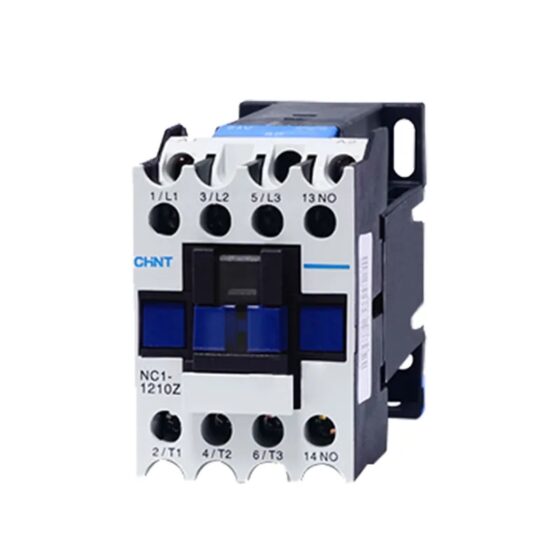
NH42-63-318x560.png "CHINT PC-type automatic transfer switches (ATS)NH42-63/4SZ")