Contator,disjuntor,sensor,Codificador,CLP,Conversor

- Distinção central em uma frase
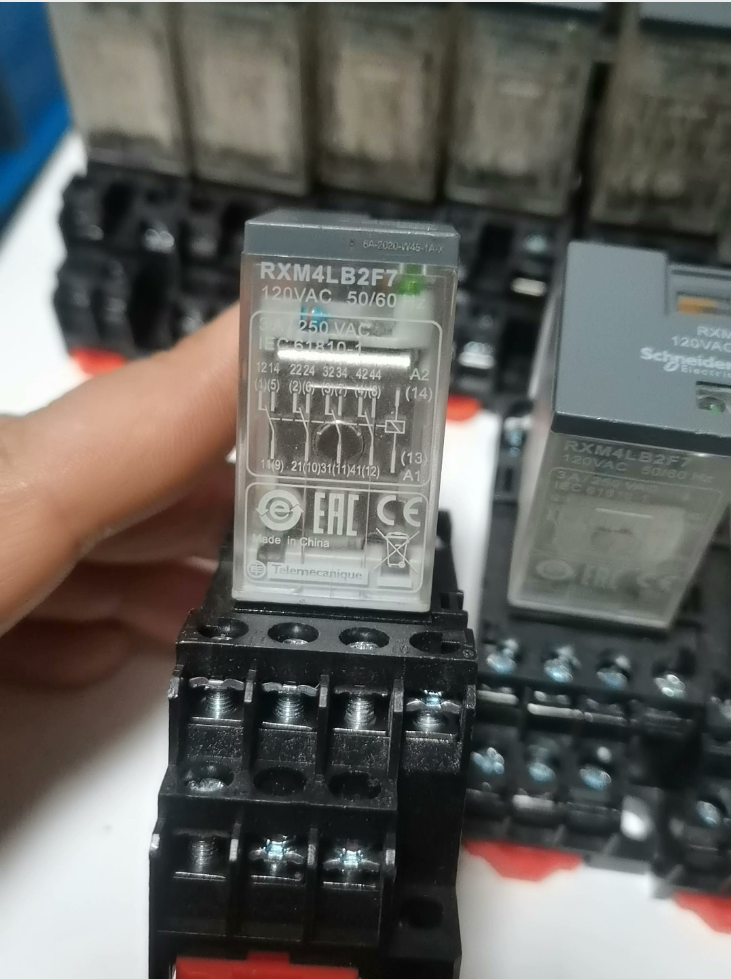
Relé Intermediário: Transmitir sinais, transportar baixa corrente, servir como estação de transferência de sinal
Contator: Cargas de acionamento, transportar alta corrente, motores de controle
- Comparação intuitiva
- Capacidade de carga atual
Relé Intermediário: Máx. 6~10A, apenas para circuitos de baixa corrente
Contator: 10Até milhares de amperes, aplicável a equipamentos de alta potência
- Aplicação principal
Relé Intermediário: Conversão de sinal PLC, fiação multi-circuito, intertravamento de circuito, expansão de contato
Contator: Controle diretamente cargas de alta potência, como motores, bombas de água, ventiladores e tubos de aquecimento
- Diferença de contato
Relé Intermediário: Equipado apenas com pequenos contatos sem distinção principal/auxiliar, grande quantidade de contatos
Contator: Composto por contatos principais de alta corrente e contatos auxiliares de baixa corrente; os contatos principais são especialmente projetados para transmissão de corrente de carga
- Desempenho de extinção de arco
Relé Intermediário: Sem escudo de arco, incapaz de quebrar um arco elétrico forte
Contator: Proteção contra arco integrada para extinguir o arco elétrico durante o desligamento e evitar a queima do contato
- Tamanho & Preço
Relé Intermediário: Compacto e de baixo custo, densamente instalado em gabinetes de controle
Contator: Maior em tamanho e mais alto em preço
- Princípio de funcionamento da bobina
Eles compartilham o mesmo princípio de funcionamento: A bobina de baixa corrente é puxada para controlar o contato liga-desliga.
A única diferença está na capacidade máxima de suporte de corrente dos contatos.
- Regras práticas de seleção
Use relés intermediários para conversão de sinal de corrente fraca
Use contatores para controle start-stop de motores de alta potência
Adicione relés intermediários para expandir os contatos quando os contatos auxiliares dos contatores forem insuficientes
- Cenários típicos de aplicação
Comutação de baixo sinal dentro de gabinetes de controle: Relés intermediários da série RXM
Controle start-stop de motores 380V: Contatores CA são obrigatórios