Контактор,автоматический выключатель,датчик,Кодер,ПЛК,Конвертер

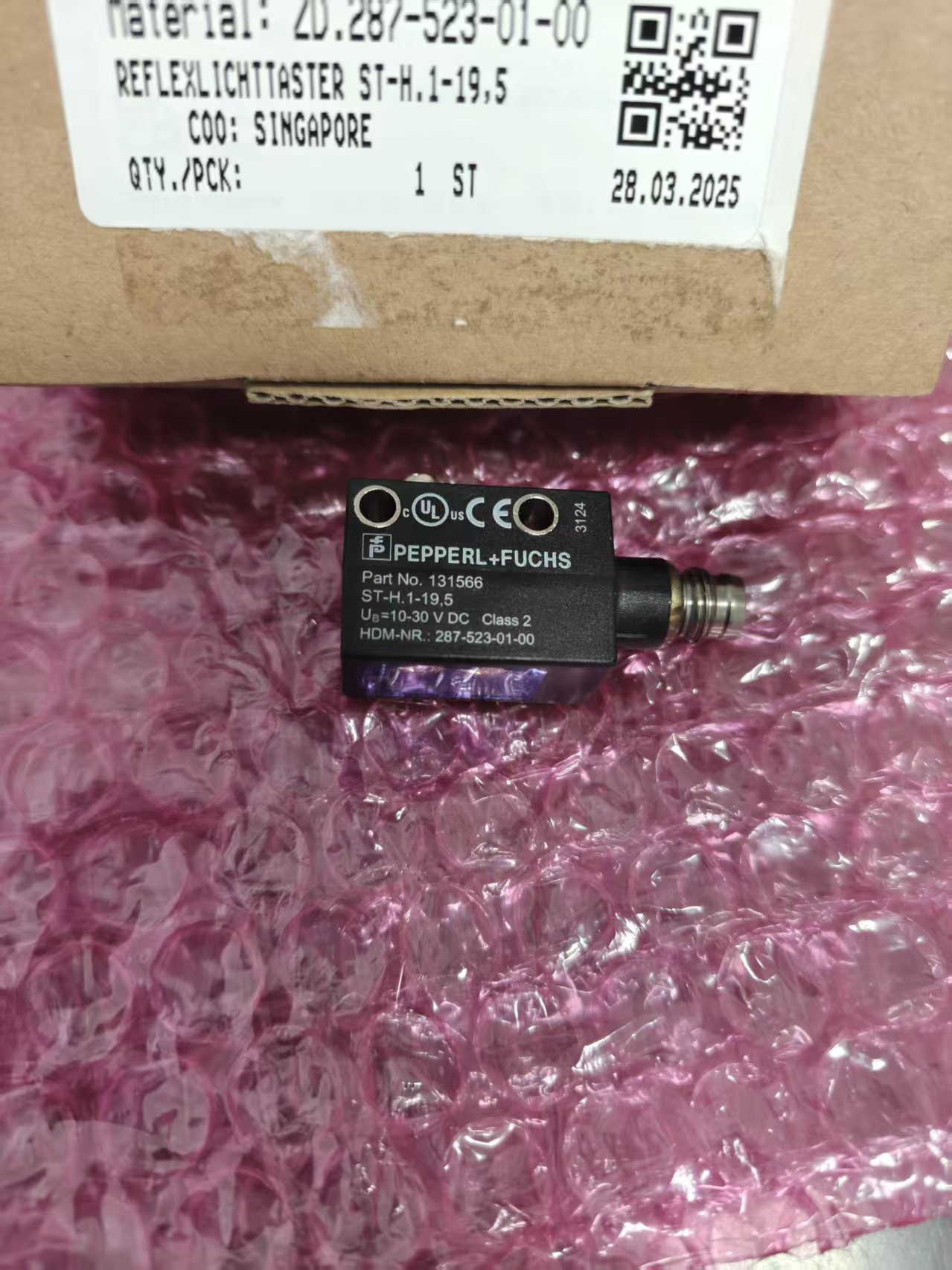

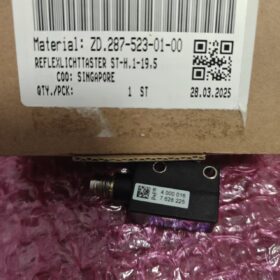
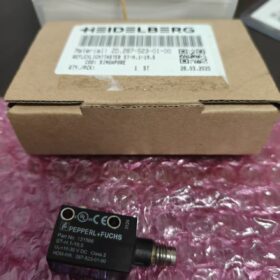
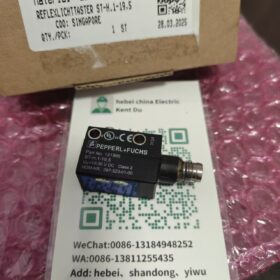
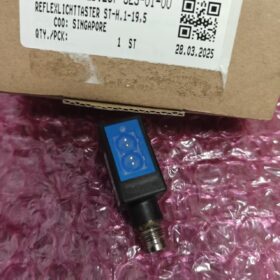
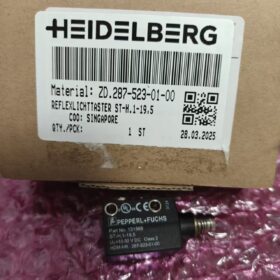
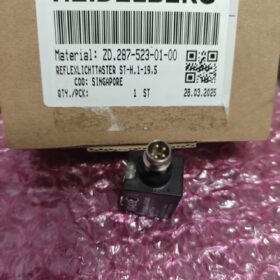
Альтернативные обозначения: HDM-NR-287-523-01-00 / OEM-запчасть Heidelberg ZD.287-523-01-00
Основная информация
Пепперл+Фукс Заказ №.: 131566
Внутренняя модель P+F: СТ-Н.1-19,5
Номер детали машины Heidelberg.: HDM-NR-287-523-01-00 (ЗД.287-523-01-00)
Тип продукта: Диффузный режим фотоэлектрический датчик (фотоэлемент)
Целевое приложение: Фальцевальная машина Heidelberg Stahlfolder, обнаружение наличия листов для печатного оборудования. Пользовательский вариант только для OEM; на официальном сайте Pepperl+Fuchs нет общедоступных технических данных.
Страна происхождения: Сингапур
Масса: приблизительно. 30 г
Электрический & Механические характеристики
- Напряжение питания: 10…30 В постоянного тока
- Связь: Разъем M12-pin «папа»
- Жилье: Компактный квадратный пластиковый корпус из ПБТ с двумя отверстиями для крепежных винтов.
- Класс защиты: IP67
- Индикаторы: Двойной светодиод (власть, статус переключения)
- Выход: ПНП, защита от короткого замыкания
- Рабочая температура: -25 … +55℃
Пояснение кода модели
131566: OEM-номер детали Pepperl+Fuchs
СТ-Н.1-19,5: Обозначение серии внутреннего датчика
HDM-NR-287-523-01-00: Номер детали Heidelberg для конкретной машины, не модель Pepperl+Fuchs; напечатано на этикетках принадлежностей печатной машины.
Ремонт & Примечания к закупкам
- Это специальный OEM-датчик для печатных машин.. Стандартные готовые фотоэлектрические датчики Pepperl+Fuchs не могут быть заменены напрямую.. Геометрия светового пятна, диапазон срабатывания и время срабатывания настраиваются индивидуально для работы фальцевальной машины.
- Контрольный список проверки подержанного устройства:
Контакты разъема M12 не подвержены коррозии и повреждениям, возникающим при втягивании контактов.
Оптическая линза без царапин., загрязнение чернилами и грязью
Индикатор питания загорается при включении питания; состояние вывода переключается при тестировании с отражающей целью
Отсутствие короткого замыкания на питающих и выходных контактах
- Поиск: Всегда указывайте номер заказа Pepperl+Fuchs. 131566. Номера деталей Heidelberg HDM не могут быть распознаны дистрибьюторами Pepperl+Fuchs..
Назначение контактов (M12-4-контактный штекер, вид со стороны разъема)
| Приколоть | Сигнал |
| 1 | УБ+ Пауэр Позитив (10-30 В постоянного тока) |
| 2 | Выходной сигнал PNP |
| 3 | 0В ЗЕМЛЯ |
| 4 | Не подключено |
Пепперл+Фукс 131566 Техническая документация
Важное уведомление: 131566 (СТ-Н.1-19,5) это эксклюзивный OEM-датчик для печатных машин Heidelberg. Компания Pepperl+Fuchs не публикует оригинальные технические данные в формате PDF.. Этот документ составлен на основе маркировки физических деталей., Полевые измерения OEM-поставщика и руководства для машин Heidelberg, и пригоден для обслуживания, приобретение, ввод в эксплуатацию и проверка бывших в употреблении агрегатов.
Альтернативное обозначение: HDM-NR-287-523-01-00 (Номер детали Гейдельберга, не модель Pepperl+Fuchs)
1 Обзор продукта
| Элемент | Спецификация |
| Номер заказа Pepperl+Fuchs. | 131566 |
| Внутренняя модель | СТ‑Н.1‑19,5 |
| OEM-номер детали Heidelberg. | HDM‑NR‑287‑523‑01‑00 (ЗД.287-523-01-00) |
| Тип продукта | Фотоэлектрический датчик диффузного режима |
| Целевое приложение | Фальцевальная машина Heidelberg Stahlfolder, обнаружение наличия листа для печатного оборудования |
| Источник света | Модулированный инфракрасный светодиод |
| Связь | Прямой разъем M12‑4‑pin «папа» |
| Материал корпуса | ПБТ инженерный пластик |
| Класс защиты | IP67 |
| Страна происхождения | Сингапур |
| Вес нетто | ≈30 г |
2 Электрические параметры
| Параметр | Ценить | Примечания |
| Напряжение питания Ub | 10 … 30 В постоянного тока | округ Колумбия, Питание класса 2 |
| Тип выхода | PNP нормально открытый выход | Защита от короткого замыкания, защита от обратной полярности |
| Макс. Выходной ток нагрузки | 100 мА | |
| Ток покоя | ≤25 мА | |
| Падение напряжения | ≤2,0 В | Состояние выхода ВКЛ. |
| Переключение логики | Свет-ВКЛ. (выход активен при приеме отраженного света) | Выход обесточивается, когда отраженный свет блокируется листовым материалом |
| Частота переключения | ≈250 Гц | Специально разработано для высокоскоростного обнаружения листов в фальцевальных машинах. |
| Рабочая температура | ‑25…+55℃ | Условия окружающей среды в типографии |
| Температура хранения | ‑40…+70℃ |
Распиновка M12-4-контактный (мужской, вид с торца разъема)
| Приколоть | Сигнал | Описание |
| 1 | УБ+ | Положительный источник питания 10‑30 В постоянного тока |
| 2 | ВНЕ | Выходной сигнал PNP |
| 3 | 0В/Земля | Питание отрицательное |
| 4 | Н/З | Не подключено, оставить плавающим |
Примечание по проводке: Не подключайте контакт 4; не подключайте контакт 4 к 0 В, в противном случае произойдет неисправность датчика.
3 Оптический & Механические параметры
- Диапазон чувствительности: 0…19,5 мм (суффикс 19,5 обозначает номинальное расстояние срабатывания)
- Световое пятно: Оптика малого пятна, оптимизированная для обнаружения тонких листов. Прямая замена коммерческими фотоэлектрическими датчиками стандартного диапазона не допускается..
- Монтаж: Два монтажных отверстия диаметром 3,2 мм встроены в корпус.; Крепежные винты М3, рекомендуемый крутящий момент 0,4-0,6 Н·м
- Housing Overall Dimensions: W14 mm × H31 mm × D22 mm
- Светодиодные индикаторы:
Зеленый светодиод: Power-supply status
Желтый светодиод: Switching-status indicator (illuminates when reflected light is detected)
4 Стандарты & Сертификаты
CE-marked, compliant with EN 60947-5-2 for photoelectric sensors
No public UL file (OEM custom variant)
5 Установка & Commissioning Instructions
- Recommended mounting gap between sensor and sheet/reference surface: 8-16 мм. Avoid direct contact; do not exceed 19.5 mm maximum sensing distance.
- Optical-axis alignment: Lens must face the sheet-travel path. Keep lens surface clean; ink and dust accumulation will trigger false detection.
- No sensitivity-adjustment potentiometer: Parameters are factory-fixed; no on-site adjustment possible.
- Кабели: Use M12-4-pin female-cable assembly; connect pins 1-2-3 only, pin 4 unused.
6 Таблица устранения неполадок
| Симптом неисправности | Check Points |
| Зеленый светодиод выключен | Проверьте напряжение 10–30 В постоянного тока на контакте 1.; непрерывность контакта 3 GND; Коррозия штифта M12 / повреждение погнутого штифта |
| Зеленый светодиод всегда горит, желтый светодиод никогда не загорается | Линза полностью покрыта чернилами; Расстояние установки превышает 19,5 мм; отсутствует отражающая мишень; внутренняя неисправность светодиода |
| Желтый светодиод горит постоянно, нет ответа на проходящие листы | Загрязнение линзы; смещенная оптическая ось; короткое замыкание выходного транзистора; помехи фонового отражения от рамы машины |
| Спорадические ложные срабатывания | Чрезмерное падение напряжения питания; плохое экранирование кабеля; остатки чернильной бумаги на линзе; расстояние установки за пределами допустимого диапазона |
7 Приобретение & Важные замечания по замене
- Всегда размещайте заказы, используя номер заказа Pepperl+Fuchs. 131566. Чистая ссылка на HDM-NR-287-523-01-00 не будет распознаваться торговыми партнерами Pepperl+Fuchs..
- Это эксклюзивная деталь Heidelberg OEM, изготовленная по индивидуальному заказу.. Стандартная серия Pepperl+Fuchs (например. РЛ31) отличаются геометрией пятна, порог переключения и временные характеристики. Прямая замена приводит к ошибкам пропуска листов и ложному обнаружению и не рекомендуется для использования в печатной машине..
- Этапы проверки подержанного устройства:
1) Осмотрите контакты разъема M12 на предмет окисления и повреждений, вызванных втягиванием контактов.
2) Проверьте линзу на наличие трещин и глубоких царапин.
3) Подайте питание 10–30 В постоянного тока.; подтвердите, что загорается зеленый светодиод питания.
4) Держите белую светоотражающую бумагу перед линзой.: желтый светодиод загорится. Удалить бумагу: желтый светодиод гаснет
5) Измерьте выходной сигнал контакта 2 с помощью мультиметра.; убедитесь, что уровень PNP переключается правильно; нет внутреннего короткого замыкания.
8 Примечания по безопасности
- Не мойте линзу датчика агрессивно сильными растворителями.; оптическое покрытие будет разрушено. Чистить только безворсовой тканью.
- Выходной тип источника PNP.; подключаться только к каналам ввода высокого уровня ПЛК. Несовместим с входами NPN-приемника..
- Не превышайте максимальное напряжение питания 30 В постоянного тока.; может произойти необратимое повреждение внутренней цепи.
Принцип работы фотоэлектрических датчиков диффузного режима
Pepperl+Fuchs131566 — фотоэлектрический датчик диффузного режима., с излучателем и приемником, встроенными в один корпус.
Фундаментальный принцип
Два основных внутренних компонента:
- Передатчик: Инфракрасный светодиод: Излучает модулированный инфракрасный свет. (модуляция подавляет ложные срабатывания, вызванные окружающим освещением в мастерской и солнечным светом).
- Получатель: Фототранзистор / Фото-ИК: Улавливает свет, отраженный от целей.
Функциональная последовательность:
- Инфракрасный светодиод излучает луч света наружу.
- Луч попадает на поверхность целевого объекта (бумага / заготовка).
- Поверхность объекта диффузно отражает часть падающего света.
- Часть отраженного света возвращается в окно приемника датчика.
- Чип приемника обнаруживает входящий свет → внутренняя схема активируется и переключает полупроводниковый коммутационный выход (ПНП / Изменение уровня NPN).
⚠️ Отличие от световозвращающих датчиков (требуется отдельная отражающая пластина):
Диффузный режим: Отражающая пластина не требуется. Зависит от естественного отражения от целевой поверхности.. Модель 131566 работает таким образом для обнаружения листов..
Светоотражающий: Датчик плюс специальная отражающая пластина. Свет отражается от отражателя; объект прерывает луч, чтобы вызвать переключение.
Две стандартные логики переключения
- Свет-ВКЛ.: Выход становится активным, когда принимается отраженный свет.. Когда объект уходит / блокирует путь обратного света, выход обесточивается.
✅ Пепперл+Фукс131566: Свет-ВКЛ.. Когда лист попадает в зону обнаружения, лист отражает инфракрасный свет, Загорится желтый светодиод, и на выходе PNP появится высокий уровень. После прохождения листа, сигнал отраженного света исчезает и выход деактивируется.
- Темное включение: Выход становится активным при отсутствии сигнала обратного света; выход деактивируется при приеме света.
Ключевые факторы влияния (Основные причины неисправностей на месте установки фальцевальных машин)
- Расстояние срабатывания
Каждый датчик имеет определенный номинальный диапазон срабатывания.. Для 131566 максимальный диапазон = 19,5 мм.. Цель за пределами этого расстояния дает недостаточную амплитуду отраженного света для надежного срабатывания..
- Целевой цвет / Отражательная способность
Белая бумага обеспечивает высокую отражательную способность и надежный запуск. Черный / матово-темные объекты значительно уменьшают эффективную дальность обнаружения.
- Геометрия светового пятна
Специальные датчики OEM для печати используют оптику малого пятна для обнаружения узкого листа.. Стандартные коммерческие датчики имеют большие размеры пятна и могут ложно срабатывать из-за фоновых отражений металлического корпуса машины.. Это основная причина того, что 131566 не может быть произвольно заменен датчиками общего назначения..
- Загрязнение линз
Загрязнение чернилами и пылью блокирует исходящие и входящие световые пути и приводит к полному отказу датчика.; это наиболее распространенный вид сбоя в типографиях..
- Технология модулированного света
Излучение — высокочастотно-модулированное инфракрасное излучение.. Схема приемника реагирует только на эту конкретную частоту модуляции.. Немодулированный окружающий дневной свет и лампы мастерской отфильтровываются для защиты от помех..
Сравнительная таблица трех распространенных типов фотоэлектрических датчиков
| Тип датчика | Строительство | Принцип работы | Типичные применения |
| Диффузный режим (этот блок) | Эмиттер & ресивер объединен в одном корпусе | Свет, отраженный непосредственно от целевого объекта | Обнаружение присутствия листа, контроль наличия заготовки |
| Светоотражающий | Однокорпусный датчик + внешний отражатель | Свет возвращается из отражателя; объект блокирует путь луча | Мониторинг шлюза, обнаружение блокировки конвейерной ленты |
| Пересечение луча (сквозной луч) | Отдельный блок излучателя и отдельный блок приемника | Излучатель проецирует луч прямо на приемник; объект прерывает путь луча | Подсчет объектов, дальнее обнаружение |
Пример практического применения Heidelberg Stahlfolder с 131566
Датчик установлен на пути транспортировки листов фальцевальной машины., рабочий зазор установлен прибл. 8-16 мм от плоскости листа.
Лист проходит через зону обнаружения: Белый лист отражает инфракрасный свет обратно к приемнику → загорается желтый светодиод.; Выход PNP становится высоким; имеется лист регистров управления станком.
Лист выходит из зоны обнаружения: Присутствует только темно-металлический корпус машины.; Амплитуда обратного света падает ниже порогового значения → желтый светодиод гаснет; выход обесточивается; машина регистрирует лист отправления.
Типичные сценарии применения фотоэлектрических датчиков диффузного режима
Фотоэлектрические датчики диффузного режима объединяют излучатель и приемник в одном корпусе.. Не требуется отражательная пластина или спаренный отдельный приемный блок.. Обнаружение основано на свете, отраженном от поверхностей целевого объекта.. Простота установки, и входит в число самых массовых категорий датчиков, используемых в промышленной автоматизации..
Репрезентативное устройство: Пепперл+Фукс131566 (детектор листов для фальцевальных машин Heidelberg)
1 Печать & Бумажно-перерабатывающая промышленность
- Обнаружение присутствия листа: Фальцевальные машины, высекальные машины и тракты подачи бумаги для печатных машин. Обнаружить прибытие листа, условия недостающих листов, Предварительное предупреждение о двух листах и мониторинг задней кромки листа. Это точное применение unit131566.; варианты с небольшими точками специально созданы для распознавания тонкой бумаги.
- Обнаружение присутствия этикетки: Проверьте положение этикетки и наличие разрыва полотна этикеток..
- Обнаружение конца рулона бумаги: Обнаружение истощения рулонов бумаги с сырьем.
Отраслевые болевые точки: Загрязнение линзы чернилами и бумажной пылью; большие различия в коэффициенте отражения между черно-белыми материалами. Отдавайте предпочтение малоточечным датчикам OEM-класса с фиксированным порогом..
2 Погрузочно-разгрузочные работы & Конвейерные системы
- Обнаружение прибытия заготовки: Ременные и роликовые конвейерные системы. Обнаружение прибытия коробки или заготовки на рабочую станцию для запуска исполнительных механизмов, сканеры и стопперы.
- Подсчет предметов: Генерация импульсов переключения при прохождении объектов через датчик для подсчета объема производства.
- Проверка присутствия на уровне бункера: Обнаружение присутствия / отсутствие компонентов внутри бункеров и питателей для сигнализации отсутствия деталей.
- Мониторинг обнаружения застреваний: Определите условия скопления материала в передаточных желобах..
3 Упаковочное оборудование
- Мешочек / обнаружение картонных коробок: Подтвердить подачу упаковочного материала на станции обработки.; идентификация пустой упаковки.
- Кепка & проверка наличия компонентов: Фасовочно-укупорочное оборудование; подтвердить статус компонента на месте.
- Подтверждение выгрузки готовой продукции: Проверка выхода готовой продукции на технологических станциях.
4 Станок & Автоматизация сборки
- Проверка заготовки в приспособлении: Робот-загрузка / станции разгрузки; подтвердить правильность установки детали.
- Обнаружение присутствия мелких компонентов: Обнаружение пружин, винты и пластиковые детали.
- Сигнализация низкого уровня в бункере: Вызов предупреждения, когда запас компонентов загрузочного бункера заканчивается.
5 Автомобильное производство
- Подтверждение комплектации инструмента для сборки кузова автомобиля.
- Определение положения транспортной тележки.
- Подсчет линий передачи компонентов.
6 Бытовая электроника & Легкое производство
- Обнаружение присутствия печатной платы и пластикового корпуса.
- Контроль прохождения объектов на конвейерной линии.
- Проверка выходного сигнала устройства подачи мелких деталей.
7 Подъемно-складское хранение & Машины общего назначения
- Простое определение положения вилки.
- Контроль присутствия объектов в зонах защитных дверей (выбранные варианты).
Критерии выбора фотоэлектрического датчика диффузного типа & Ограничения приложения (Инженерный фокус)
- Сильная зависимость от цвета целевого объекта.
Светлый / белые поверхности обеспечивают высокую отражательную способность и увеличенное эффективное расстояние срабатывания. Черные и матово-темные мишени значительно сокращают полезное расстояние срабатывания.; Фактический диапазон может упасть всего до 30–50 % от номинального значения..
- Восприимчивость к фоновому отражению
Яркие металлические поверхности заднего фона могут привести к ложному срабатыванию.. Для таких развертываний укажите подавление небольших пятен или фоновое подавление. (БГС) датчики диффузного режима.
В компании Pepperl+Fuchs131566 реализована оптика с малым пятном, позволяющая свести к минимуму помехи от металлических рам фальцевальных машин в механических узлах с малым зазором..
- Ограниченный абсолютный диапазон измерения
Стандартные датчики диффузного режима обычно охватывают расстояние от десятков до сотен миллиметров.. Для обнаружения на большом расстоянии выберите конфигурацию датчика со световозвращающим или переходящим лучом..
- Плохая производительность с прозрачными целями
Стеклянные и прозрачные тонкопленочные подложки не могут быть надежно обнаружены стандартными датчиками диффузного режима.. Используйте специальные модели датчиков обнаружения прозрачных объектов..
Таблица быстрого сравнения: Диффузный режим / Подавление фона / Светоотражающий / Пересечение луча
| Тип датчика | Ключевые характеристики | Типичный вариант использования |
| Стандартный диффузный режим | Работает на основе отражательной способности целевой поверхности; экономически эффективный; уязвим к помехам фонового отражения | Общая заготовка & обнаружение листов (Модель131566) |
| Подавление фона (БГС) диффузный режим | Электронное подавление отражений от фоновой поверхности; невосприимчив к изменению цвета фона | Цели, расположенные вблизи металлических рамок; детали с профилями переменной высоты |
| Светоотражающий | Требуется специальная отражающая пластина.; возможность дальнего действия | Контроль прерывания луча желоба и ворот |
| Пересечение луча (сквозной луч) | Физически отдельная пара излучатель-приемник; максимально доступная дальность срабатывания | Обнаружение на большом расстоянии, проверка прозрачных объектов |


NH42-63-318x560.png "Автоматические переключатели резерва типа PC CHINT (АТС)НХ42-63/4СЗ")