คอนแทคเตอร์,เบรกเกอร์,เซ็นเซอร์,ตัวเข้ารหัส,บมจ,ตัวแปลง


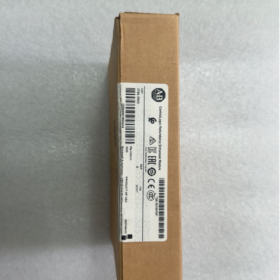

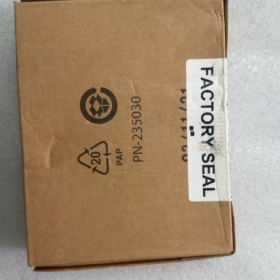
ข้อมูลพื้นฐาน
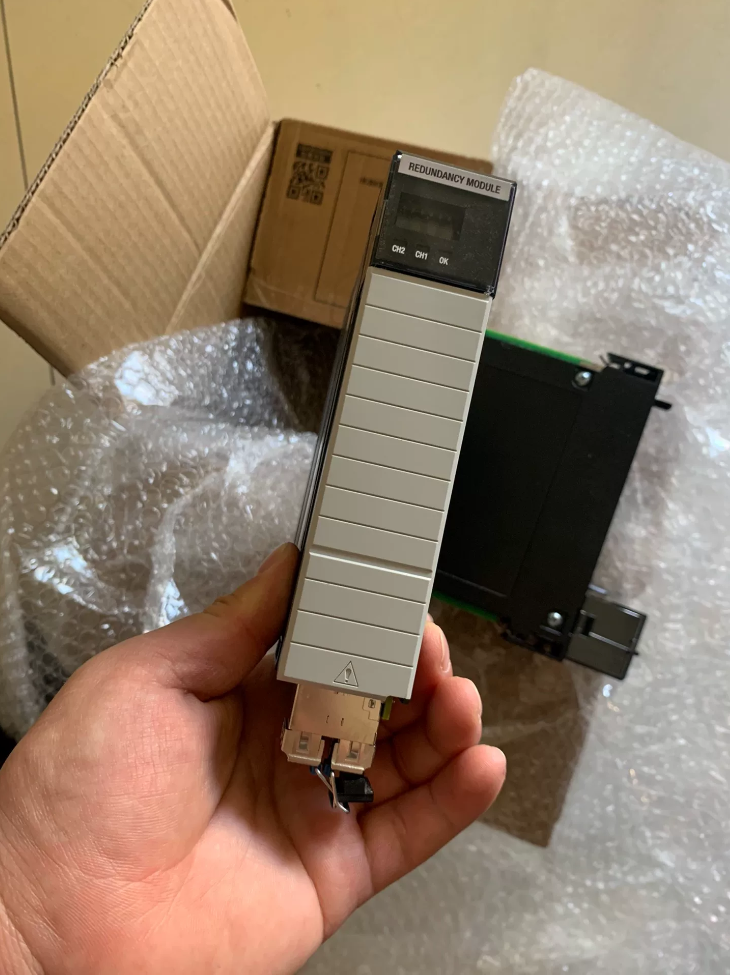
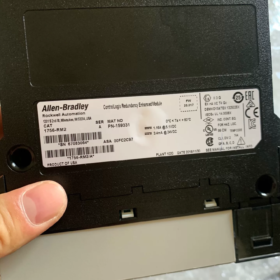
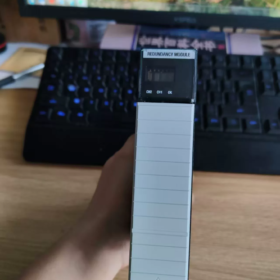
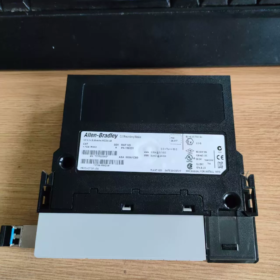
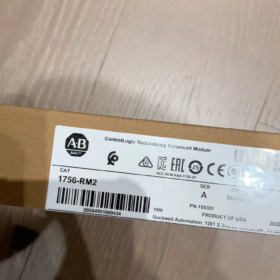
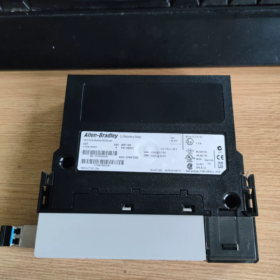
ชื่อเต็ม: 1756‑โมดูลสำรองที่ได้รับการปรับปรุง RM2 ControlLogix
ยี่ห้อ: อัลเลน-แบรดลีย์ (ร็อคเวลล์ ออโตเมชั่น)
แพลตฟอร์ม: คอนโทรลโลจิกซ์ 1756 ซีรีย์แชสซี
การวางตำแหน่ง: โมดูลการซิงโครไนซ์คอนโทรลเลอร์สำรองที่ได้รับการปรับปรุงสำหรับการสร้างระบบสำรองสำรองแบบ Hot-Standby ระดับคอนโทรลเลอร์
วงจรชีวิต: เป็นผู้ใหญ่ที่กระตือรือร้น (ระยะผู้ใหญ่, อุปทานปกติ, มีประโยชน์)
ฟังก์ชั่นหลัก
ต้องใช้เป็นคู่ (1 โมดูลในแชสซีหลัก + 1 โมดูลในแชสซีรอง), ทำสิ่งต่อไปนี้ให้สำเร็จผ่านลิงค์ไฟเบอร์ออปติก:
- การซิงโครไนซ์แบบเรียลไทม์ความเร็วสูงของโปรแกรมคอนโทรลเลอร์หลัก/รอง, แท็ก, สถานะของงาน, และข้อมูล I/O
- การตรวจสอบสถานะการปฏิบัติงานของผู้ควบคุมหลัก
- การสลับอัตโนมัติแบบไม่มีสะดุดเมื่อเกิดข้อผิดพลาด (เวลาเปลี่ยนผ่านทั่วไป < 100 นางสาว)
⚠️ ไม่สามารถทำงานเป็นโมดูลเดียวได้; จะต้องไม่ผสมกับ 1756‑RM รุ่นเก่า — ทั้งสองแชสซีต้องใช้ RM2.
ข้อมูลจำเพาะทางเทคนิคที่สำคัญ
| พารามิเตอร์ | ข้อมูลจำเพาะ |
| พลังแบ็คเพลน | 1.16 เอ @ 5.1 ในดีซี; 3.4 มะ@ 24 ในดีซี |
| การใช้พลังงานสูงสุด | 6 ว |
| แบนด์วิธการซิงโครไนซ์ | 1 Gbps (ลิงค์ไฟเบอร์กิกะบิต) |
| อินเตอร์เฟซไฟเบอร์ | ช่องไฟเบอร์ SFP คู่ (ช่อง A/B, การเชื่อมโยงซ้ำซ้อน) |
| สายไฟเบอร์ที่ใช้ร่วมกันได้ | 1756−RMC1 (1 ม), 1756−RMC3 (3 ม), 1756−RMC10 (10 ม) |
| อุณหภูมิในการทำงานมาตรฐาน | -20 องศาเซลเซียส ~ +70 องศาเซลเซียส |
| น้ำหนัก | data 0.3 กก |
| การรับรองความปลอดภัย | รองรับสถานการณ์การใช้งาน SIL2 |
รุ่นต่างๆ
- 1756−RM2 (มาตรฐาน): สำหรับใช้ภายในอาคารในตู้ควบคุมทั่วไป
- 1756RM2XT (ขยายอุณหภูมิ): -40 องศาเซลเซียส ~ +70 องศาเซลเซียส, สำหรับตู้กลางแจ้ง/ไม่มีเครื่องปรับอากาศ; ต้องใช้กับแชสซีซีรีส์ XT
กฎการจับคู่: RM2 ↔ RM2; RM2XT ↔ RM2XT; ไม่อนุญาตให้ผสมข้าม
รายการคอนโทรลเลอร์ที่เข้ากันได้
รองรับเฉพาะ ControlLogix 5560 / 5570 ชุด:
1756−L71, L72, L73, L74, L75
1756-L61, L62, L63
มีข้อกำหนดเวอร์ชันเฟิร์มแวร์ขั้นต่ำ; โปรดดูคู่มือการสำรองอย่างเป็นทางการ. 5580 (L8x) ไม่ได้ใช้ 1756‑RM2; ใช้ 1756‑RM3 แทน.
1756−RM2 เทียบกับ. รุ่นเก่า 1756‑RM
| รายการ | 1756−RM2 (ความซ้ำซ้อนที่เพิ่มขึ้น) | 1756------อาร์เอ็ม (ความซ้ำซ้อนแบบดั้งเดิม) |
| ความเร็วในการซิงค์ | 1000 เมกะบิตต่อวินาที | 100 เมกะบิตต่อวินาที |
| ความสามารถในการซิงโครไนซ์ข้อมูล | รองรับปริมาณแท็กที่มากขึ้น, รอบการสแกนเร็วขึ้น | ประสบปัญหากับการซิงโครไนซ์ปริมาณข้อมูลขนาดใหญ่ |
| ไฟเบอร์ลิงค์ | ไฟเบอร์ซ้ำซ้อนคู่ | ลิงค์เดียว |
| การผสม | ไม่สามารถจับคู่กับ RM | ไม่สามารถจับคู่กับ RM2 ได้ |
| แนะนำสำหรับโครงการใหม่ | ✅ชอบ | ❌ บำรุงรักษาระบบเดิมเท่านั้น |
การกำหนดค่าความซ้ำซ้อนขั้นต่ำ – สถาปัตยกรรมฮาร์ดแวร์
2 × 1756‑RM2
2 ตัวควบคุมซ้ำซ้อนของรุ่นและเฟิร์มแวร์เดียวกัน
2 ชุดของ 1756 แชสซี, 2 แหล่งจ่ายไฟ
โมดูลการสื่อสารทั้งหมดในแชสซีหลักและรองจะต้องจับคู่แบบหนึ่งต่อหนึ่ง (รุ่นเดียวกัน, เฟิร์มแวร์เดียวกัน)
สายเคเบิลไฟเบอร์ 1756‑RMCxx หนึ่งคู่เชื่อมต่อโมดูล RM2 สองตัว
ข้อมูลจำเพาะบังคับในการติดตั้ง
- ต้องติดตั้งโมดูล RM2 ทั้งสองโมดูลในหมายเลขช่องเดียวกันในแชสซีทั้งสอง;
- ลิงค์ไฟเบอร์เชื่อมต่อโมดูล RM2 สองตัวโดยตรง - ไม่มีสวิตช์อยู่ระหว่างนั้น;
- โมเดลโมดูลและเวอร์ชันเฟิร์มแวร์ทั้งหมดในแชสซีหลักและรองจะต้องเหมือนกันทุกประการ;
- รัศมีโค้งงอของเส้นใยขั้นต่ำ ≥ 30 มม; พอร์ต SFP ที่ไม่ได้ใช้จะต้องติดตั้งฝาปิดกันฝุ่น.
การกำหนดค่าซอฟต์แวร์
ซอฟต์แวร์การเขียนโปรแกรม: สตูดิโอ 5000 นักออกแบบ Logix
เครื่องมือสหาย: RMCT (เครื่องมือกำหนดค่าโมดูลสำรอง)
โหมดความซ้ำซ้อน: ความซ้ำซ้อนที่เพิ่มขึ้น
อุตสาหกรรมการใช้งานทั่วไป
ความร้อน/พลังน้ำ, ปิโตรเคมี, การบำบัดน้ำ, การขนส่งทางรถไฟ, สายการผลิตขนาดใหญ่, การควบคุม DCS — กระบวนการต่อเนื่องที่ไม่สามารถทนต่อการหยุดทำงาน.
คำจำกัดความของตัวบ่งชี้ LED (แผงด้านหน้าโมดูล)
ตกลง: พลังงานของโมดูลและแบ็คเพลนเป็นเรื่องปกติ
ชอ / ชบ: สถานะของลิงค์ไฟเบอร์ออปติกทั้งสอง
ซิงค์: สถานะการซิงโครไนซ์หลัก/รอง
จุดแก้ไขปัญหาทั่วไป
- ไฟ LED ซิงค์ปิดอยู่: ไฟเบอร์แตก, ขั้วต่อสกปรก, โมเดลโมดูลไม่ตรงกันที่ปลายทั้งสองข้าง, ตำแหน่งสล็อตที่ไม่สอดคล้องกัน;
- การสับเปลี่ยนบ่อยครั้ง: เวอร์ชันเฟิร์มแวร์ไม่สอดคล้องกัน, กำลังแบ็คเพลนไม่เพียงพอ, การลดทอนของเส้นใยมากเกินไป;
- ไม่สามารถเข้าสู่สถานะที่ผ่านการรับรองได้: มีโมดูลที่เข้ากันไม่ได้ในแชสซี.
1756-RM3 ความสัมพันธ์ทดแทนที่สมบูรณ์ & หมายเหตุความเข้ากันได้ (เทียบกับ. 1756-2 ริงกิต, มุ่งเน้นไปที่คอนโทรลเลอร์ L8)
- เส้นสีแดงที่เข้ากันได้กับคอร์ฮาร์ด (กฎบังคับอย่างเป็นทางการ)
ไม่อนุญาตให้จับคู่ข้ามรุ่น!
- 1756-2 ริงกิต / RM2XT
✅รองรับ: 5570 (L7x) ตัวควบคุม
❌ ไม่แนะนำอย่างเป็นทางการสำหรับโครงการใหม่ที่มี L8x (5580); L8+RM2 ที่มีอยู่เป็นโซลูชันความเข้ากันได้ในช่วงเปลี่ยนผ่าน และไม่ได้รับการรองรับฟีเจอร์ใหม่
❌ ไม่สามารถจับคู่กับ RM3 ได้อย่างแน่นอน (หนึ่ง RM2 + RM3 หนึ่งรายการไม่สามารถสร้างการซิงโครไนซ์ความซ้ำซ้อนได้)
- 1756-3 ริงกิต / 1756-RM3XT (แบบจำลองอุณหภูมิขยาย)
✅ การสนับสนุนพื้นเมือง: 5580 (L8xEP), 5570 (L7x), 5590 คอนโทรลเลอร์รุ่นต่อไป
✅ โมดูลมาตรฐานที่กำหนดอย่างเป็นทางการสำหรับระบบสำรองซีรีส์ L8
❌ ไม่สามารถจับคู่กับ RM2/RM2XT ได้
การจับคู่กฎเหล็ก:
RM2 ↔ RM2; RM2XT ↔ RM2XT
RM3 ↔ RM3; RM3XT ↔ RM3XT
ห้ามจับคู่ข้ามโดยเด็ดขาด
- แผนงานการทดแทนรุ่น
เส้นทาง 1: การเลือกโครงการใหม่ (ที่ต้องการ)
L7x (5570) โครงการใหม่: เลือก 1756-RM2 หรือ 1756-RM3
L8x (5580) โครงการใหม่: การเลือกภาคบังคับของ 1756-RM3; ไม่แนะนำให้ใช้ RM2 อีกต่อไป
กลยุทธ์ผลิตภัณฑ์ระยะยาวของ Rockwell: RM3 เป็นการอัปเกรดรุ่นถัดไปสำหรับ RM2; คุณสมบัติใหม่ในอนาคตจะทำซ้ำใน RM3 เท่านั้น
เส้นทาง 2: การโยกย้ายการอัพเกรดระบบที่มีอยู่
สถานการณ์ A: L7x ที่มีอยู่ + 1756-ระบบ RM2
ไม่สามารถดำเนินการอัปเกรดการเปลี่ยนโมดูลเดี่ยวแบบออนไลน์ได้โดยตรง
เลือกหนึ่งในสองตัวเลือก:
- ปิดเครื่องและเปลี่ยนโมดูล RM2 ทั้งสอง → เปลี่ยนเป็นคู่กับ 1756-RM3; แชสซีและ CPU สามารถคงอยู่ที่ L7x ได้; ดาวน์โหลดการกำหนดค่าซ้ำซ้อนอีกครั้ง
- วิ่งต่อไปด้วย RM2, จัดซื้อ RM2 เป็นอะไหล่เท่านั้น (บันทึก: ระยะที่สมบูรณ์ของวงจรชีวิต)
สถานการณ์ B: การอัพเกรดคอนโทรลเลอร์การย้ายจาก L7x เป็น L8x
⚠️สำคัญ: คอนโทรลเลอร์ L8 ไม่สามารถพกพาผ่านโมดูล RM2 ที่มีอยู่ได้โดยตรง (ความเสี่ยงทางวิศวกรรมสูง)
โซลูชันการโยกย้ายมาตรฐาน:
L7 + RM2 → การปรับปรุงทั้งระบบ: แทนที่คอนโทรลเลอร์ด้วย L8x + แทนที่โมดูลสำรองเป็นคู่กับ 1756-RM3
III. ความแตกต่างที่สำคัญ: 1756-RM3 เทียบกับ. 1756-2 ริงกิต (พื้นฐานการคัดเลือก)
| รายการเปรียบเทียบ | 1756-2 ริงกิต | 1756-3 ริงกิต |
| อินเตอร์เฟซไฟเบอร์ | โมดูลออปติคอลแบบรวมคงที่, ต้องใช้สายเคเบิลเฉพาะ 1756-RMCxx | โมดูล SFP แบบถอดเปลี่ยนได้ทันที (อินเตอร์เฟซแอลซี), การเลือก SFP แบบมัลติโหมด/โหมดเดี่ยวที่ยืดหยุ่น |
| ระยะทางไฟเบอร์สูงสุด | สายเคเบิลจากโรงงานสูงสุด 10 ม | ขึ้นไป 70 กม. ด้วย SFP ระยะไกล, เหมาะสำหรับแชสซีที่แยกทางไกล |
| ซีพียูที่เข้ากันได้ | L6x, L7x; รองรับ L8 (หัวต่อหัวเลี้ยว) | ความเข้ากันได้เต็มรูปแบบกับ L7x, L8x (5580), 5590; การเพิ่มประสิทธิภาพดั้งเดิมสำหรับ L8 |
| ความสามารถในการวินิจฉัย | สัญญาณเตือนพื้นฐาน | การบันทึกบันทึกข้อผิดพลาดของการ์ด microSD ในตัว, การวินิจฉัยลิงก์ที่ได้รับการปรับปรุง, การตรวจสอบพลังงานใยแก้วนำแสง |
| แบนด์วิธการซิงค์ซ้ำซ้อน | 1 Gbps | 1 Gbps, ปรับให้เหมาะสมเพื่อประสิทธิภาพการซิงค์แท็กขนาดใหญ่ L8 |
| เวอร์ชันซอฟต์แวร์ขั้นต่ำ | สตูดิโอ 5000 V28+ | สตูดิโอ 5000 V33.00 และสูงกว่า |
| เวอร์ชันอุณหภูมิขยาย XT | 1756-RM2XT | 1756-RM3XT (-25 ~ +70 องศาเซลเซียส) |
| สายไฟเบอร์ | ต้องซื้อ 1756-RMC1/RMC3/RMC10 โดยเฉพาะ | ไม่จำเป็นต้องใช้สายเคเบิลเฉพาะ; ไฟเบอร์ LC มาตรฐาน + SFP ที่ตรงกัน |
- รายการการกำหนดค่าบังคับสำหรับ L8 (5580) ระบบควบคุมความซ้ำซ้อน (ใช้ RM3)
- คู่: 2 × 1756-RM3 (หรือจับคู่ RM3XT)
- ซีพียู: รุ่นเดียวกัน L8xxEP / L8xxEPXT (ประถมศึกษาและมัธยมศึกษาเหมือนกันอย่างสมบูรณ์)
- แชสซี: รุ่นเดียวกันสำหรับประถมศึกษาและมัธยมศึกษา; RM3 ติดตั้งอยู่ในหมายเลขสล็อตเดียวกันทุกประการ
- โมดูลการสื่อสาร: โมดูลในแชสซีทั้งสองจับคู่กันแบบหนึ่งต่อหนึ่ง, เวอร์ชันเฟิร์มแวร์แบบรวม
- โมดูล SFP: โมดูล RM3 ทั้งสองต้องใช้โมเดล SFP เดียวกัน; การเชื่อมต่อไฟเบอร์โดยตรง, ไม่อนุญาตให้ใช้สวิตช์รีเลย์
- ซอฟต์แวร์: สตูดิโอ 5000 ≥V33
- การชี้แจงความเข้าใจผิดทางวิศวกรรมทั่วไป
- ❌ความเข้าใจผิด: “ฉันมีคอนโทรลเลอร์ L8 อยู่แล้ว, เพียงซื้อ RM2 และมันจะใช้งานได้”
✅ข้อเท็จจริง: สามารถทำงานในระดับฮาร์ดแวร์ได้, แต่มันเป็นโซลูชันความเข้ากันได้แบบเปลี่ยนผ่าน; การวินิจฉัย RM3 ใหม่และคุณสมบัติไฟเบอร์ระยะไกลไม่พร้อมใช้งาน; ไม่แนะนำอย่างเป็นทางการสำหรับโครงการใหม่; มีความเสี่ยงด้านความเข้ากันได้กับการอัพเกรดเฟิร์มแวร์ในอนาคต.
- ❌ความเข้าใจผิด: หนึ่ง RM2 และหนึ่ง RM3 สามารถสร้างคู่สำหรับความซ้ำซ้อนได้
✅ข้อเท็จจริง: ไม่สามารถซิงโครไนซ์ได้อย่างสมบูรณ์; ระบบไม่สามารถเข้าสู่สถานะ Qualify ready; อย่าพยายาม
- ❌ความเข้าใจผิด: RM3 สามารถใช้สายเคเบิลไฟเบอร์ RM2 ที่มีอยู่ 1756-RMC ได้โดยตรง
✅ข้อเท็จจริง: อินเทอร์เฟซเข้ากันไม่ได้! RM3 ใช้อินเทอร์เฟซ SFP LC มาตรฐาน และไม่สามารถใช้สายเคเบิลซีรีส์ RMC เฉพาะ RM2 ได้.
- คำแนะนำในการจัดหาชิ้นส่วนอะไหล่
- โครงการซ้ำซ้อน L8 ใหม่: จัดซื้อ 1756-RM3 โดยตรง (เลือก RM3XT สำหรับสภาพแวดล้อมที่มีอุณหภูมิขยาย)
- L7 ที่มีอยู่ + ระบบ RM2: จัดซื้อ RM2 ต่อไปเป็นอะไหล่; วางแผนการอัพเกรดแบบจับคู่ครั้งเดียวเป็น RM3 ในระหว่างการวางแผนการติดตั้งเพิ่มเติม
- การวางแผนระยะยาว: จัดลำดับความสำคัญ RM3 สำหรับระบบสำรองใหม่ทั้งหมด; RM2 ค่อยๆ วางตำแหน่งเป็นอะไหล่บำรุงรักษาแบบเดิม
Allen‑Bradley 1756‑RM3 ข้อมูลจำเพาะทางเทคนิคโดยละเอียดครบถ้วน
ข้อมูลพื้นฐาน
แบบอย่าง: 1756-3 ริงกิต (มาตรฐาน) / 1756-RM3XT (ขยายอุณหภูมิรุ่น XT)
ชื่อเต็ม: โมดูลสำรอง ControlLogix ระดับพรีเมียม
แพลตฟอร์ม: คอนโทรลโลจิกซ์ 1756 แชสซี
การวางตำแหน่ง: โมดูลสำรองมาตรฐานอย่างเป็นทางการสำหรับ 5580 (L8xEP) ตัวควบคุม; เข้ากันได้กับ L7x ย้อนหลัง (5570) ตัวควบคุม
กฎการจับคู่บังคับ: ใช้เป็นคู่; RM3 ↔ RM3; RM3XT ↔ RM3XT; ห้ามมิให้ผสมคู่กับ RM2/RM2XT โดยเด็ดขาด
- พารามิเตอร์ทางไฟฟ้า (พลังแบ็คเพลน)
| พารามิเตอร์ | 1756-3 ริงกิต / 1756-RM3XT |
| 5.1 กระแสแบ็คเพลน V DC | 1.18 ก |
| 24 กระแสแบ็คเพลน V DC | 3.4 มิลลิแอมป์ |
| การใช้พลังงานสูงสุด | data 6.2 ว |
| สล็อตโมดูล | โมดูลช่องเดียว, ตรงบริเวณ 1 สล็อตเข้า 1756 แชสซี |
| สลับร้อน | รองรับแชสซีแบบ Hot-swap (ไม่แนะนำให้ลบออกทีละรายการระหว่างการดำเนินการซ้ำซ้อน) |
- อินเตอร์เฟซการสื่อสารไฟเบอร์ (ความแตกต่างที่สำคัญจาก RM2)
- ช่อง: สล็อต SFP อิสระคู่ (ลิงค์1 / ลิงค์2, การเชื่อมโยงซ้ำซ้อน)
- ประเภทอินเทอร์เฟซ: มาตรฐานอุตสาหกรรม SFP, อินเทอร์เฟซไฟเบอร์ LC ดูเพล็กซ์
❗ ไม่สามารถใช้สายเคเบิล RM2 เฉพาะด้าน ซีรีส์ 1756‑RMCxx ได้
- ความเร็วในการซิงค์: 1000 เมกะบิตต่อวินาที (กิกะบิต)
- รองรับ SFP (เข้ากันได้อย่างเป็นทางการ)
SFP มัลติโหมด: ระยะทางสั้นๆ (≤ 2 กม), 850 นาโนเมตร
โหมดเดียว SFP LX: 1310 นาโนเมตร, ขึ้นไป 10 กม
SFP โหมดเดียวระยะไกล: ขึ้นไป 70 กม (เหมาะสำหรับสถานการณ์การแยกแชสซีหลัก/รองในระยะไกล)
- ข้อกำหนดบังคับโทโพโลยี: โมดูล RM3 สองโมดูลเชื่อมต่อโดยตรงผ่านไฟเบอร์; ไฟเบอร์จะต้องไม่ผ่านสวิตช์หรือตัวรับส่งสัญญาณแสงเป็นตัวกลาง
- รัศมีโค้งงอของไฟเบอร์ขั้นต่ำ: ≥ 30 มม
III. รายการคอนโทรลเลอร์ที่เข้ากันได้
✅ รองรับระบบ Native เต็มรูปแบบ
1756-L81อีพี, L83อีพี, L85อีพี (5580 ตัวควบคุมมาตรฐาน)
1756-L81EPXT, L83EPXT, L85EPXT (ตัวควบคุมอุณหภูมิแบบขยาย XT)
1756-L71/L72/L73/L74/L75 (5570 ซีรีย์ L7)
✅ ใช้งานร่วมกับอุปกรณ์ควบคุมความปลอดภัย GuardLogix L8x
❌ ไม่รองรับคอนโทรลเลอร์ L6x แบบเดิม; ไม่รองรับการจับคู่กับ RM2 เพื่อความซ้ำซ้อน
- ข้อมูลจำเพาะด้านสิ่งแวดล้อม
| พารามิเตอร์ | 1756-3 ริงกิต (มาตรฐาน) | 1756-RM3XT (ขยายอุณหภูมิ) |
| อุณหภูมิในการทำงาน | 0 องศาเซลเซียส ~ +60 องศาเซลเซียส | -25 องศาเซลเซียส ~ +70 องศาเซลเซียส |
| อุณหภูมิการจัดเก็บ/การขนส่ง | -40 องศาเซลเซียส ~ +85 องศาเซลเซียส | -40 องศาเซลเซียส ~ +85 องศาเซลเซียส |
| ความชื้นสัมพัทธ์ | 5% ~ 95%, ไม่ควบแน่น | 5% ~ 95%, ไม่ควบแน่น |
| ระดับการป้องกัน | IP20 (การติดตั้งตู้เท่านั้น) | IP20 |
| การสั่นสะเทือน IEC 60068-2-6 | 2ก, 10 ~ 500 เฮิรตซ์ | 2ก, 10 ~ 500 เฮิรตซ์ |
| ช็อก (การดำเนินงาน) | 30ก | 30ก |
- ขนาดและน้ำหนักทางกล
ฟอร์มแฟคเตอร์: มาตรฐาน 1756 โมดูลช่องเดียว
ขนาด: 38.1 มม (ว) × 152.4 มม (ชม) × 130 มม (ดี)
น้ำหนักสุทธิ: data 0.30 กก
- ตัวบ่งชี้ HMI และ LED
- 4-จอแสดงผลดิจิตอลตัวเลข: แสดงสถานะของโมดูล, รหัสข้อผิดพลาด, ข้อมูลลิงค์
- ไฟ LED แสดงสถานะ
ตกลง: แหล่งจ่ายไฟของโมดูล, การสื่อสารแบ็คเพลนปกติ
ลิงค์1 / ลิงค์2: สถานะของลิงก์ไฟเบอร์ SFP ทั้งสองลิงก์
สุทธิ: สถานะเครือข่ายการซิงโครไนซ์ซ้ำซ้อน
MOD: บทบาทความซ้ำซ้อน / สถานะการซิงโครไนซ์
MOD solid on = ตัวควบคุมหลัก; กระพริบ = สแตนด์บาย; กระพริบเร็ว = ซิงค์ผิดปกติ / ไม่พร้อม
ปกเกล้าเจ้าอยู่หัว. ข้อกำหนดซอฟต์แวร์และเฟิร์มแวร์
ซอฟต์แวร์การเขียนโปรแกรม: สตูดิโอ 5000 Logix Designer V33.00 ขึ้นไป
เครื่องมือสหาย: เครื่องมือกำหนดค่าโมดูลสำรอง (RMCT) บูรณาการภายในสตูดิโอ 5000
โหมดความซ้ำซ้อน: ความซ้ำซ้อนที่เพิ่มขึ้น
เวลาเปลี่ยนข้อผิดพลาดทั่วไป: < 100 นางสาว (ขึ้นอยู่กับขนาดโปรแกรมของผู้ใช้)
8. การปรับปรุงการจัดเก็บและการวินิจฉัย (พิเศษ RM3, ไม่มีให้บริการใน RM2)
- ช่องเสียบการ์ด MicroSD ในตัว: สามารถบันทึกบันทึกการสลับระบบสำรองได้, ข้อผิดพลาดของลิงก์, เหตุการณ์ความผิดปกติของพลังงานแสง
- การวินิจฉัยพลังงานแสงไฟเบอร์แบบเรียลไทม์, คำเตือนล่วงหน้าเกี่ยวกับการลดทอนของเส้นใยและอายุ
- การวินิจฉัยเวลาการซิงโครไนซ์ที่ได้รับการปรับปรุง, การค้นหาคอขวดของการซิงโครไนซ์แท็ก
- รองรับการตรวจสอบคุณภาพลิงค์ออนไลน์
- การรับรองอุตสาหกรรม
UL จดทะเบียน, ค-UL-US, ซีเอสเอ, ซีอี (EN61131-2, EN61326)
สาขาวิชาที่ 1. 2 การรับรองพื้นที่อันตราย (จับคู่ระบบ XT ที่สอดคล้องกัน)
- สรุปการเปรียบเทียบพารามิเตอร์ที่สำคัญ: 1756-RM3 เทียบกับ. 1756-2 ริงกิต
| รายการ | 1756-2 ริงกิต | 1756-3 ริงกิต |
| Optical Interface | Integrated fixed optical module, dedicated 1756-RMC cable | Hot-swappable SFP LC universal fiber |
| ระยะทางไฟเบอร์สูงสุด | สายเคเบิลจากโรงงานสูงสุด 10 ม | ขึ้นไป 70 km via SFP |
| L8 Controller Compatibility | Transitional compatibility, not recommended for new projects | Native standard, full feature set |
| Diagnostic Logging | No SD card logging | Built-in SD card fault recording, optical power monitoring |
| Minimum Studio 5000 เวอร์ชัน | V28 | V33 |
| Pairing Partner | RM2/RM2XT only | RM3/RM3XT only |
- Engineering Installation Mandatory Specifications
- Both RM3 modules in primary and secondary chassis must be installed in exactly the same slot number
- All module models and firmware versions in primary and secondary chassis must correspond one-to-one
- SFP module models must be consistent at both ends; พอร์ต SFP ที่ไม่ได้ใช้จะต้องติดตั้งฝาปิดกันฝุ่น
- XT systems must be fully XT: RM3XT + XT chassis + XT controller; standard modules cannot be mixed in


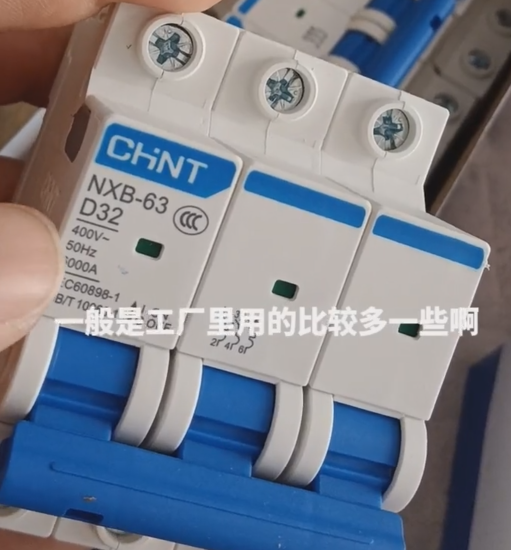
NH42-63-318x560.png "สวิตช์ถ่ายโอนอัตโนมัติชนิด CHINT PC (เอทีเอส)NH42-63/4SZ")