Schütz,Leistungsschalter,Sensor,Encoder,SPS,Konverter

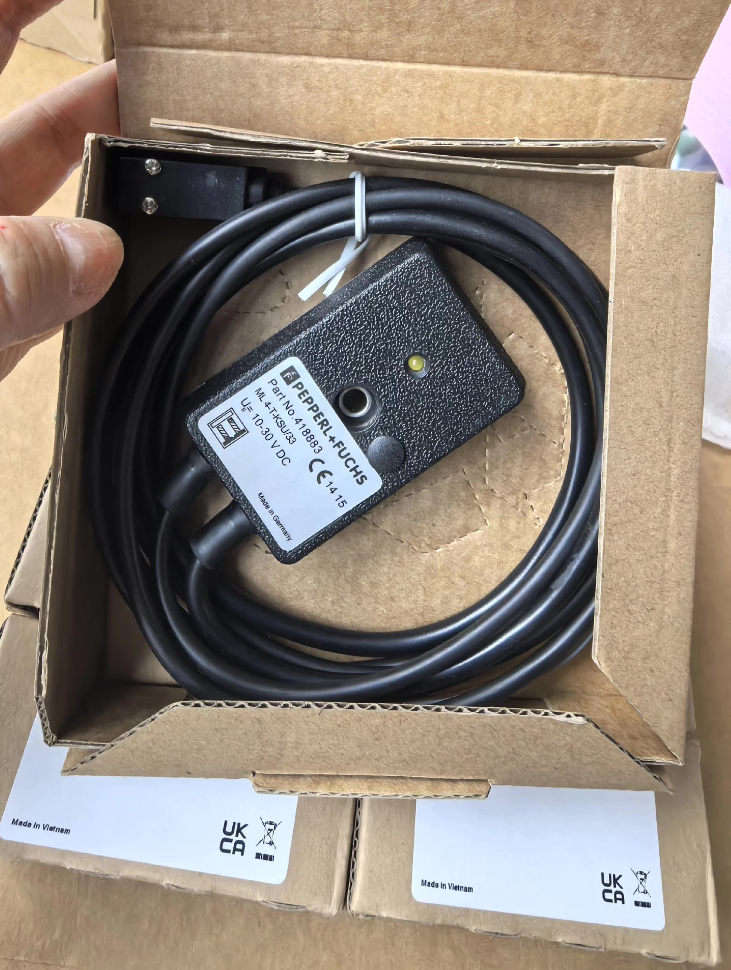


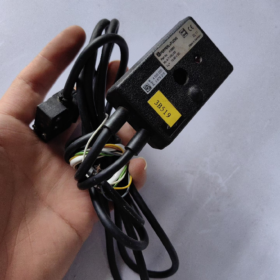
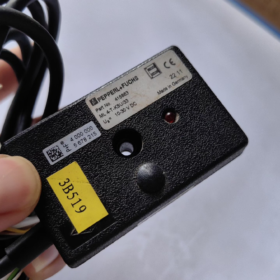
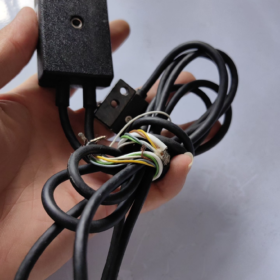
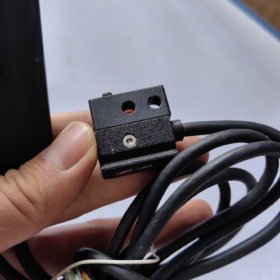
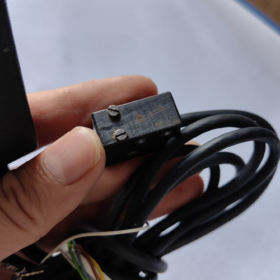
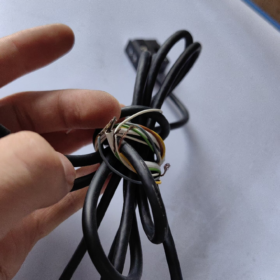
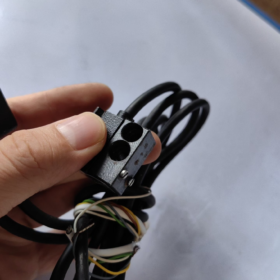
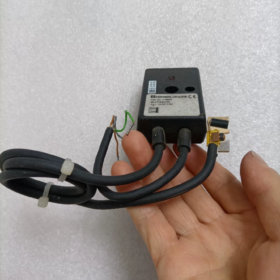
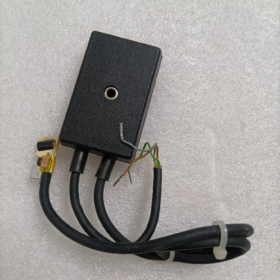
(Bestell-Nr.: ML4-T-KSU/33)
Status: Vom Hersteller eingestellt (Veraltet). Es sind keine brandneuen OEM-Zubehörteile verfügbar; Auf dem Markt sind nur gebrauchte/überholte Geräte im Umlauf.
Produkttyp: Diffuse Reflexion Fotoelektrischer Sensor (Visolux ML4-Serie)
Teile-Nr.: 418883, Vollständiges Modell: ML4-T-KSU/33
Kernelektrik & Mechanische Parameter
| Artikel | Spezifikation |
| Versorgungsspannung | 10-30 V Gleichstrom |
| Erkennungsprinzip | Diffuse Reflexion (direkte Erkennung) |
| Lichtquelle | Infrarot-LED |
| Ausgabetyp | PNP, Push-Pull |
| Gehäuse | Kompaktes quadratisches Kunststoffgehäuse, ältere ML4-Serie |
| Schutz vor Eindringen | IP67 |
| Verbindung | Fest vorkonfektioniertes Kabel |
| Gewicht | Ca. 150 G |
Modellcode-Dekodierung für ML4-T-KSU/33
- ML4: Legacy Visolux ML4 kompakte fotoelektrische Sensorserie
- T: Erkennung diffuser Reflexion (Direkterkennung)
- KSU: Code für die Ausgabe, Verkabelung und Funktionen (PNP-Ausgang, Kabelausgang)
- /33: Suffix für Version / Spezifikation des Erfassungsbereichs
- 418883: Eindeutige interne Pepperl+Fuchs-Teilenummer
Funktionsprinzip
Die infrarotmodulierte LED strahlt Licht aus, welches vom Zielobjekt zurück zum Empfänger reflektiert wird. Die Sensorschaltung wertet die Intensität des zurückkommenden Lichts aus und liefert ein PNP-Schaltsignal. Keine Hintergrundausblendung, Die Leistung wird stark durch Reflexionen von Hintergrundobjekten beeinträchtigt.
Typische Anwendungen
Verpackungsmaschinen, Objekterkennung auf Förderstrecken, Teilezählung, Türsteuerung und Positionserkennung für Kompaktgeräte.
⚠️ Auswahlfallen & Ersatzempfehlungen
- Kein direkter OEM-Ersatz. Die gesamte ältere ML4-Serie wird eingestellt. Ein direkter Pin-zu-Pin-Austausch ist nicht möglich. Anordnung der Befestigungslöcher, Erfassungsbereich, Ausgangstyp und Verdrahtungsform müssen überprüft werden.
- Bevorzugte Upgrade-Serie: ML4.2-Serie (Kompakte quadratische fotoelektrische Sensoren der neuen Generation)
Referenzalternative: ML4.2-8-KSU-R (diffuse Reflexion, PNP, Kabelausgang). Überprüfen Sie den Erfassungsbereich und die Montagemaße.
Für M8-Steckerversion: ML4.2-8-KSU-V-R.
- Erinnerungen an Randbedingungen
ML4-T-KSU/33 verfügt über keine Hintergrundunterdrückung. Für Websites mit reflektierendem Hintergrund, Wählen Sie während des Upgrades ein Hintergrundunterdrückungsmodell aus.
Das ältere Gerät verwendet einen festen Kabelausgang; Die neue Serie ist sowohl in Kabel- als auch in M8-Steckervarianten erhältlich. Bestätigen Sie vor der Beschaffung das Verkabelungsformular.
- Risiken gebrauchter/überholter Geräte: Für abgekündigte Teile besteht keine Herstellergarantie. LED-Alterung und Empfindlichkeitsdrift sind wahrscheinlich. Für sicherheitskritische Positionen nicht empfohlen.
Originalinhalt der Werksverpackung
Sensor-Haupteinheit ×1 (mit vormontiertem Kabel)
Gedrucktes Datenblatt ×1
Montagehalterung nicht im Lieferumfang enthalten; Die Halterung ist eine individuell zu bestellende Option.
Erfassungsbereich von ML4-T-KSU/33 (418883)
Die Produktion dieses Modells wurde eingestellt und das ursprüngliche Datenblatt wurde aus dem öffentlichen Zugriff entfernt. Die folgenden Spezifikationen stammen aus älteren Pepperl+Fuchs ML4-Katalogen, Übersee-Vertriebsarchive und Daten zu homologen Serien:
- Standardmäßiges weißes Ziel (100×100mm, 90 % Reflektivität): 0-1000 mm (0-1 M) effektiver Erfassungsbereich bei diffuser Reflexion.
- Keine Hintergrundausblendung, fester Gewinn (nicht einstellbare Empfindlichkeit). Das Suffix „/33“ bezeichnet eine feste Empfindlichkeit; kein Potentiometer eingebaut.
- Minimaler Blindbereich für die Erkennung: 0 mm (Auslösbar aus nächster Nähe).
⚠️ Kritische Hinweise
Für Schwarz / Ziele mit geringem Reflexionsvermögen, der praktische Arbeitsbereich verringert sich deutlich. Schwarze Objekte erreichen typischerweise nur 30–40 % der Nennreichweite, ca. 300-400 mm.
Ohne Hintergrundausblendung, Reflektierende Objekte hinter dem Sensor führen zu Fehlauslösungen.
`/33` = Version mit fester Empfindlichkeit; Potentiometerverstellbare Varianten derselben Serie verwenden unterschiedliche Nachsetzzeichen.
Vergleichstabelle für Legacy-ML4- und ML4.2-Alternativen der neuen Generation
| Modell | Erfassungsbereich | Empfindlichkeitseinstellung | Ausgabe | Bemerkungen |
| ML4-T-KSU/33 (418883) | 0-1000 mm | Behoben, nicht verstellbar | PNP-Push-Pull, Kabelausgang | Auslaufmodell, keine Hintergrundausblendung |
| ML4.2-8-KSU-R | 0-1000 mm | Potentiometer einstellbar | PNP-Push-Pull, Kabelausgang | Empfohlene Alternative, keine Hintergrundausblendung |
| ML4.2-8-H-40-R-R | 10-400 mm | Behoben | PNP-Push-Pull, Kabelausgang | Mit Hintergrundausblendung, für Websites mit reflektierendem Hintergrund |
Funktionsprinzip von Reflexionslichtschranken
Eine diffuse Reflexion (direkt reflektieren) Der Sensor ist eine Variante der Einweglichtschranke. Sender und Empfänger sind in einem Gehäuse integriert. Es ist kein separater Reflektor erforderlich; Die Erkennung basiert auf Licht, das von der Oberfläche des Zielobjekts selbst reflektiert wird.
- Grundlegender optischer Pfad
- Eine interne Emitter-LED (meist moduliertes Infrarotlicht) projiziert einen Strahl nach außen.
- Light strikes the target surface and undergoes diffuse reflection, scattering in all directions.
- A fraction of the reflected light returns to the internal photodetector.
- The receiver converts optical signals into electrical signals. Internal circuitry evaluates whether the incoming light intensity exceeds the threshold.
- Threshold exceeded → switching output turns ON (PNP/NPN conducts). Insufficient returned light → output turns OFF.
✅ Key difference vs through-beam: Through-beam sensors detect light blockage by an object with separated emitter-receiver units. Diffuse-reflection sensors detect light bounced back by the target.
- Two Types of Diffuse-reflection Sensors: Standard vs Background-Suppression (BGS)
① Standard Diffuse-reflection (z.B. ML4-T-KSU/33)
Detection criterion: Total received reflected light energy.
Nachteil: Zielobjekt kann nicht vom Hintergrund unterschieden werden. Metallische Oberflächen oder weiße Wände hinter dem Sensor können Fehlausgaben auslösen. Ziele mit dunkler Farbe oder rauer Oberfläche geben weniger Licht zurück und verringern den effektiven Erfassungsabstand.
ML4-T-KSU/33 gehört zur Standard-Diffusreflexion: keine Hintergrundausblendung, feste, nicht einstellbare Empfindlichkeit.
② Hintergrundunterdrückung (BGS) Diffuse Reflexion
Wendet das Triangulations-Ranging-Prinzip an. Anstatt die Lichtintensität zu bewerten, Es analysiert den Einfallswinkel des zurückkehrenden reflektierten Lichts.
Es werden nur Objekte innerhalb des konfigurierten Entfernungsfensters erkannt. Selbst stark reflektierender Hintergrund außerhalb dieses Fensters wird ignoriert, um falsches Umschalten zu verhindern. Ideal für Installationen in der Nähe von reflektierenden Maschinenrahmen oder Metalloberflächen; höhere Stückkosten.
- Wichtige praktische technische Einflussfaktoren
- Zielfarbe / Reflexionsvermögen: Weißes Papier sorgt für eine gute Reflexion. Schwarzes Gummi oder matte dunkle Oberflächen erzeugen eine schwache Reflexion und verkürzen die praktische Reichweite.
- Einfallswinkel: Richten Sie den Strahl senkrecht zum Ziel aus. Durch die Neigung wird reflektiertes Licht reduziert.
- Erkennung blinder Zone: Einige Sensoren verfügen über eine Blindzone im Nahbereich. ML4-T-KSU/33 hat praktisch keine Blindzone.
- Empfindlichkeit: Versionen mit einstellbarer Verstärkung verwenden ein Potentiometer zum Einstellen der Triggerschwellen. Versionen mit fester Verstärkung sind werkseitig gesperrt; Keine Änderung vor Ort möglich.
- Verdrahtungsdefinition für ML4-T-KSU/33 (PNP-Kabeltyp)
Braun: DC24V+
Blau: 0 V / GND
Schwarz: PNP-Schaltsignalausgang
Restliche Drähte: Nicht verbunden
- Typische Fehlerphänomene & Erklärung der Grundursache
- Keine Reaktion, wenn das Ziel vorhanden ist: Das Ziel ist zu dunkel und weist unzureichende Reflexion auf; falsch ausgerichteter Montagewinkel; LED-Verschlechterung / Altern.
- Kontinuierlicher EIN-Ausgang ohne Ziel: Reflektierender Hintergrund hinter dem Sensor (häufige Einschränkung für die standardmäßige diffuse Reflexion); starkes Umgebungslicht, das direkt auf das Empfängerfenster scheint.
- Instabil / flackerndes Signal: Unebene Zieloberfläche; mechanische Vibration; Staubverschmutzung auf der Sensorlinse.
Anwendungsgebiete für Reflexions-Lichtschranken
Reflexionstaster integrieren Sender und Empfänger, kein Reflektor erforderlich, Ermöglicht eine einfache Installation. Es gibt zwei Hauptkategorien: Standardmäßige diffuse Reflexion und Hintergrundunterdrückung (BGS). Standardtypen sind anfällig für Zielfarben und Hintergrundreflexionen; BGS bietet unabhängig vom Hintergrundreflexionsvermögen eine höhere Stabilität.
- Materialhandhabung & Logistik
Erkennung der Anwesenheit von Förderbändern, Überprüfung des Vorhandenseins von Material, Karton / Taschenzählung
Sortiersysteme: Bestätigung der Paketankunft, Validierung der Schallwandposition, Materialflussüberwachung
Palettenerkennung, Erkennung der Behälterposition, Alarm bei Förderbandstau
Notiz: Verwenden Sie BGS-Modelle für dunkle Kartons. Standard-Diffusreflexion wie ML4-T-KSU/33 leidet unter einer Reichweitenreduzierung auf dunklen Materialien.
- Verpackungsmaschinen (Essen, Pharmazeutisch, Güter des täglichen Bedarfs)
Verpackungsmaschinen: Erkennen Sie das Vorhandensein von Beuteln und Kartons; Bestätigung der Beutelposition
Versiegelung & Etikettiermaschinen: Erkennung der Etikettenankunft, Flaschenpositionserkennung
Kartoniermaschinen: Erkennen Sie fehlende Beilagen oder Zubehör in Kartons
Getränkeproduktionslinien: Flaschenanwesenheits- und Leerflaschenkontrolle
Die Betriebsbedingungen sind häufig mit Staub und Feuchtigkeit verbunden; Schutzart IP67 wird bevorzugt.
- Automobilbau
Teil-in-Position-Erkennung an Komponentenförderstationen
Rohbau- und Endmontagelinien: Erkennung der Anwesenheit von Werkstücken, Behälterüberwachung
Roboter-Pick-and-Place: Bestätigung der Anwesenheit von Rohteilen
Metallreiche reflektierende Hintergründe sind weit verbreitet. BGS-Sensoren mit diffuser Reflexion werden fast überall eingesetzt, um Fehlauslösungen durch Standardeinheiten mit diffuser Reflexion zu vermeiden.
- Werkzeugmaschine & Allgemeine Automatisierung
Automatisches Be- und Entladen von Werkzeugmaschinen: Werkstückpräsenz, Alarm bei leerem Behälter
Presseausrüstung: Bestätigung der Werkstückposition
Kompakte Gerätepositionserkennung, Objekterkennung am Hubende für Zylinder
Umgebungen mit Ölnebel und Schneidstaub erfordern eine regelmäßige Linsenreinigung.
- Lagerung, Automatisierte Lagerung & AGVs
Vorläufige Hinderniserkennung für AGVs (Nur zur allgemeinen Anwesenheitserkennung; NICHT für Sicherheits-Antikollisionsfunktionen)
Automatisierte Materialerkennung auf Lagerregalebene, Kontrolle der Palettenpräsenz an den Lagerorten
Behälter voll / Überwachung des leeren Behälters
- Türsteuerung, Aufzüge & Maschinen für die Leichtindustrie
Automatische Türeinklemmerkennung, Objekterkennung bei Schnelllauftoren
Textilmaschinen: Stoffkantenerkennung und Stoffanwesenheitsüberwachung
Druckmaschinen: Erkennung von Papieranwesenheit und Papiereinzug
- Gummi & Kunststoffindustrie
Erkennung des Teileauswurfs einer Spritzgießmaschine zur Überprüfung des Abwurfs des fertigen Teils
Überwachung der Materialanwesenheit in der Extrusionslinie
✅ Praktischer Auswahlleitfaden & Vermeidung technischer Fallstricke
| Sensortyp | Geeignete Bedingungen | Ungeeignete Bedingungen |
| Standardmäßige diffuse Reflexion (z.B. ML4-T-KSU/33) | Helle Ziele; kein reflektierendes Metall / Wand hinter dem Sensor; konsistente Zielfarbe und stabiler Erfassungsabstand | Installationen in der Nähe von Metallrahmen; dunkle Ziele; Mischfarbenmaterialien; hohes Risiko einer Fehlauslösung |
| BGS-Hintergrundunterdrückung, diffuse Reflexion | Reflektierende Metallhintergründe; gemischte helle/dunkle Ziele; Anforderungen an die stabile Festbereichserkennung | Erkennung über große Entfernungen; spiegelglänzende Werkstücke (anfällig für Streulichtstörungen) |
Szenarien, in denen diffuse Reflexionssensoren nicht empfohlen werden
- Transparente Folien oder Klarglasflaschen (Eine hohe Lichtdurchlässigkeit führt zu unzureichendem reflektiertem Licht; Einweglichtschranken werden bevorzugt).
- Multimeter-Fernerkennung: Retroreflektierend (polarisierte Spiegelreflexion) Empfehlenswert sind Einweg- oder Einweglichtschranken.
Ergänzender Hinweis: Der abgekündigte Standard-Reflexionssensor ML4-T-KSU/33 eignet sich für Zähl- und Positionserkennungsanwendungen auf Förderstrecken mit hellen Werkstücken und nicht reflektierenden Hintergründen. Es wird nicht für Karosserierohbaustationen oder Installationen neben Metallmaschinenrahmen empfohlen.
NH42-63-318x560.png "Automatische Transferschalter vom Typ CHINT PC (ATS)NH42-63/4SZ")