Contattore,interruttore automatico,sensore,Codificatore,PLC,Convertitore

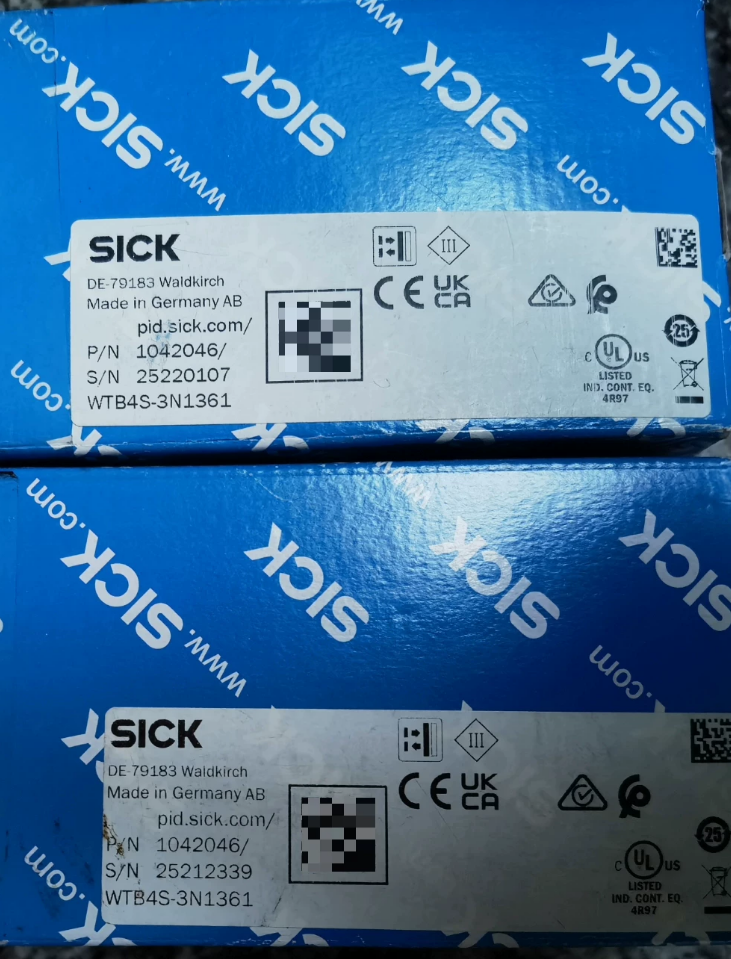

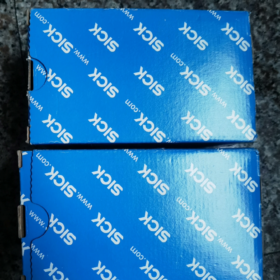
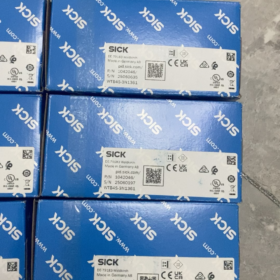
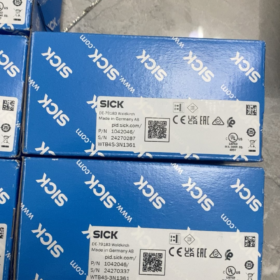
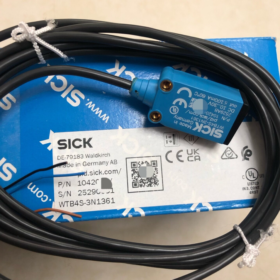
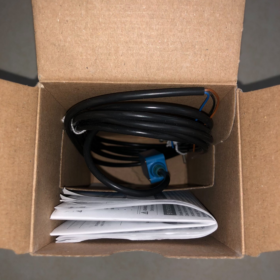
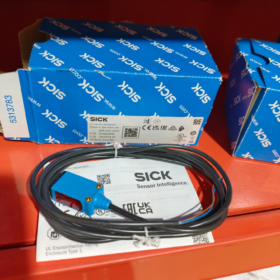
Modello:MALATO Sensore WTB4S-3N1361
N. ordine produttore originale: 1042046
Serie: W4S-3 Miniatura sottile Sensore fotoelettrico (Modello legacy; nuova serie sostitutiva: WTB4SP)
Principio di rilevamento: Riflessione diffusa + Soppressione dello sfondo BGS
Origine: Germania
Posizionamento centrale: Rilevamento di presenza ad alta precisione in spazi ristretti, distinguere i pezzi in primo piano dalle superfici dello sfondo
- Scomposizione del codice modello
WTB4S 3 N 1 361
- WTB: Sensore fotoelettrico a riflessione diffusa con soppressione dello sfondo
- 4S: Custodia sottile e stretta W4S (12.2 larghezza mm)
- 3: 3-cablaggio a filo
- N: Uscita NPN
- 1: 5-ruotare la regolazione del potenziometro (nessun pulsante di apprendimento)
- 361: Codice specifica → 180 campo di rilevamento mm, 2 cavo dritto da m, Funzionamento con accensione luce
III. Specifiche elettriche principali
| Elemento parametro | Valore delle specifiche |
| Tensione di alimentazione | CC 10 ~ 30 V, ondulazione < 5 Vpp |
| Tipo di uscita | Spia NPN accesa |
| Carica corrente | Massimo. 100 mA |
| Protezione del circuito | Polarità inversa, cortocircuito, protezione da sovracorrente ed EMI |
| Consumo energetico a vuoto | ≤ 20 mA |
| Tempo di risposta | < 0.5 SM |
| Frequenza di commutazione | 1000 Hz (ciclo di lavoro 1:1) |
| Tipo di cablaggio | 3-cavo dritto in PVC con anima, lunghezza del cavo 2 M, sezione trasversale 0.14 mm², diametro esterno del cavo φ3,4 mm |
- Specifiche del rilevamento ottico
- Intervallo di rilevamento: 4~180 mm (riflettanza diffusa bianca standard 90%), campo operativo stabile 10~180 mm
- Sorgente luminosa: PinPoint LED rosso di localizzazione, lunghezza d'onda 650 nm
- Punto luminoso: Punto φ6,5 mm a 150 distanza mm; punto concentrato per evitare false attivazioni
- Metodo di regolazione: 5-ruotare il potenziometro di precisione sull'alloggiamento per la regolazione fine continua della soglia di rilevamento
- Prestazioni anti-interferenza: Soppressione dello sfondo BGS, immune alle interferenze dei tavoli da lavoro scuri, strutture metalliche e nastri trasportatori; in grado di rilevare il nero, pezzi trasparenti e altamente riflettenti
- Meccanico & Specifiche ambientali
- Dimensioni complessive: W 12.2 mm × H 41.8 mm×D 17.3 mm (alloggiamento ultrasottile per il montaggio in slot stretti)
- Materiali: Custodia in ABS, Lente ottica in PMMA; fori di montaggio filettati in metallo M3 integrati
- Classe di protezione: IP66 / IP67
- Temperatura operativa: -40 ℃ ~ +60 ℃; Temperatura di conservazione: -40 ℃ ~ +75 ℃
- Peso: ca. 30 G
- Certificazioni: CE, UL, RoHS Cina, ECOLAB, Certificazione di sicurezza fotobiologica
- Definizione di cablaggio (3-Cavo centrale)
Filo marrone: DC 24 V positivo
Filo blu: DC 0 V negativo
Filo nero: Uscita segnale NPN (Luce accesa; l'uscita conduce quando un oggetto si avvicina)
VII. Scenari applicativi tipici
- Rilevazione presenza PCB e minuteria su linee di produzione elettronica
- Conteggio dei cartoni, etichette e parti in plastica su macchine confezionatrici
- Rilevamento in posizione di pezzi su piccole linee di trasporto
- Rilevamento dei limiti all'interno di telai compatti di apparecchiature e attrezzature per utensili
- Distinzione di pezzi scuri su sfondi neri di nastri trasportatori
VIII. Modelli alternativi all'interno della stessa serie
- Versione PNP: WTB4S-3P1361 (Ordine n. 1042047), tutti gli altri parametri sono identici
- A corto raggio 120 Modello mm: WTB4S-3N1232
- Versione con connettore M8: WTB4SC-3N1361 (Connettore di coda M8 a 3 pin, nessun cavo in uscita)
- Nuova sostituzione aggiornata: WTB4SP-3N1361 (Nuova generazione W4S-NG, punto luminoso più piccolo e prestazioni migliorate)
- Matrice di risoluzione dei problemi
| Fenomeno di guasto | Causa ultima | Soluzioni |
| Nessuna uscita del segnale | Cablaggio alimentazione positivo/negativo invertito | Scambia i fili marroni e blu; il sensore è dotato di protezione contro l'inversione di polarità integrata, ripristinare l'alimentazione dopo il ricablaggio |
| Rilevamento instabile a lunga distanza | Soglia del potenziometro impostata troppo vicina | Ruotare il potenziometro in senso orario per aumentare il campo di rilevamento |
| Falsa attivazione da parte di oggetti sullo sfondo | Bassa riflettività del pezzo | Ridurre la distanza di rilevamento, o applicare guarnizioni altamente riflettenti al pezzo |
| Mancato rilevamento di pezzi ad alta velocità | Frequenza di commutazione insufficiente | Assicurarsi che la velocità del pezzo sia ≤ 500 pezzi/sec; ridurre la distanza di rilevamento per migliorare la risposta |
| Malfunzionamento in condizioni di luce intensa | Luce solare diretta che colpisce la finestra ottica | Installare la staffa ombreggiante per bloccare le fonti di luce diretta |
- Note sugli appalti
Ambito di consegna standard: Corpo principale del sensore + 2 cavo da m; staffa di montaggio non inclusa (da ordinare separatamente)
Codice SA: 85365019 (Interruttore di prossimità fotoelettrico)
Durata di servizio: Sorgente luminosa a LED media 100,000 ore (A 25 ℃ temperatura ambiente)
Principio di funzionamento dei sensori fotoelettrici a riflessione diffusa (Inclusa la spiegazione dettagliata del tipo di soppressione dello sfondo BGS come SICK WTB4S)
- Principio generale fondamentale (Riflessione diffusa standard)
Il sensore integra un trasmettitore LED interno e un ricevitore fotosensibile, entrambi alloggiati in un'unica unità.
- Trasmissione: Il trasmettitore emette continuamente punti luminosi direzionali rossi/infrarossi;
- Riflessione diffusa: La luce colpisce la superficie dell'oggetto bersaglio e si disperde in tutte le direzioni (riflessione diffusa);
- Reception: Parte della luce diffusa viene riflessa verso il ricevitore interno del sensore;
- Giudizio del segnale:
Pezzo presente: La luce riflessa raggiunge il ricevitore → Commuta l'uscita del segnale (Condutture NPN/PNP);
Nessun pezzo: Non ritorna la luce riflessa → L'uscita si disconnette.
Svantaggio chiave della riflessione diffusa standard
Se sfondi altamente riflettenti come tavoli da lavoro, Dietro il pezzo sono presenti telai metallici o nastri trasportatori, anche il riflesso dello sfondo verrà catturato dal ricevitore, portando ad un falso rilevamento e alla mancata distinzione del pezzo dallo sfondo.
- BGS Soppressione dello sfondo Riflessione diffusa (Tecnologia adottata da WTB4S-3N1361)
Struttura centrale: Giudizio sulla portata del doppio percorso ottico
Il punto di trasmissione e il percorso ottico di ricezione adottano una stratificazione di parallasse ottica per separarsi “pezzi vicini” E “sfondi lontani”:
- Il punto luminoso emesso si proietta sull'area target;
- Il ricevitore è diviso in due zone fotosensibili: ricezione a breve distanza e ricezione a distanza lontana;
- Il chip interno confronta l'intensità della luce dei due percorsi:
Luce riflessa solo all'interno del campo di rilevamento impostato → Giudicato come pezzo, uscita del segnale attivata;
Luce riflessa da posizioni più lontane (nastri trasportatori, cornici) → Direttamente bloccato, nessun segnale attivato.
Spiegazione semplice
Equivale a disegnare a “linea di confine di rilevamento” per il sensore: vengono identificati solo gli oggetti all'interno della linea, mentre tutti gli sfondi fuori dalla linea vengono ignorati, eliminando perfettamente i falsi inneschi causati da tavoli scuri e nastri trasportatori neri.
La regolazione del potenziometro modifica la distanza di questa linea di confine (campo di regolazione 4~180 mm per WTB4S).
III. Descrizione testuale semplificata del diagramma del percorso ottico
- L'alimentatore energizza il trasmettitore LED rosso per emettere un punto luminoso concentrato;
- Il punto luminoso colpisce la superficie del pezzo e genera una riflessione diffusa;
- La luce riflessa entra nella finestra di ricezione del sensore;
- Il fotodiodo converte il segnale ottico in un debole segnale elettrico;
- L'amplificazione interna e il circuito di confronto delle soglie valutano se il segnale raggiunge lo standard;
- Guidare il transistor NPN/PNP per inviare il segnale di commutazione al PLC.
- Breve classificazione di tre tipi di sensori a riflessione diffusa
- Riflessione diffusa standard: Giudica solo l'intensità della luce senza discriminazione della distanza, vulnerabile alle interferenze di fondo;
- BGS Soppressione dello sfondo Riflessione diffusa (WTB4S): Parallasse con campo di rilevamento limitato, ampiamente utilizzato nelle applicazioni industriali;
- Riflessione diffusa con raggio laser: Gamma ad alta precisione con posizionamento a livello millimetrico, costo più elevato.
- Principio corrispondente alla logica di cablaggio tipica (Prendiamo come esempio la luce NPN WTB4S-3N1361 accesa)
Oggetto presente → Luce riflessa sufficiente → Il circuito interno conduce → Il filo nero emette un livello basso (Luce accesa);
Nessun oggetto → Nessuna luce riflessa → Uscita disconnessa.
- Fattori chiave che influiscono sulle prestazioni di rilevamento
- Colore del pezzo: Le superfici bianche/chiare riflettono fortemente per un raggio di rilevamento più lungo; le superfici nere assorbono la luce e riducono il raggio di rilevamento;
- Materiale di superficie: La plastica opaca e la carta offrono una riflessione diffusa ottimale; il metallo dello specchio genera una riflessione direzionale che spesso non riesce a restituire la luce al sensore;
- Distanza di montaggio: Il superamento del campo di rilevamento massimo nominale comporta una luce riflessa insufficiente e un errore di identificazione del sensore;
- Forte interferenza luminosa: L'irradiazione diretta della luce solare o della lampada da officina sulla lente sovrasta la luce riflessa del pezzo e provoca un errore di rilevamento.
Scenari applicativi dei sensori fotoelettrici a riflessione diffusa (Compresi i modelli BGS con soppressione dello sfondo come la serie SICK WTB4S)
- Confezione & Industria della stampa
- Rilevamento presenza materiali
Rileva l'arrivo dei cartoni, scatole di carta, sacchetti per imballaggio, tappi di bottiglia ed etichette per avvisare il PLC di attivare la sigillatura della scatola, operazioni di marcatura ed etichettatura a getto d'inchiostro.
- Conteggio & Ordinamento
Conta le bottiglie di bevande, flaconi di medicinali e sacchetti di plastica sulle linee di assemblaggio; rifiutare prodotti difettosi con etichette o tappi mancanti.
- Altezza imballo / Rilevamento delle parti mancanti
Rileva gli accessori mancanti all'interno dei cartoni e il contenuto mancante nelle borse confezionate; rileva la fine dei rotoli di pellicola e attiva l'allarme di arresto della macchina quando i materiali si esauriscono.
- Rilevamento di pellicole trasparenti
Rileva la presenza di sacchetti di imballaggio trasparenti, pellicole trasparenti e corpi di bottiglie in PET (I modelli BGS sono preferiti per evitare interferenze dovute alla riflessione del nastro trasportatore).
- 3C Produzione di elettronica (Applicazione principale per modelli Mini sottili come WTB4S)
- Rilevamento di circuiti stampati PCB
Rileva la presenza di PCB, posizionamento bordo tavola e arrivo delle tavole piccole sulle linee di produzione; adatto per installazione all'interno di attrezzature compatte.
- Rilevamento di piccoli componenti
Rileva la presenza di connettori, custodie in plastica, celle e viti della batteria; distinguere gli impianti di lavorazione neri dai pezzi neri.
- Nastro trasportatore / Rilevamento mancanza nastro materiale
Identifica i componenti mancanti e gli slot vuoti durante l'alimentazione del nastro dei componenti elettronici per fermare l'apparecchiatura per il rifornimento del materiale.
- Limite dell'attrezzatura & Feedback sulla posizione del tavolo scorrevole
Feedback del segnale di limite dell'origine e di arrivo per piccoli moduli e tavole di trasferimento.
III. Trasporto logistico & Automazione del magazzino
- Rilevamento del pezzo in posizione sui trasportatori
Rileva l'arrivo dei cartoni, ribaltamento di scatole e pallet per attivare lo smistamento, sollevamento e scansione codici a barre.
- Differenziazione dell'altezza della scatola & Identificazione della casella vuota
I cartoni vuoti non generano riflessione mentre i cartoni pieni producono riflessione, consentendo lo smistamento automatico di merci leggere e pesanti.
- Rilevamento di oggetti negli scivoli di smistamento
Rileva i pacchi bloccati negli scivoli di smistamento sulle linee di smistamento rapido per evitare inceppamenti.
- Rilevamento presenza pallet
Rileva l'arrivo dei pallet per carrelli elevatori e magazzini automatizzati per evitare il sollevamento senza pallet.
- Lavorazione di componenti automobilistici
- Rilevamento presenza plastica & Parti stampate
Rilevamento della stazione per gusci di paraurti, clip, guarnizioni e guarnizioni in gomma.
- Verifica dell'assemblaggio dei pezzi di ricambio
Rileva l'installazione mancante delle viti, anelli di tenuta e clip.
- Posizionamento delle attrezzature di trasporto
Segnale di posizione dei carrelli portautensili; BGS è obbligatorio per evitare false attivazioni da sfondi di dispositivi metallici.
- Cibo & Industria farmaceutica
- Bottiglia di medicina & Rilevamento del blister
Rileva le compresse mancanti nei blister, presenza dei flaconi dei medicinali e stato di chiusura del tappo del flacone.
- Rilevamento di imballaggi alimentari
Rileva la presenza di buste per snack, lattine e cibo in scatola, rifiutare i pacchi mancanti.
- Materiale in posizione per linee di produzione asettiche
Sensori fotoelettrici miniaturizzati e sottili installati nelle stazioni di riempimento e sigillatura; I modelli impermeabili IP67 si adattano agli ambienti umidi.
- Lavorazione del legno, Gomma & Plastica, Industria tessile
- Fine del rilevamento delle piastre & Rotoli di plastica
Attiva l'allarme quando si trovano tavole di legno, I rotoli di PVC e i rotoli di tessuto si esauriscono per il cambio rotolo automatico.
- Presenza di tessuto & Rilevamento rotture
Arrestare le macchine tessili per proteggere le attrezzature da deviazioni o rotture del tessuto.
- Rilevamento dello scarico di estrusi di plastica
Conteggio tubi estrusi e strisce plastiche e allarme per rottura materiale.
VII. Scenari generali per macchine utensili & Attrezzature per l'automazione
- Rilevamento della presenza del pezzo su attrezzature di piccole dimensioni
Rileva lo stato di alimentazione dei pezzi grezzi nelle stazioni di carico di torni CNC e macchine per lo stampaggio a iniezione.
- Cilindro di corsa & Conferma della posizione del manipolatore
Verificare se la pinza del manipolatore ha catturato il pezzo per identificare l'errore di cattura.
- Piccola porta & Rilevamento della chiusura del cancello di sicurezza
Feedback del segnale per porte di sicurezza dell'attrezzatura e porte dei contenitori del materiale completamente chiuse.
VIII. Riflessione diffusa standard e tipo di soppressione dello sfondo BGS (Guida alla selezione delle applicazioni)
- Scenari applicabili per la riflessione diffusa standard (Nessuna soppressione dello sfondo)
Fondo realizzato con materiali scuri che assorbono la luce con nastri trasportatori antiriflesso;
Grande distanza tra il pezzo e lo sfondo;
Rilevamento di presenza semplice ed economico.
- Scenari applicabili per la riflessione diffusa con soppressione dello sfondo BGS (Serie SICK WTB4S, La maggior parte delle applicazioni industriali)
Cornici in metallo, nastri neri e tavoli in lega di alluminio dietro i pezzi;
Pezzi di piccole dimensioni a breve distanza con sfondi altamente riflettenti;
Riconoscimento misto di pezzi in bianco e nero, ispezione delle parti in plastica scura;
Apparecchiature interne compatte e stazioni dense soggette a interferenze di fondo.
- Scenari non idonei per sensori a riflessione diffusa
- Metallo completamente lucidato a specchio (la luce forma una riflessione direzionale e non può ritornare al sensore; si consiglia invece il tipo a sbarramento);
- Rilevamento a distanza ultra lunga (Sopra 300 mm; Sono preferibili i sensori fotoelettrici a sbarramento);
- Oggetti completamente trasparenti e non rifrangenti (acqua pura, vetro sottile; sono necessari speciali sensori fotoelettrici di rilevamento trasparente).


NH42-63-318x560.png "Commutatori automatici di tipo PC CHINT (ATS)NH42-63/4SZ")