コンタクタ,サーキットブレーカー,センサー,エンコーダ,PLC,コンバータ

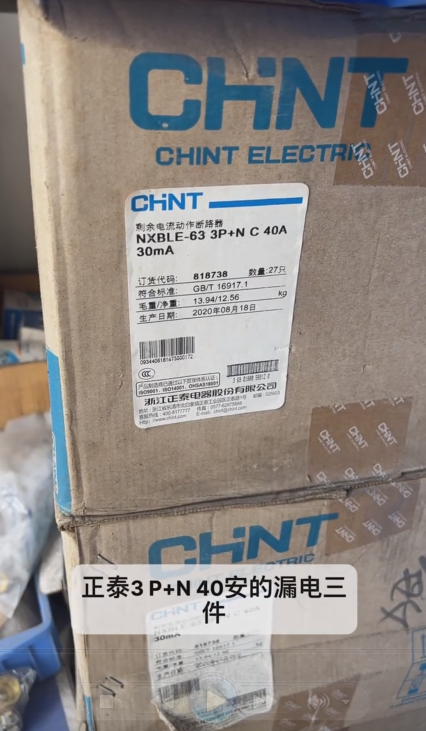
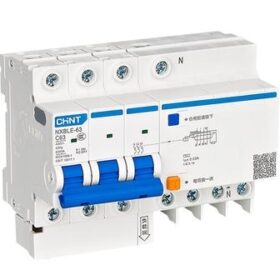
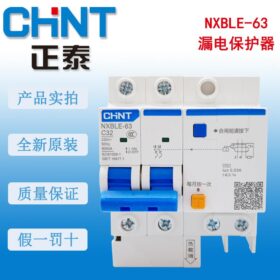
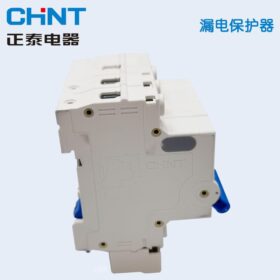

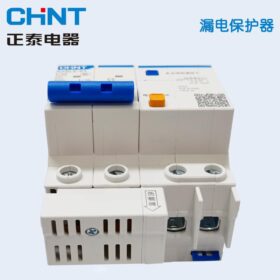
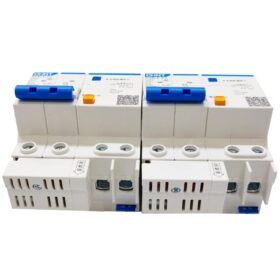

Chint NXBLE-63 3P+N C40A 残留電流作動型サーキットブレーカー
Chint NXBLE-63 3P+N C40A is a residual current operated circuit breaker, 主に過負荷に使用されます, short-circuit and leakage protection of electrical circuits.
– 極数: 3P+N, namely three poles plus neutral wire, which can control three phase wires and one neutral wire simultaneously.
– 定格電流: 40あ, indicating that the maximum current the circuit breaker can carry for long-term stable operation is 40A.
– 残留電流: Usually 30mA. When the leakage current in the circuit reaches or exceeds this value, the circuit breaker will trip automatically.
– 遮断容量: 6の, meaning it can quickly cut off the circuit when the short-circuit current reaches 6kA, thus protecting the safety of equipment and personnel.
– 漏電保護タイプ: ACタイプ, suitable for leakage protection in alternating current circuits.
– 残留電流放出タイプ: 電子式, which detects leakage signals through electronic components and triggers the tripping mechanism.
– 定格電圧: 400VAC, applicable to AC circuits with a rated voltage of 400V.
– 機能的な特徴: It has overload, short-circuit and residual current operation protection functions. GB/Tなどの規格に準拠 16917.1 およびIEC 61009-1, CCC認証を取得しています, which can effectively ensure circuit safety.
– 外観と設置: It features a white plastic shell and a blue operating handle, コンパクトなサイズで. It can be installed on standard guide rails, facilitating installation and wiring in distribution boxes.
Installation and Operation Instructions for Chint NXBLE-63 3P+N C40A Residual Current Operated Circuit Breaker
Chint NXBLE-63 3P+N C40A is an electronic residual current operated circuit breaker, integrating triple protection functions of overload, 短絡および漏電保護. It is suitable for 400VAC three-phase four-wire distribution circuits. The following are standardized specifications for installation, 配線, operation and maintenance.
- インストール前の準備
- Check Product Status
Confirm that the circuit breaker model is NXBLE-63 3P+N C40A, and verify that the nameplate parameters (rated voltage 400VAC, rated current 40A, 定格残留動作電流 30mA, 遮断容量6kA) match the application scenario.
Check that the shell is free from damage, 操作ハンドルは柔軟です (with clear “の上”, “オフ” そして “テスト” marks), and the wiring terminals are free from oxidation.
Verify the CCC certification mark to ensure the product is genuine.
- Confirm Installation Environment
周囲温度: -5℃~+40℃, 平均気温が+35℃を超えない範囲内 24 時間.
高度: ≤2000m; derating is required if the altitude exceeds this limit.
Humidity requirement: Relative air humidity ≤90% (25℃で), free from condensation, corrosive gases and dust accumulation.
設置場所: Avoid severe vibration, direct sunlight and stay away from strong magnetic field interference sources.
- Prepare Tools and Accessories
ツール: プラスドライバー, ワイヤーストリッパー, トルクレンチ, 電圧テスターペン.
付属品: Standard 35mm DIN guide rail (the circuit breaker is equipped with guide rail mounting clips as standard), copper wiring terminals (it is recommended to use those suitable for 10-25mm² wires).
- 設置と配線の手順
- ガイドレールの取り付け
– This circuit breaker adopts 35mm DIN standard guide rail clamping installation, requiring no additional fixing screws.
– 操作方法: Align the clamping clips on the back of the circuit breaker with the guide rail, press down and push forward until the clamping clips are fully locked on the guide rail; press the clip release button to remove the circuit breaker during disassembly.
– Installation spacing: Reserve a space of ≥5mm on both sides of the circuit breaker to ensure heat dissipation and wiring operation.
- 配線仕様 (Core Focus)
中性極 (Nフィールド) of NXBLE-63 3P+N cannot be disconnected. 配線時, strictly distinguish between phase wire and neutral wire terminals, 逆接続は固く禁止されています.
| 端子マーク | 配線タイプ | Conductor Specification (Copper Core) | 締付トルク |
| L1/L2/L3 | Three-phase Phase Wires | 10-25mm | 2.5-3N*メートル |
| N | 中性線 | 10-25mm | 2.5-3N*メートル |
| Load-side Terminals | Outlet Circuit | Same as Inlet Specification | Same as Inlet Torque |
– 配線手順
- Power-off and Voltage Testing: Ensure that there is no voltage in the incoming circuit to avoid live wiring.
- ワイヤーのストリッピング: Strip about 8-10mm of the wire insulation layer to expose the copper core without oxidation; it is recommended to install cold-pressed terminals to prevent wire loosening.
- Inlet Direction: トップインとボトムアウト (推奨) or bottom-in and top-out are both acceptable, but the wiring direction must be unified in the same power distribution system.
- 端子の締め付け: Tighten the wiring terminal screws with a screwdriver to ensure the wires are not loose; check the torque with a torque wrench to prevent over-loosening (which may cause heating) or over-tightening (which may damage the terminals).
- Neutral Wire Notes: The N pole must be connected to the neutral wire and cannot be left unconnected; it is strictly prohibited to connect phase wires to the N terminal, otherwise the leakage protection function will fail.
– 禁止されている操作
– It is strictly prohibited to use the 3P+N circuit breaker in three-phase three-wire circuits (scenarios without neutral wire).
– It is strictly prohibited to connect multiple strands of wires to the terminals (without installing terminal blocks).
– It is strictly prohibited to share the neutral wire on the outlet side of the residual current circuit breaker with neutral wires of other circuits.
Ⅲ. 操作方法
- Closing and Opening Operations
– 終わりに: Flip the operating handle upward to the “の上” position to put the circuit breaker into operation; if the handle is in the middle position (tripped state), flip it downward to the “オフ” position first, then flip it upward to close the circuit breaker.
– オープニング: ハンドルを下に倒します “オフ” position to manually cut off the circuit.
– Leakage Test: After closing the circuit breaker, を押してください “テスト” button on the panel; サーキットブレーカーはすぐに落ちるはずです (the handle bounces to the middle position), indicating that the leakage protection function is normal; it is recommended to perform the test once a month.
- Trip Fault Troubleshooting
After the circuit breaker trips, troubleshoot the cause before closing it again; do not close it blindly.
| Trip Phenomenon | 考えられる原因 | トラブルシューティング方法 |
| Trips when the TEST button is pressed | Normal leakage protection test | Close the circuit breaker directly |
| 閉店直後の旅行 | 1. Leakage in the line or load | 1. Test the line insulation resistance with a megohmmeter |
| 2. Reverse connection of phase wire and neutral wire | 2. Verify the marks of the wiring terminals | |
| 3. Repeated grounding of the neutral wire | 3. Remove redundant grounding points of the neutral wire | |
| Trips during load operation | 1. Load current exceeds 40A (過負荷) | 1. Reduce the load or replace the circuit breaker with a larger rated current |
| 2. Line short circuit | 2. Troubleshoot the short-circuit point (例えば, damaged wire insulation) | |
| 3. Excessive leakage current | 3. Test the leakage status of the equipment |
- Daily Operation Notes
– After the circuit breaker trips, eliminate the fault before closing it again to avoid expanding the fault due to repeated closing.
– It is forbidden to connect other electrical components (ヒューズなど) in parallel or series with the circuit breaker terminals.
– Do not connect equipment with large harmonics (such as frequency converters and electric welders) to the load side; さもないと, a Type A residual current circuit breaker should be selected.
- Maintenance and Upkeep
- 定期点検
毎月: Press the TEST button to test the leakage protection function to ensure reliable operation.
四半期ごと: Clean the dust on the surface of the circuit breaker, and check whether the wiring terminals have heating discoloration or loose screws.
毎年: Test the insulation resistance between the incoming and outgoing lines of the circuit breaker with a megohmmeter (disconnect all loads; the insulation resistance ≥1MΩ is qualified).
- 障害処理
If the circuit breaker does not trip when the TEST button is pressed, it indicates that the leakage protection function has failed; replace the circuit breaker immediately and do not continue to use it.
If the shell is cracked or the terminals are ablated, replace the product in a timely manner; do not reuse it after repair.
- 安全上の警告
- インストール, wiring and maintenance must be operated by certified electricians, and the power-off, voltage testing, grounding and tagging system must be strictly followed.
- Before putting the circuit breaker into operation, confirm that all loads are disconnected to avoid arc generation caused by closing with load.
- The residual current operated circuit breaker cannot replace grounding protection; the power distribution system must meet the grounding specification requirements at the same time.


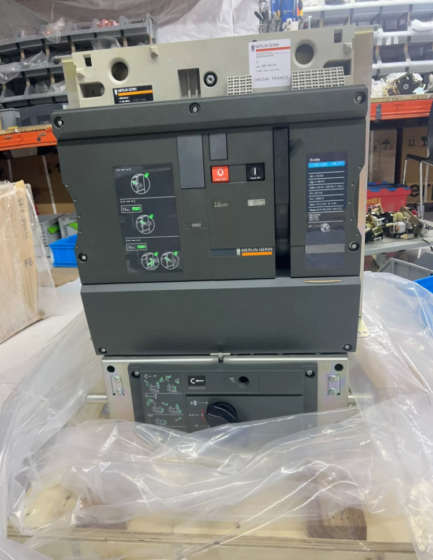
NH42-63-318x560.png "CHINT PC型自動切替スイッチ (ATS)NH42-63/4SZ")