Contactor,circuit breaker,sensor,Encoder,PLC,Converter


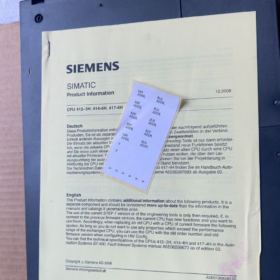
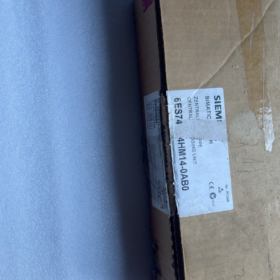
Full Model Name & Model Code Breakdown
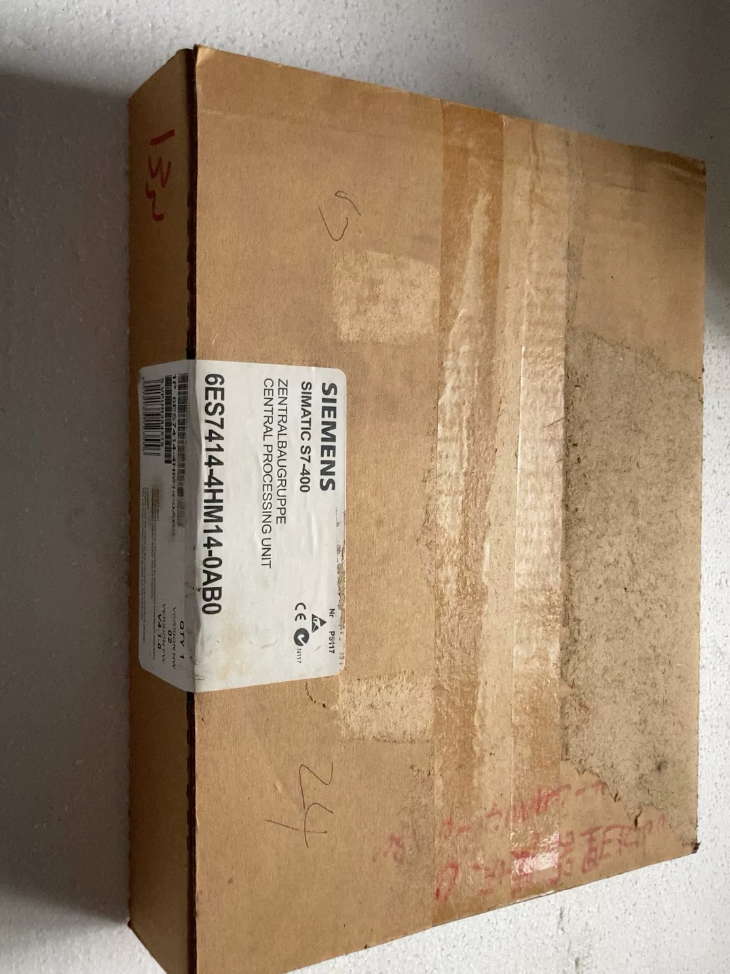
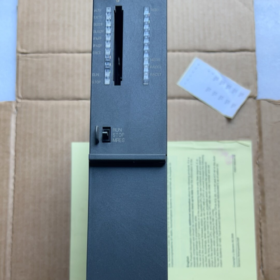
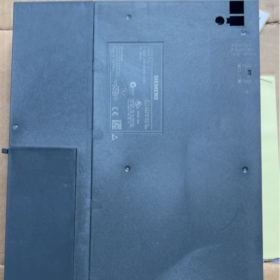
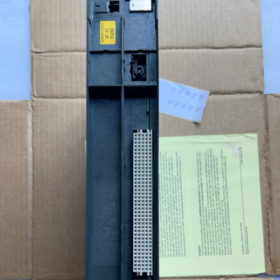
Order No.: 6ES7 414-4HM14-0AB0
Product Name: SIMATIC S7-400H CPU 414-4H Redundant Central Processing Unit
Segment-by-segment Explanation:
- 6ES7: Standard module prefix for Siemens S7 automation series
- 414: CPU tier of S7-400 family; mid-range redundant model
- 4H: 4 communication interfaces + H = Hot Standby hardware redundant CPU
- M: Upgraded hardware revision (replaces legacy HJ14 version)
- 14: Hardware base version V14, firmware V5.2 and above supported
- 0AB0: Standard industrial type, no special coating, 24V backplane power supply
- Product Positioning
Fault-tolerant redundant CPU for S7-400H, supporting S7-400H high-availability systems. With F license, it can constitute S7-400F/FH fail-safe systems (SIS Safety Instrumented Systems). It adopts dual hot standby with millisecond-level bumpless switchover, targeting core control scenarios in process industries where shutdown is prohibited.
III. Core Hardware Specifications
- Memory (Work memory non-expandable)
Total work memory: 1.4MB (700KB program memory + 700KB data memory)
Load memory: 64KB built-in; supports FLASH/RAM memory card up to 64MB
Power-off retention: Full data buffered by backplane battery; program re-download unnecessary
- Processing Performance
Binary bit instruction: 0.045μs
Word operation: 0.09μs
Floating-point operation: 0.5μs
Diagnostic buffer: Max 3200 fault logs, default capacity 120 entries
- 4 Hardware Interfaces (Front Panel)
- MPI/DP Combo Port: MPI networking, DP master/slave communication, programming & download
- Independent PROFIBUS-DP Port: Master station for distributed ET200M remote I/O, 12Mbps transmission rate
- 2 Synchronization Module Slots: Matched with 467-1/467-2 fiber-optic synchronization modules for high-speed data synchronization between primary and standby CPUs; switchover time <100ms
- Electrical & Mechanical Parameters
Power supply: 5V DC backplane bus of S7-400; typical current 1.8A, power consumption 4.5W
Overall dimensions: W 50mm × H 290mm × D 219mm
Weight: Approx. 1070g
Mounting: Standard S7-400 UR rack, single slot occupation
- Software Compatibility Requirements
- Minimum firmware version: V5.2
- Programming software: STEP7 V5.3 SP2 or higher; corresponding HSP hardware update package required; compatible with PCS7 V7.0 and above
- Supported programming languages: LAD/FBD/STL/SCL/CFC/GRAPH; supports Know-how program encryption protection
- Redundancy functions: CiR online hardware modification, runtime firmware upgrade, automatic primary-standby synchronization, redundant link diagnostic alarm
- Key Points of Redundant System Architecture
- Dual CPUs must be identical (2 units of 6ES7 414-4HM14-0AB0 used as a pair)
- Synchronization link: Fiber-optic synchronization module + synchronization cable for real-time synchronization of programs, process images and DB data
- Fault switchover: When primary CPU suffers hardware/power/bus failure, standby CPU takes over bumplessly without production interruption
- Expansion capability: Up to 21 expansion racks, max. 65536 digital I/O points and 4096 analog I/O points, suitable for large-scale DCS systems
- Model Iteration & Replacement Relationship
- Discontinued Predecessor Model: 6ES7 414-4HJ14-0AB0 (HJ legacy hardware; HM is upgraded drop-in replacement compatible with original rack)
- High-performance Upgrade Alternative: 6ES7 414-5HM06-0AB0 (CPU414-5H, newly added PROFINET port, memory doubled to 4MB)
- Same Series Comparison Table
| Model | Memory | Interfaces | Applicable Scenarios |
| 412-3H | 0.5MB | 2 DP ports + synchronization | Small-scale redundancy, low-end wastewater treatment plants |
| 414-4HM14 | 1.4MB | MPI/DP + independent DP + dual synchronization | Medium-sized chemical plants, auxiliary power plant control |
| 417-4HT14 | 4MB | Dual DP + dual synchronization | Large continuous production lines, main unit DCS |
VII. Typical Application Industries
Chemical & Petrochemical: SIS safety redundant control for reactors and rectification units
Power Industry: Auxiliary substation control, boiler & water treatment systems in power plants
Municipal Engineering: Full-plant automatic control for large wastewater and tap water plants
Metallurgy: Uninterrupted production lines for rolling and continuous casting
Pharmaceutical Industry: Aseptic continuous processes to avoid material scrapping due to shutdown
VIII. Mandatory Matching Accessories
- Synchronization Modules: 6ES7 467-1AH01-0AB0 (electrical synchronization) / 467-2AH01 (fiber-optic synchronization, recommended)
- S7-400 Power Supplies: Redundant power supplies of PS407/PS408 series
- Load Memory Card: 6ES7 952-1KK00 (8MB FLASH)
- Backup Battery: Built-in CPU battery pack; regular replacement required for long-term operation
- Common Troubleshooting Guidelines
- Redundancy loss of synchronization: Inspect fiber optic connectors of synchronization modules; ensure firmware versions of both CPUs are completely consistent
- DP bus fault alarms: Check terminating resistors on MPI/DP ports, shielding grounding of DP cables, address conflicts between masters and slaves
- Data loss after shutdown: Backplane battery undercharged; re-download retention zone parameters after battery replacement
- Hardware unrecognizable: Corresponding HSP hardware support package not installed in STEP7
Complete Engineering Application Cases of 6ES7 414-4HM14-0AB0 (CPU414-4H)
This mid-range redundant CPU for S7-400H features 1.4MB memory, dual DP + MPI + fiber-optic synchronization interfaces. It is applicable to high-availability scenarios with medium-scale continuous processes, zero-shutdown requirements and 1000~6000 I/O points. Below are real project cases from various industries including hardware configuration, process logic and redundancy value.
Case 1: Auxiliary Control System for 300MW Thermal Power Plant (Qianbei Power Plant, Guizhou)
Project Overview
Main power plant with 4×300MW units for West-to-East Power Transmission, covering ash & slag removal, condensed water polishing and industrial water systems. Shutdown will directly cause unit load reduction and grid risks, requiring zero-shutdown switchover.
Hardware Configuration (Single Redundant Set)
Main Controller: 2 × 6ES7 414-4HM14-0AB0 (hot standby pair)
Rack: UR2-H redundant rack, dual PS407 10A redundant power supplies
Synchronization: 6ES7 467-2 fiber-optic synchronization module
Communication: CP443-1 Ethernet module (dual-network redundancy)
Remote I/O: 12 sets of redundant ET200M IM153-4 slave stations, total approx. 1500 I/O points
Software: STEP7 V5.5 + WinCC SCADA
Control Processes
- Ash removal system: Bin pump ash conveying, ash silo unloading, differential pressure interlock for bag dust collectors
- Condensed water system: Resin regeneration, acid & alkali dosing, liquid level PID regulation, automatic switching upon failure
- Circulating water system: Variable frequency control of cooling fans, chlorination system, one-duty-one-standby pump interlock
Core Reasons for Selecting 414-4HM14
- 1.4MB memory supports massive PID loops, sequential interlocks and fault diagnosis programs
- Two independent DP buses separate dust collection instruments and water pump inverters without mutual interference
- When primary CPU suffers power/bus fault, standby CPU achieves bumpless switchover within 100ms to keep pumps and fans running and prevent unit trip
Case 2: Large Sulfur-burning Sulfuric Acid Plant (Chuanhua Group)
Project Overview
400,000-ton annual continuous sulfuric acid production line covering fluidized roasting, conversion, drying & absorption and waste heat power generation. High-temperature and corrosive working conditions; single shutdown leads to hundreds of thousands of raw material scrapping, equipped with PCS7 DCS.
Hardware Architecture
Main Controller: 2 redundant sets of 6ES7 414-4HM14-0AB0 (one for roasting section, one for drying & conversion section)
Bus: Redundant PROFIBUS-DP; Y-LINK connects DP/PA instruments, inverters and local PLCs of air compressors
I/O Scale: 2200 points per set, including analog signals of temperature, pressure and SO₂ concentration, valve switches and fan interlocks
Core Control Logic
- Cascade PID control for roaster temperature and air pressure
- Three-element regulation for waste heat boiler drum water level
- Emergency ESD interlock (automatic sulfur feed cutoff and venting upon overtemperature/overpressure)
- Automatic ammonia water proportion adjustment for tail gas desulfurization
Project Implementation Value
CPU414-4HM14 supports standard PCS7 libraries and CiR online hardware modification, enabling instrument addition & adjustment without shutdown. Dual-CPU fiber synchronization ensures single CPU or single DP bus fault will not trigger ESD shutdown, guaranteeing continuous chemical production.
Case 3: Large Air Separation Unit (3000Nm³/h ASU for KAPTAN Steel Plant, Turkey)
Project Overview
Oxygen & nitrogen generation air separation system for steelmaking converters; oxygen supply interruption leads to full production halt of steelmaking line, adopting full-redundancy PCS7 architecture.
Hardware List
Redundant Controllers: Paired 6ES7 414-4HM14-0AB0
Remote Stations: 5 sets of redundant ET200M IM153 slave stations with total 600 I/O points
Third-party Equipment Connection: Air compressors and boosters connected to redundant DP via MODBUS gateway + Y-LINK
Process Control
- Automatic sequential switching of air pre-cooling and molecular sieve adsorption
- Multi-loop PID control for rectifier liquid level, pressure and oxygen purity
- Compressor anti-surge interlock and automatic high/low pressure reflux regulation
- Stable pressure control for oxygen & nitrogen pipe networks
Selection Advantages
Sufficient program memory of 414-4HM14 accommodates complex anti-surge algorithms and multi-device communication programs. Dual DP ports separately manage local instruments and third-party units to balance communication load without data lag.
Case 4: Continuous Chemical Fiber Spinning Production Line (Large Polyester Spinning Workshop)
Project Overview
Three polyester spinning lines running 24/7 with melt transportation, biphenyl heating and oil agent circulation. Melt solidification caused by shutdown will block pipelines with extremely high cleaning costs.
System Configuration
Independent redundant PLC set of 414-4HM14 for each production line:
- Dual-CPU fiber synchronization, dual CP443 Ethernet redundancy
- 6 redundant IM153 ET200M stations covering melt booster pumps, spinning boxes and winders
- 18 inverters connected to redundant DP bus via Y-LINK
Key Control Functions
Precise constant temperature control of melt, spinning speed synchronization, closed-loop oil agent circulation flow control, emergency stop safety interlock. Switchover upon any CPU fault will not interrupt melt transportation to avoid pipeline blockage and material scrapping.
Case 5: Large Municipal Advanced Wastewater Treatment Plant (150,000 Tons Daily Treatment Capacity)
Project Overview
Comprehensive industrial park wastewater treatment covering biochemical tanks, advanced filtration, sludge dewatering and disinfection. 24-hour uninterrupted discharge mandatory; excessive emission will incur environmental penalties.
Hardware Architecture
Central Control Core: 2 pairs of 6ES7 414-4HM14-0AB0, separately controlling biochemical system and sludge dewatering system
Total I/O Points: Approx. 1200 per set, including online DO, ORP and pH meters, aeration fans, sludge pumps and motorized valves
Communication: Redundant DP bus + dual Ethernet; upper WinCC monitoring platform connected to environmental online monitoring system
Reasons for Adopting 414-4HM14
- Mass multi-loop PID regulation for aeration DO and pH requires large program memory
- Long plant distance and numerous distributed ET200M stations; dual DP buses share communication load
- Dual hot standby ensures uninterrupted aeration and chemical dosing to stabilize discharge compliance and avoid shutdown fines
Case 6: Automatic Control System for Oxygen Turbo Compressor Unit
Project Overview
7300Nm³/h oxygen turbo compressor with high-risk oxygen medium; control system failure may cause explosion, requiring full-link redundant design.
Hardware Configuration
Main Controller: 2 × 6ES7 414-4HM14-0AB0
Redundant Matching Parts: Dual PS407 power supplies, dual CP443 Ethernet modules, dual IM153 remote I/O
Synchronization Link: Fiber-optic synchronization module eliminates synchronization failure caused by electromagnetic interference
Safety Control Logic
- High interlock shutdown for oxygen compressor shaft temperature, vibration and oil pressure
- Fast regulation of anti-surge valve
- Closed-loop control of sealing gas pressure and cooling water temperature
- Graded fault alarm and SOE sequence of events recording
Safety Value
Interlock logic and process data are fully synchronized during bumpless CPU switchover without transient control failure, eliminating explosion risks of oxygen equipment.
Unified Selection Summary (Applicable Scope of 6ES7 414-4HM14-0AB0)
- I/O Scale: 600~3000 mixed analog & digital signal points
- Process Types: Continuous chemical processes, auxiliary power plant control, air separation, wastewater treatment, long chemical fiber production lines
- Core Requirements: Heavy losses from shutdown, high safety interlock levels, multiple PID loops & complex sequential logic required
- Inapplicable Scenarios: Small-scale equipment (select 412-3H), large main units with over 10,000 I/O points (select 417-4H), native PROFINET port demand (upgrade to 414-5HM06)


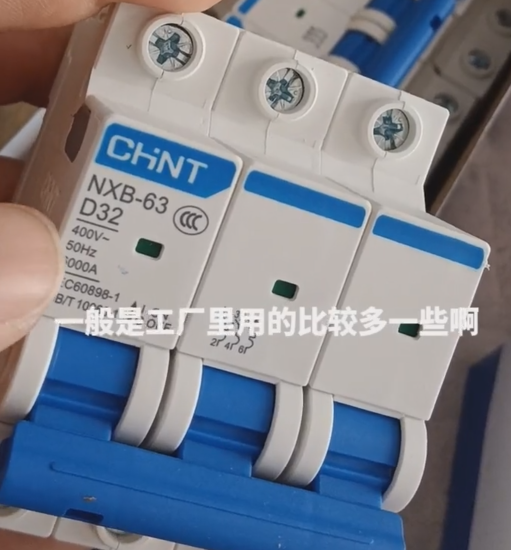
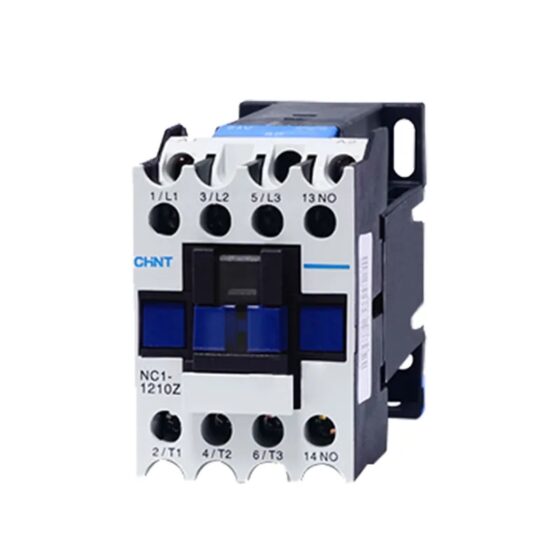
NH42-63-318x560.png "CHINT PC-type automatic transfer switches (ATS)NH42-63/4SZ")