Contator,disjuntor,sensor,Codificador,CLP,Conversor

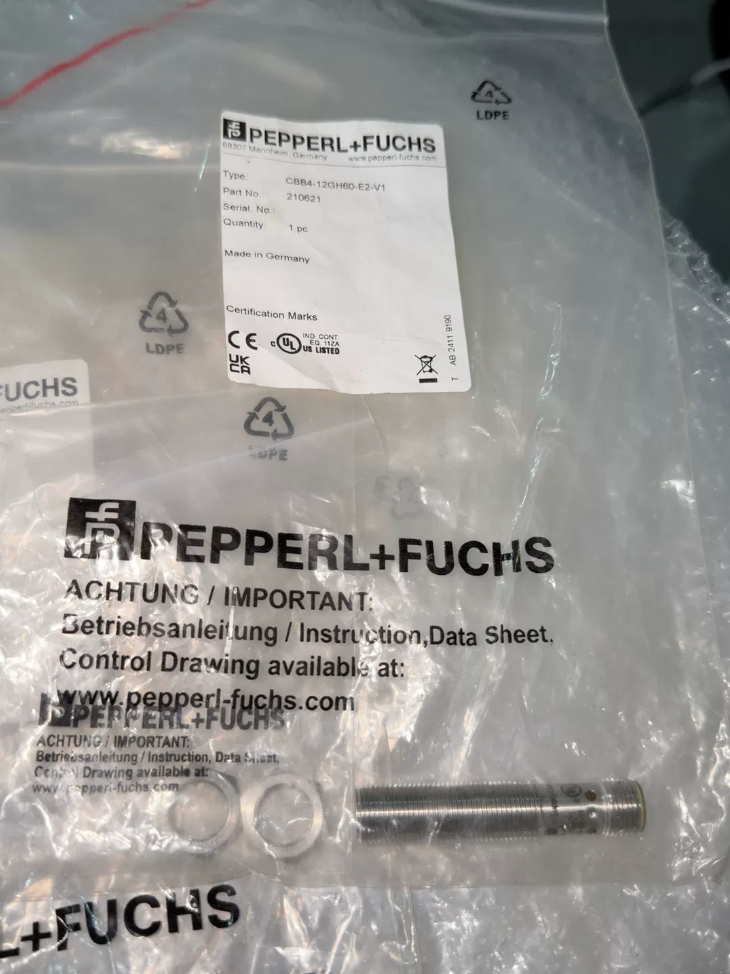


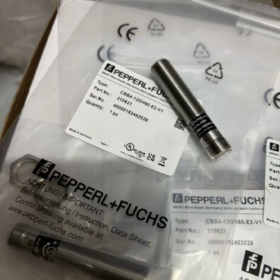
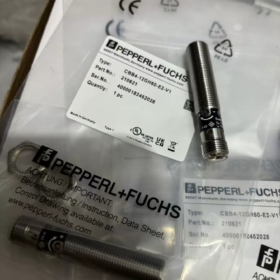
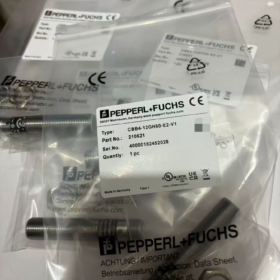
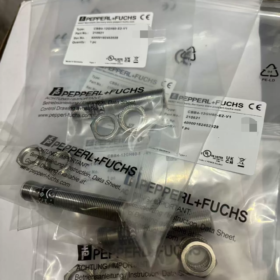
Pedido nº.: 210621 Capacitivo sensor de proximidade, Montagem embutida M12, 316L em aço inoxidável, caixa resistente à corrosão de qualidade alimentar
Explicação do código do modelo
| Código | Descrição |
| CBB | Sensor capacitivo, carcaça de aço inoxidável, tipo de montagem embutida |
| 4 | Distância de detecção nominal: 4 milímetros |
| 12 | Rosca M12×1 |
| GH60 | 1.4404(316eu) aço inoxidável, comprimento total 59,8 mm, potenciômetro de sensibilidade integrado |
| E2 | PNP normalmente aberto (NÃO) saída |
| V1 | Saída do conector M12 pinos |
Especificações elétricas principais
| Item | Parâmetro |
| Distância de detecção | Sn nominal=4mm; Faixa de trabalho garantida Sa=0…2,88 mm, ajustável através de potenciômetro |
| Tipo de montagem | Montagem embutida (tipo blindado) |
| Saída | 3-fio DC PNP NO (Normalmente aberto) |
| Tensão de alimentação | 10-36 VCC |
| Máx.. corrente de carga | 100 mA |
| Corrente sem carga | ≤12mA |
| Queda de tensão | ≤2,5 V |
| Frequência de comutação | 50 Hz |
| Proteção | Proteção contra polaridade reversa, proteção pulsada contra curto-circuito |
| Indicador | Indicador de status LED amarelo |
Mecânico & Dados Ambientais
Habitação: 1.4404/Aço inoxidável AISI316L, detectando rosto em PEEK, adequado para ambientes de processamento de alimentos e meios corrosivos
Conexão: Conector macho M12-4 pinos (cabo correspondente como V1-G4 necessário)
Classificação de proteção: IP65
Temperatura operacional: -25℃ ~ +70 ℃
Dimensões: M12 cilíndrico, comprimento total 59,8 mm
Certificações: CE, UL/cULus, EN60947-5-2
Atribuição de pinos M12-4 pinos (Conector macho do lado do sensor)
| Alfinete | Sinal |
| 1 | Marrom: CC+ 10‑36V |
| 2 | Branco: Não usado |
| 3 | Azul: 0V/GND |
| 4 | Preto: Sinal de saída PNP |
Observação: Este conector de 4 pinos usa apenas os pinos 1,3 e 4; pin2 não é usado. Use cabo M12 padrão de 4 núcleos.
Aplicações Típicas
Detecção de nível para água, óleo, pastas; pó / monitoramento do nível do depósito de pellets
Detecção de presença para materiais não metálicos (plásticos, vidro, papel)
Equipamentos para alimentos, bebidas e produtos farmacêuticos, ambientes laváveis e resistentes à corrosão
Máquinas de embalagem, detecção de peça em posição
Referência de substituição em série
- CBB4-12GH60-E0-V1: Mesma habitação, Saída NPN normalmente aberta; todos os outros parâmetros idênticos
- Critérios de seleção de alternativas nacionais: Sensor capacitivo de montagem embutida M12, 4 mm detecção nominal, PNP-NÃO, 10-36 CCV, M12-4 pinos, 316Carcaça L, com potenciômetro de ajuste de sensibilidade.
Notas de comissionamento
- Ajuste o potenciômetro embutido: no sentido horário aumenta a sensibilidade; sentido anti-horário diminui a sensibilidade.
- Instalação embutida; as luvas de montagem metálicas não devem se projetar além da face de detecção.
- Sensores capacitivos são sensíveis à umidade ambiente e ao material da parede do tubo. Sempre calibre o potenciômetro com o meio alvo real; não confie apenas nos valores nominais dos alvos metálicos.
Pepperl+Fuchs CBB4-12GH60-E2-V1 Casos de aplicação práticos
Principais recursos: Sensor capacitivo de montagem embutida M12, 316L em aço inoxidável + Face de detecção PEEK, potenciômetro de sensibilidade ajustável, Saída PNP, Conector M12-4 pinos, IP65. Adequado para ambientes de lavagem da indústria alimentícia e de corrosão moderada; detecta líquidos, pós, plásticos, vidro e outros alvos não metálicos.
Caso1|Comida & Bebida: Tanque / Detecção de nível de tubo (Ambiente de lavagem com alta umidade)
Cenário: Bebida, linhas de produção de molhos e laticínios. Montagem na parede lateral em plástico pequeno / tanques de armazenamento de aço inoxidável para alarme de nível alto/baixo de líquido condutivo; espessura da parede do tanque ≤2,5 mm.
Montagem: Montagem embutida rosqueada na parede externa do tanque; nenhuma intrusão no meio do processo para evitar a contaminação do produto.
Comissionamento: Ajuste o potenciômetro para ignorar a influência da parede do tanque e acionar somente por líquido.
Função: Sinal de comutação enviado ao PLC para partida/parada da bomba, alarme de baixo nível e prevenção contra funcionamento a seco.
Vantagens da aplicação: 316O invólucro L resiste à limpeza CIP e à corrosão do agente de limpeza; A face de detecção PEEK resiste ao acúmulo de material; Classificação IP65 contra lavagem por spray.
Cuidado: Para molhos viscosos, evite sensibilidade excessiva, pois o acúmulo de material causará falso acionamento.
Caso2|Equipamento Farmacêutico: Monitoramento do nível do reservatório de enchimento de pó
Cenário: Recipientes pequenos para pós e excipientes farmacêuticos; alarme de escassez de baixo nível para pós empoeirados e propensos à eletrostática.
Montagem: Montagem embutida com rosca M12 na parede lateral do silo.
Alvo: Pós farmacêuticos, excipientes granulares.
Função: Quando o nível cai abaixo da posição do sensor, A saída PNP é desenergizada para acionar o lembrete de recarga de material.
Vantagens: Insensível ao acúmulo de poeira; carcaça de aço inoxidável resiste a spray desinfetante; potenciômetro se adapta a pós de diferentes constantes dielétricas.
Case3|Máquinas de embalagem: Plástico / Verificação de presença de recipiente de vidro
Cenário: Detecção de linhas transportadoras de garrafas PET e garrafas de vidro para linhas de envase. Substitui sensores fotoelétricos para eliminar a falsa detecção causada pela reflexão da luz em garrafas transparentes.
Alvos: Garrafas PET, garrafas de vidro, tampas de plástico.
Montagem: 1-2 mm de folga entre o sensor e o alvo; instalação embutida.
Lógica: Garrafa presente → sensor liga → aciona o atuador de enchimento; sem garrafa → enchimento inibido.
Limitação: 50 Frequência de comutação Hz, adequado para linhas de média-baixa velocidade; não para produção em ultra-alta velocidade.
Case4|Indústria de Química Leve: Monitoramento de nível para tanques com meio levemente corrosivo
Cenário: Pequenos tanques de sistema de dosagem contendo produtos de limpeza diluídos e aditivos ácidos e alcalinos suaves para monitoramento de pontos de alto/baixo nível.
1.4404(316eu) + A construção em PEEK resiste a respingos e vapores de ácidos e álcalis suaves.
Detecção não intrusiva de parede externa; o meio não toca o corpo do sensor para reduzir o risco de corrosão.
Observação: Não é adequado para ácidos fortes concentrados / álcalis fortes; sensores dedicados resistentes à corrosão para serviços pesados necessários para esses meios.
Case5|Borracha-Plásticos / Moldagem por injeção: Detecção de nível de pellet da tremonha
Cenário: Funis de material auxiliar para máquinas de moldagem por injeção e extrusão; alarme de falta de pellets para acionamento do alimentador.
Alvo: PP, Pelotas de plástico PE.
Condições operacionais: Pó, eletricidade estática do atrito da pelota.
Dica de comissionamento: Aumentar a sensibilidade adequadamente para pellets frouxamente embalados; mantenha os suportes de metal afastados para evitar interferências.
Case6|Indústria de processamento de rações: Detecção de nível de compartimento para alimentação granular
Cenário: Monitoramento pontual de silo pequeno para grãos e pellets de ração em ambientes empoeirados de produção de ração.
Vantagens: Tolerante à cobertura de poeira; Alternativa de chave pontual de baixo custo para transmissores de nível contínuo.
Limitação: Fornece apenas sinal de comutação de ponto discreto, sem saída contínua de nível de altura.
Case7|Linha transportadora: Confirmação de presença de peça não metálica
Cenário: Detecção de linha transportadora de peças plásticas, peças de borracha, cartão; sensores indutivos não conseguem detectar alvos não metálicos.
A saída PNP se conecta diretamente à entrada digital do PLC.
Fator de forma compacto com rosca M12 para máquinas com espaço limitado.
Instalação Geral & Notas de comissionamento (Pontos de falha de campo comuns para este modelo)
- O requisito de montagem embutida é obrigatório: A face final da rosca do sensor deve ser coplanar com a superfície de montagem metálica. A protrusão causará desvio errático da distância de detecção.
- O alcance real de detecção para alvos não metálicos é substancialmente menor que o valor nominal de 4 mm. Sempre calibre o potenciômetro no local com material do mundo real. Não projete o layout mecânico baseado apenas no valor nominal de 4 mm.
- Para líquidos e meios viscosos, acúmulo de material e espuma causam comutação falsa. Realize o comissionamento enquanto simula condições reais de acúmulo antes de travar a configuração do potenciômetro.
- Conector M12-4 pinos: pin2 não utilizado. Terminar pinos 1(marrom, +), 3(azul, GND), 4(preto, sinal) apenas.
- Frequência de comutação limitada a 50 Hz. Não aplicável para aplicações de contagem de alta velocidade. Destinado apenas a tarefas de detecção de presença de peça e nível de ponto.
Especificação de instalação Pepperl+Fuchs CBB4-12GH60-E2-V1
Esta é uma montagem embutida (blindado) Sensor de proximidade capacitivo de rosca M12. A instalação saliente não nivelada é proibida.
Habitação: 1.4404(316eu) aço inoxidável; rosto sensor PEEK; fornecido com contraporca M12; conector macho M12-4 pinos traseiro.
- Métodos básicos de instalação
1.1 Montagem em painel metálico com furo roscado (Mais comum, para tanques / paredes de equipamentos)
- Preparação do furo: Furo roscado M12×1. Para furo simples: Ø12,2-12,5mm; fixar com braçadeira usando duas porcas de fixação M12 dianteiras e traseiras.
- Requisito crítico: A face de detecção PEEK deve ficar perfeitamente nivelada com a superfície de montagem metálica. Sem saliência; a profundidade do recesso não deve exceder 0,5 mm.
✅ Correto: Face de detecção coplanar com superfície de parede metálica
❌ Incorreto: Cabeça do sensor projetando-se para fora; recesso interno excessivo (>0.5 milímetros)
- Especificação de torque: Use porca de fixação M12 de aço inoxidável OEM; torque de aperto 0,8-1,2N·m. O torque excessivo danificará as roscas e o alojamento.
- Orientação de montagem: Horizontal ou vertical são permitidos. Para aplicações de medição de nível, orientar a face de detecção em direção ao interior do tanque.
Espaços livres de instalação especificados na folha de dados
UM=0mm: O metal da parede lateral pode ficar rente à rosca do sensor
B=0mm: Metal da face frontal nivelado com a face de detecção
C=15mm: Extremidade do conector traseiro: folga mínima ≥15 mm de obstruções metálicas
F=15mm: Direção lateral: folga mínima ≥15 mm de objetos metálicos adjacentes
1.2 Montagem na parede externa em recipientes não metálicos (Plástico / tanques de vidro, detecção de nível externo)
Monte o sensor externamente na parede externa do tanque, não enrosque no interior do tanque. A face de detecção fica plana contra a superfície externa do tanque.
Espessura recomendada da parede do tanque ≤2mm; materiais PE/PP/PET/vidro.
Seguro através de suporte / nozes; manter contato com folga zero entre a face de detecção e a parede do tanque.
Reduza a sensibilidade via potenciômetro para compensar o efeito dielétrico da parede do tanque.
1.3 Montagem com braçadeira
Use suporte do sensor M12; garantir que a face de detecção esteja perpendicular (90°) atingir.
Mantenha uma folga ≥15 mm entre o metal do suporte e o cilindro da rosca do sensor. Não envolva totalmente a cabeça do sensor com metal, pois isso protegerá o campo de detecção capacitivo e desabilitará o sensor.
- Instalação lado a lado de vários sensores (anti-diafonia)
Para vários sensores CBB4-12GH60-E2-V1 montados adjacentes: espaçamento centro a centro ≥15mm (ficha técnica obrigatória C/F=15mm).
Espaçamento insuficiente causa interferência mútua e falsa comutação aleatória. Se o espaçamento não puder ser aumentado, adotar montagem deslocada escalonada.
- Distância de detecção & regras de instalação relacionadas ao destino
- Faixa de trabalho garantida Sa = 0 ~ 2,88 mm. Projete o layout mecânico com margem de segurança ≤2,0 mm. Não use Sn nominal=4mm para projeto mecânico.
- Para líquido / pó / alvos de pelotas: oriente a face de detecção diretamente em direção ao material. O contato direto entre o material e a face sensora PEEK é permitido (IP65).
- Sem obstruções metálicas na frente da face de detecção; o metal atenua severamente o campo de detecção capacitivo.
- Instalação do cabo conector
- Conector macho M12-4 pinos traseiro; acasalar com fêmea reta M12-4-core / cabo angular (por exemplo. V1-G4).
- Evite tensão mecânica no conector; implementar um laço de curvatura de alívio de tensão do cabo para evitar danos causados pela força de tração.
- Passe os cabos do sensor separadamente do motor / cabos de alimentação do inversor para reduzir a interferência eletromagnética.
- Procedimento de comissionamento pós-instalação
- Bloqueio mecânico completo; verifique a condição de montagem embutida da face de detecção.
- Aplique alimentação de 10-36 VCC; permita 2-3 minutos de aquecimento.
- Ajuste o potenciômetro sob condições operacionais reais (incluindo acúmulo, espuma, pó).
- Simular alvo presente / condições de ausência de alvo; verifique se a indicação do LED amarelo corresponde ao status esperado, então fixe a configuração do potenciômetro.
- Falhas comuns induzidas pela instalação (causas raiz de falha de campo)
- Cabeça do sensor projetando-se além da superfície metálica: detecta metal ao redor, travas permanentemente LIGADAS.
- Recesso interno excessivo: alcance de detecção drasticamente reduzido, detecções perdidas frequentes.
- Obstruções metálicas dentro <15 mm atrás da tampa do conector: interferência no campo de detecção, desvio de sinal instável.
- Torque de aperto excessivo: carcaça de aço inoxidável rachada / dano na linha.
- Vários sensores montados muito próximos: diafonia mútua, comutação falsa aleatória.
Distância de detecção Pepperl+Fuchs CBB4-12GH60-E2-V1 (Valores oficiais da ficha técnica)
- Distância de detecção nominal Sn: 4 milímetros
Especificado usando um alvo de teste padrão de metal aterrado. O dígito4 no número do modelo representa este parâmetro. Somente valor de referência; alvos não metálicos não atingirão 4 mm.
- Faixa de trabalho confiável garantida Sa: 0 … 2,88 mm
Válido sob condições corretas de instalação embutida. Para fins de projeto mecânico, aplique margem de segurança de ≤2,0 mm. Não projete hardware contra Sn=4mm.
⚠️ Notas críticas do sensor capacitivo
Sn=4mm é medido com um alvo de teste de metal aterrado. Para plásticos, pós, líquidos, vidro e outros alvos não metálicos, a distância real do gatilho reduz significativamente, determinado pela constante dielétrica alvo.
O potenciômetro integrado fornece ajuste contínuo da distância de detecção. Sempre comissione usando material de processo real no local. Não confie apenas na classificação nominal de 4 mm.
Este é um tipo de montagem embutida blindada. Instalação inadequada (saliente / embutido) degrada ou elimina diretamente o desempenho da detecção.
Distâncias de disparo de referência de aplicação prática
Água / líquido condutor: aprox.. 2.5-2.8 milímetros
PP / Pelotas de plástico PE: normalmente 1-2 mm
Detecção de nível de parede externa através da parede do tanque de plástico fino de 1-2 mm: lacuna de detecção efetiva próxima de zero; compensação via potenciômetro necessária.


NH42-63-318x560.png "Chaves de transferência automática tipo PC CHINT (ATS)NH42-63/4SZ")