Contator,disjuntor,sensor,Codificador,CLP,Conversor

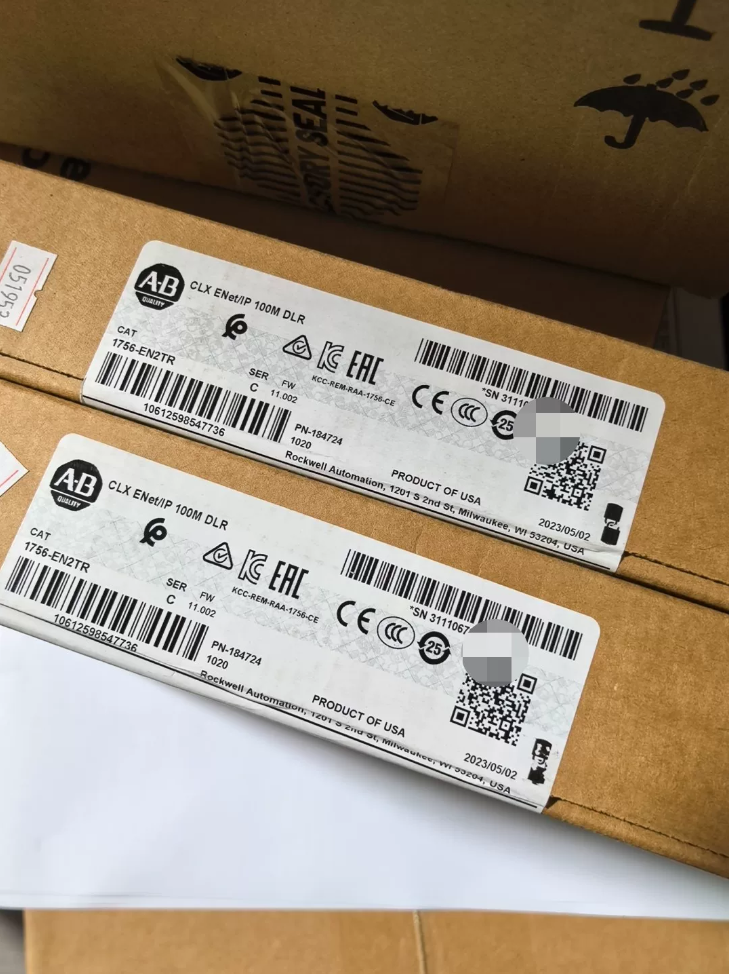

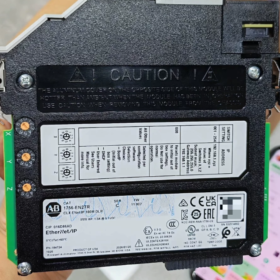
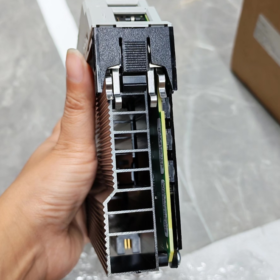
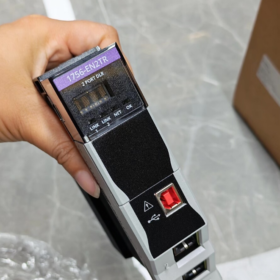
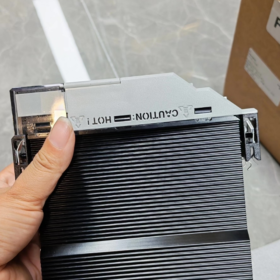
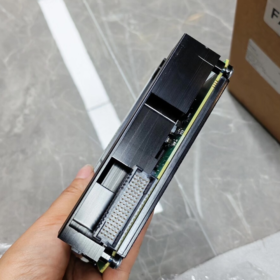
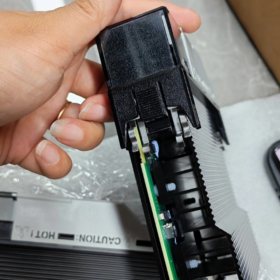
1756:Série de plataformas ControlLogix
EM:Rockwell Ethernet/IP comunicação
2:Ethernet de porta dupla
T:Interface de cobre de par trançado
R:DLR (Anel no nível do dispositivo) apoiar (identificador principal)
Especificações Técnicas Principais
| Item | Parâmetro |
| Interfaces | 2×RJ45 com interruptor incorporado, ambas as portas compartilham um único endereço IP, sub-redes independentes não são suportadas |
| Velocidade | 10/100 Negociação automática de Mbps |
| Consumo de energia do backplane | 5.1Em DC, 1UM; dissipação de energia 5,1W |
| Conexões CIP | Máx.. 256 Conexões CIP; 128 Conexões TCP |
| Processamento de mensagens | 25000 PPS; suporta movimento CIP de até 8 eixos |
| Topologias | Estrela, encadeamento linear, Anel de nível de dispositivo DLR (single‑link fault self‑recovery) |
| Temperatura operacional | 0~+60℃; 1756‑EN2TRXT wide‑range version: ‑25~+70℃ |
| Instalação | Any slot in ControlLogix chassis, RIUP hot‑swap supported |
| Firmware Series | Mainstream Series‑C; suffix K: 1756‑EN2TRK conformal coated version |
| Isolamento | Basic insulation between Ethernet and backplane; USB port for temporary commissioning only, prohibited in hazardous areas |
⚠️Importante: EN2TR only supports DLR ring redundancy. PRP dual-network and dual-IP hot-standby redundancy are NOT available. Two ports operate as an embedded switch, not two independent network adapters.
Primary Application Scenarios
- EtherNet/IP remote I/O and distributed I/O (por exemplo. 1734-AENTR) for ControlLogix controllers
- DLR ring architecture: linhas de montagem, máquinas de embalagem, tratamento de água, manuseio de materiais, auto network self-recovery upon single cable breakage
- IHM & SCADA host communication; CIP-Motion servo motion network
- Preferred upgrade replacement for legacy 1756-ENBT, proporcionando um desempenho muito melhorado
Seleção de Série & Comparação
| Modelo | Portas | DLR | Gigabit | Características |
| 1756-EN2T | 1×RJ45 | ❌ | ❌ | EtherNet/IP de porta única básica, sem suporte de anel |
| 1756-EN2TR | 2×RJ45 | ✅ | ❌ | DLR de porta dupla, amplamente implantado em projetos |
| 1756-EN2TP | 2×RJ45 | ❌ | ❌ | Redundância de rede dupla PRP, endereços IP duplos independentes |
| 1756-EN4TR | 4×RJ45 | ✅ | ✅ | Gigabit, Segurança CIP, 512 conexões, opção de atualização de próxima geração |
Opções de substituição
- Substituição direta: 1756-EN2TR (Série-C). Mantenha uma revisão de firmware consistente; plug-and-play sem modificação do programa
- Atualização de desempenho: 1756-EN4TR (Gigabit Ethernet, maior capacidade de conexão, Suporte de segurança CIP)
- Variantes de ambiente agressivo: 1756-EN2TRXT ampla temperatura; 1756-Revestimento isolante EN2TRK
Instalação de hardware & Diretrizes de configuração de IP
- Troca a quente RIUP suportada; hot-swap proibido em áreas perigosas / áreas explosivas
- Métodos de configuração de IP:
Botão giratório do módulo: configurando IP estático `192.168.1.xxx` via configuração 1-254; posição 999 permite atribuição BOOTP/DHCP
Atribuição de IP estático via ferramenta BOOTP-DHCP; configure o IP dentro do projeto Studio5000 e baixe
- Fiação do anel DLR: Port1 conecta dispositivo upstream, Port2 conecta dispositivo downstream; feche ambas as extremidades para formar um anel. Pelo menos um Supervisor DLR (gerente de anel) deve existir no ringue. Switches comuns não gerenciados não podem ser inseridos no anel DLR, o que causa oscilação do anel e falha de comunicação.
- Requisito de cabo: cabo Ethernet blindado Cat5e mínimo
Solução de problemas comuns
- Falha na convergência do anel: Switches comuns ou vários nós Supervisores dentro do anel. Remova switches não gerenciados e mantenha exatamente um Supervisor.
- Falha de E/S após quebra de cabo: O tempo de convergência DLR excede o intervalo do pacote de solicitação RPI. Usar módulo PRP (EN2TP) para aplicações críticas de movimento.
- Alarme de IP duplicado: Ambas as portas conectadas à mesma rede de switch. Uma porta apenas para conexão em anel; nunca conecte ambas as portas em um switch comum.
- Erro na chave eletrônica 160114: Incompatibilidade de firmware entre a definição do projeto e o hardware físico. Habilite a configuração do módulo compatível ou atualize o firmware do módulo.
Principais indicadores LED
OK: Status do módulo; verde constante = normal; vermelho piscando = autoteste; vermelho sólido = falha no módulo
LNK/ACT: Ligação portuária & indicador de atividade de dados
LÍQUIDO: Status da rede
DLR: Status do anel no nível do dispositivo
Posso fornecer mais materiais mediante solicitação:
- Etapas mínimas de configuração do anel DLR (Estúdio5000)
- Índice para manual chinês oficial 1756-EN2TR
- Lista de verificação de inspeção para módulos usados
1756-Principais cenários de aplicação EN2TR
Posicionamento do módulo: Módulo de comunicação EtherNet/IP de porta dupla para plataforma ControlLogix com anel de nível de dispositivo DLR. Switch incorporado compartilha um endereço IP; A redundância de rede dupla PRP não é suportada.
- Anel de nível de dispositivo DLR (Vantagem Central)
Para redes em nível de campo que exigem autorrecuperação (<3 convergência ms) contra danos em um único cabo. Suporta estrela, Topologias de anel DLR fechado e em cadeia linear.
Manuseio de materiais & classificando linhas; embalagem & linhas de enchimento; soldagem automotiva & redes de estações de montagem
Anel de E/S remoto para tratamento de água, estações de bombeamento, túneis e pontes; reduz a contagem de switches e o custo de cabeamento
Pré-requisitos de anel: Todos os nós de anel devem ser compatíveis com DLR. Exatamente um Supervisor DLR é necessário. Switches comuns não gerenciados não devem ser inseridos.
- Comunicação mestre de E/S remota distribuída
Atua como interface EtherNet/IP montada no backplane para ControlLogix, conectando adaptadores de E/S remota, como 1734-AENTR e 1738-AENTR.
Coletar D/C, Sinais AI/AO para pontos de campo amplamente dispersos em plantas de grande escala
Substituto de atualização direta para 1756-ENBT legado; sem modificação de chassi ou programa, maior capacidade de conexão e desempenho de mensagens.
- Rede de controle de movimento CIP-Motion
Suporta servos CIP-Motion de até 8 eixos, interface com servos Kinetix e inversores de frequência variável PowerFlex.
Servocontrole em tempo real para máquinas de embalagem, equipamentos de manuseio de materiais e máquinas-ferramentas.
Observação: Ao executar o CIP-Motion no anel DLR, ajuste corretamente o intervalo RPI para evitar falhas de movimento acionadas por eventos de convergência de anel.
- IHM, SCADA & Troca de dados MES
Interfaces com terminais IHM PanelView, Anfitriões SCADA FactoryTalk; carregar dados de produção para sistemas MES
Adquirir dados de VFDs, instrumentos inteligentes e dispositivos EtherNet/IP de terceiros
Máximo 256 Conexões CIP e 128 Conexões TCP suportam comunicação simultânea de vários dispositivos.
- Implantações típicas específicas do setor
- Fabricação automotiva: Soldagem & oficinas de pintura, conectando robôs, E/S de estação e VFDs via anel DLR por célula.
- Comida & embalagem de bebidas: Enchimento, rotulagem e embalagem de fim de linha; corrente em margarida / A fiação DLR reduz a quantidade de interruptores de campo.
- Tratamento municipal de água: Águas residuais & plantas de água limpa, anéis de E/S remotas para estação de bombeamento com supervisão SCADA central.
- Armazém & logística: Armazéns automatizados AS/RS, transportadores de classificação para redes DLR ou em cadeia de longa distância.
❌ Casos de uso não recomendados (Armadilhas de seleção)
- IP duplo independente / Redundância verdadeira de link duplo PRP: Selecione 1756-EN2TP em vez de EN2TR. As portas EN2TR funcionam como portas de switch em ponte em vez de duas NICs independentes.
- Requisito de gigabit: EN2TR é apenas 10/100 Mbps; atualize para 1756-EN4TR para velocidade gigabit.
- Hot-standby de rede dupla para sistemas de controladores redundantes: Não adequado; use dois módulos de comunicação separados.
Topologias de rede suportadas por 1756-EN2TR
Fato importante sobre hardware: Portas duplas implementam switch interno de camada 2, um IP compartilhado com dois endereços MAC; não duas placas de interface de rede independentes.
✅ Três topologias suportadas
- Anel de nível de dispositivo DLR (Recurso principal)
O módulo pode operar como um nó de anel DLR normal ou ser configurado como Supervisor DLR (gerente de anel).
Conecte a porta1 ao dispositivo upstream e a porta2 ao dispositivo downstream, feche ambas as extremidades para formar um anel fechado.
Autocorreção automática quando um cabo falha; tempo de convergência <3 EM.
Requisitos: Todo participante do ringue deve suportar DLR. Apenas um nó Supervisor é permitido dentro do anel. Switches não gerenciados devem ser excluídos.
Caso de uso: Rede redundante em nível de campo para transportadores, linhas de tratamento e montagem de água.
- Topologia linear em cadeia
Port1 conecta dispositivo upstream; Port2 conecta em série o próximo dispositivo de E/S compatível com DLR. Ambas as extremidades permanecem abertas sem fechamento do anel.
Elimina comutadores de campo colocando dispositivos em cascata sequencialmente e reduz o custo de hardware.
Desvantagem: Qualquer falha no cabo intermediário derruba todos os dispositivos downstream. Sem recuperação tolerante a falhas.
- Topologia em estrela
Use apenas uma porta RJ45 para conectar ao switch padrão; deixe a segunda porta sem uso.
Topologia EtherNet/IP tradicional amplamente adotada para IHM, Conexões SCADA e E/S remota.
⚠️Proibição estrita: Nunca conecte ambas as portas no mesmo switch comum. Isso cria um loop da Camada 2, aciona alarme de IP duplicado e interrompe o tráfego de rede.
❌ Topologias não suportadas (Armadilhas de seleção)
- Redundância de rede dupla paralela PRP: EN2TR não implementa protocolo PRP. Escolha 1756-EN2TP para redes redundantes fisicamente separadas.
- Sub-redes separadas / IP duplo para duas portas: A limitação de hardware força um único IP compartilhado; diferentes sub-redes não podem ser atribuídas por porta.
- Hot-standby de NIC dupla para pares de controladores redundantes: Não é possível realizar a verdadeira redundância de rede dupla; implantar dois módulos de comunicação discretos.
Tabela de referência rápida de topologia
| Topologia | Redundância | Utilização da Porta | Aplicação Típica |
| Anel fechado DLR | Auto-recuperação de falhas de link único | Loop fechado Porta1+Port2 | Linhas de montagem, E/S distribuída com alto risco de falha de cabo |
| Daisy-Chain Linear | Sem redundância | Cascata aberta Port1+Port2 | Cabeamento de longo alcance, projetos sensíveis ao custo que aceitam riscos de ponto único de falha |
| Estrela | Sem redundância | Apenas uma única porta | Lado da sala de controle para IHM / SCADA / E/S remota multidrop |
Suplemento: Embora o CIP-Motion possa ser executado em anel DLR, convergência acionada por ruptura de cabo pode causar E/S transitória ou instabilidade de movimento. A topologia em estrela ou módulo PRP é preferida para aplicações de movimento de alto desempenho.


NH42-63-318x560.png "Chaves de transferência automática tipo PC CHINT (ATS)NH42-63/4SZ")