Contator,disjuntor,sensor,Codificador,CLP,Conversor



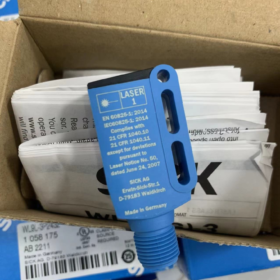
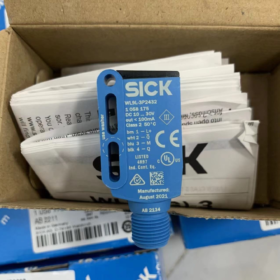
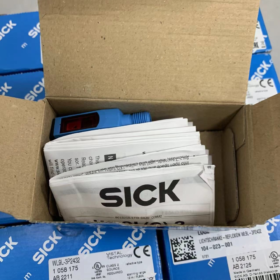
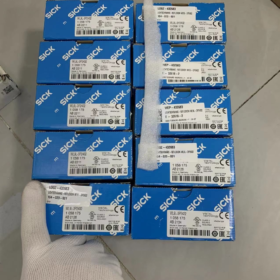
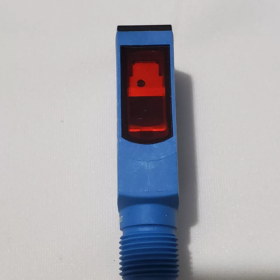

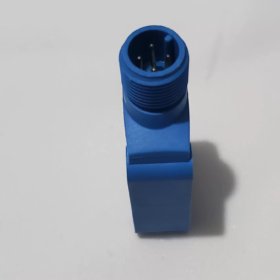
Informações básicas do modelo
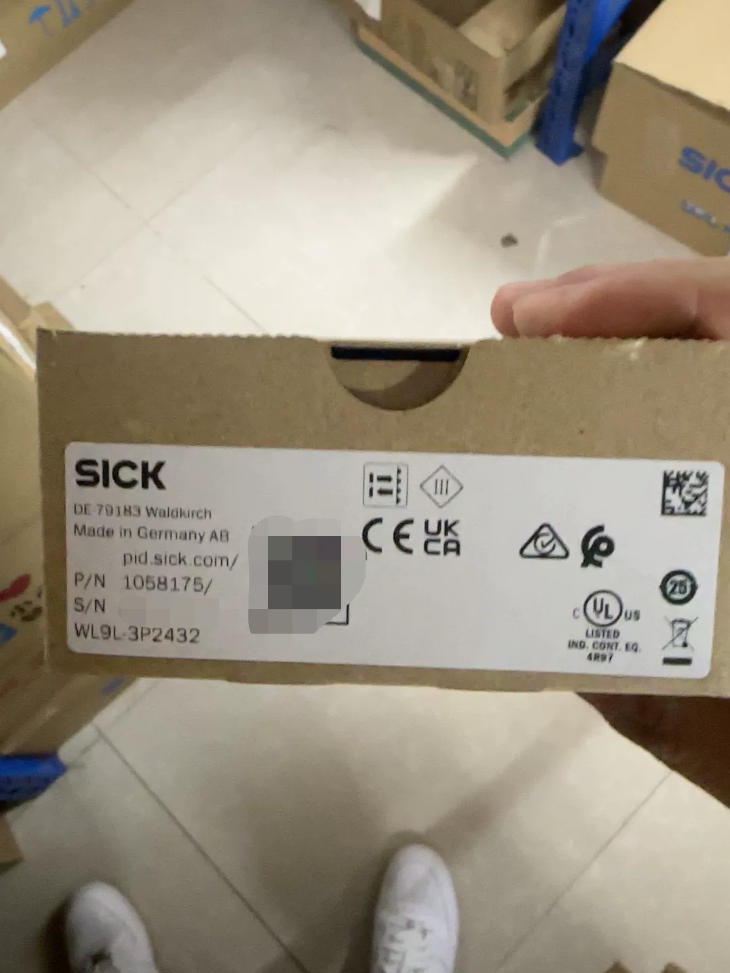
Modelo completo não.: WL9L-3P2432
Pedido nº.: 1058175
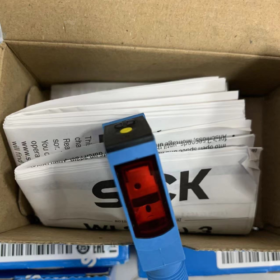
Série de produtos: W9 Mini Quadrado Sensor fotoelétrico
Princípio de detecção: Laser coaxial retro-reflexivo (com filtro de polarização)
Origem: DOENTE, Alemanha
Detalhamento do código do modelo
WL9L 3 P 2432
- WL9L: Série W9, fonte de luz laser, tipo retro-reflexivo
- 3: Conector M12 macho de 4 pinos
- P: Saída de transistor PNP
- 24: Ampla fonte de tensão DC 10~30V
- 32: Saída complementar light-on/dark-on, aprendizagem com botão único, sem IO-Link
- Parâmetros ópticos principais
| Item de parâmetro | Especificação |
| Fonte de luz | 650laser vermelho visível nm, Aula 1 laser (seguro contra radiação) |
| Ponto de luz | φ1 mm @ 500 mm, ponto ultrafino para detecção de peças pequenas |
| Máx.. Alcance de detecção (com refletor PL80A) | 0~12m |
| Faixa operacional confiável padrão | 0~8m |
| Filtro de polarização | Integrado, suprime a interferência de reflexos metálicos brilhantes |
| Método de ajuste | Calibração Teach-in com botão único no invólucro |
- Desempenho Elétrico
- Fonte de energia: CC 10~30V, ondulação < 5Vice-presidente
- Corrente Quiescente: 30mA (sem carga)
- Saída: Saída PNP complementar (luz comutável / escuro)
- Corrente de carga: ≤100mA; desclassificado para 50mA acima de 50℃
- Tempo de resposta: ≤0,5ms, frequência de comutação 1000Hz
- Proteções: Proteção contra polaridade reversa, proteção contra curto-circuito, Supressão SIRIC® EMI
- Proteção de entrada: IP66 / IP67 / IP69K (lavável a alta pressão)
- Dimensões Mecânicas & Montagem
Contorno: 12.2 (C) × 52.2 (H) × 23.6 (D) milímetros
Montagem: Furos de montagem roscados M3 em ambos os lados
Habitação: Plástico de engenharia VISTAL de alta resistência, Lente óptica PMMA
Peso: 13g
Temperatura operacional: -10℃ ~ +50 ℃; baixa temperatura prolongada -30℃~+55℃
Temperatura de armazenamento: -30℃ ~ +70 ℃
- Atribuição de pinos M12 de 4 pinos (Conector Macho)
- Pino1: Marrom DC24V Positivo
- Pino2: Branco Reservado / Nenhuma entrada externa
- Pino3: Azul 0V GND Negativo
- Pino 4: Saída de sinal PNP preto
- Principais vantagens
- Ponto de laser ultrafino: Detecção estável de peças minúsculas, lacunas, rótulos e filmes transparentes
- Óptica Coaxial + Polarizador: Elimina o falso disparo da folha de alumínio, superfícies de aço inoxidável e espelho
- Alcance de detecção ultralongo de 12 m, permite instalação a longa distância em equipamentos compactos
- Poeira IP69K & resistência à água, adequado para linhas de produção de alimentos e lavagem
- Programação com botão único, correspondência com um clique para refletor e limite de detecção
- 1Desempenho de alta velocidade em kHz, nenhuma contagem perdida em linhas de transporte de alta velocidade
- Padrão & Acessórios opcionais
Refletor não incluído como padrão, compra separada necessária: PL80A (refletor padrão 80×80)
Acessórios opcionais: Suporte de montagem M3 em forma de L, Filme reflexivo REF-AC1000, Cabos conectores retos/angulares M12
- Cenários típicos de aplicação
Máquinas de embalagem: Detecção de presença de filmes transparentes, pequenas tampas e rótulos de garrafas
Equipamentos Eletrônicos: Posicionamento de componentes e terminais de PCB em miniatura
Transportadores de manuseio de materiais: Contagem e detecção na posição de caixas e recipientes de metal
Linhas de processamento de alimentos: Estações de lavagem, identificação de recipientes metálicos
Automação de máquinas-ferramenta: Detecção de peça em posição, verificação de presença de peças minúsculas
- Modelos alternativos na mesma série
- WL9-3P2432: LED retro-reflexivo padrão, local maior, 5alcance m, menor custo
- WL9LG-3P2432: Laser retro-reflexivo, 4.5m alcance máximo, variante econômica de curta distância
- WL9LC-3P2432A00: Comunicação IO-Link suportada, upload remoto de parâmetros & diagnóstico disponível
Instalação completa & Manual de comissionamento para sensor fotoelétrico retrorreflexivo a laser SICK WL9L-3P2432
Informações básicas do documento
Modelo: WL9L-3P2432|Número do pedido.: 1058175
Série de produtos: Sensor fotoelétrico retrorreflexivo a laser coaxial W9L
Padrões Aplicáveis: IEC60825-1 (Aula 1 Laser Seguro), IP67/IP69K, CE, UL
Cobertura manual: Montagem mecânica, fiação elétrica, calibração de aprendizagem, solução de problemas, especificações de segurança
- Regulamentos obrigatórios de segurança de pré-instalação
- Segurança Laser
Este produto é Classe 1 laser; sem riscos para os olhos sob operação normal. Não desmonte componentes ópticos; não veja o ponto do laser diretamente através de lentes de aumento.
- Segurança Elétrica
Desconecte a fonte de alimentação DC24V antes de conectar ou desmontar. Somente alimentação DC10~30V permitida; A entrada AC220V é estritamente proibida.
- Limitação de segurança funcional
Não projetado para circuitos de segurança, como portões de segurança de máquinas ou proteção de parada de emergência; apenas para detecção e contagem de presença padrão.
- Restrições Ambientais
Evite luz solar direta intensa, luz de arco de soldagem, spray contínuo de névoa de óleo, e equipamentos de vibração pesada. Vibração >10g requer suportes de absorção de choque.
- Seção de montagem mecânica
2.1 Dimensões do contorno (L×A×P)
12.2 milímetros × 52.2 milímetros × 23.6 milímetros, M3 através de furos em ambos os lados (diâmetro do furo 3,1 mm)
2.2 Lista de acessórios de montagem para compra separada
- Suporte de montagem: BEF-WN-W9-2 (Suporte universal de aço galvanizado em forma de L)
- Refletor Padrão: PL80A (80×80mm, padrão para 0~12m); PL40A opcional para curto alcance
- Cabos: M12 4 pinos reto / cabos angulares YF2A14 (2comprimentos m/5m/10m)
2.3 Procedimentos de montagem
- Fixe o suporte na estrutura rígida da máquina; Torque do parafuso M3 0,6~0,8N·m, não aperte demais para evitar rachaduras na caixa.
- Instale o sensor no suporte com ângulo ajustável; bloqueie os parafusos firmemente para eliminar a agitação.
- Regras principais para instalação de refletores (Crítico)
A superfície do refletor deve ser perpendicular ao eixo óptico do laser do sensor, ângulo de inclinação ≤3°; perda de sinal ocorre se a inclinação >5°
Monte o refletor em uma superfície plana, placa de metal sem vibração; não prenda em plástico macio ou esponja
O ponto do laser deve estar dentro da área central do refletor; a reflexão da borda reduz o alcance de detecção
- Especificações de alcance
Máximo absoluto. Faixa: 12eu (com PL80A)
Zona operacional estável e confiável: 0~8m (faixa recomendada pelo engenheiro)
Zona Cega Mínima: 0eu (óptica coaxial elimina zona cega de curto alcance)
2.4 Montagem de prevenção contra armadilhas
Reserve folga ≥10 mm em ambos os lados do caminho óptico para evitar que a peça de trabalho ou o suporte bloqueiem o feixe de laser;
O filtro de polarização integrado deve ser utilizado para peças espelhadas metálicas e embalagens de folha de alumínio; evite reflexões sobrepostas do refletor e das partes alvo;
Para estações de lavagem de alimentos com exigência IP69K, monte a lente voltada para baixo para reduzir o acúmulo de água e poeira.
- Especificações de fiação elétrica
3.1 Atribuição macho M12 de 4 pinos (Cor padrão do fio marrom/branco/preto/azul)
| Pino Não. | Cor do fio | Função | Descrição |
| Pino1 | Marrom | CC24V+ | Fonte de alimentação positiva DC10~30V |
| Pino2 | Branco | Pin reservado não utilizado | Nenhuma função de entrada neste modelo; deixe desconectado |
| Pino3 | Azul | 0V/GND | Potência negativa & terra de sinal comum |
| Pino 4 | Preto | Saída PNP Complementar | Comutável claro/escuro, carga máxima 100mA |
3.2 Padrões de construção de fiação
- Seleção de cabos: Cabo sensor blindado/não blindado em PVC, seção transversal do fio 0,34 ~ 0,5 mm²;
- Separação de Fiação: Mantenha uma folga de ≥30 cm entre os cabos de alimentação (inversores, motores) e cabos de sinal do sensor; cruze os fios perpendicularmente quando necessário;
- Aterramento da blindagem: Aterramento de ponto único da camada de blindagem somente no lado do gabinete de controle; deixe a blindagem não aterrada na extremidade do sensor;
- Carga de saída: A saída PNP se conecta ao terminal positivo do módulo de entrada PLC; corrente de carga ≤100mA; não acione válvulas solenóides diretamente.
3.3 Recursos de proteção elétrica
Proteção integrada contra polaridade reversa, proteção contra curto-circuito de saída, supressão de surto; ondulação de pico de fornecimento ≤5Vpp.
- Operação de calibração Teach-In ao ligar (Teach-In com botão único)
4.1 Descrição da luz indicadora
LED verde: Indicador de energia, estável = fonte de alimentação normal; desligado = corte de energia / curto-circuito
LED amarelo: Indicador de sinal, ligado = laser refletido recebido; desligado = feixe bloqueado
4.2 Procedimento padrão de aprendizagem (Padrão de fábrica: Luz acesa)
- Ligar, garantir que o feixe de laser atinja totalmente o refletor, LED amarelo permanece aceso;
- Nenhuma peça de trabalho (feixe desobstruído): Pressione e segure o botão de ensino na caixa por 2s, verde & LEDs amarelos piscam uma vez de forma síncrona para salvar a linha de base de referência;
- Peça de trabalho de detecção de lugar (feixe bloqueado): Pressione e segure o botão de ensino por mais 2s, ambos os LEDs piscam duas vezes para concluir o ensino;
- Solte o botão e teste: LED amarelo apagado com peça presente, LED amarelo aceso sem peça de trabalho (Modo leve).
4.3 Mudar para o modo escuro
Após o ensino padrão, segure o botão por 5s; verde & LEDs amarelos piscam rapidamente 3 vezes, saída muda para Dark-On: LED amarelo aceso e saída energizada quando a peça está presente.
4.4 Restaurar configurações padrão de fábrica
Segure o botão de ensino continuamente por 10s; todos os LEDs piscam consecutivamente, todos os parâmetros redefinidos para o estado de fábrica (Luz acesa, sensibilidade padrão).
- Critérios de aceitação de comissionamento
- Sem carga (sem peça de trabalho): LED verde aceso, LED amarelo estável aceso, nenhum sinal de entrada para PLC;
- Feixe bloqueado (peça de trabalho em posição): LED verde aceso, LED amarelo apagado, sinal consistente recebido pelo PLC;
- Teste de Operação Contínua: 30mínimo de operação ininterrupta do transportador sem falsos acionamentos ou falta de detecções;
- Teste de condição limite: Disparo estável com faixa operacional máxima de 8 m e ambiente com leve poeira.
- Ambiental & Especificações Mecânicas
- Temperatura operacional: -10℃ ~ +50 ℃; baixa temperatura de curto prazo -30 ℃ (ocorre degradação do desempenho)
- Proteção de entrada: IP66, IP67, IP69K (80℃ lavagem de alta pressão disponível)
- Material da Habitação: Plástico VISTAL de alta resistência, resistente ao fluido de corte, ácido fraco e álcali
- Tempo de resposta: ≤0,5ms, frequência de comutação 1000Hz, compatível com linhas de transporte de alta velocidade
- Especificação pontual: φ1 mm @ 500 mm, detecção de alta precisão para pequenas peças e etiquetas
- Matriz de solução de problemas para falhas comuns
| Fenômeno de falha | Causa raiz | Etapas da solução |
| LED verde apagado, nenhuma resposta | Fonte de alimentação reversa / tensão insuficiente / cabo quebrado | 1. Meça a tensão entre Pin1-Pin3 com multímetro (10~30V); 2. Verifique marrom & fiação azul; 3. Substitua o conector M12 |
| LED verde aceso permanentemente, LED amarelo nunca acende | Laser desalinhado com refletor / refletor sujo / a distância excede 12m | 1. Realinhe o eixo óptico perpendicular ao refletor; 2. Limpe a lente e o refletor; 3. Reduza a distância de montagem em 8 m |
| LED amarelo pisca sem peça de trabalho, gatilhos falsos frequentes | Luz ambiente difusa, reflexão de superfície metálica, sensibilidade excessiva | 1. Instale proteção contra luz; 2. Reensinar para reduzir a sensibilidade; 3. Substitua por refletor específico de polarização |
| Sem saída de sinal quando a peça passa (detecção perdida) | Limite de aprendizagem incorreto, deslocamento de ponto a laser da peça de trabalho | 1. Conclua novamente o ensino completo em duas etapas; 2. Ajuste a altura do sensor para bloquear totalmente o feixe de laser com a peça de trabalho |
| Sinal de saída intermitente | Suporte solto, tensão do cabo, entrada de água no conector | 1. Aperte os parafusos de montagem; 2. Adicione clipes de fixação de cabos; 3. Seque o conector e envolva-o com fita impermeável |
- Especificações de manutenção
- Inspeção Diária: Limpe a poeira e o óleo da lente do sensor e do refletor com um pano sem fiapos + etanol anidro;
- Inspeção Semanal: Verifique os parafusos do suporte e os conectores M12 quanto a folgas ou manchas de água;
- Calibração Anual: Execute novamente o procedimento de aprendizagem para eliminar o desvio de sensibilidade causado pelo acúmulo de poeira;
- Operações Proibidas: Não arranhe a lente óptica com objetos duros; não dobre acentuadamente os cabos do conector M12.
- Notas sobre Alternativa & Seleção de peças correspondentes
- Alternativa de curto alcance: WL9LG-3P2432 (máx. 4,5 m laser retrorreflexivo)
- Versão de comunicação IO-Link: WL9LC-3P2432A00 (suporta leitura remota de parâmetros & diagnóstico)
- Seleção de Refletor: PL80A preferido para longa distância; Película reflexiva REF-AC1000 para espaços confinados estreitos
Princípio de funcionamento do SICK WL9L-3P2432
- Definição do tipo de sensor
WL9L-3P2432 é um sensor fotoelétrico retrorreflexivo polarizado a laser coaxial. Componentes principais: 650diodo laser vermelho nm, óptica de divisão de feixe coaxial, filtro de polarização, recebendo fotodiodo, circuito de processamento de sinal, Unidade de saída PNP.
- Princípio Óptico Central: Óptica Coaxial (Diferença chave dos sensores retrorreflexivos padrão)
- Lado do transmissor
O diodo laser interno emite feixe de laser paralelo ultrafino (1ponto mm em 500mm). O feixe passa através de um polarizador de transmissão para produzir um laser polarizado linearmente com direção de polarização única.
- Design óptico coaxial
Os caminhos ópticos de transmissão e recepção compartilham uma lente. O feixe de laser é emitido do centro do sensor, a luz refletida retorna ao longo de um caminho óptico idêntico de volta à lente, eliminando a zona cega de detecção. Sensores retrorreflexivos padrão separados possuem zonas cegas de curto alcance, enquanto este modelo alcança detecção estável a 0m.
- Característica de reflexão do refletor
O refletor PL80A combinado adota estrutura retrorrefletiva: a luz retorna paralelamente à direção do incidente, mesmo com pequeno deslocamento angular; enquanto isso, o refletor muda o ângulo de polarização do laser.
- Triagem de polarização no lado do receptor
Filtro de polarização ortogonal integrado dentro da lente:
Luz refletida pelo refletor: ângulo de polarização alterado, penetra no polarizador receptor, fotodiodo recebe sinal óptico;
Luz difusa refletida diretamente do metal, folha de alumínio ou alvos de espelho: ângulo de polarização inalterado, totalmente bloqueado pelo polarizador para evitar falsos disparos.
> Este é o princípio fundamental que permite a detecção estável de metal brilhante e embalagens embrulhadas em filme.
- Fluxo de trabalho de detecção completo (Dois estados: Peça presente / Ausente)
Estado 1: Sem peça de trabalho (Caminho óptico desobstruído)
- O feixe de laser emite → atinge o refletor e reflete de volta ao longo do caminho original;
- A luz refletida passa pelo filtro de polarização e chega ao elemento fotoelétrico receptor;
- Fotodiodo gera sinal de corrente, circuito amplificador interno identifica “luz de retorno recebida”;
- O circuito emite o nível de tensão correspondente:
Modo leve: Saída PNP energizada (24Saída V);
Modo escuro: Saída PNP desenergizada.
- O LED de sinal amarelo na caixa permanece aceso.
Estado 2: Caminho Óptico dos Blocos da Peça
- Peça de trabalho corta feixe de laser, nenhuma luz retorna ao sensor;
- Nenhum sinal de entrada para receber o fotodiodo;
- Juízes do circuito interno “sem luz de retorno”, inverte o nível de tensão de saída;
- LED de sinal amarelo apaga.
- Princípio de ajuste de limite por meio de Teach-In com botão único
O microcontrolador integrado ao sensor armazena dois valores de referência de intensidade de luz por meio de programação com um único botão:
- Intensidade máxima de luz recebida com caminho óptico desobstruído (refletido pelo refletor);
- Intensidade mínima de luz recebida sob bloqueio total do feixe;
O MCU calcula automaticamente o limite intermediário para distinguir “luz presente / luz ausente”, adaptando-se a ambientes empoeirados e menor atenuação de luz para evitar operação anormal.
- Princípio de conversão de saída elétrica
- Alimentado por DC10~30V; regulador de tensão interno fornece energia para diodo laser e chip de processamento;
- Sinal fotoelétrico analógico amplificado, convertido em sinal digital via ADC e transmitido para MCU;
- MCU compara a intensidade da luz com o limite e aciona a saída do transistor PNP;
- Fio preto Pin4 é saída PNP: saída ≈ tensão de alimentação 24V quando energizada, carga máxima 100mA; circuitos integrados de proteção contra curto-circuito e inversão de polaridade.
- Resumo dos princípios correspondentes às principais vantagens técnicas
- Ponto de laser ultrafino: A fonte de laser colimada evita a difusão pontual em longas distâncias, adequado para detecção de peças pequenas e lacunas;
- Polarização Anti-Interferência: A óptica de polarização ortogonal elimina a detecção falsa de reflexos espelhados de aço inoxidável e folha de alumínio;
- Zona cega zero coaxial: Eixo óptico de transmissão-recepção compartilhado permite detecção estável a curta distância de 0 m;
- Resposta de alta velocidade ≤0,5ms: Resposta rápida do laser combinada com chip de processamento de alta velocidade, 1A frequência de comutação em kHz se adapta a linhas de produção de alta velocidade.
- Princípio operacional simplificado de linguagem simples
O sensor emite um feixe de laser polarizado fino; o refletor oposto reflete a luz de volta ao longo do caminho original. Lente polarizadora interna aceita apenas luz refletida do refletor. Quando uma peça de trabalho bloqueia o laser, nenhum sinal é recebido. O circuito interno alterna os níveis de tensão de saída PNP alto/baixo para transmitir “material presente / ausente” sinal para PLC.


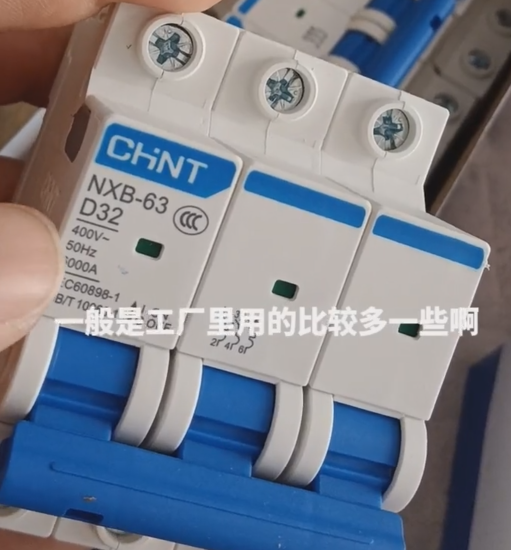
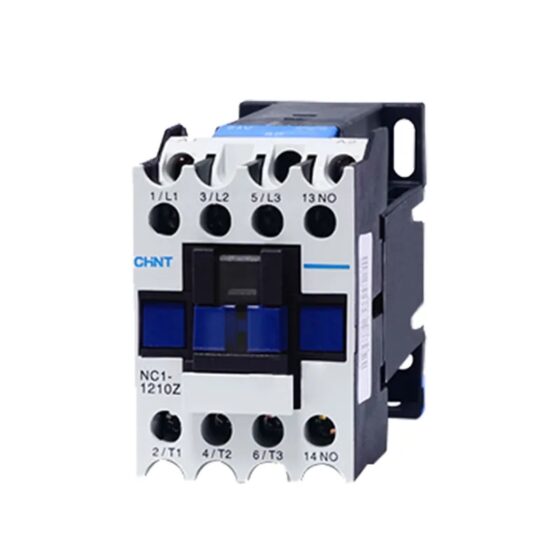
NH42-63-318x560.png "Chaves de transferência automática tipo PC CHINT (ATS)NH42-63/4SZ")