Contactor,întrerupător de circuit,senzor,Codificator,PLC,Convertor



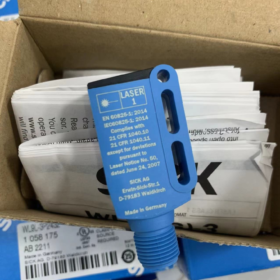
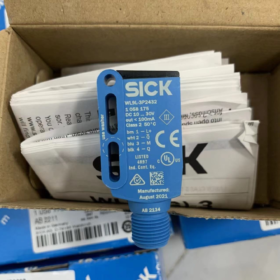
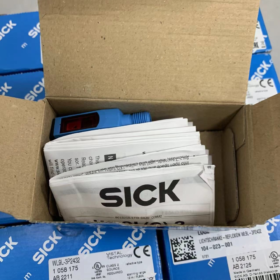
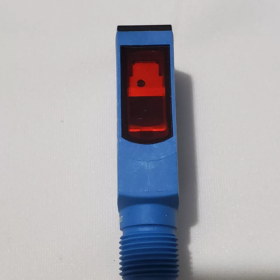

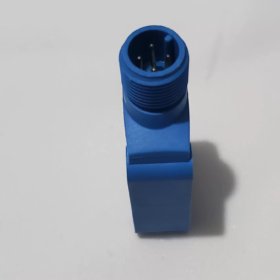
Informații de bază despre model
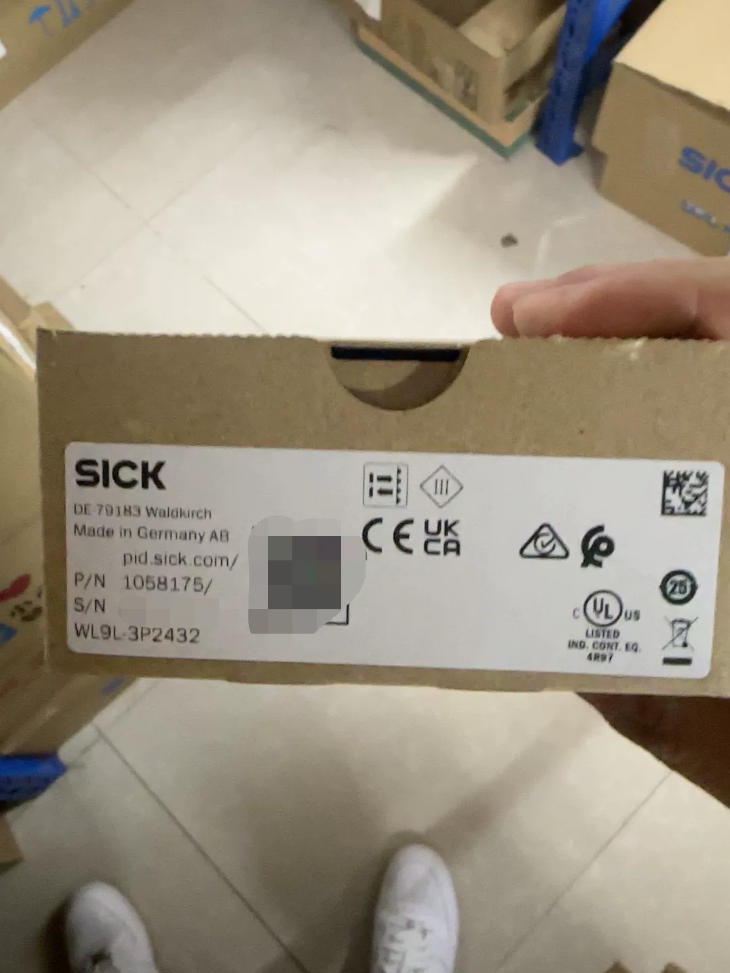
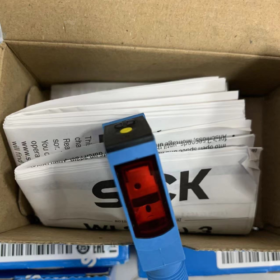
Model complet nr.: WL9L-3P2432
Comanda nr.: 1058175
Seria de produse: W9 Mini Square Senzor fotoelectric
Principiul detectării: Coaxial Laser Retro-Reflective (with Polarization Filter)
Origine: BOLNAV, Germania
Defalcarea codului de model
WL9L 3 P 2432
- WL9L: W9 series, laser light source, retro-reflective type
- 3: M12 male 4-pin connector
- P: Ieșire tranzistor PNP
- 24: Wide voltage supply DC 10~30V
- 32: Complementary light-on/dark-on output, single-button teach-in, fără IO-Link
- Core Optical Parameters
| Element de parametru | Caietul de sarcini |
| Sursă de lumină | 650nm laser roșu vizibil, Clasă 1 laser (radiation-safe) |
| Punct de lumină | φ1mm @ 500mm, ultra-fine spot for tiny workpiece detection |
| Max. Raza de detectare (cu reflector PL80A) | 0~12m |
| Standard Reliable Operating Range | 0~8m |
| Polarization Filter | Încorporat, suppresses interference from glossy metal reflections |
| Metoda de ajustare | Single-button teach-in calibration on housing |
- Performanță electrică
- Alimentare electrică: DC 10~30V, clipoci < 5Vpp
- Curent de repaus: 30mA (fara sarcina)
- Ieșire: Complementary PNP output (switchable light-on / dark-on)
- Curent de sarcină: ≤100mA; derated to 50mA above 50℃
- Timp de răspuns: ≤0,5 ms, switching frequency 1000Hz
- Protections: Protectie inversa polaritatii, protectie la scurtcircuit, SIRIC® EMI suppression
- Protecție la intrare: IP66 / IP67 / IP69K (high-pressure washable)
- Dimensiuni mecanice & Montare
Outline: 12.2 (W) × 52.2 (H) × 23.6 (D) mm
Montare: M3 threaded mounting holes on both sides
Locuințe: High-strength VISTAL engineering plastic, Lentila optică PMMA
Greutate: 13g
Temperatura de operare: -10℃ ~ +50℃; extended low temp -30℃~+55℃
Temperatura de depozitare: -30℃ ~ +70℃
- Atribuire pin M12 cu 4 pini (Male Connector)
- Pin1: Brown DC24V Positive
- Pin2: White Reserved / No external input
- Pin3: Blue 0V GND Negative
- Pin4: Black PNP Signal Output
- Avantajele de bază
- Ultra-fine Laser Spot: Stable detection of tiny parts, gaps, labels and transparent films
- Coaxial Optics + Polarizer: Eliminates false triggering from aluminum foil, stainless steel and mirror surfaces
- Ultra-long 12m sensing range, enables long-distance installation in compact equipment
- IP69K dust & rezistenta la apa, suitable for food and washing production lines
- Single-button teach-in, one-click matching for reflector and detection threshold
- 1kHz high-speed performance, no missing counts on high-speed conveying lines
- Standard & Accesorii optionale
Reflector not included as standard, separate purchase required: PL80A (standard 80×80 reflector)
Accesorii optionale: L-shaped M3 mounting bracket, REF-AC1000 reflective film, M12 straight/angled connector cables
- Scenarii tipice de aplicare
Mașini de ambalare: Presence detection of transparent films, small bottle caps and labels
Electronic Equipment: Positioning of miniature PCB components and terminals
Material Handling Conveyors: Counting and in-position detection of cartons and metal bins
Food Processing Lines: Washing stations, metal container identification
Machine Tool Automation: Workpiece in-position detection, tiny part presence check
- Alternative Models in Same Series
- WL9-3P2432: Standard LED retro-reflective, larger spot, 5m interval, cost mai mic
- WL9LG-3P2432: Laser retro-reflective, 4.5m max range, economical short-distance variant
- WL9LC-3P2432A00: IO-Link communication supported, remote parameter upload & diagnosis available
Instalare completă & Commissioning Manual for SICK WL9L-3P2432 Laser Retro-Reflective Photoelectric Sensor
Informații de bază ale documentului
Model: WL9L-3P2432|Order No.: 1058175
Seria de produse: W9L Coaxial Laser Retro-Reflective Photoelectric Sensor
Standarde aplicabile: IEC60825-1 (Clasă 1 Safe Laser), IP67/IP69K, CE, UL
Manual Coverage: Mechanical mounting, electrical wiring, teach-in calibration, depanare, safety specifications
- Mandatory Pre-Installation Safety Regulations
- Siguranța laserului
This product is Class 1 laser; no eye hazards under normal operation. Do not disassemble optical components; do not view laser spot directly through magnifying lenses.
- Siguranța electrică
Disconnect DC24V power supply before wiring or disassembly. Only DC10~30V power permitted; AC220V input is strictly prohibited.
- Functional Safety Limitation
Not designed for safety circuits such as machine safety gates or emergency stop protection; only for standard presence detection and counting.
- Restricții de mediu
Avoid direct intense sunlight, welding arc light, continuous oil mist spray, and heavy vibration equipment. Vibrație >10g requires shock-absorbing brackets.
- Mechanical Mounting Section
2.1 Dimensiuni de contur (L×A×D)
12.2 mm × 52.2 mm × 23.6 mm, M3 through holes on both sides (hole diameter 3.1mm)
2.2 List of Separate Purchase Mounting Accessories
- Suport de montare: BEF-WN-W9-2 (Universal L-shaped galvanized steel bracket)
- Standard Reflector: PL80A (80×80mm, standard for 0~12m); PL40A optional for short range
- Cabluri: M12 4-pin straight / angled cables YF2A14 (2m/5m/10m lengths)
2.3 Proceduri de montare
- Fix the bracket onto rigid machine frame; M3 screw torque 0.6~0.8N·m, do not over-tighten to avoid cracking housing.
- Install sensor into bracket with adjustable angle; lock screws firmly to eliminate shaking.
- Key Rules for Reflector Installation (Critic)
Reflector surface must be perpendicular to sensor laser optical axis, tilt angle ≤3°; signal loss occurs if tilt >5°
Mount reflector on flat, vibration-free metal plate; do not attach to soft plastic or sponge
Laser spot must fall within the central area of reflector; edge reflection reduces sensing range
- Range Specifications
Absolute Max. Gamă: 12m (with PL80A)
Stable Reliable Operating Zone: 0~8m (engineer recommended range)
Minimum Blind Zone: 0m (coaxial optics eliminates near-range blind zone)
2.4 Mounting Pitfall Prevention
Reserve ≥10mm clearance on both sides of optical path to avoid workpiece or bracket blocking laser beam;
Built-in polarization filter must be utilized for metallic mirror workpieces and aluminum foil packages; avoid overlapping reflections from reflector and target parts;
For food washing stations with IP69K requirement, mount lens facing downward to reduce water and dust accumulation.
- Specificații cablare electrică
3.1 M12 Male 4-Pin Assignment (Standard Brown/White/Black/Blue Wire Color)
| PIN nr. | Culoarea firului | Funcţie | Descriere |
| Pin1 | Maro | DC24V+ | Positive power supply DC10~30V |
| Pin2 | Alb | Reserved Unused Pin | No input function on this model; leave unconnected |
| Pin3 | Albastru | 0V/GND | Putere negativă & common signal ground |
| Pin4 | Negru | Complementary PNP Output | Switchable light-on/dark-on, max load 100mA |
3.2 Wiring Construction Standards
- Selectarea cablului: PVC shielded/unshielded sensor cable, wire cross-section 0.34~0.5mm²;
- Separarea cablajului: Maintain ≥30cm clearance between power cables (invertoare, motoare) and sensor signal cables; cross wires perpendicularly when necessary;
- Shield Grounding: Shield layer single-point grounding only at control cabinet side; leave shield ungrounded at sensor end;
- Sarcina de iesire: PNP output connects to positive terminal of PLC input module; load current ≤100mA; do not drive solenoid valves directly.
3.3 Electrical Protection Features
Built-in reverse polarity protection, protectie la scurtcircuit la iesire, surge suppression; peak supply ripple ≤5Vpp.
- Power-On Teach-In Calibration Operation (Single-Button Teach-In)
4.1 Indicator Light Description
LED verde: Indicator de putere, steady on = normal power supply; off = power cut / scurt-circuit
LED galben: Signal indicator, on = reflected laser received; off = beam blocked
4.2 Standard Teach-In Procedure (Implicit din fabrică: Light-On)
- Porniți, ensure laser beam hits reflector fully, yellow LED stays lit;
- No workpiece (beam unobstructed): Press and hold teach button on housing for 2s, verde & yellow LEDs flash once synchronously to save reference baseline;
- Place detection workpiece (beam blocked): Press and hold teach button another 2s, both LEDs flash twice to complete teach-in;
- Release button and test: Yellow LED off with workpiece present, yellow LED on without workpiece (Light-On mode).
4.3 Switch to Dark-On Mode
After standard teach-in, hold button for 5s; verde & yellow LEDs flash rapidly 3 ori, output switches to Dark-On: yellow LED on and output energized when workpiece is present.
4.4 Restabiliți setările implicite din fabrică
Hold teach button continuously for 10s; all LEDs flash consecutively, all parameters reset to factory state (Light-On, standard sensitivity).
- Commissioning Acceptance Criteria
- Fără sarcină (no workpiece): Green LED steady on, yellow LED stable on, nici un semnal de intrare la PLC;
- Beam blocked (workpiece in position): Green LED steady on, yellow LED off, consistent signal received by PLC;
- Continuous Operation Test: 30min uninterrupted conveyor running without false triggering or missing detections;
- Limit Condition Test: Stable triggering at 8m maximum operating range and slight dusty environment.
- de mediu & Specificatii mecanice
- Temperatura de operare: -10℃ ~ +50℃; short-term low temp -30℃ (performance degradation occurs)
- Protecție la intrare: IP66, IP67, IP69K (80℃ high-pressure wash available)
- Materialul carcasei: High-strength VISTAL plastic, resistant to cutting fluid, weak acid and alkali
- Timp de răspuns: ≤0,5 ms, switching frequency 1000Hz, compatible with high-speed conveying lines
- Spot Specification: φ1mm @ 500mm, high-precision detection for tiny parts and labels
- Matricea de depanare pentru erori comune
| Fenomen de eroare | Cauza de bază | Solution Steps |
| Green LED off, niciun răspuns | Reverse power supply / insufficient voltage / cablu rupt | 1. Measure voltage between Pin1-Pin3 with multimeter (10~30V); 2. Verify brown & blue wiring; 3. Replace M12 connector |
| Green LED on permanently, yellow LED never lights | Laser misaligned with reflector / dirty reflector / distance exceeds 12m | 1. Realign optical axis perpendicular to reflector; 2. Wipe lens and reflector; 3. Shorten mounting distance within 8m |
| Yellow LED flickers without workpiece, frequent false triggers | Ambient stray light, metal surface reflection, excessive sensitivity | 1. Install light shield; 2. Re-teach to reduce sensitivity; 3. Replace with polarization-specific reflector |
| No signal output when workpiece passes (missed detection) | Incorrect teach-in threshold, laser spot offset from workpiece | 1. Complete full two-step teach-in again; 2. Adjust sensor height to fully block laser beam with workpiece |
| Semnal de ieșire intermitent | Loose bracket, cable tension, water ingress in connector | 1. Strângeți șuruburile de montare; 2. Add cable fixing clips; 3. Dry connector and wrap with waterproof tape |
- Maintenance Specifications
- Inspecție zilnică: Wipe dust and oil from sensor lens and reflector with lint-free cloth + etanol anhidru;
- Weekly Inspection: Check bracket screws and M12 connectors for looseness or water stains;
- Annual Calibration: Re-run teach-in procedure to eliminate sensitivity drift caused by dust accumulation;
- Operațiuni interzise: Do not scratch optical lens with hard objects; do not sharply bend M12 connector cables.
- Notes on Alternative & Matching Part Selection
- Short-Range Alternative: WL9LG-3P2432 (max 4.5m laser retro-reflective)
- IO-Link Communication Version: WL9LC-3P2432A00 (supports remote parameter reading & diagnostic)
- Reflector Selection: PL80A preferred for long distance; REF-AC1000 reflective film for narrow confined spaces
Operating Principle of SICK WL9L-3P2432
- Sensor Type Definition
WL9L-3P2432 is a coaxial laser polarized retro-reflective photoelectric sensor. Core components: 650nm red laser diode, coaxial beam splitting optics, polarization filter, receiving photodiode, signal processing circuit, PNP output unit.
- Core Optical Principle: Coaxial Optics (Key Difference from Standard Retro-Reflective Sensors)
- Transmitter Side
Internal laser diode emits ultra-fine parallel laser beam (1mm spot at 500mm). Beam passes through a transmitting polarizer to output linearly polarized laser with single polarization direction.
- Coaxial Optical Design
Transmitting and receiving optical paths share one lens. Laser beam emits from sensor center, reflected light returns along identical optical path back to lens, eliminating detection blind zone. Separated standard retro-reflective sensors have near-range blind zones, while this model achieves stable detection at 0m.
- Reflector Reflection Characteristic
Matched PL80A reflector adopts retroreflective structure: light returns parallel to incident direction even with minor angular offset; meanwhile the reflector changes laser polarization angle.
- Polarization Screening at Receiver Side
Orthogonal polarization filter integrated inside lens:
Light reflected from reflector: polarization angle shifted, penetrates receiving polarizer, photodiode receives optical signal;
Stray light directly reflected from metal, aluminum foil or mirror targets: unchanged polarization angle, fully blocked by polarizer to avoid false triggering.
> This is the core principle enabling stable detection of glossy metal and film-wrapped packages.
- Complete Detection Workflow (Two States: Workpiece Present / Absent)
Stat 1: No Workpiece (Optical Path Unobstructed)
- Laser beam emits → hits reflector and reflects back along original path;
- Reflected light passes polarization filter and reaches receiving photoelectric element;
- Photodiode generates current signal, internal amplifier circuit identifies “return light received”;
- Circuit outputs corresponding voltage level:
Light-On Mode: PNP output energized (24Ieșire V);
Dark-On Mode: PNP output de-energized.
- Yellow signal LED on housing stays steady lit.
Stat 2: Workpiece Blocks Optical Path
- Workpiece cuts laser beam, no light returns to sensor;
- No input signal to receiving photodiode;
- Internal circuit judges “no return light”, flips output voltage level;
- Yellow signal LED turns off.
- Threshold Adjustment Principle via Single-Button Teach-In
Sensor built-in microcontroller stores two reference light intensity values through single-button teach-in:
- Maximum received light intensity with unobstructed optical path (reflected by reflector);
- Minimum received light intensity under full beam blockage;
MCU automatically calculates intermediate threshold to distinguish “light present / light absent”, adapting to dusty environments and minor light attenuation to prevent abnormal operation.
- Electrical Output Conversion Principle
- Powered by DC10~30V; internal voltage regulator supplies power to laser diode and processing chip;
- Analog photoelectric signal amplified, converted to digital signal via ADC and transmitted to MCU;
- MCU compares light intensity against threshold and drives PNP transistor output;
- Black wire Pin4 is PNP output: output ≈ supply voltage 24V when energized, max load 100mA; built-in short-circuit and reverse polarity protection circuits.
- Summary of Principles Corresponding to Key Technical Advantages
- Ultra-fine Laser Spot: Collimated laser source prevents spot diffusion over long distance, suitable for tiny part and gap detection;
- Polarization Anti-Interference: Orthogonal polarization optics eliminates false detection from stainless steel and aluminum foil mirror reflections;
- Coaxial Zero Blind Zone: Shared transmit-receive optical axis enables stable detection at 0m close range;
- High-Speed Response ≤0.5ms: Fast laser response matched with high-speed processing chip, 1kHz switching frequency fits high-speed production lines.
- Simplified Plain-Language Operating Principle
The sensor emits thin polarized laser beam; the opposite reflector bounces light back along the original path. Internal polarizing lens only accepts reflected light from the reflector. When a workpiece blocks the laser, no signal is received. Internal circuit switches high/low PNP output voltage levels to transmit “material present / absent” signal to PLC.


NH42-63-318x560.png "Comutatoare de transfer automat de tip PC CHINT (ATS)NH42-63/4SZ")