Contactor,întrerupător de circuit,senzor,Codificator,PLC,Convertor

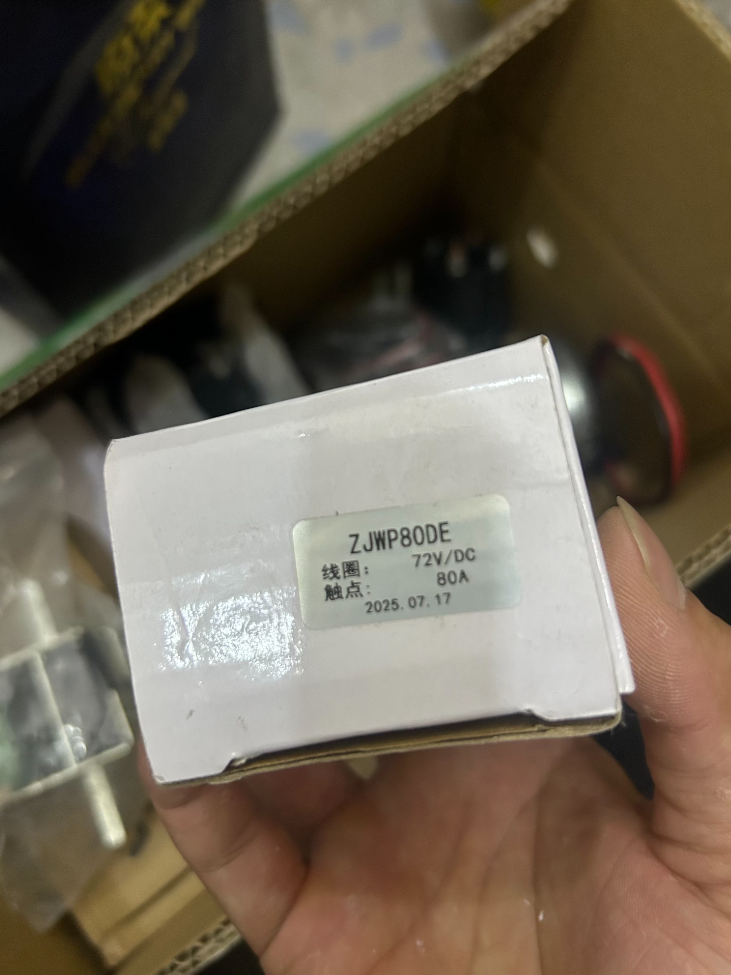

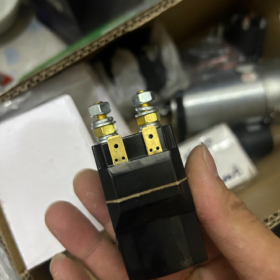
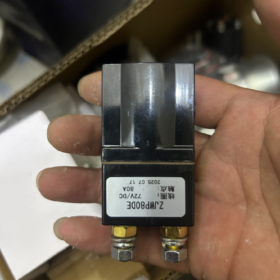
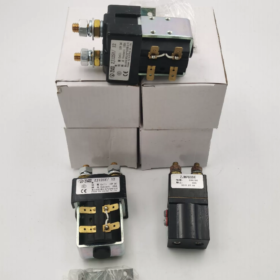
Definiția de bază a modelului
1.1 Defalcarea modelului
ZJW: contactor DC serie
P: Versiune cu suport de montare plat
80: Curentul nominal al contactelor principale – 80A
DE: Identificatorul tensiunii bobinei, două specificații principale: 24În DC / 48În DC
- Poziționarea produsului
Contactor de întrerupere a circuitului principal pentru transpaleți și stivuitoare electrice. Nu este o cheie de contact. Este adesea numit greșit “întrerupător de alimentare / contactor de aprindere”. Instalat între controler și motorul de antrenare; comutatorul cu cheie controlează tracțiunea bobinei sale.
- Modele aplicabile
Noblift TianGang PTE20N, Zhongli Mini King, Lida, Transpaleți electrici Xilin de 1,5–2 tone & stivuitoare. Înlocuire directă pentru contactoarele din seria Albright SW60 și SW80 importate.
- Parametrii electrici de bază
| Element de parametru | Specificație standard |
| Capacitatea de contact principal | DC 80A unipol normal deschis (1NU) |
| Tensiunea bobinei | ZJWP80DE-24V / ZJWP80DE-48V |
| Consumul de energie al bobinei | Aproximativ. 12W |
| Material de contact | Contacte din aliaj de argint, rezistent la supratensiuni mari de curent |
| Rezistă la tensiunea de izolație | ≥500V DC |
| Rezistenta mecanica | 1,000,000 operațiuni |
| Rezistenta electrica | 500,000 operațiuni (sub sarcina nominală) |
| Clasa de protectie | IP54, rezistent la praf și la apă pentru stivuitoare |
- Definiția cablajului terminalului (4 Terminale Total)
3.1 Două șuruburi groase de cupru deasupra (Circuitul principal de alimentare)
B+: Intrare pozitivă a bateriei (conectat la baterie / ieșire întrerupător de oprire de urgență)
M: Puterea principală de ieșire către motor / controlor
3.2 Două terminale cu lamă subțire în partea de jos (Circuitul de control al bobinei)
A1, A2: Doi poli ai bobinei; Conexiune DC fără distincție de polaritate
Calea circuitului: Comutator cu cheie ON treapta → siguranța → A1/A2. Când bobina este alimentată, contactele principale se închid și întregul vehicul pornește.
- Dimensiuni generale de montare
Corpul principal: 65mm L × 45 mm L × 38 mm H
Suport de montare: Urechi de fixare în formă de U, Distanța orificiilor de montare 40 mm, Șuruburi de fixare M4
Direcția de ieșire a cablului: Terminalele de alimentare sunt orientate în sus; lamele de control se extind lateral
- Modele de înlocuire interschimbabile
- Înlocuitori directe interne: ZJWP80A, ZJW80 (suport universal, numai sufixul diferă)
- Alternative importate: Albright SW60-351P, SW80-65 (interschimbabil dacă găurile de montare și tensiunea bobinei se potrivesc)
- Regula de selecție critică: Trebuie să se potrivească cu tensiunea originală a bobinei vehiculului (24V și 48V nu pot fi amestecate)
- Defecte comune & Depanare
- Fără alimentarea vehiculului și nu se poate deplasa după pornirea cheii
Măsurați tensiunea bobinei la A1/A2: Fără tensiune → circuit deschis în comutatorul cu cheie, siguranță sau cablaj; Tensiune prezentă → bobina contactorului arsă, înlocuiți direct ZJWP80DE
- Contactul se trage, dar vehiculul rulează slab cu supraîncălzire severă
Contacte principale erodate și oxidate; 80Contacte A carbonizate de supracurent – înlocuiți contactorul
- Zgomot anormal și zgomot repetat
Cădere mare de tensiune la alimentarea bobinei (sârmă subțire / dop slăbit) sau încărcare insuficientă a bateriei
- Dezasamblarea & Specificații de siguranță a asamblarii
- Deconectați întregul terminal negativ al bateriei vehiculului și apăsați comutatorul de oprire de urgență pentru a descărca puterea reziduală înainte de funcționare;
- Strângeți șuruburile electrice la 5–6 N·m pentru a evita contactul slab, supraîncălzire și ablație terminală;
- Distinge 24V / 48bobine V; o tensiune greșită va duce la eșecul de a trage sau la arderea instantanee a bobinei.
Principiul complet de funcționare al contactorului principal pentru stivuitoare electrice (Contactor DC tip ZJWP80DE)
- Defalcarea structurii de bază
Unitatea conține două circuite independente neconductoare legate prin atracție electromagnetică:
1.1 Circuitul principal de alimentare (Stâlpi grosi din cupru B+, M)
Contacte din aliaj de argint statice și în mișcare cu curent ridicat, transporta zeci până la sute de amperi de la baterie pentru a furniza energie controlerului și motoarelor pompelor hidraulice/de deplasare.
1.2 Circuitul bobinei de control electromagnetic (Lame subțiri A1, A2)
Bobina interna emailata, miez de fier, arc de retur și armătură legată. Comutator cu cheie, siguranța și oprirea de urgență sunt conectate în serie în acest circuit de curent scăzut.
1.3 Primăvara de întoarcere
Separă forțat contactele principale și oprește alimentarea de înaltă tensiune a întregului vehicul odată ce puterea bobinei este pierdută.
- Secvență de operare completă la pornire (Turn Key → Vehicul alimentat)
- Precondiții: Resetare oprire de urgență, baterie normală, comutator cu cheie pe OFF
Circuitul bobinei deschis; arcul trage contactele în mișcare în afară, circuitul principal este complet deconectat, vehiculul nu are tensiune înaltă.
- Rotiți cheia în treapta ON
Curentul de joasă tensiune a bateriei curge: Pozitiv baterie → întrerupător de oprire de urgență → siguranță → cheie de contact stivuitor → bobina contactor A1 → A2 înapoi la negativ baterie.
Curentul scăzut trece prin bobină, generând o puternică atracție electromagnetică DC asupra miezului de fier.
- Acțiune electromagnetică de tragere
Forța magnetică învinge tensiunea arcului de revenire, trăgând în jos armătura interioară și apăsând placa de cupru în mișcare. Contactele principale B+ și M se închid strâns și conduc.
Curentul greu al bateriei curge direct de la B+ la M, alimentarea controlerului de deplasare și a motorului pompei hidraulice, permițând funcțiile de deplasare și ridicare a stivuitorului.
- Secvență de oprire (Opriți cheia / Apăsați oprirea de urgență)
Alimentarea bobinei este întreruptă imediat, atractia electromagnetica dispare. Arcul de retur deschid instantaneu contactele în mișcare, întreruperea circuitului principal de alimentare.
Motoarele și controlerul sunt complet dezactivate, blocarea tuturor mișcărilor vehiculului pentru o protecție sigură la întreruperea curentului.
- Principii cheie de proiectare (Exclusiv pentru Contactoare DC)
3.1 Separarea circuitelor de înaltă și joasă tensiune
Doar un mic curent de bobină (câțiva amperi max) este controlat de comutatorul cu cheie, evitarea expunerii contactelor cheie la sute de amperi de curent puternic al motorului.
Avantaj: Compact, întrerupător cu cheie durabil, fără ablație cauzată de curent puternic.
3.2 Principiul de stingere a arcului (Obligatoriu pentru pornirea-oprirea frecventă a stivuitorului)
Arcurile electrice inverse de înaltă tensiune apar în timpul pornirii stivuitorului, oprire și frânare, care ard cu ușurință contactele:
Contactele din aliaj de argint de mare capacitate rezistă la temperaturi ridicate și la eroziunea arcului electric;
Structura de stingere a arcului de explozie magnetică încorporată utilizează câmpuri magnetice pentru a întinde și stinge rapid arcurile, împiedicând sudarea prin contact.
- 3 Izolarea blocării de siguranță
Odată ce puterea bobinei este pierdută, arcul rupe forțat circuitul principal pentru a preveni mișcarea necontrolată a vehiculului din cauza contactelor sudate.
Întrerupătorul de oprire de urgență este conectat în serie cu circuitul bobinei; apăsarea opririi de urgență întrerupe imediat alimentarea bobinei contactorului și dezactivează complet vehiculul. Este o componentă de bază de siguranță a stivuitoarelor.
- Exemplu de condiții tipice de lucru (Transpaletă electric ZJWP80DE 48V)
- Tasta OFF: Bobina nealimentată, contactele principale deschise, controler dezactivat, vehiculul staționat
- Tasta PORNITĂ: Bobina alimentată și trasă înăuntru, 80Un circuit principal al bateriei de 48 V conductiv; vehiculul circulă când este apăsat accelerația
- Tasta OFF / Oprire de urgență apăsată: Bobina dezactivată, contactele separate, toată puterea vehiculului este deconectată
- Comparația mecanismelor comune de defecțiune
- Circuitul bobinei deschise: Fără tragere magnetică când cheia este rotită, contactor silentios, vehicul complet neputincios
- Contacte principale sudate erodate: Vehiculul păstrează puterea chiar și cu cheia oprită, pierderea controlului vehiculului
- Primăvara obosită: Atragere slabă, întreruperi frecvente de curent și vibrații în timpul călătoriei
- Tensiune bobină nepotrivită (24Bobina V montata pe sistem de 48V): Bobina se supraîncălzi și se arde, incapabil să tragă
Defecte comune, Cauze fundamentale & Soluții ale contactorului principal ZJWP80DE pentru stivuitoare electrice
Vina 1: Niciun răspuns după ce ați întors cheia, vehicul mort, contactorul nu reușește să tragă
Fenomen de eroare
Nu “clic” sunet de tragere de la contactor când cheia este pornită; vehiculul nu poate circula sau ridica sarcini, indicatorul de alimentare stins.
Cauze fundamentale
- Pierderea puterii circuitului de control: Oprire de urgență apăsată / deteriorat, circuit deschis intern al comutatorului cu cheie, siguranță bobină arsă
- Lejer, bornele de cablare a bobinei oxidate și deconectate A1/A2
- Arsarea bobinei interioare a contactorului (scurt-circuit / tensiune nepotrivită)
- Baterie epuizată: Tensiunea bobinei mult sub valoarea nominală 24V/48V, atracție magnetică insuficientă pentru tragere
Soluții
- Resetați oprirea de urgență; test continuity across emergency stop terminals with multimeter, replace if damaged
- Measure output voltage of key switch at ON gear; replace ignition switch if no voltage output
- Inspect coil fuse; troubleshoot wiring short circuit and replace fuse of identical rating if blown
- Unplug A1/A2 connector and test terminal voltage:
Voltage present = damaged contactor coil, înlocuiți direct ZJWP80DE
No voltage = fault in upstream wiring / întrerupătoare, troubleshoot wiring section by section
- Charge or replace depleted storage battery
Vina 2: Repeated chattering pull-in of contactor, vehicle intermittent travel
Fenomen de eroare
Contactor pulls in for several seconds then disconnects with constant chattering; vehicle vibrates and lacks power during travel, lights flicker on and off.
Cauze fundamentale
- Loose battery terminals, excessive internal battery resistance, epuizarea severă a puterii care duce la o scădere mare a tensiunii de alimentare a bobinei
- Fișe oxidate cu contact slab pe firele de control A1/A2, alimentare cu bobina intermitentă
- Tensiune excesivă a arcului de retur al contactorului intern, murdărirea cu carbon pe miezul de fier provocând tragere nesigură
- Ușoară eroziune a contactelor principale; sarcina trage în jos tensiunea circuitului
Soluții
- Strângeți bornele pozitive/negative ale bateriei, curățați stâlpii corodați; încărcați complet bateria de stocare
- Lustruiți bornele lamei bobinei și reintroduceți ferm; înfășurați sau înlocuiți cablurile cu izolație crăpată
- Dezasamblați contactorul pentru a curăța petele de ulei și pulberea de carbon de pe suprafața miezului de fier; înlocuiți contactorul direct dacă arcul este învechit
- Inspectați nivelul de eroziune al contactelor principale; înlocuiți unitatea nouă dacă este puternic zgârietă și neuniformă
Vina 3: Contactorul trage în mod normal, dar vehiculul funcționează slab, se supraincalzeste la urcarea pantelor, carcasa contactorului opărire fierbinte
Fenomen de eroare
Audible pull-in sound from contactor, vehiculul poate circula, dar nu are putere; viteza scade brusc sub sarcina grea in sus; carcasa exterioară a contactorului este extrem de fierbinte.
Cauze fundamentale
- Șuruburi slăbite pe bornele de alimentare principale B+ și M, rezistență excesivă la contact generând căldură
- Eroziunea arcului pe termen lung pe contactele interne de argint rezultând suprafețe neuniforme și o suprafață de contact redusă
- Curentul nominal al contactorului subdimensionat (de ex. 80O unitate care funcționează continuu peste sarcina nominală)
- Scurtcircuit minor în motor sau controler care provoacă supracurent persistent
Soluții
- Opriți puterea, apoi strângeți din nou șuruburile principale din cupru la un cuplu standard de 5–6 N·m
- Înlocuiți contactorul direct dacă contactele prezintă gropi adânci, înnegrire sau decojire (ireparabil)
- Verificați curentul nominal pentru vehiculele grele; trece la un contactor de curent mai mare dacă este necesar
- Testați izolația motorului și verificați controlerul pentru scurgeri sau scurtcircuit
Vina 4: Vehiculul încă circula cu cheia scoasă / oprire de urgență apăsată, contacte sudate
Fenomen de eroare
Vehiculul păstrează puterea de deplasare și de ridicare după ce cheia este oprită sau oprirea de urgență este apăsată, care prezintă pericole necontrolate de siguranță la rulare.
Cauze fundamentale
- Pornire/oprire frecventă cu curent intens; temperatura ridicată a arcului se topește și sudează în mișcare și contacte statice împreună
- Structura de stingere a arcului eșuată, operare de suprasarcină pe termen lung
- Arcul de retur obosit, rupt, nu poate separa contactele după pierderea puterii bobinei
Soluții
- Opriți imediat alimentarea prin deconectarea bornei negative a bateriei principale, încetează orice operațiune
- Contactele sudate nu pot fi reparate prin lustruire; trebuie instalat ZJWP80DE nou-nouț
- Evitați funcționarea frecventă intermitentă a stivuitoarelor în timpul utilizării zilnice pentru a reduce generarea arcului electric
Vina 5: Bobina contactorului se supraîncălzi, fumează și se arde rapid
Fenomen de eroare
Temperatura contactorului crește brusc în câteva secunde de la pornirea tastei cu miros de ars, urmată de eșecul complet de tragere.
Cauze fundamentale
- Este instalat un model greșit de tensiune a bobinei: 48Bobina V montată pe vehicul de 24 V, ardere de la supratensiune
- Scurtcircuit pozitiv/negativ al cablurilor de control A1/A2 care duce la supracurent susținut al bobinei
- Pătrunderea pe termen lung a apei umede în bobină provocând un scurtcircuit intern al firului emailat
Soluții
- Verificați tensiunea bobinei corespunzătoare sufixului DE al modelului de contactor; se potrivesc strict cu tensiunea originală a bateriei vehiculului
- Depanați scurtcircuitele izolației fisurate pe firele de control și înfășurați cablurile deteriorate
- Înlocuiți unitatea direct dacă este deteriorată de apă; implementați dulapul rezistent la praf și la apă
Vina 6: Zgomot anormal intern și blocaj mecanic al contactorului
Fenomen de eroare
Înăbuşit, sunet sacadat de tragere; închiderea ocazională incompletă a contactului, predispus la întreruperea curentului pe drumurile accidentate.
Cauze fundamentale
- Praf de stivuitor, noroi și apă pătrund în interiorul contactorului provocând blocarea miezului de fier și a armăturii
- Arcuri interne deformate sau desprinse
- Vibrații puternice în poziția de montare, șuruburi de fixare slăbite care conduc la blocarea decalată
Soluții
- Dezasamblați carcasa pentru a elimina praful și a curăța resturile de pe miezul de fier; înlocuiți unitatea direct dacă este corodata de apă
- Strângeți din nou șuruburile de fixare ale suportului de montare a contactorului
- Instalați etanșare împotriva prafului pe dulapul electric pentru a bloca stropii de noroi și apă
- Reguli generale de siguranță pentru întreținere
- Borna negativă a bateriei trebuie deconectată înainte de întreținerea contactorului; apăsați comutatorul de oprire de urgență pentru a descărca puterea reziduală de la controler
- Nu atingeți niciodată bornele circuitului principal de curent ridicat sub tensiune cu mâinile goale
- Tensiunea bobinei contactorului de schimb trebuie să corespundă vehiculului original; 24Modelele V și 48V nu sunt interschimbabile
- Șuruburile terminale principale slăbite declanșează cu ușurință focul și arderea cablajului; strângeți din nou la cuplul specificat la fiecare ciclu de întreținere




NH42-63-318x560.png "Comutatoare de transfer automat de tip PC CHINT (ATS)NH42-63/4SZ")