Контактор,автоматический выключатель,датчик,Кодер,ПЛК,Конвертер

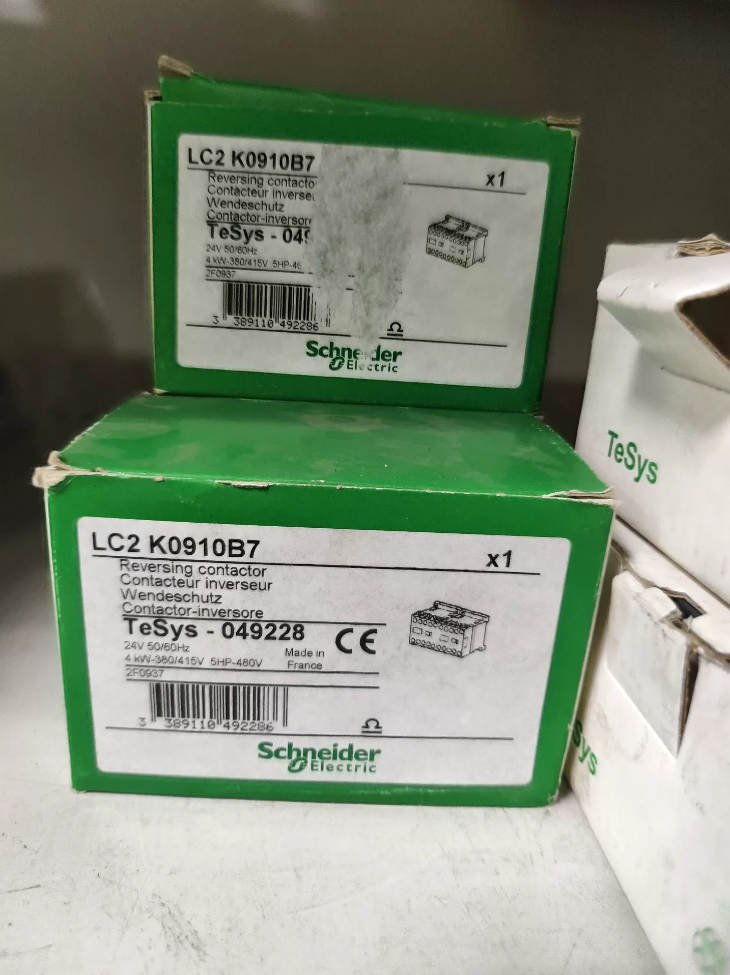

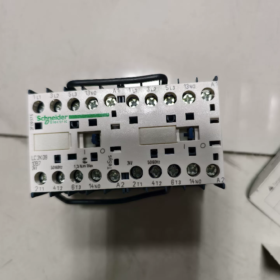
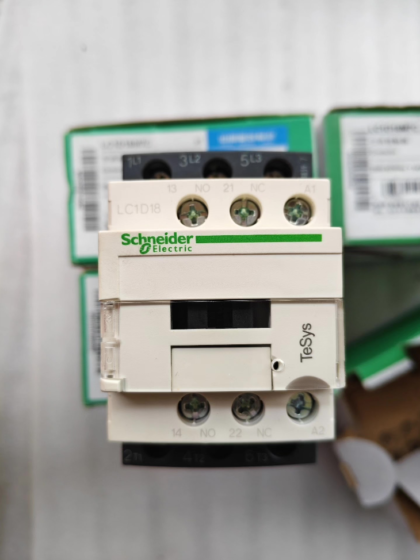
Продукт: ТеСис-К 3-контактор реверсирования полюсов, произведено во Франции, оснащен встроенной механической блокировкой и предварительно смонтированной реверсивной силовой шиной
Декодирование модели
ЛК2К: Серия реверсивных контакторов (LC1K означает один контактор.; LC2K = предварительно собранный реверсивный узел из двух контакторов)
09: Номинальный рабочий ток AC-3 9А
01: Конфигурация вспомогательных контактов 1 Нормально закрытый (1Северная Каролина)
Б7: Напряжение катушки AC24V, 50/60Гц
Основные электрические характеристики
| Элемент | Параметр |
| Полюса главной цепи | 3P‑3НО |
| Рабочий ток AC‑3 | 9А |
| Номинальная мощность двигателя | 2.2кВт(230В) / 4кВт(380-415В) |
| Максимальное напряжение главной цепи | 690В и |
| Катушка | 24 В переменного тока, 50/60 Гц; Пусковая мощность 30 ВА, Удержание 4,5 ВА |
| Вспомогательный контакт | 1НЗ мгновенного действия |
| Условный тепловой ток Ith | 20А |
| Категория использования | АС‑3, AC‑3e, АС‑4, АС‑1 |
| Блокировка | Встроенная механическая блокировка. |
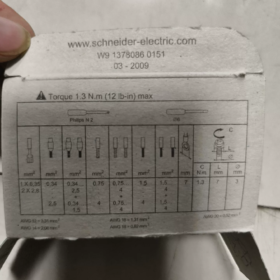
| Терминальное соединение | Винтовые клеммы, 0.75-4 мм² проводник; Крутящий момент 0,8‑1,3 Н·м |
| Монтаж | DIN35 рейка / Крепление пластины винтами |
| Габаритные размеры | Ш90 × В58 × Г57 мм, Вес 0,39 кг |
| Механическая выносливость | 5 миллион циклов; Электрическая износостойкость 1,3 миллиона циклов (АС‑3) |
| Рабочая температура окружающей среды | -25~+50℃ |
| Сертификаты | CCC, UL, CE, ЕАС |
Сценарии применения
Трехфазный двигатель с прямым/обратным управлением (конвейеры, лебедки, ролики, приводы клапанов). Фазореверсивная шина предварительно установлена на заводе., не требуется ручная смена фаз для проводки главной цепи. Электрическая блокировка должна быть реализована как вторичная защита..
Подобные эталонные модели
LC2K0910B7: Катушка AC24V, вспомогательный 1НО (Нормально открытый)
LC2K0901M7: 1Вспомогательный контакт НЗ, катушка AC220V
LC2K0901F7: 1Вспомогательный контакт НЗ, катушка переменного тока 110В
Выбор & Примечания по замене
- LC2K — полноценный реверсивный блок.. Не собирайте два отдельных контактора LC1K вручную., поскольку установленная на заводе реверсивная шина и соответствующая механическая блокировка будут отсутствовать..
- Для отечественной альтернативы: проверить параметры: 9А, Катушка переменного тока 24 В, 1Вспомогательный контакт НЗ, встроенная механическая блокировка для реверса.
- Пункты проверки запасных частей: Измерьте сопротивление обеих катушек.; проверить механическую блокировку на заклинивание; проверить основные контакты на предмет абляции; проверьте момент затяжки клемм.
Примечание: LC2K0901B7 — импортная модель.. Местные запасы часто ограничены из-за длительного времени выполнения заказа..
Шнайдер LC2K0901B7 (Реверсивный контактор TeSys-K) Руководство по установке
Данное руководство составлено в соответствии с оригинальной инструкцией Schneider., для модели LC2K0901B7, 3П, 9И АС-3, 1Вспомогательный контакт НЗ, Катушка переменного тока 24 В 50–60 Гц, встроенная механическая блокировка и предварительно смонтированная реверсивная силовая шина.
⚠️Обязательное условие безопасности.: Установка и подключение должны выполняться только квалифицированными электриками.. Полностью отключите входной источник питания перед выполнением любых работ.. степень защиты IP20. Устройство должно быть установлено внутри закрытого электрошкафа., работа на открытом воздухе запрещена.
Оглавление
- Обзор продукта
- Краткое изложение технических характеристик
- Условия окружающей среды & Механический монтаж
- Инструкции по электромонтажу
- Терминальный крутящий момент & Характеристики кабеля
- Схема управления & Обязательные требования к блокировке
- Контрольный список перед включением питания
- Процедура ввода в эксплуатацию
- Обслуживание & Поиск неисправностей
- Способы получения оригинального руководства в формате PDF
- Обзор продукта
LC2K0901B7 — предварительно собранный на заводе реверсивный контактор двигателя., assembled from two LC1K contactors plus integrated mechanical interlock and pre-fitted reversing power busbar. Two-phase swap is completed inside factory busbar; manual phase swapping on main circuit is NOT required.
Основные контакты: 3 Нормально открытый; Вспомогательный контакт: 1 Нормально закрытый (1Северная Каролина) instantaneous contact
Катушка: 24 В переменного тока, 50/60 Гц; Пусковая мощность 30 ВА, Hold-in 4.5VA
AC-3 9A; Rated motor power 4kW@400V; 2.2kW@230V
Монтаж: Монтаж на рейку DIN35 / Крепление пластины винтами
Измерение: W90mm × H58mm × D57mm, Вес 0,39 кг
- Installation Ambient Conditions
- Рабочая температура окружающей среды: -25℃ ~ +50 ℃; Storage temperature -50~+80℃
- Высота: No derating ≤2000 m; derating is required above 2000 m
- Среда: Free of explosive dust and corrosive gas, хорошо вентилируемый; избегайте прямых солнечных лучей.
- Установка шкафа: Maintain ≥10 mm clearance top and bottom for heat dissipation. Side-by-side compact mounting is permitted; extra clearance is required for high-temperature environment.
- Вибрация & шок: Complies with IEC60068-2-6. Keep away from heavy-vibration equipment inside cabinet.
- Механический монтаж
3.1 Монтаж на DIN-рейку (предпочтительный)
- Hook bottom latches of contactor onto DIN35 rail.
- Нажимайте на корпус контактора до тех пор, пока защелки не щелкнут и не зафиксируются..
- Удаление: Подденьте нижнюю защелку плоской отверткой, поднимите контактор вверх.
3.2 Крепление пластины винтами
Используйте винты M3/M4 через монтажные отверстия на корпусе.. Не затягивайте слишком сильно, чтобы предотвратить растрескивание пластикового корпуса.. Монтажное основание должно быть ровным и без перекосов..
Ориентация монтажа: Вертикальная установка клеммами вверх.. Горизонтальная или перевернутая установка запрещена., что сократит срок службы механического оборудования..
- Инструкции по электромонтажу
Для встроенного реверсивного контактора LC2K: Реверсивная силовая шина устанавливается на заводе.. НЕ разбирайте его. Разборка может привести к риску короткого замыкания во время переключения вперед/назад..
Клеммы силовой цепи
Л1, Л2, Л3: Вход трехфазного источника питания
Т1, Т2, Т3: Подключение к трехфазному двигателю U, В, Вт
Важный: НЕ меняйте местами фазы на стороне Т.. Реверс фазы осуществляется с помощью внутренней предварительно собранной шины.. Re-swapping phases on output side will result in identical rotation direction for both forward and reverse commands.
Coil terminals
А1, А2: Coil of forward contactor (24 В переменного тока)
А1, А2: Coil of reverse contactor (24 В переменного тока)
Strictly apply AC24V coil voltage. Applying 220V will burn coil instantly. Allowable coil operating voltage range: 0.8~1.15×Uc, то есть. 19.2V-27.6VAC.
Auxiliary contact terminals
13-14: 1NC normally-closed auxiliary contact, used for control-circuit interlock and status feedback.
- Терминальный крутящий момент & Характеристики кабеля
Винтовые зажимы, Phillips No.2 / 6 mm flat-blade screwdriver
Момент затяжки: 0.8-1.3 Н·м. Over-tightening cracks plastic terminal base; insufficient torque causes overheating.
Совместимые проводники:
Solid single-core: 1.5-4 мм²
Flexible without ferrule: 0.75-4 мм²
Flexible with cable ferrule: 0.34-2.5 мм²
-Длина зачистки: 5-6 мм. Exposed bare copper must not touch adjacent terminals to prevent phase-to-phase short-circuit.
- Control-circuit & Обязательные требования к блокировке
⚠️This unit is equipped with mechanical interlock only. Механическая блокировка не может полностью исключить риск одновременного замыкания обоих контакторов.. Электрическая блокировка через вспомогательные контакты во вторичной цепи управления ОБЯЗАТЕЛЬНА., в противном случае может произойти катастрофическое трехфазное короткое замыкание..
- Механическая блокировка: Внутренний механический механизм физически позволяет замыкать только один контактор одновременно.. Риск отказа из-за заклинивания все еще существует..
- Проводка электрической блокировки: Последовательный размыкающий вспомогательный контакт контактора прямого хода в цепь катушки обратного хода; Последовательный размыкающий вспомогательный контакт контактора обратного хода в цепь прямой катушки.
- Контроль питания: 24 В переменного тока. Цепи катушки A1/A2 и A1’/A2′ изолированы; избежать неправильного общего соединения.
- Рекомендуемая конфигурация: Установите тепловое реле для защиты двигателя от перегрузки.; защита от короткого замыкания на входе с помощью предохранителя gG на 25 А.
- Полный контрольный список перед включением питания
- Механическая проверка: Вручную активируйте рабочий механизм контактора. Механическая блокировка должна работать правильно; одновременное ручное включение обоих контакторов не должно быть возможным; работа должна быть плавной, без заеданий.
- Проверка проводки: Все клеммы затянуты моментом 0,8-1,3 Н·м.; отсутствие незакрепленных жил проводов или оголенной меди; предварительно собранная реверсивная шина целая и неповрежденная.
- Проверка катушки: Подтвердите, что управляющее напряжение составляет 24 В переменного тока, чтобы избежать повреждения из-за перенапряжения..
- Тест цепи: Проверка мультиметром правильности подключения электрической блокировки; нет короткого замыкания между L1-L2-L3 в главной цепи.
- Сторона двигателя: Сопротивление изоляции двигателя в норме, проводка двигателя правильная.
- ввод в эксплуатацию
- Отключить нагрузку двигателя; подавать питание только на цепь управления переменного тока 24 В..
- Запускайте команды вперед и назад отдельно: В любой момент времени должен включаться только один контактор.; функция блокировки действительна. Одновременное втягивание не должно происходить.
- Обесточить, повторно подключить двигатель. Зарядитесь энергией и продолжайте тестирование / обратное направление вращения.
- Наблюдайте за рабочим статусом: Отсутствие аномального шума или перегрева на клеммах..
Максимальная рабочая частота: 3600 операций в час. Снижение номинальных характеристик при частом циклическом движении вперед-назад..
- Обслуживание & Поиск неисправностей
| Явление неисправности | Точки устранения неполадок |
| Катушка под напряжением, Контактор отказывается включаться | Измерьте напряжение катушки переменного тока 24 В.; проверить проводку A1/A2; проверить механическое заклинивание; измерить сопротивление катушки |
| Контактор втягивается, но двигатель не работает | Проверьте незакрепленные или удаленные входные/выходные клеммы главной цепи.; проверить контактную абляцию |
| Мгновенное отключение при запуске | Убедитесь, что реверсивная шина не повреждена.; проверить наличие электрической блокировки; проверить риск одновременного проведения между фазами |
| Громкий рабочий шум | Проверьте отклонение напряжения катушки; кабинетный резонанс; грязь на поверхности сердечника якоря |
Ссылка на срок службы: Механическая выносливость 5 миллионов циклов.; Электрическая износостойкость 1,3 миллиона циклов в условиях AC-3..
Периодическое техническое обслуживание: Затяните клеммы моментом затяжки.; проверить контактную абляцию; убрать скопление пыли.
- Доступ к оригинальному руководству в формате PDF
- Посетите официальный сайт Schneider и найдите LC2K0901B7.. Загрузите инструкцию по контактору LC2-K в разделе документации продукта..
- Найдите реверсивный контактор TeSys-K в центре загрузок Schneider China.
Примечание: LC2K0901B7 импортирован.. Печатное руководство в основном только на английском языке, без полной версии на китайском языке.. Данное составленное руководство строго соответствует оригинальным спецификациям Schneider..
Распространенные неисправности контакторов Schneider (Применимо к серии TeSys-K LC2K., также для LC1D, LC1N и т. д.)
Категории неисправностей: Неудачное втягивание; мгновенный выпадение после втягивания; втянут, но нет выхода главной цепи; гудящий шум; контактная абляция; перегорание катушки; уникальные неисправности реверсивного контактора, с руководством по устранению неполадок.
- Катушка под напряжением, контактор не втягивается полностью
- Нет напряжения или недостаточное напряжение в цепи управления.
Феномен: Номинальное напряжение катушки не измерено на A1-A2.; рабочее напряжение ниже 80% номинального напряжения катушки.
Первопричина: Неисправное питание управления, сломан контакт кнопки/блокировки, свободная проводка.
Для реверсивного блока LC2K: Различают прямую катушку А1/А2 и обратную катушку А1’/А2’.; избегайте измерения неправильных клемм.
- Обрыв сгоревшей катушки
Измеренное сопротивление катушки бесконечно; катушка заметно обгорела до черного цвета.
Триггеры: Неправильный источник высокого напряжения. (например. подача 220В на катушку 24В), устойчивое перенапряжение, высокотемпературное старение.
- Механические помехи
Посторонний мусор или фрагменты пластика внутри механизма; перекошенный монтаж на DIN-рейку; заклинило механическую блокировку реверсивного контактора.
Ручное приведение в действие механизма кажется тяжелым и не может достичь закрытого положения..
- Плохой контакт контакта вспомогательной блокировки НЗ. (высокочастотный отказ на реверсивных узлах ЛК2К)
Окисленный вспомогательный контакт блокировки разрывает цепь питания катушки..
- Катушка под напряжением, мгновенный выпадение / болтовня после втягивания
- Недостаточное напряжение катушки: Большое падение напряжения, вызванное длинными кабелями управления.; напряжение ниже 85% Ue приводит к недостаточной удерживающей силе якоря..
- Грязь, Загрязнение ржавчиной или маслом сопрягаемых поверхностей сердечника якоря: Зазор магнитной цепи увеличивается, недостаточная удерживающая сила, повторяющаяся болтовня.
- Ослабленные соединения цепи управления, прерывистое напряжение.
- специально для LC2K: Полузаклинившая механическая блокировка, неполный ход механизма приводит к выпадению.
- Контактор втягивается нормально, но мотор не работает (нет выхода в главной цепи)
- Ослаблены и перегреты клеммы силовой цепи.: Недостаточный крутящий момент винта приводит к термическому окислению.; напряжение без нагрузки может быть нормальным, напряжение падает под нагрузкой.
- Удалённый / отсоединились главные контакты: Тяжелый пусковой ток, частая езда на велосипеде создает карбонизированные контакты с ямками и высоким контактным сопротивлением..
- Открытая фаза на входе питания: Перегорел предохранитель или поврежден верхний полюс автоматического выключателя..
Напоминание LC2K: Ослабленная или отсоединенная предварительно смонтированная реверсивная шина приводит к обрыву фазы.. Никогда не снимайте сборную шину, установленную на заводе..
- Громкое жужжание / гудящий шум во время работы
- Пыль и жировые загрязнения на сопрягаемых поверхностях сердечника., неполное магнитное закрытие, типичный шум контактора переменного тока.
- Напряжение катушки слишком высокое или слишком низкое.
- Разрыв короткозамыкающего кольца на сердечнике якоря: Сильный шум, замена контактора обязательна.
- Резонанс корпуса или свободное крепление на DIN-рейке.
- Контактная сварка (опасное состояние)
После выключения, основные контакты остаются в силе, мотор не может остановиться; для реверсивных контакторов это приводит непосредственно к межфазному короткому замыканию.
Коренные причины:
- Перегрузка, импульсный ток короткого замыкания; частые пробежки / частый реверс, превышение предела рабочей частоты (АС-4 дежурство).
- Недостаточное напряжение катушки приводит к дребезгу контактов и дуговой сварке..
- Недостаточный номинал контактора.
Критический риск для LC2K: Использование исключительно механической блокировки без электрической блокировки., одновременное замыкание обоих контакторов приводит к короткому замыканию и сварке контактов..
- Сгоревшая катушка
- Неправильное приложенное напряжение: Подача переменного тока 220 В на катушку 24 В переменного тока B7 мгновенно сгорает..
- Устойчивое перенапряжение выше 115% номинальное напряжение катушки.
- Заклинивание механизма, арматура не может закрыться; катушка остается под высоким пусковым током и быстро перегорает.
- Чрезмерная температура окружающей среды в шкафу и плохой отвод тепла..
- Уникальные неисправности реверсивного контактора LC2K (вперед-назад)
- Не удалось переключить направление вращения: Заклинившая механическая блокировка блокирует работу одного контактора.
- Форвардные работы, обратный ход, нет вывода (или наоборот): Ослабленный / отдельная предварительно смонтированная реверсивная шина, или удаление главных контактов на одном блоке.
- Срабатывание сразу при изменении направления: ① Заводская реверсивная шина снята.; ② Отсутствие электрической блокировки, приводящей к одновременному включению обоих контакторов..
- Повреждены вспомогательные контакты: Сбой сигнала обратной связи и потеря функции электрической блокировки..
- Перегрев
- Неправильный момент затяжки клемм: Недостаточный крутящий момент приводит к перегреву; от чрезмерного затяжки трескается пластиковая клеммная колодка.
- Недостаточное сечение кабеля.
- Стареющие контакты с высоким контактным сопротивлением.
- Высокая температура шкафа, плохой отвод тепла при плотно расположенных рядом устройствах.
Быстрый процесс устранения неполадок на месте
- Выключить питание, вручную активировать контакторный механизм для проверки механического заклинивания.
- Измерение фактического рабочего напряжения катушки при включении питания.
- Измерение сопротивления катушки при выключенном питании для оценки целостности катушки.
- При втянутом контакторе, измерьте трехфазное напряжение между входом и выходом в главной цепи, чтобы найти клемму / контактные дефекты.
- Для реверсивных агрегатов: Осмотрите механическую блокировку, проводка электрической блокировки и физическая целостность предварительно собранной реверсивной шины.
Профилактические рекомендации
- Для реверсивного контактора LC2K: Механическая блокировка не является достаточной защитой.; должна быть реализована электрическая блокировка.
- Строго соблюдайте указанный момент затяжки клемм..
- Уменьшите номинал контактора для тяжелых условий эксплуатации с частым реверсированием AC-4..
- Поддерживайте вентиляцию шкафа; производить периодическое удаление пыли.
Контактор втягивается нормально, Но нет выхода главной цепи (Питание присутствует, но нет напряжения нагрузки)
Феномен: Катушка под напряжением, слышимое действие втягивания, индикатор состояния показывает закрытое состояние; однако напряжение на стороне нагрузки не появляется, и двигатель не может работать.. Описание относится к реверсивному контактору LC2K0901B7 и контакторам переменного тока общего назначения..
- Терминал & Неисправности проводки (Наиболее частая причина на месте)
- Недостаточно затянутые винты силовой цепи, что приводит к ослаблению соединения кабеля.
Винты кажутся затянутыми, но проводники не закреплены надежно. Высокое сопротивление контактов приводит к падению напряжения под нагрузкой.
Указанный крутящий момент для клемм LC2K: 0.8-1.3 Н·м. Слишком низкий → слабый перегрев.; слишком высокая → треснутый пластиковый корпус.
Симптом: Напряжение может считаться нормальным в условиях холостого хода., но исчезает при приложении нагрузки; клеммы обесцвечиваются из-за нагрева.
- Недостаточная длина зачистки кабеля, ослабленные жилы проводов не полностью зажаты внутри клеммы; гибкие проводники без кабельных наконечников.
- Ошибка, специфичная для LC2K: Ослабленный, оторванная или сломанная предварительно собранная реверсивная шина. Повреждение происходит в случае разборки шины., что приводит к открытой фазе. ⚠️ Не снимайте установленную на заводе реверсивную шину..
- Внутренний отказ главного контакта
- Удалённый, изношены или окислены главные контакты с потерей проводимости
Механизм совершает полный механический ход, однако основные контакты с ямками и углеродистым покрытием не могут обеспечить электропроводность..
Метод измерения: В выключенном состоянии, вручную удерживайте контактор в закрытом положении; измерьте сопротивление L-T для каждого полюса мультиметром. Нормальное показание около 0 Ом.; сотни Ом или бесконечное сопротивление указывают на поврежденные контакты.
Триггеры: Частый старт-стоп, АС-4 бег трусцой, скачки короткого замыкания, состояние окончания электрического срока службы.
Визуальный осмотр может не выявить видимых повреждений, хотя внутренние контактные поверхности обожжены..
- Механическое смещение контактного узла: Арматура достигает закрытого положения, но главные контакты не полностью сжаты.
- Неисправности источника питания выше по течению (Легко ошибочно диагностируется как неисправность контактора.)
- Перегорел однофазный предохранитель или неисправен один полюс вышестоящего автоматического выключателя.. Входная фаза отсутствует до достижения контактора.
-Приоритет устранения неполадок: Сначала измерьте трехфазное напряжение на входных клеммах контактора L1/L2/L3, чтобы убедиться в целостности питания..
- Сработало реле тепловой перегрузки на входе, обрыв основного пути питания.
- LC2K Особые условия реверсивного контактора
- Не работает только одно направление вращения (вперед ОК / обратный ход, нет вывода, или напротив): Осмотрите реверсивную шину и главные контакты соответствующего контакторного блока..
- Частично заклинило механическую блокировку: Арматура кажется закрытой, все же основные контакты не полностью прижаты внутри.
Последовательность устранения неполадок на месте
- Шаг 1: Измерьте трехфазное входное напряжение L1, Л2, L3 на входных клеммах контактора
Подтвердите полное трехфазное питание, устранить открытую фазу выше по потоку.
- Шаг 2: Контактор остается втянутым, измерить выходное напряжение T1, Т2, Т3
Если входное напряжение в норме, а определенная выходная фаза равна нулю → неисправность связана с контактором. (терминалы / контакты / реверсивная шина).
- Безопасная работа при отключении питания: Вручную удерживать контактор закрытым; измерить сопротивление L1-T1, Л2-Т2, L3-T3 с омметром
Нормальный: Околонулевая проводимость;
Бесконечное сопротивление: Контакты не проводят;
Высокое сопротивление: Удаленные контакты или незакрепленные клеммы.
- Проверьте затяжку клемм; проверить физическую целостность предварительно собранной реверсивной шины (ЛК2К).
Различайте два похожих явления
- ✅ Втягивание контактора, нет выхода силовой цепи: Неисправность описана выше.
- ❌ Контактор постоянно дребезжит и не может оставаться закрытым: Вызвано недостаточным напряжением катушки или загрязнением поверхностей сердечника., другой режим отказа.
Корректирующие действия
Свободные клеммы: Затяните с указанным моментом затяжки.; установить кабельные наконечники для гибких проводов.
Удаленные контакты или поврежденная реверсивная шина: НЕ подпиливайте и не полируйте контакты.; замените контактор в сборе напрямую. Полировка ускоряет деградацию контактов.
Для реверсивного блока LC2K: Не разбирайте поставляемую на заводе реверсивную силовую шину..




NH42-63-318x560.png "Автоматические переключатели резерва типа PC CHINT (АТС)НХ42-63/4СЗ")