Schütz,Leistungsschalter,Sensor,Encoder,SPS,Konverter

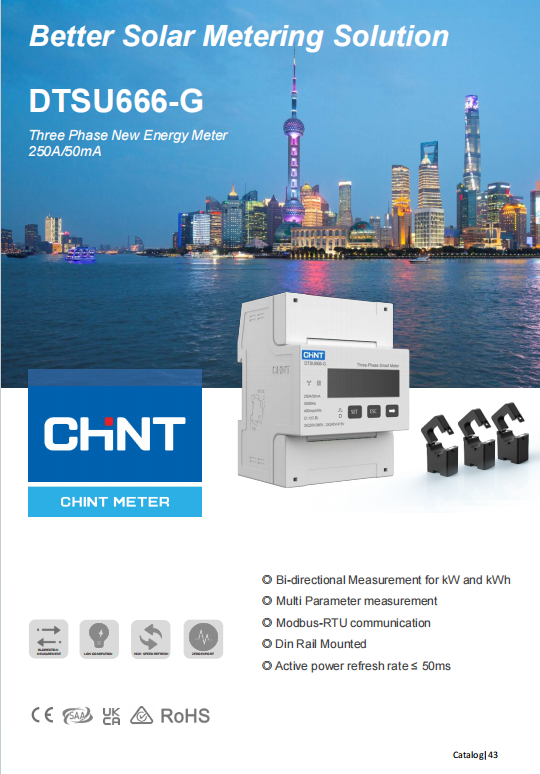


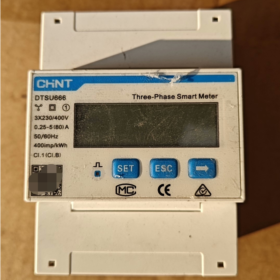
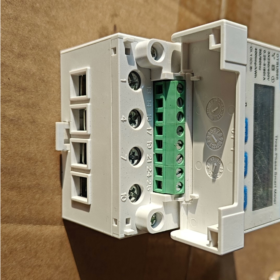
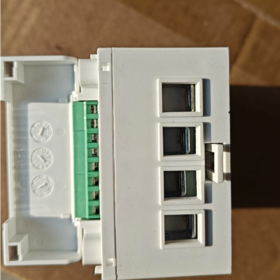
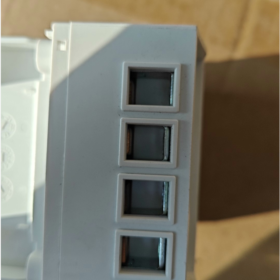
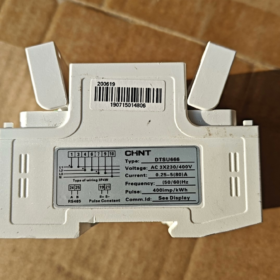
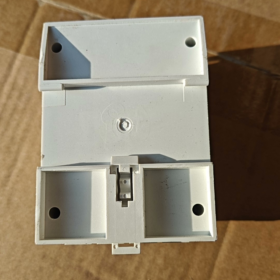
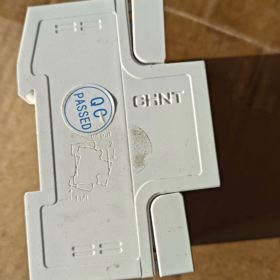
CHINT DTSU666-G PDF ist eine intelligente bidirektionale Lösung Energiezähler speziell Entwickelt für neue Energieszenarien wie PV und Energiespeicherung. Es übernimmt die Standard-DIN35-mm-Schienenmontage und zeichnet sich durch hohe Genauigkeit aus, Hochgeschwindigkeitsaktualisierung, und bidirektionale Messung, Geeignet für private PV-Anlagen, industriell & kommerzielle Energiespeichersysteme und Mikronetzanwendungen.
- Verkabelungsanleitung: CHINT DTSU666G zur Wechselrichter-Steuerplatine (Meter-485)
| Kernfunktion | Beschreibung |
| Bidirektionale Messung | Misst genau nach vorne (Gittereingang) und umgekehrt (neue Energieausbeute) kW- und kWh-Energiefluss; unterstützt die Rückflussverhinderung. |
| Hochgeschwindigkeitsaktualisierung | Aktualisierungsrate der aktiven Leistung ≤ 50 ms, um den schnellen Reaktionsanforderungen neuer Energiesysteme gerecht zu werden. |
| Multi-Parameter-Überwachung | Echtzeitmessung der Spannung, aktuell, Leistung, Leistungsfaktor, Frequenz und andere vollständige elektrische Parameter. |
| Kommunikationsfunktion | Standard-RS485-Schnittstelle, unterstützt das Modbus-RTU-Protokoll, anschließbar an Energiemanagementsysteme. |
| Einfache Installation | DIN35-mm-Standardschienenmontage, 4P (4 Module) kompakte Struktur (98×72×65 mm). |
| Betrieb bei weitem Temperaturbereich | Betriebstemperaturbereich: -25℃ bis +55℃, anpassbar an verschiedene Verteilerkastenumgebungen im Freien. |
- Wichtige technische Spezifikationen
| Artikel | Spezifikation |
| Zählertyp | Elektronischer Dreiphasen-Vierleiter-Energiezähler (DIN-Schienentyp) |
| Genauigkeitsklasse | Aktiv: Klasse 0,5S / 1; Reaktiv: Klasse 2 |
| Referenzspannung | 3×220/380 V (dreiphasig, vieradrig) |
| Aktuelle Bewertung | 0.015-1,5(6) A (über Transformator), kompatibel mit 5 Eine sekundäre Seite der CT |
| Pulskonstante | 800 imp/kWh |
| Spannungsbereich | 0.8Eins ~ 1,15 Eins |
| Stromverbrauch | ≤ 2 W / 10 VA |
| Kommunikationsschnittstelle | RS485, Baudrate 9600/19200 bps (Standard 9600), Adresse 1‑247 |
| Anzeige | Segment-LCD, unterstützt die automatische Zyklusanzeige und Tastenabfrage |
| Schutzklasse | IP20 (Innenaufstellung) |
| Hilfsenergie | Keine externe Stromversorgung erforderlich; direkt durch Spannungssignal angetrieben |
III. Unterschiede zum Standard DTSU666
| Artikel | DTSU666‑G (Neue Energieversion) | Standard DTSU666 |
| Design-Szenario | Bidirektionale Messung für PV, Energiespeicherung und andere neue Energie | Allgemeine Industrie / kommerzielle Strommessung |
| Aktuelle Bewertung | 0.015-1,5(6) A (besser geeignet für den Transformatoranschluss) | Mehrere Bewertungen, einschließlich 0,25–5(80) A |
| Aktualisierungsrate | ≤ 50 MS (schnelle Reaktion auf neue Energiesysteme) | Normale Bildwiederholfrequenz |
| Funktionsoptimierung | Verbesserte bidirektionale Messgenauigkeit, Optimiert für die Rückflussverhinderung | Grundlegende Funktionen zur Messung der elektrischen Energie |
| Anwendungsfelder | Wohn-PV, industriell & kommerzielle Energiespeicher, Mikronetzsysteme | Industriell & Bergbauunternehmen, Hotels, Schulen, usw. |
- Typische Anwendungsszenarien
- PV-Anlagen für Privathaushalte: Messen Sie bidirektionale Energie für den Eigenverbrauch und die Einspeisung von überschüssigem Strom, Arbeiten mit Wechselrichtern zur Rückflussverhinderung.
- Industriell & Kommerzielle Energiespeichersysteme: Überwachen Sie den Energiefluss während des Ladens und Entladens, um die Energieeffizienz zu optimieren.
- Mikronetzsysteme: Realisieren Sie eine bidirektionale Messung und Überwachung zwischen verteilten Energiequellen und dem Hauptnetz.
- Ladestapelmanagement: Messen Sie den Stromverbrauch von dreiphasigen Ladesäulen genau, Unterstützung der Fernablesung und Datenanalyse von Zählern.
- Installation & Betriebshinweise
- Montage: Standardmäßige DIN35-mm-Schienenmontage, 4P-Breite, Geeignet für den Einbau in Verteilerkästen.
- Verdrahtung: Dreiphasiges Vierleitersystem; Phasen A, B, C mit Klemmen verbunden 1, 3, 5 jeweils; neutral (N) zum Terminal 7; Sekundärseite von Stromwandlern, die an die entsprechenden Stromklemmen angeschlossen sind.
- Parametereinstellung: Mit der SET-Taste gelangen Sie in das Programmiermenü; Standardpasswort 700; CT-Verhältnis, PT-Verhältnis, Kommunikationsparameter, usw. konfigurierbar.
- Kommunikationskonfiguration: Unterstützt das Modbus-RTU-Protokoll; Standard-Baudrate 9600 bps, keine Parität, 1 Stoppbit.
- Auswahl & Bestellinformationen
Vollständiges Modell: DTSU666-G 3×220/380V 0.015-1.5(6)Ein 4P
Passender Vorschlag: Wird mit CHINT-Stromwandlern verwendet (z.B. BH-0.66 Serie); Wählen Sie das Verhältnis entsprechend der tatsächlichen Belastung.
Alternative Modelle: Einphasiger neuer Energiezähler: DDSU666-G; Dreiphasen-Dreileiter: DSSU666-G
CHINT DTSU666-G gegen DTSU666: Kernunterschiede & Austauschbarkeitsanalyse
Kernschlussfolgerung: DTSU666-G ist die neue energiespezifische Version (optimiert für PV/Energiespeicherung), während DTSU666 die Allzweckversion ist. Sie können in einfachen Messszenarien vorübergehend ersetzt werden, DTSU666-G wird jedoch dringend für neue Energiesysteme empfohlen, um bidirektionale Messgenauigkeit und schnelle Reaktion sicherzustellen.
- Überblick über die Hauptunterschiede
| Dimension | DTSU666‑G (Neue Energieversion) | DTSU666 (Allgemeine Version) | Auswirkungen |
| Designzweck | Bidirektionale Messung für PV/Energiespeicher, kompatibel mit der Rückflussverhinderung | Grundlegende elektrische Energiemessung für die Industrie / kommerziell / Wohnnutzung | Optimierungsrichtung bestimmt durch Anwendungsszenario |
| Aktuelle Bewertung | 0.015-1,5(6) A (Nur Transformatoranschluss) | 0.25-5(80) A (direkte Verbindung) / 0.1-1,5(6) A (Transformatoranschluss) | Große Unterschiede in der Verbindungsmethode und im Bereich wirken sich auf die Auswahl aus |
| Aktualisierungsrate der aktiven Leistung | ≤ 50 MS (schnelle Reaktion) | Normaler Tarif (ca. 500 MS) | Neue Energiesysteme erfordern eine schnelle Erkennung von Leistungsänderungen zur Rückflussverhinderung |
| Bidirektionale Messgenauigkeit | Verbessertes Design zur Erfüllung neuer Anforderungen an die Energienetzanbindung | Grundlegende bidirektionale Messung, konzentriert sich auf die Vorwärtsrichtung | DTSU666-G bietet eine genauere Messung für Szenarien mit Netzeinspeisungsüberschüssen |
| Funktionsoptimierung | Geeignet für die Steuerung von PV-Wechselrichtern, Unterstützt die Erkennung von Nullleistungsausgaben | Standardmäßige Energiemessung, keine neue energiespezifische Optimierung | DTSU666-G ist in Anti-Rückfluss-Schutzsystemen zuverlässiger |
| Anwendungsszenarien | Wohn-PV, industriell & kommerzielle Energiespeicher, Mikronetze | Industrieunternehmen, Hotels, Schulen, allgemeine Gebäude | Die Leistung hängt von der Szenarioübereinstimmung ab |
- Detaillierte technische Parameterunterschiede
- Aktuelle Bewertung & Verbindungsmethode
DTSU666-G: Nur verfügbar in 0.015-1.5(6) Eine Version mit Transformatoranschluss, speziell für konzipiert 5 Eine CT-Sekundärseite, Geeignet für die Hochstrommessung in neuen Energiesystemen.
DTSU666: Bietet mehrere Bewertungen, einschließlich 0.25-5(80) Eine direkt angeschlossene und 0.1-1.5(6) Ein transformatorgebundener Typ für verschiedene Lastszenarien.
- Leistungsunterschiede
Aktualisierungsrate der aktiven Leistung: DTSU666-G ≤ 50 MS (für schnelle Reaktion in neuen Energiesystemen); DTSU666 verwendet die normale Bildwiederholfrequenz (ca. 500 MS).
Anlaufstrom: DTSU666-G hat einen niedrigeren Anlaufstrom (0.001In), geeignet für die Messung geringer Leistungsabgabe in neuen Energiesystemen.
Dosiergenauigkeit: Beide verfügen über eine aktive Klasse 0,5S/1, DTSU666-G bietet jedoch eine bessere Konsistenz bei der bidirektionalen Messung.
- Unterschiede in den Softwarefunktionen
DTSU666-G integriert neue energiespezifische Algorithmen zur Optimierung der bidirektionalen Leistungsberechnung und der Anti-Rückfluss-Steuerlogik.
DTSU666 verwendet allgemeine Messalgorithmen, besser geeignet für unidirektionale oder ausgeglichene Lasten.
Beide unterstützen Modbus-RTU über RS485, aber einige Registeradressen im DTSU666-G sind für neue Energieparameter optimiert.
III. Austauschbarkeitsanalyse
- Austauschbare Szenarien (Vorübergehender Ersatz)
Grundlegende Energiemessung: In allgemeinen industriellen/kommerziellen Szenarien, in denen nur eine Vorwärtsenergiemessung erforderlich ist, sie können vorübergehend ausgetauscht werden (Die aktuelle Nennleistung muss übereinstimmen).
Parameterüberwachung: Die Funktionen sind konsistent, wenn nur grundlegende elektrische Parameter wie die Spannung verwendet werden, Strom und Leistung werden überwacht.
Kommunikationsintegration: Gleiches Modbus-RTU-Protokoll wird unterstützt, können auf das gleiche Energiemanagementsystem zugreifen.
- Szenarien, die nicht für den Austausch empfohlen werden (Muss mit dem Modell übereinstimmen)
| Szenario | Empfohlenes Modell | Grund |
| PV-Netzeinspeiseüberschuss | DTSU666‑G | Erfordert hochpräzise bidirektionale Messung; DTSU666-G verfügt über eine schnellere Aktualisierung und eine bessere Anti-Rückfluss-Anpassung |
| Lade-/Entlademanagement für Energiespeicher | DTSU666‑G | Häufiges Laden/Entladen-Umschalten erfordert eine schnelle Reaktion von ≤50 ms, um Messfehler zu vermeiden |
| Anti-Rückfluss-Kontrollsysteme | DTSU666‑G | Ein spezieller Algorithmus sorgt für eine genaue Nullleistungserkennung und verhindert Netzschwankungen |
| Direktverbindung für kleine Lasten | DTSU666 | DTSU666-G hat keine direkt angeschlossene Version und kann nicht an 0,25-5 angepasst werden(80) Eine Ladung |
| Bewertungsmessung durch die Energieabteilung | Gemäß den örtlichen Anforderungen | Muss den Netzmessstandards entsprechen; Einige Regionen verlangen ausdrücklich neue energiespezifische Zähler |
- Hinweise zum Austausch
- Aktuelle Bewertungsanpassung: Verbindungsmethode (direkt/transformator) und Bereich müssen mit der tatsächlichen Belastung übereinstimmen.
- Parametereinstellung: Nach dem Austausch, CT/PT-Verhältnis zurücksetzen, Kommunikationsadresse und andere Parameter; Das Standardpasswort für beide lautet 700.
- Funktionseinschränkung: Beim Ersetzen von DTSU666-G durch DTSU666 gehen die Hochgeschwindigkeitsaktualisierung und die Anti-Backflow-Anpassung verloren, Dies kann die Genauigkeit der Systemsteuerung beeinträchtigen.
- Auswahlempfehlungen
- Neue Energiesysteme: Priorisieren Sie DTSU666-G, um bidirektionale Messgenauigkeit und Systemkompatibilität sicherzustellen.
- Allgemeine industrielle/kommerzielle Nutzung: Wählen Sie DTSU666, Wählen Sie je nach Lasttyp den Direkt- oder Transformatoranschluss.
- Retrofit-Projekte: Bei der Aufrüstung bestehender DTSU666-Systeme auf PV/Energiespeicher, Durch DTSU666-G ersetzen, um Messfehler und Steuerungsprobleme zu vermeiden.
NH42-63-318x560.png "Automatische Transferschalter vom Typ CHINT PC (ATS)NH42-63/4SZ")