contactor,cortacircuitos,sensor,Codificador,SOCIEDAD ANÓNIMA,Convertidor


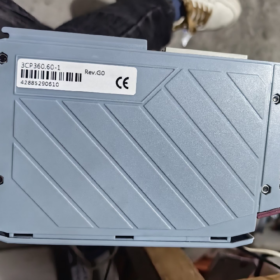
Posicionamiento básico
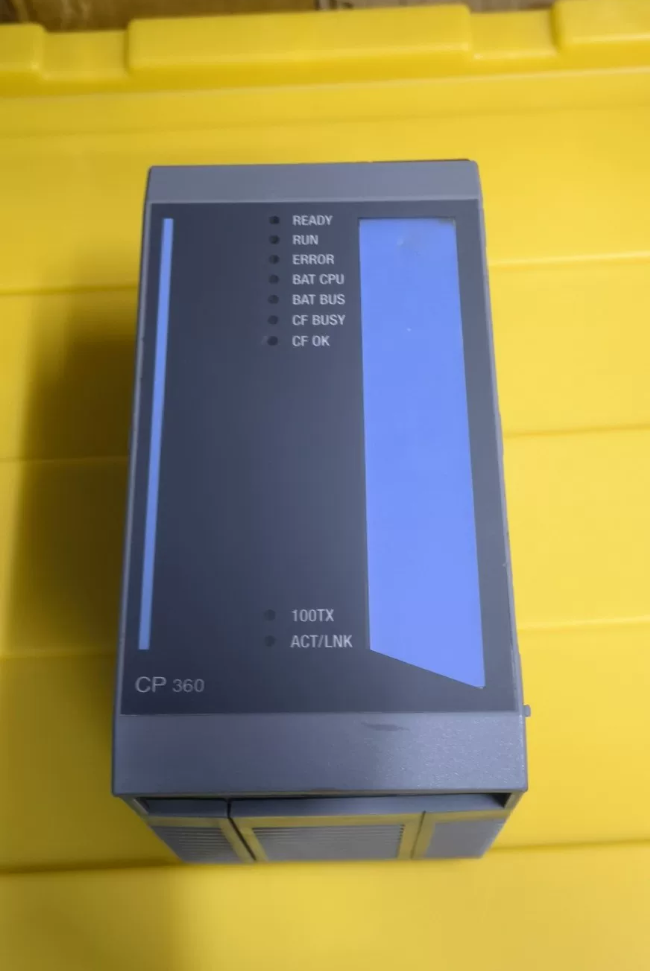
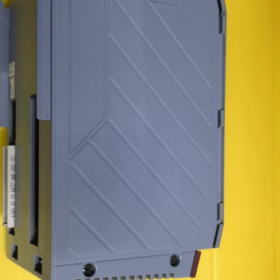
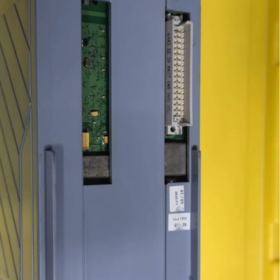
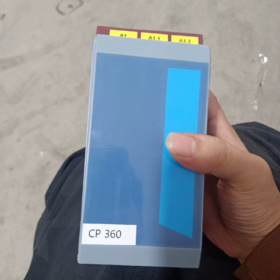
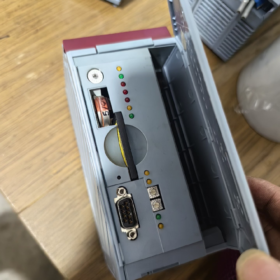
Nombre completo del producto: B&R 2005 Series Compact UPC Module 3CP360.60-1
Estado del producto: Discontinued by Original Manufacturer (Obsoleto). Only stock and second-hand spare parts are available for maintenance replacement of legacy equipment.
Posicionamiento central: Motion control PLC for medium & small-sized machinery. Natively supports ACOPOS servo bus, suitable for packaging, impresión, textil, injection molding and small machine tools.
- Desglose del código del modelo
3CP360.60-1
- 3: CPU family of 2005 Serie
- PC: Central Processor (CPU del controlador)
- 360: Hardware performance grade (Pentium 266MHz)
- 60: Standard communication configuration (RS232 + Ethernet + aPCI expansion slot)
- 1: Versión de hardware V1
- Especificaciones principales de hardware (Official Factory Data)
3.1 Cálculo & Almacenamiento
Procesador: Pentium 266MHz
Main DRAM Memory: 32MEGABYTE
Retentive SRAM: 512KB (256kB for variable storage during power loss)
Almacenamiento de programas: CompactFlash (FQ) card slot (Supports 64/128/512MB original B&R CF cards; third-party CF cards frequently cause repeated reboot faults)
Instruction Speed: 0.02μs per single instruction
Ciclo de tarea mínimo: 400μs (Hard real-time motion control)
Ranura de expansión: 1 × aPCI slot (Compatible with Profibus, PODER, DeviceNet and other communication cards)
3.2 Onboard Communication Interfaces
| Interface ID | Tipo | Especificación | Velocidad de baudios | Aislamiento |
| SI1 | RS232 | 9-pin DSUB male connector | 115.2kbit/s | No aislado |
| SI2 | Ethernet RJ45 | Shielded network port | 10/100METRO | Aislado galvánicamente |
| Interno | 2005 Autobús del sistema | Backplane I/O expansion | High-speed local bus | Aislado |
| Autobús | ACOPOS Servo Bus | Dedicated for servo motion | Real-time synchronization bus | Aislado |
3.3 Electrical Power Consumption
Power consumption under 24VDC supply: 3.0W.
Internal 5VDC power consumption: 11.0W.
Total no-load power consumption of the module: 14W. (Excluding CF card and aPCI modules)
Voltaje de suministro: 24VCC ±20%
3.4 Mecánico & Parámetros ambientales
Dimensiones generales: W84 × D102 × H33 mm (Estándar 2005 rail-mounted module)
Peso: Aprox.. 200gramo
Clase de protección: IP20 (Solo para instalación en gabinete)
Temperatura de funcionamiento: -20℃ ~ +60℃
Temperatura de almacenamiento: -40℃~+85℃
Certificaciones: CE, UL, CEI 61131-2
3.5 LED de estado
CPU run indicator, CF card status, comunicación ethernet, low battery voltage, fault alarm LEDs; equipped with physical reset button.
- Core Functional Capabilities
- Control de movimiento: Native ACOPOS servo bus supporting multi-axis synchronization, cámara electrónica, flying shear and color mark positioning; compatible with ACOPOS 1045/1090 servoaccionamientos en serie.
- PLC Standards: Full compliance with IEC 61131-3, supporting ST/LD/FBD/SFC/CFC programming languages.
- HMI Connection: Connect to B&R 2000 series touch screens and third-party Modbus TCP HMIs via Ethernet.
- Bus Expansion: aPCI slot enables expansion of fieldbuses including Profibus DP, CANopen and DeviceNet.
- Retención de datos: Built-in lithium battery retains variables, recipes and alarm logs during power failure.
- Requisitos de compatibilidad de software
Software de programación: Automation Studio AS4.x (Stable compatibility with AS4.12 and earlier versions)
Runtime Firmware: AR I3.10, I3.09 series
Nota crítica: Original B&R Swissbit CF cards are mandatory. Generic industrial CF cards will trigger cyclic CPU reboot and communication dropout failures.
- Discontinued Replacement Solutions (Two Scenarios)
Solución 1: Direct Replacement within 2005 Serie (Minimal Modifications)
3CP360.60-2 (Identical dimensions and interfaces, slightly upgraded performance; available as stock spare parts)
Diferencias: Increased memory, optimized bus timing; no major revisions required for software projects, fully compatible with backplane I/O modules.
Solución 2: New X20 Platform Upgrade (For New Projects & Long-term Stability)
Replacement CPU Model: X20CP3684
Modifications Required:
- All backplane and I/O modules must be replaced with X20 series.
- Ethernet and RS232 communication are retained; motion control switched to EtherCAT (ACOPOSmulti).
- Migration of Automation Studio projects, re-mapping of I/O and axis parameters is necessary.
- Industrias de aplicación típicas
Maquinaria de embalaje: Máquinas para fabricar bolsas, máquinas etiquetadoras, horizontal flow wrappers (Multi-axis synchronized cutting)
Equipo de impresión: Web printing, máquinas cortadoras, electronic cam register control
Maquinaria Textil: Máquinas de tejer por urdimbre, maquinas bobinadoras, high-speed tension control
Small injection molding/extrusion auxiliary equipment, small lithium battery winding machines, líneas de producción automatizadas
- Matriz de solución de problemas comunes
| Fenómeno de falla | Causa principal | Resolution Steps |
| Cyclic reboot on power-up, no Ethernet communication | Non-original CF card / Tarjeta CF dañada | Replace with B&R 512MB Swissbit CF card and re-download program |
| Severe jitter on synchronized motion axes | Task cycle set >400μs / Missing bus terminating resistor | Shorten real-time task cycle; check 120 terminating resistors at both ends of ACOPOS bus |
| Lost recipes after power loss | Depleted built-in lithium battery | Replace internal CR2032 backup battery of CPU and re-download retentive variables |
| RS232 fails to connect upper computer | Non-isolated IF1 interface, ground interference | Use shielded serial cable and connect PLC PE terminal to ground |
| Ethernet LED off | Damaged network port isolation chip / Faulty network cable | Replace shielded RJ45 cable; test with spare CPU module |
- Obtención & Pautas de mantenimiento
- Brand-new original units are no longer supplied. Only dismantled refurbished or stock spare parts are available on the market; verify serial number warranty before purchase.
- Inspect CF card and backup battery simultaneously during replacement to avoid secondary faults after installation.
- Prioritize X20 platform for long-term equipment upgrades. Output of 2005 series spare parts declines year by year with continuous rising maintenance costs.
Full Practical Application Cases of B&R 3CP360.60-1
The 3CP360.60-1 is a 2005 Series Compact PCC featuring Pentium 266MHz processor, minimum 400μs real-time task cycle and native ACOPOS servo bus. It targets medium & small multi-axis synchronized machinery (4–16 axes). It was mass-standard-equipped for domestic packaging, impresión, textile and small rubber & plastic equipment from 2005 a 2015. Below are verified mass-production practical cases, incluyendo la configuración de hardware, control processes, core advantages and on-site maintenance pain points.
- Industria del embalaje (Más ampliamente aplicado)
Caso 1: Envolvedora de flujo horizontal (Alimento & Daily Chemical Packaging)
Complete Machine Configuration
Controlador principal: 3CP360.60-1
servos: 4 × ACOPOS 1045 servos (Alimentación de película, cross cutting, longitudinal sealing, transmitir)
E/S: 2005 Series backplane DI/DO/AI/AO modules
Comunicación: IF2 Ethernet connects to PP420 touch screen; aPCI slot extended with Modbus RTU communication card for thermal coding machine
Almacenamiento: 512MB original CF card stores multi-specification recipes and cam curves
Core Control Processes
- Electronic cam flying shear cross cutting, synchronously tracking main film feeding spindle with cutting accuracy ±0.1mm.
- Multi-segment closed-loop tension control to adapt to high-speed conveying of film and paper-plastic composite materials.
- One-click switching of 100 product recipes; SRAM retains parameters during power loss.
- Diagnóstico de fallas: Real-time alarms for film deviation, film breakage and servo overload; data uploaded to production line upper computer via Ethernet.
Ventajas de la aplicación
400μs hard real-time cycle supports high-speed synchronization at 120 paquetes por minuto; single aPCI slot allows expansion of third-party peripherals with compact overall cabinet size and optimal cost for medium & small packaging equipment.
On-site Maintenance Pain Points
Discontinued model with vulnerable original CF cards; generic memory cards cause cyclic reboot. Built-in CR2032 battery depletes within 3–5 years leading to recipe loss.
Caso 2: Vertical Form-Fill-Seal Machine (Granule & Powder Packaging)
Axis Count: 6 ejes (Film unwinding, tracción, bottom sealing, side sealing, cuchillo de corte, feeding stirring)
Funciones especiales: Color mark positioning compensation, real-time weight drop correction, electronic gear synchronization
Auxiliary Equipment: External frequency converter controls silo stirring; RS232 interface connects to weighing instrument
- Industria de la impresión (Gravure & Slitting Equipment)
Caso 3: Medio & Small Web Slitter Rewinder
Configuración de hardware
UPC: 3CP360.60-1
servos: 5 ejes (relajarse, main traction, slitting knife, Rewinder A, Rewinder B)
Expansión: aPCI CANopen card connected to tension sensors and web guiding drives
Process Key Points
- Automatic reel change at dual stations for non-stop material feeding.
- Constant tension taper control with self-adaptive compensation for varying web thickness.
- Synchronized slitting knife electronic cam delivers smooth burr-free cuts at high speed.
- Automatic speed reduction and shutdown for meter counting, web breakage and excessive web guiding deviation.
Razón de selección
Compared with higher-end 3CP382, the computing power of 3CP360 perfectly matches printing auxiliary machines with ≤8 axes, featuring lower power consumption and smaller rail-mounted footprint, making it the first choice for legacy printing machine retrofits.
Caso 4: Narrow Web Label Gravure Press (4–6 Color Small Printing Machine)
Core Algorithm: CPU embedded register compensation algorithm programmed in C language replaces expensive dedicated register controllers.
Autobús: ACOPOS bus synchronizes phase of each color printing roller to correct register deviation caused by drying and tension fluctuation.
Comunicación: Ethernet connects to workshop MES for uploading output and defective product data.
- Textile Machinery Industry
Caso 5: High-Speed Winding Machine / Spooler
Complete Machine Solution
Controlador principal: 3CP360.60-1, 8 × ACOPOS servos (Huso, traverse yarn arrangement, tensión, devanado, bobbin change)
Lógica de control: Traverse electronic cam forming, dynamic anti-overlap yarn curve generation; segmented closed-loop tension prevents yarn breakage.
HMI: PP320 touch screen stores hundreds of yarn process parameters with power-failure retention.
Equipment Features
Standard configuration for medium & small textile mills. Single machine axis count ≤10; stable real-time cycle of 3CP360 suppresses yarn arrangement jitter and reduces yarn breakage rate.
Caso 6: Small Warp Knitting Machine (Lace & Elastic Fabric)
Procesos: Multi-bar electronic synchronization, constant warp feeding tension control
Expansión: aPCI Profibus card connected to workshop central console for networked monitoring of multiple knitting machines
- Goma & Plastic Extrusion and Auxiliary Equipment
Caso 7: Small Plastic Profile Extrusion Traction Cutter
Configuración
3CP360.60-1 + 3 × ACOPOS servos (Tracción, corte de longitud fija, material swing)
Procesos
Synchronized fixed-length flying shear control dynamically adjusts cutting knife phase according to extrusion speed; frequency converter linkage with extruder, closed-loop pressure regulation of main machine speed. Suitable for PVC sealing strip and small pipe production lines.
Caso 8: Injection Molding Machine Robot (Side Take-out / Cross-travel Servo Robot)
Axis Count: 5-axis servo positioning with synchronized logic for part picking, stacking and ejection.
Comunicación: RS232 connects to injection molding host for linkage of mold opening and ejection signals; remote program debugging via Ethernet.
- Automated Assembly & Inspection Equipment
Caso 9: Small Lithium Battery Electrode Slitter (Laboratorio & Small-batch Production Lines)
Control: High-precision synchronization of 4 axes for unwinding, web guiding, cutting and winding; micron-level color mark positioning.
Seguridad: Built-in fail-safe logic inside CPU triggers emergency synchronized shutdown for web breakage and excessive tension overload.
Limitación: Only applicable to small equipment with web width ≤300mm; upgrade to X20CP series for wide-web high-speed production lines.
Caso 10: Automatic Electronic Component Assembly Machine (Connector Pin Insertion & Dispensing Equipment)
Procesos: Multi-axis interpolated point motion; dispensing speed synchronized with conveyor line.
Expansión: aPCI IO-Link/Modbus card connected to laser distance sensors and vision trigger signals.
- General Custom Non-standard Test Equipment
Caso 11: Wire Fatigue Life Test Bench
Synchronized control of reciprocating swing and stretching by 2 servos; cycle counting and force value acquisition; AI/AO modules collect tension sensor data.
Almacenamiento de datos: CF card records tens of thousands of test curves; reports exported via Ethernet.
- Summary of Application Scenarios for 3CP360.60-1
| Industria | Equipo típico | Servo Axis Range | Core CPU Capabilities Utilized |
| Envasado de alimentos | Flow wrappers, vertical bag making machines | 4–8 axes | Flying shear electronic cam, multi-recipe management |
| Printing Auxiliaries | Slitting machines, small label printing machines | 3–6 axes | Closed-loop tension control, register compensation algorithm |
| Textil | Spoolers, small warp knitting machines | 6–10 axes | Yarn arrangement cam, yarn tension control |
| Goma & Plastic Auxiliaries | Profile traction cutters, robots | 3–5 axes | Fixed-length synchronization, frequency converter linkage |
| Batería de litio & Electrónica | Small slitting & equipo de montaje | 4–7 axes | High-precision color mark positioning, synchronized emergency stop |
| Custom Test Equipment | Fatigue testers, automated inspection benches | 2–4 axes | Multi-channel data acquisition, cyclic logic control |
- Application Selection Boundaries (When 3CP360.60-1 Is Not Recommended)
- Axis count >16: Insufficient computing power causes severe synchronization jitter; switch to 3CP382 or X20CP series.
- High-speed thin film & wide-web printing (Velocidad >300m/min): Requires 50–200μs cycle, which cannot be achieved by the minimum 400μs cycle of 3CP360.
- Long-term mass production of new projects: Entire 2005 Series discontinued; X20CP3684 is recommended as replacement.
- polvo pesado, high humidity open-air environment without cabinet: Extra protection required; CPU prone to dampness and battery damage.
- Typical Retrofit Cases for Legacy Equipment (Stock Maintenance Scenarios)
A large number of packaging and slitting machines manufactured from 2008 a 2014 were originally equipped with 3CP360.60-1. Two retrofit solutions are available after CPU failure:
- Reemplazo de la misma serie: 3CP360.60-2, fully compatible with original interfaces and backplane, no se requiere modificación del programa; only CF card and backup battery need replacement.
- Platform upgrade: Full migration to X20 system with X20CP3684 CPU, motion bus switched to EtherCAT, ensuring long-term spare parts supply.


NH42-63-318x560.png "Interruptores de transferencia automática tipo PC CHINT (ATS)NH42-63/4SZ")