contactor,cortacircuitos,sensor,Codificador,SOCIEDAD ANÓNIMA,Convertidor

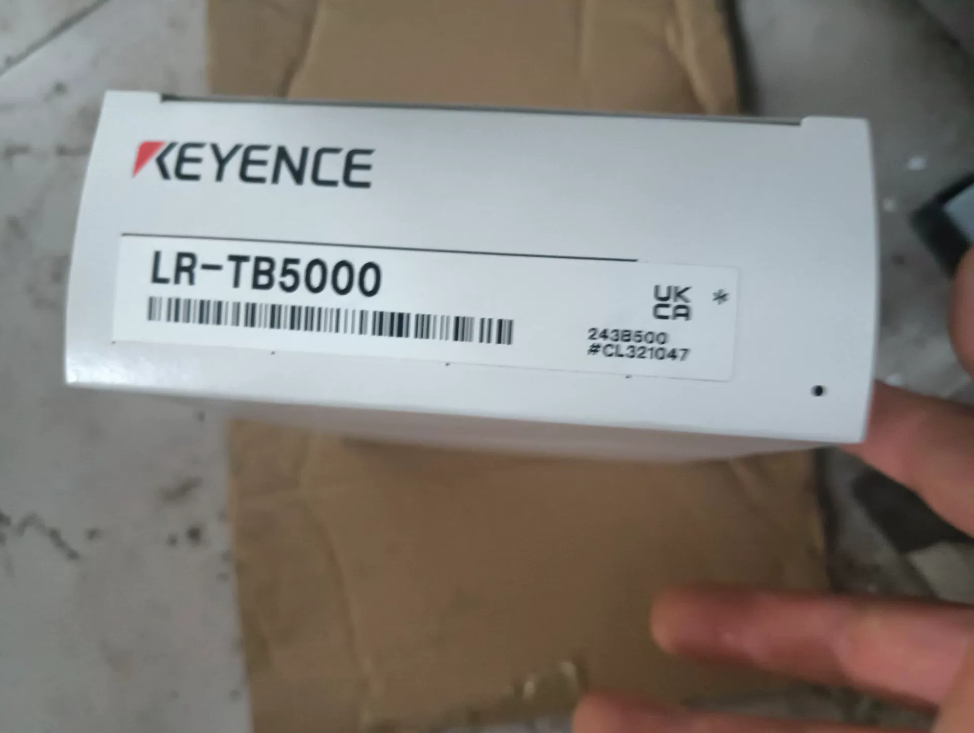

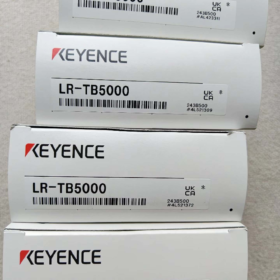
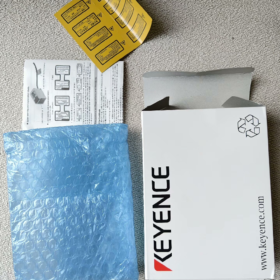
El KEYENCE LR-TB5000 es un láser TOF de distancia con amplificador sensor de la serie KEYENCE LR-T. Es un modelo reflectante difuso para detección de largo alcance., equipado con un cable recto estándar y clasificado como Clase Láser 2. Adopción del principio de medición del tiempo de vuelo, Ofrece una medición de distancia estable y detección de presencia de objetos entre 60 mm y 5000 mm.. Su rendimiento apenas se ve afectado por el color., Material o ángulo de superficie de los objetivos.. Con protección de alto ingreso IP65/IP67, Se aplica ampliamente en condiciones de trabajo complejas, como líneas de producción de automatización industrial., logística & almacenamiento y maquinaria de construcción. Es una opción popular para la detección de larga distancia y de alta confiabilidad en sitios industriales..
- Desglose del código del modelo
Modelo: LR-TB5000
| Segmento de código | Descripción |
| LR-T | Serie de productos: Serie general de sensores láser TOF integrados en amplificador |
| B | Tipo de detección: Tipo reflectante difuso (no se requiere reflector, detecta directamente las superficies objetivo) |
| 5000 | Distancia máxima de detección estándar: 5000milímetros (5metro), Probado con papel blanco mate como referencia. |
| Sin sufijo | Salida de cables: Tipo de cable recto; Clase de láser: Clase 2 (Cumple con IEC60825-1 y FDA(CDRH) estándares) |
Reglas suplementarias para sufijos de la misma serie: El sufijo "C" significa tipo de conector M12; El sufijo "CL" significa conector M12 con clase láser de baja potencia. 1.
- Especificaciones técnicas básicas
2.1 Rendimiento de detección
| Parámetro | Especificación | Observaciones |
| Rango de detección estándar | 60 ~ 5000 milímetros | Rango de visualización: 50~5200 mm; Probado en papel blanco mate. |
| Fuente de luz | Láser semiconductor rojo, longitud de onda: 660Nuevo Méjico | Clase de láser 2, máx.. potencia de salida ≤1mW |
| Diámetro del punto | Variable, ≤φ40mm | El tamaño del punto varía linealmente con la distancia de detección |
| Tiempo de respuesta | 5 niveles seleccionables: 1EM / 10EM / 25EM / 100EM / 1000EM | Equilibre la velocidad de respuesta y la precisión de detección según sea necesario |
| Rechazo de interferencia mutua | Arriba a 4 Las unidades del mismo modelo se pueden instalar juntas en un grupo. | La función entra en vigor después de habilitar la prevención de interferencias |
| Lógica de detección | Múltiples modos: Juicio de umbral, comparación de ventanas, retención máxima, bodega del valle, etc.. | Configuración visible a través de botones integrados |
| Función de temporizador | APAGADO / Retardo de encendido / Retardo de apagado / Pulso de un solo disparo (opcional) | El tiempo de retardo se puede personalizar mediante parámetros |
2.2 Características eléctricas
| Parámetro | Especificación |
| Voltaje de suministro | 12~24 VCC (Ondulación de pico a pico ≤10%) |
| Consumo actual | ≤45mA (24Suministro de VCC, sin carga) |
| Salida del interruptor | Colector abierto conmutable NPN/PNP; Clasificado por debajo de 30 VCC, 50mamá; NA/NC seleccionable |
| Salida analógica | Corriente seleccionable de 4~20mA / 0~10V voltaje; Pin compartido con entrada externa |
| Entrada externa | Admite sintonización remota y cambio de modo; Pin compartido con salida analógica. |
| Protocolo de comunicación | IO-Link v1.1 compatible con configuración remota de parámetros y adquisición de datos |
2.3 Ambiental & Parámetros físicos
| Parámetro | Especificación |
| Protección de ingreso | IP65 / IP67 (Cumple con IEC60529) |
| Temperatura de funcionamiento | -20 ~ +55 ℃ (Sin congelación ni condensación) |
| Humedad de funcionamiento | 35 ~ 85% RH |
| Resistencia a la luz ambiental | lámpara incandescente / Luz: ≤100000 lux |
| Resistencia a las vibraciones | 10~55Hz, doble amplitud 1,5 mm, 2 horas para cada uno de los ejes X/Y/Z |
| Resistencia a los golpes | 1000 m/s², 6 tiempos para cada uno de los ejes X/Y/Z |
| Material principal | Alojamiento: Fundición de zinc recubierta de níquel-cromo; Cubierta de lente: PMMA con revestimiento resistente a los arañazos; Cable: CLORURO DE POLIVINILO |
| Peso | Aprox.. 125gramo (con cable estándar) |
| Certificaciones | UL, CSA |
- Comparación entre modelos dentro de la serie
| Modelo | Rango de detección | Salida de cables | Clase de láser |
| LR-TB5000 | 60~5000mm | cable recto | Clase 2 |
| LR-TB5000C | 60~5000mm | conector M12 | Clase 2 |
| LR-TB5000CL | 60~5000mm | conector M12 | Clase 1 |
| LR-TB2000 | 60~2000mm | cable recto | Clase 2 |
- Definición de pin para la versión de cable
El LR-TB5000 está equipado con un cable recto multinúcleo. Las definiciones de cables estándar son las siguientes:
| Color del cable | Función | Descripción |
| Marrón | Potencia positiva (+V) | 12~ Entrada de alimentación de 24 VCC |
| Azul | Potencia negativa (0V/TIERRA) | Terreno común para energía y señales. |
| Negro | Salida de control del interruptor | NPN/PNP seleccionable, normalmente abierto por defecto |
| Blanco | Salida analógica / Entrada externa | Configurable: 4-20Salida analógica mA/0-10 V o entrada de disparador externo |
Nota: La definición de pin difiere para el cable extendido de 8 núcleos. La salida analógica y la entrada externa no se pueden utilizar simultáneamente; cambiar la función a través de la configuración del menú.
- Aplicaciones típicas
- Logística & almacenamiento: Detección de ocupación para ubicaciones de almacenes automatizados, alcance de obstáculos para AGV, Confirmación de presencia del producto en líneas de clasificación.. La capacidad de largo alcance se adapta a espacios de almacenamiento de gran envergadura.
- Fabricación de automóviles: Posicionamiento de puestos de trabajo en líneas transportadoras de carrocerías, detección de accesorios de herramientas, Juicio de posición para piezas estampadas grandes.. La resistencia al aceite y a la luz ambiental se adaptan a las duras condiciones del taller..
- Maquinaria de construcción: Límite de altura para plataformas elevadoras, detección de posición para brazos mecánicos, medición de altura de pilas de material. La amplia tolerancia a la temperatura y el alto nivel de protección se adaptan a entornos exteriores hostiles.
- 3do & Industria del embalaje: Conteo de piezas de la línea de producción., Detección de residuos de material en rollo., inspección de altura de productos envasados. El cuerpo compacto se adapta a espacios de instalación estrechos.
- Equipo inteligente: Posicionamiento de piezas en transportadores circulares., control de carrera para dispositivos de elevación, detección de objetos en multiestación. Admite la conexión en red sin interferencias de múltiples sensores.
- Matriz de solución de problemas
| Fenómeno de falla | Causa principal | Soluciones |
| Sin luz indicadora y sin salida | 1. Cableado incorrecto o voltaje de suministro anormal | 1. Mida el voltaje entre los cables marrón y azul para confirmar 12 ~ 24 VCC |
| 2. Carga excesiva que reduce el voltaje | 2. Verifique la polaridad para evitar la conexión inversa. | |
| 3. Fallo de hardware | 3. Desconecte la carga externa para una prueba independiente para descartar un cortocircuito. | |
| 4. Reemplace o devuelva para reparación si no hay respuesta | ||
| Detección inestable & disparos falsos frecuentes | 1. Reflectividad extrema (negro puro / superficie del espejo) | 1. Ajuste el ángulo de montaje para evitar la reflexión especular. |
| 2. Objetivo fuera del rango de detección estable | 2. Asegúrese de que el objetivo esté dentro del rango de 60 ~ 5000 mm | |
| 3. Luz intensa que irradia directamente la lente. | 3. Instale la campana para bloquear la luz solar directa o la luz intensa. | |
| 4. Interferencia de señal entre múltiples sensores. | 4. Habilite la prevención de interferencias y escalone las posiciones de los sensores | |
| Gran desviación de detección & baja precisión | 1. Ajuste de referencia no completado | 1. Realizar autoajuste con superficie de referencia |
| 2. Tiempo de respuesta excesivamente corto | 2. Amplíe el tiempo de respuesta adecuadamente para una mejor estabilidad | |
| 3. Ángulo de inclinación excesivo de la superficie objetivo. | 3. Ajuste la instalación para mantener el láser perpendicular al objetivo. | |
| Salida analógica anormal | 1. Configuración incorrecta de la función del pin | 1. Ingrese al menú E/S y confirme el modo de salida analógica |
| 2. Impedancia de carga no coincidente | 2. Siga el requisito de impedancia: ≤500Ω para salida de corriente, ≥10kΩ para salida de voltaje | |
| 3. Rango analógico no calibrado | 3. Calibración completa de dos puntos para salida analógica | |
| Código de error mostrado | 1. Fallo interno temporal del sistema | 1. Ciclo de energía para eliminar anomalías temporales. |
| 2. Configuración de parámetros incorrecta | 2. Restaurar los parámetros predeterminados de fábrica | |
| 3. Fallo del hardware del módulo láser | 3. Póngase en contacto con el servicio postventa si el error persiste |
- Operaciones prohibidas & Reglas de seguridad
- Seguridad láser: Nunca mire directamente al emisor láser ni apunte el rayo láser a los ojos humanos.. Exposición a largo plazo a la Clase 2 El láser puede causar daño a los ojos..
- Requisitos ambientales: No utilizar en atmósferas de gases explosivos.. No sumerja la unidad en líquido durante mucho tiempo.. IP67 es solo para protección temporal contra salpicaduras de agua y polvo..
- Requisitos eléctricos: No aplique voltaje más allá de 12 ~ 24 V CC.. No conecte la salida del interruptor directamente a la alimentación de CA.. Evite el cableado junto con cables de alimentación para evitar interferencias electromagnéticas..
- Requisitos de instalación: No lo monte en áreas con vibraciones o golpes que excedan las especificaciones. No bloquee la lente ni la estructura de disipación de calor.. No coloque pegatinas ni cubiertas en la lente..
Principio de detección del sensor de reflexión difusa KEYENCE LR-TB5000
El LR-TB5000 es un sistema de tiempo de vuelo pulsado de reflexión difusa (TOF) sensor láser. Su principio de detección consta de dos partes centrales.: la estructura del camino óptico reflectante difuso (Determina la propagación de la luz y el modo de detección.) y el algoritmo de alcance TOF pulsado (lógica central para el cálculo de distancias). El diseño combinado permite una detección estable a larga distancia sin reflector, con mínima influencia de las características del objetivo.
7.1 Mecanismo de trabajo de la trayectoria óptica reflectante difusa
Este sensor integrado adopta un diseño combinado de transmisor y receptor.. El proceso de trabajo es el siguiente.:
- El transmisor láser interno emite pulsos de láser rojo colimado hacia adelante a través de la lente..
- Cuando el láser golpea la superficie objetivo, la luz se dispersa en todas direcciones (reflexión difusa) debido a la superficie rugosa de la mayoría de las piezas de trabajo industriales.
- Parte de la luz dispersada regresa por el camino original., Entra en la lente receptora y es capturado por el receptor fotoeléctrico interno..
Diferencia esencial con respecto a los sensores fotoeléctricos difusos tradicionales:
Los sensores difusos convencionales juzgan la presencia de objetos según la intensidad de la luz recibida. La detección falla fácilmente en el caso de objetos absorbentes oscuros, espejos de alto brillo u objetivos de larga distancia debido a una luz devuelta insuficiente o excesiva.
El LR-TB5000 calcula la distancia basándose únicamente en la señal temporal de la luz reflejada.. Funciona normalmente siempre que la luz de retorno alcance el umbral mínimo para activar la sincronización., por lo que casi no se ve afectado por el color objetivo, material y ángulo de la superficie.
7.2 Principio básico del rango TOF pulsado
TOF (Tiempo de vuelo) es la tecnología central. Calcula la distancia absoluta midiendo el tiempo de viaje de ida y vuelta del rayo láser entre el sensor y el objetivo..
Fórmula:
$$ d = \frac{c \times \Delta t}{2} $$
$d$: Distancia real entre el sensor y el objetivo
$c$: Velocidad de la luz en el aire (aprox. $3\times10^8\ \text{EM}$)
$\delta t$: Tiempo de ida y vuelta del pulso láser desde la emisión hasta la recepción.
Dividido por 2: El láser recorre un camino circular. (emisión → reflexión → recepción)
Procedimiento de trabajo:
- El circuito de conducción controla el diodo láser para emitir pulsos estrechos de nanosegundos., Mientras tanto, el circuito de sincronización de alta velocidad comienza a contar..
- El láser reflejado se convierte en señal eléctrica mediante un fotodiodo de alta sensibilidad., que detiene el circuito de sincronización.
- La MCU incorporada procesa datos de diferencia horaria con compensación de temperatura y corrección de luz ambiental., luego convierte los datos en valores de distancia en tiempo real.
- La distancia calculada se compara con el umbral preestablecido y la ventana de detección.. El sensor emite señales de conmutación/analógicas correspondientes., y los datos de distancia brutos se pueden transmitir a través de IO-Link.
7.3 Optimizaciones técnicas clave
Para realizar una detección difusa estable de 5 metros cumpliendo con la Clase 2 normas de seguridad láser, el sensor adopta múltiples diseños optimizados:
- Pulso estrecho & láser de alta potencia
La tecnología de conducción de pulsos ultraestrechos de nanosegundos ofrece alta potencia instantánea y baja potencia promedio.. Cumple con la clase 2 Requisitos de seguridad ocular y garantiza una señal identificable de la luz débil reflejada a larga distancia..
- Circuito receptor de alta SNR
Equipado con filtro óptico de paso de banda y chip de procesamiento de señal dedicado, solo responde a pulsos láser coincidentes. Suprime eficazmente las interferencias de la luz incandescente y la luz del día., y funciona de manera estable bajo luz ambiental hasta 100,000 lujos.
- Algoritmo de compensación de deriva de temperatura
El sensor de temperatura incorporado corrige la desviación causada por el cambio de temperatura en la velocidad de la luz y el circuito de sincronización, manteniendo una precisión de detección constante dentro de -20 ~ 55 ℃.
- Supresión de interferencias mutuas
Cuando se instalan varios sensores muy cerca, habilitar la función de prevención de interferencias. Los pulsos láser se escalonarán automáticamente para evitar errores de valoración de señales cruzadas.. Arriba a 4 Los sensores pueden funcionar en grupo..
7.4 Límites de aplicación de la detección por reflexión difusa
Restricciones basadas en el principio de funcionamiento.:
Detección estable: Más mate, piezas de trabajo rugosas y semibrillantes, independientemente del color (negro/blanco/de color) y material (metal/plástico/madera).
Detección limitada: Superficies de espejo completas muy inclinadas (toda la luz reflejada lejos del receptor), gruesos materiales flocados negros (luz de retorno por debajo del umbral), objetos transparentes/translúcidos (El láser penetra o refracta.).
Zona ciega mínima: 60milímetros. Los objetivos dentro de 60 mm no se pueden detectar normalmente.
NH42-63-318x560.png "Interruptores de transferencia automática tipo PC CHINT (ATS)NH42-63/4SZ")