contactor,cortacircuitos,sensor,Codificador,SOCIEDAD ANÓNIMA,Convertidor

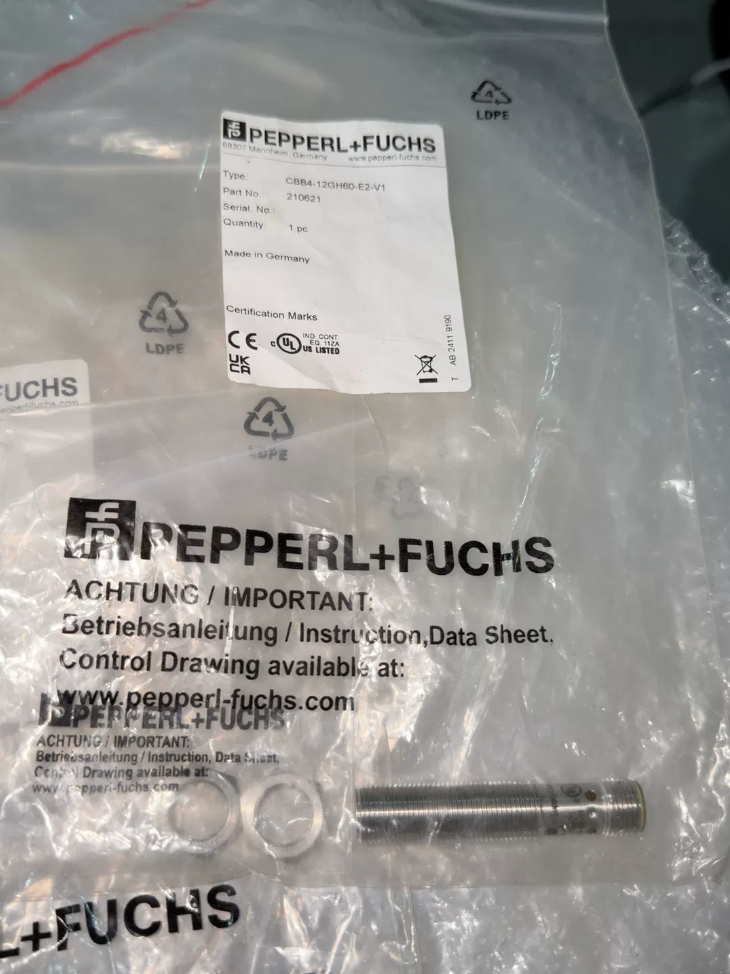


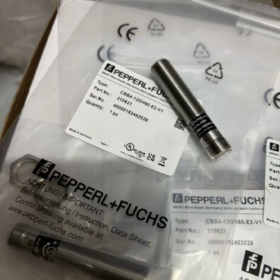
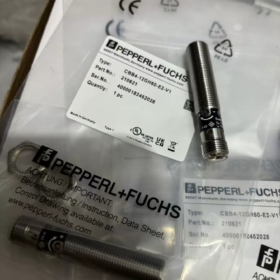
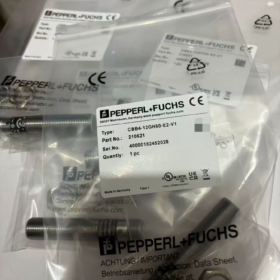
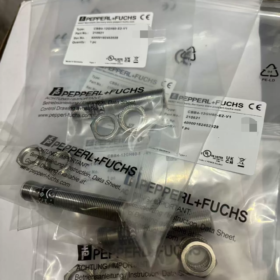
Nro. de orden: 210621 capacitivo sensor de proximidad, Montaje empotrado M12, 316L de acero inoxidable, carcasa resistente a la corrosión de calidad alimentaria
Explicación del código del modelo
| Código | Descripción |
| broca del canadá | sensor capacitivo, carcasa de acero inoxidable, tipo de montaje empotrado |
| 4 | Distancia de detección nominal: 4 milímetros |
| 12 | Rosca M12×1 |
| GH60 | 1.4404(316l) acero inoxidable, longitud total 59,8 mm, potenciómetro de sensibilidad incorporado |
| E2 | PNP normalmente abierto (NO) producción |
| V1 | Salida del conector M12 pines |
Especificaciones eléctricas básicas
| Artículo | Parámetro |
| Distancia de detección | Sn nominal=4mm; Rango de trabajo asegurado Sa=0…2.88mm, ajustable mediante potenciómetro |
| Tipo de montaje | Montaje empotrado (tipo blindado) |
| Producción | 3-cable CC PNP NO (Normalmente abierto) |
| Tensión de alimentación | 10-36 VCC |
| máx.. corriente de carga | 100 mamá |
| Corriente sin carga | ≤12mA |
| Caída de voltaje | ≤2,5 V |
| Frecuencia de conmutación | 50 Hz |
| Protección | Protección contra polaridad inversa, protección contra cortocircuitos pulsados |
| Indicador | Indicador de estado LED amarillo |
Mecánico & Datos ambientales
Alojamiento: 1.4404/Acero inoxidable AISI316L, cara de detección en PEEK, Adecuado para entornos de procesamiento de alimentos y medios corrosivos.
Conexión: Conector macho M12 de 4 pines (Se requiere un cable de acoplamiento como V1-G4)
Clasificación de protección: IP65
Temperatura de funcionamiento: -25℃ ~ +70℃
Dimensiones: M12 cilíndrico, longitud total 59,8 mm
Certificaciones: CE, UL/cULus, EN60947-5-2
Asignación de pines M12-4 pines (Conector macho del lado del sensor)
| Alfiler | Señal |
| 1 | Marrón: CC+ 10‑36 V |
| 2 | Blanco: No usado |
| 3 | Azul: 0V/TIERRA |
| 4 | Negro: Señal de salida PNP |
Nota: Este conector de 4 pines utiliza sólo los pines 1, 3 y 4.; pin2 no se utiliza. Utilice un cable M12 estándar de 4 núcleos.
Aplicaciones típicas
Detección de nivel de agua, aceite, lodos; polvo / control del nivel del depósito de pellets
Detección de presencia de materiales no metálicos. (plástica, vaso, papel)
Equipos para alimentos, bebidas y productos farmacéuticos., ambientes resistentes a la corrosión
Maquinaria de embalaje, detección de pieza en posición
Referencia de reemplazo de serie
- CBB4-12GH60-E0-V1: Misma vivienda, Salida NPN normalmente abierta; todos los demás parámetros idénticos
- Criterios de selección alternativos nacionales.: Sensor capacitivo de montaje empotrado M12, 4 mm detección nominal, PNP-NO, 10-36 VCC, M12-4 pines, 316carcasa L, con potenciómetro de ajuste de sensibilidad.
Notas de puesta en servicio
- Ajustar el potenciómetro incorporado: en el sentido de las agujas del reloj aumenta la sensibilidad; en sentido antihorario disminuye la sensibilidad.
- Instalación empotrada; Los manguitos de montaje metálicos no deben sobresalir más allá de la cara de detección..
- Los sensores capacitivos son sensibles a la humedad ambiental y al material de las paredes de las tuberías.. Calibre siempre el potenciómetro con el medio objetivo real; No confíe únicamente en los valores nominales del objetivo metálico..
Pepperl+Fuchs CBB4-12GH60-E2-V1 Casos de aplicación práctica
Características clave: Sensor capacitivo de montaje empotrado M12, 316L de acero inoxidable + Cara de detección PEEK, potenciómetro de sensibilidad ajustable, salida PNP, Conector M12 de 4 pines, IP65. Adecuado para entornos de lavado y corrosión leve en la industria alimentaria; detecta líquidos, polvos, plástica, vidrio y otros objetivos no metálicos.
Caso 1|Comida & Bebida: Tanque / Detección de nivel de tubería (Ambiente de lavado con alta humedad)
Guión: Bebida, Líneas de producción de salsas y lácteos.. Montaje en pared lateral sobre plástico pequeño / Tanques de almacenamiento de acero inoxidable para alarma de nivel alto/bajo de líquido conductor; espesor de pared del tanque ≤2,5 mm.
Montaje: Montaje empotrado a rosca en la pared exterior del tanque; sin intrusión en el medio del proceso para evitar la contaminación del producto.
Puesta en servicio: Ajuste el potenciómetro para ignorar la influencia de la pared del tanque y disparar solo con líquido..
Función: Señal de conmutación enviada al PLC para arranque y parada de la bomba., alarma de bajo nivel y prevención de funcionamiento en seco.
Ventajas de la aplicación: 316La carcasa L resiste la limpieza CIP y la corrosión de los agentes de limpieza.; La cara sensora de PEEK resiste la acumulación de material; Clasificación IP65 contra lavado por aspersión.
Precaución: Para salsas viscosas, evite una sensibilidad demasiado alta., ya que la acumulación de material provocará una activación falsa.
Caso2|Equipo farmacéutico: Monitoreo del nivel del contenedor de llenado de polvo
Guión: Pequeños contenedores para polvos y excipientes farmacéuticos.; alarma de escasez de bajo nivel para polvos polvorientos propensos a electrostáticas.
Montaje: Montaje empotrado con rosca M12 en la pared lateral del contenedor.
Objetivo: Polvos farmaceuticos, excipientes granulares.
Función: Cuando el nivel cae por debajo de la posición del sensor, La salida PNP se desactiva para activar el recordatorio de recarga de material.
Ventajas: Insensible a la acumulación de polvo; La carcasa de acero inoxidable resiste el spray desinfectante.; El potenciómetro se adapta a polvos de diferentes constantes dieléctricas..
Caso3|Maquinaria de embalaje: Plástico / Control de presencia de envases de vidrio
Guión: Detección en líneas transportadoras de botellas de PET y de vidrio para líneas de llenado. Reemplaza los sensores fotoeléctricos para eliminar la falsa detección causada por el reflejo de la luz de la botella transparente.
Objetivos: botellas de PET, botellas de vidrio, tapas de plastico.
Montaje: 1-2 mm de distancia entre el sensor y el objetivo; instalación empotrada.
Lógica: Botella presente → el sensor se enciende → dispara el actuador de llenado; sin botella → llenado inhibido.
Limitación: 50 Frecuencia de conmutación Hz, Adecuado para líneas de velocidad media-baja.; no para producción de ultra alta velocidad.
Caso 4|Industria química ligera: Monitoreo de nivel para tanques con medios levemente corrosivos
Guión: Pequeños tanques con sistema de dosificación que contienen limpiadores diluidos y aditivos ácidos-álcalis suaves para monitoreo de puntos de nivel alto y bajo.
1.4404(316l) + La construcción PEEK resiste salpicaduras y vapores de ácidos y álcalis suaves.
Detección no intrusiva de la pared exterior; El medio no toca el cuerpo del sensor para reducir el riesgo de corrosión..
Nota: No apto para ácidos fuertes concentrados. / álcalis fuertes; Se requieren sensores dedicados resistentes a la corrosión de alta resistencia para esos medios..
Caso5|Caucho-Plásticos / Moldeo por inyección: Detección del nivel de pellets en la tolva
Guión: Tolvas de material auxiliar para máquinas de inyección y extrusión.; Alarma de escasez de pellet para el disparador del alimentador..
Objetivo: PÁGINAS, Pellets de plástico PE.
Condiciones de funcionamiento: Polvo, Electricidad estática por fricción de pellets..
Consejo de puesta en servicio: Aumente la sensibilidad adecuadamente para los gránulos sueltos.; Mantenga los soportes metálicos libres para evitar interferencias..
Caso 6|Industria de procesamiento de piensos: Detección del nivel del punto del contenedor para alimentación granular
Guión: Monitoreo de nivel de punto en contenedores pequeños para granos y pellets de alimento en entornos polvorientos de producción de alimentos.
Ventajas: Tolerante a la cobertura de polvo.; Alternativa de interruptor puntual de bajo costo a los transmisores de nivel continuo..
Limitación: Proporciona señal de conmutación de punto discreta únicamente, sin salida continua de nivel de altura.
Caso 7|Línea transportadora: Confirmación de presencia de piezas no metálicas
Guión: Detección de piezas de plástico en líneas transportadoras, piezas de goma, cartulina; Los sensores inductivos no pueden detectar objetivos no metálicos..
La salida PNP se conecta directamente a la entrada digital del PLC.
Factor de forma compacto con rosca M12 para maquinaria con espacio limitado.
Instalación general & Notas de puesta en servicio (Puntos de falla de campo común para este modelo)
- El requisito de montaje empotrado es obligatorio: La cara del extremo de la rosca del sensor debe ser coplanar con la superficie de montaje metálica.. La protrusión causará una desviación errática de la distancia de detección.
- El rango de detección real para objetivos no metálicos es sustancialmente menor que los 4 mm nominales.. Calibre siempre el potenciómetro in situ con material del mundo real.. No diseñe un diseño mecánico basándose únicamente en el valor nominal de 4 mm..
- Para líquidos y medios viscosos, la acumulación de material y la espuma provocan una conmutación errónea. Realice la puesta en servicio mientras simula condiciones de acumulación del mundo real antes de bloquear la configuración del potenciómetro.
- Conector M12 de 4 pines: pin2 sin usar. Terminar pines1(marrón, +), 3(azul, Tierra), 4(negro, señal) solo.
- Frecuencia de conmutación limitada a 50 Hz.. No aplicable para aplicaciones de conteo de alta velocidad. Diseñado únicamente para tareas de detección de nivel de pieza y de pieza de trabajo presente.
Especificación de instalación de Pepperl+Fuchs CBB4-12GH60-E2-V1
Este es un montaje empotrado (blindado) Sensor de proximidad capacitivo de rosca M12. Está prohibida la instalación saliente no enrasada..
Alojamiento: 1.4404(316l) acero inoxidable; cara de detección PEEK; suministrado con contratuerca M12; Conector macho M12 de 4 pines en la parte trasera.
- Métodos básicos de instalación
1.1 Montaje en panel metálico con orificio roscado (Más común, para tanques / paredes de equipos)
- Preparación del agujero: Orificio roscado M12×1. Para orificio liso: Ø12,2-12,5mm; Fije con abrazadera usando dos tuercas de seguridad M12 en la parte delantera y trasera..
- Requisito crítico: La cara sensora de PEEK debe quedar perfectamente al ras con la superficie de montaje de metal.. Sin protrusión; La profundidad del hueco no debe exceder los 0,5 mm..
✅ Correcto: Cara de detección coplanar con superficie de pared metálica
❌ Incorrecto: Cabezal del sensor sobresaliendo hacia afuera; receso interior excesivo (>0.5 milímetros)
- Especificación de par: Utilice una contratuerca M12 de acero inoxidable OEM; par de apriete 0,8-1,2N·m. Apretar demasiado dañará las roscas y la carcasa..
- Orientación de montaje: Se permiten horizontales o verticales.. Para aplicaciones de medición de nivel, orientar la cara de detección hacia el interior del tanque.
Espacios libres de instalación especificados en la hoja de datos
A=0mm: El metal de la pared lateral puede quedar al ras de la rosca del sensor
B=0mm: Metal frontal al ras de la cara de detección
C=15mm: Extremo del conector trasero: Espacio libre mínimo ≥15 mm respecto de obstrucciones metálicas.
F=15mm: dirección lateral: espacio libre mínimo ≥15 mm respecto a objetos metálicos adyacentes
1.2 Montaje en pared exterior en recipientes no metálicos (Plástico / tanques de vidrio, detección de nivel externo)
Monte el sensor externamente en la pared exterior del tanque., no enroscar en el interior del tanque. La cara sensora se apoya plana contra la superficie exterior del tanque..
Espesor recomendado de la pared del tanque ≤2 mm; materiales PE/PP/PET/vidrio.
Seguro mediante soporte / nueces; mantener contacto sin espacios entre la cara sensora y la pared del tanque.
Reduzca la sensibilidad mediante un potenciómetro para compensar el efecto dieléctrico de la pared del tanque..
1.3 Bracket-clamp mounting
Use M12-sensor bracket; ensure sensing face is perpendicular (90°) to target.
Maintain ≥15 mm clearance between bracket metal and sensor thread barrel. Do not fully enclose sensor head with metal, as this will shield the capacitive sensing field and disable the sensor.
- Multi-sensor side-by-side installation (anti-crosstalk)
For multiple CBB4-12GH60-E2-V1 sensors mounted adjacent: center-to-center spacing ≥15 mm (datasheet mandatory C/F=15 mm).
Insufficient spacing causes mutual interference and random false-switching. If spacing cannot be increased, adopt staggered offset mounting.
- Sensing-distance & target-related installation rules
- Assured working range Sa=0~2.88 mm. Design mechanical layout with safety margin at ≤2.0 mm. Do not use nominal Sn=4 mm for mechanical design.
- For liquid / polvo / objetivos de perdigones: orientar la cara de detección directamente hacia el material. Se permite el contacto directo entre el material y la cara sensora de PEEK. (IP65).
- No hay obstrucciones metálicas delante de la cara de detección.; El metal atenúa severamente el campo de detección capacitivo..
- Instalación conector-cable
- Conector macho M12 de 4 pines en la parte trasera; acoplar con M12-4-core hembra recto / cable en ángulo (p.ej. V1-G4).
- Evite la tensión mecánica en el conector.; implementar un bucle de curvatura para aliviar la tensión del cable para evitar daños por fuerza de tracción.
- Enrute los cables del sensor por separado del motor. / Cables de alimentación del inversor para reducir las interferencias electromagnéticas..
- Procedimiento de puesta en marcha posterior a la instalación
- Bloqueo mecánico completo; verificar la condición de montaje empotrado de la cara de detección.
- Aplique suministro de 10-36 VCC; permitir 2-3 minutos de calentamiento.
- Ajuste el potenciómetro en condiciones de funcionamiento reales. (incluyendo la acumulación, espuma, polvo).
- Simular objetivo presente / condiciones de ausencia de objetivo; Verifique que la indicación LED amarilla coincida con el estado esperado, luego asegurar el ajuste del potenciómetro.
- Fallos comunes inducidos por la instalación (causas-raíz-de-fallo-de-campo)
- El cabezal del sensor sobresale de la superficie metálica: detecta el metal circundante, se bloquea permanentemente en ON.
- Receso interior excesivo: rango de detección drásticamente reducido, detecciones perdidas frecuentes.
- Obstrucciones metálicas dentro <15 mm detrás de la tapa del extremo del conector: interferencia del campo de detección, deriva de señal inestable.
- Par de apriete excesivo: carcasa de acero inoxidable agrietada / daño del hilo.
- Múltiples sensores montados demasiado cerca: diafonía mutua, conmutación falsa aleatoria.
Distancia de detección Pepperl+Fuchs CBB4-12GH60-E2-V1 (Valores oficiales de la hoja de datos)
- Distancia de detección nominal Sn: 4 milímetros
Especificado utilizando un objetivo de prueba estándar de metal conectado a tierra. El dígito 4 en el número de modelo representa este parámetro.. Sólo valor de referencia; Los objetivos no metálicos no alcanzarán los 4 mm..
- Rango de trabajo fiable y garantizado Sa: 0 … 2,88 mm
Válido en condiciones correctas de instalación empotrada. Para fines de diseño mecánico, aplique un margen de seguridad de ≤2,0 mm.. No diseñe hardware contra Sn=4 mm.
⚠️ Notas críticas sobre el sensor capacitivo
Sn=4 mm se mide con un objetivo de prueba de metal conectado a tierra. para plasticos, polvos, liquidos, vidrio y otros objetivos no metálicos, La distancia real del gatillo se reduce significativamente., determinado por la constante dieléctrica objetivo.
El potenciómetro incorporado proporciona un ajuste continuo de la distancia de detección. Realice siempre la puesta en marcha utilizando material de proceso real in situ. No confíe únicamente en la clasificación nominal de 4 mm.
Este es un tipo de montaje empotrado blindado.. Instalación incorrecta (saliente / empotrado) Degrada o elimina directamente el rendimiento de la detección..
Distancias de activación de referencia de aplicación práctica
Agua / líquido conductor: aprox. 2.5-2.8 milímetros
PÁGINAS / Pellets de plástico PE: normalmente 1-2 mm
External-wall level-sensing through 1-2 mm thin plastic tank wall: effective sensing gap near zero; compensation via potentiometer required.


NH42-63-318x560.png "Interruptores de transferencia automática tipo PC CHINT (ATS)NH42-63/4SZ")