Contacteur,disjoncteur,capteur,Encodeur,API,Convertisseur

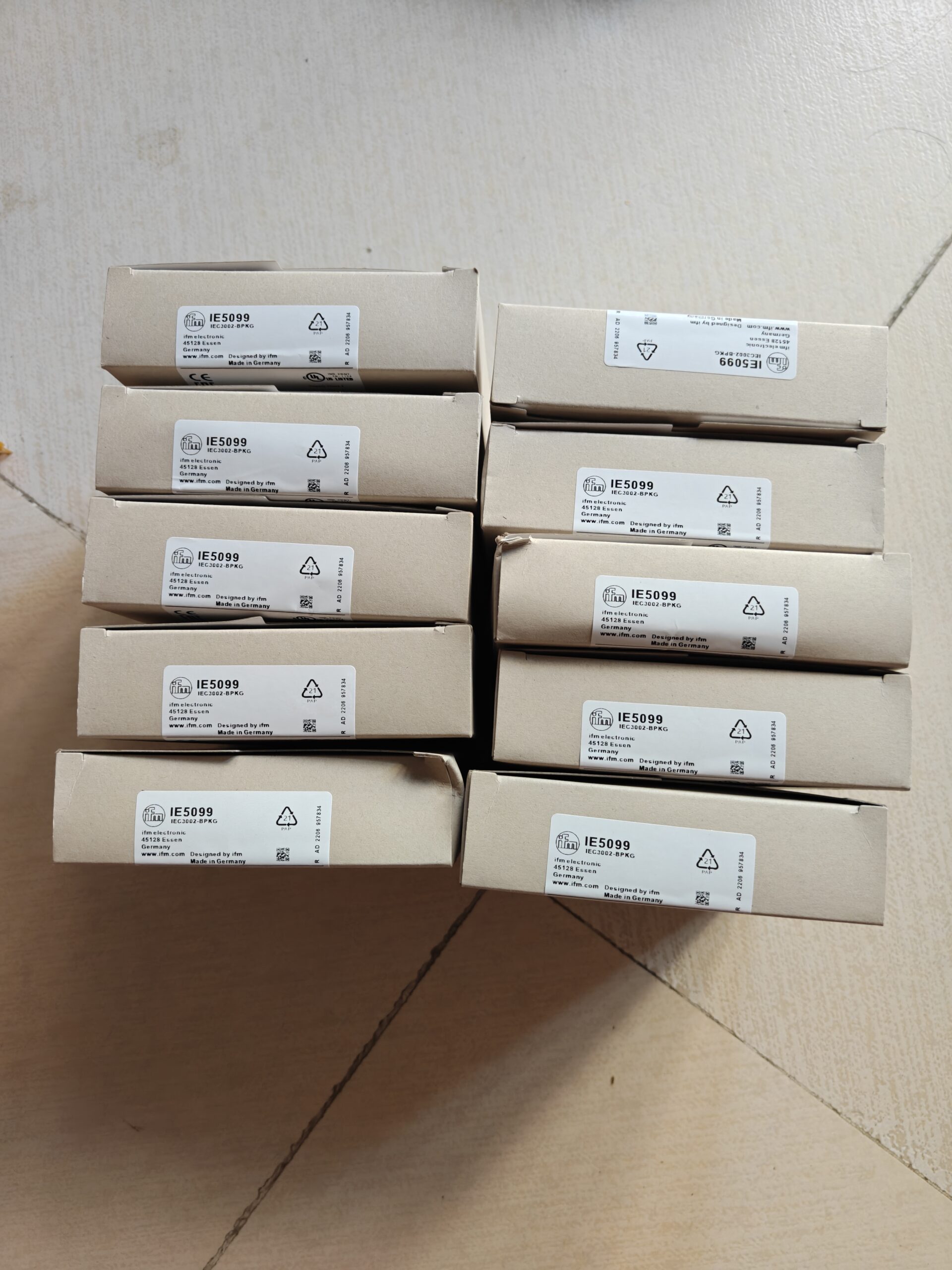

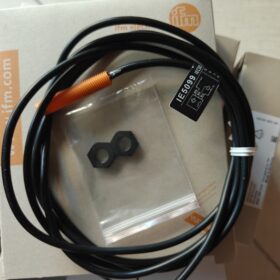
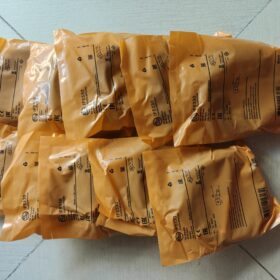
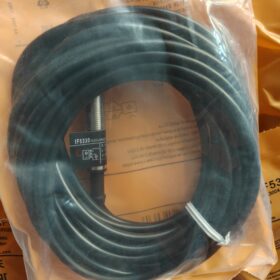
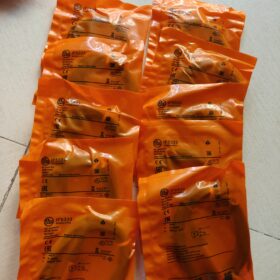
(Modèle complet: CEI3002-BPKG)
Informations de base
Type de produit: Capteur de proximité inductif (boîtier fileté cylindrique)
Style de montage: M8×1, non affleurant (non intégrable)
Distance de détection nominale Sn: 2 mm
Sortir: PNP CC à 3 fils normalement ouvert (NON)
Version câble: 2 m Câble droit PUR
Spécifications électriques complètes
| Article | Paramètre |
| Tension d'alimentation | 10…36 V CC |
| Courant à vide | < 15 mA |
| Courant de charge maximal | 200 mA |
| Fréquence de commutation | 800 Hz (type à grande vitesse) |
| Chute de tension de sortie | ≤2,5 V |
| Fonctions de protection | Protection contre l'inversion de polarité, protection contre les courts-circuits, protection contre les surcharges |
| Hystérèse | ≤ 15 % de Sn |
Mécanique & Spécifications environnementales
Dimensions: M8×1, longueur totale L=35 mm (boîtier ultra-court pour un espace de montage confiné)
Matériau du boîtier: Plastique
Classe de protection: IP67
Température de fonctionnement: -25 ℃… +80 ℃
Température de stockage: -40 ℃… +85 ℃
Résistance aux vibrations/chocs: Conforme à la CEI 60947-5-2
Affectation des câbles (3-système de fil)
Brun BN: CC+ (Puissance positive)
Bleu B.U.: 0V / GND
Noir BK: Sortie de signal PNP (NON)
Astuce de câblage PNP: Connectez le fil noir à l'entrée PLC; La borne commune des entrées PLC se connecte à 0V. Lorsque le métal s'approche du capteur, le niveau haut est émis sur le fil noir.
Décodage du code modèle IE5099 = IEC3002-BPKG
- IE: Série de capteurs inductifs cylindriques M8
- C: Montage non encastré
- 3002: Filetage M8, distance de détection 2 mm
- B: 2 m de câble fixe
- P.: Sortie PNP
- K: Normalement ouvert (NON)
- G: Circuit de protection CC standard
Applications typiques
Petits outillages, détection de position de cylindre miniature, mécanismes de transport compacts, détection de came à grande vitesse, limite de butée du robot; idéal pour les équipements avec un espace d'installation limité.
Alternative IFM Modèles équivalents
Exigence pour NPN normalement ouvert: IE5100 (même logement)
Condition requise pour la version avec connecteur M8 (M8 4 broches): IE5098
⚠️Important: Distinguer la chasse d'eau / types non affleurants. Les capteurs encastrés présentent une distance de détection plus courte et ne peuvent pas être directement interchangés.
Règles obligatoires & Directives de dépannage
- Pour les capteurs non affleurants: Gardez une zone exempte de métal (minimum 3×Sn = 6 mm) autour du visage sensible. Sinon, une plage de détection réduite et une fausse commutation se produiront;
- Ne convient pas à une immersion permanente. IP67 protège uniquement contre les projections d'eau temporaires;
- Facteur de correction du matériau cible: Acier=1, acier inoxydable≈0,7, aluminium≈0,4; la distance de détection efficace diminue considérablement pour les cibles en aluminium;
- Plusieurs capteurs montés côte à côte: Maintenir un espacement ≥3×Sn pour éviter les interférences magnétiques mutuelles.
Principe de fonctionnement des capteurs de proximité inductifs à filetage cylindrique
(S'applique aux types M8/M12/M18/M30, y compris IFM IE5099)
- Principe fondamental: Champ magnétique alternatif haute fréquence + Effet des courants de Foucault
Les capteurs de proximité inductifs détectent uniquement les métaux conducteurs. Plastiques, bois, le verre et les liquides ne peuvent pas être détectés.
Trois circuits internes principaux: Circuit oscillateur haute fréquence, circuit démodulateur, mise en forme du signal & circuit de sortie.
(1) État d'oscillation (Pas de métal à proximité)
Un oscillateur LC à bobine-condensateur est intégré à la tête du capteur. Après la mise sous tension, il génère en permanence un champ magnétique alternatif à haute fréquence rayonnant vers l'extérieur.
L'amplitude d'oscillation reste stable. Le circuit de détection ultérieur juge: Pas de métal → état initial de sortie
Pour capteurs PNP NO (par exemple. IE5099): Pas de niveau élevé en sortie.
(2) État d'atténuation des courants de Foucault (Le métal entre dans la zone de détection)
Lorsqu'une cible métallique s'approche de la face de détection, le champ magnétique alternatif pénètre dans la surface métallique. Des courants de Foucault fermés sont induits à l'intérieur du métal selon la loi de l'induction électromagnétique.
Les courants de Foucault génèrent un champ magnétique inverse neutralisant le champ magnétique d'origine de la bobine du capteur..
L'énergie est consommée par les courants de Foucault → L'amplitude de l'oscillateur LC diminue, et peut cesser d'osciller.
(3) Conversion des signaux & Sortir
Le démodulateur surveille en permanence l'amplitude des oscillations:
Forte chute d'amplitude → Cible métallique détectée;
Les signaux passent par la mise en forme du déclencheur de Schmitt et pilotent les circuits de transistors pour changer l'état de sortie. (PNP/NPN activé/désactivé).
Résumé:
Mise sous tension → l'oscillateur fonctionne → le métal induit des courants de Foucault → l'oscillation s'atténue → le circuit détecte le métal et déclenche la commutation.
- Terminologie clé (Pour la sélection & Mise en service)
- Montage encastré / Montage non encastré
Flush (intégrable): La tête du capteur peut être intégrée dans des supports métalliques. Le blindage optimisé de la bobine améliore la résistance aux interférences métalliques environnantes, au prix d'une distance de détection nominale Sn plus petite.
Non affleurant (non intégrable, Type IE5099): La tête du capteur ne doit pas être entourée de métal. Distance de détection plus longue, mais un espace libre suffisant autour de la face de détection est requis; sinon le champ magnétique est absorbé et une fausse commutation se produit.
- Distance de détection nominale Sn
Distance nominale testée dans des conditions standard (acier doux, taille cible standard). Distance effective réduite pour l'acier inoxydable, aluminium et cuivre (facteur de correction < 1).
- Hystérèse
Distance de fonctionnement (métal approchant) réinitialiser la distance (le métal s'éloigne).
Fonction: Empêche les bavardages fréquents et les fausses commutations causés par les vibrations mécaniques.
Spécification standard ≤15%Sn (correspond au paramètre IE5099).
- Logique de sortie du capteur CC à 3 fils (IE5099 PNP NON Exemple)
Brun: DC10 ~ 36 V +
Bleu: 0V GND
Noir: Sortie de signal
✅ Approches métalliques → Conduits de transistor internes → Le fil noir produit un potentiel élevé (proche de la tension d'alimentation)
Le type NPN fonctionne à l'opposé: Le fil de signal descend à 0 V lorsque du métal est détecté.
- Idées fausses courantes
- ❌ Il ne repose PAS sur des aimants permanents! Aucun aimant requis; seul le métal conducteur peut déclencher la détection. Les capteurs à effet Hall détectent les champs magnétiques : les deux principes sont complètement différents.
- ❌ Impossible de détecter les matériaux non conducteurs;
- ❌ La stabilité diminue sur de longues distances. Distance de travail recommandée ≤ 0,7×Sn pour la marge d'installation.
- Explication de la structure mécanique des capteurs à filetage cylindrique
Le corps fileté sert uniquement à des fins de montage mécanique. La zone de détection efficace est la face avant. Le champ magnétique rayonne principalement vers l’avant; la capacité de détection latérale est extrêmement faible.
Scénarios d'application des capteurs de proximité inductifs à filetage cylindrique
(Série M8/M12/M18/M30, par exemple. IFMIE5099 M8)
Récapitulatif des principales caractéristiques: Détection de métaux uniquement, fonctionnement sans contact, zéro usure mécanique, réponse rapide, résistant au brouillard d'huile et à la poussière. Considérations de sélection: affleurant/non affleurant, PNP/NPN, Normalement ouvert/normalement fermé.
- Machines-outils & Travail des métaux
- Détection de position des pistons de vérins pneumatiques
Détection de limite de cylindre miniature à l'aide de capteurs compacts M8 (IE5099 préféré) monté à l'extérieur pour détecter les anneaux métalliques intégrés sur les pistons. Avantage par rapport aux interrupteurs magnétiques: immunité aux champs magnétiques puissants.
- Détection sur place de l'outil & positionnement du magasin d'outils
Confirmation de l'assise du porte-outil et du serrage de l'outil; déclenché par des corps d'outils métalliques.
- Limite de déplacement douce/dure et prise d'origine pour les axes d'alimentation
Référence origine machine et protection de déplacement des servo-glissières, actionné par des gâches métalliques.
- Détection de présence de pièce
Détection d'ébauches d'acier et de pièces embouties sur des convoyeurs de guidage.
- Convoyage & Équipement d'emballage
- Comptage et détection de présence de pièces métalliques sur bandes transporteuses
Détection de palettes métalliques et de composants matériels sur convoyeurs à chaînes et à rouleaux.
⚠️ Impossible de détecter les contenants en plastique sans composants métalliques internes.
- Signal de position de la plate-forme élévatrice, retour de position du vérin d'arrêt
- Confirmation de position des lames de coupe et des mécanismes de pressage sur les machines d'emballage
- Détection des ferrures métalliques sur les cartons (pinces métalliques, canettes métalliques)
- Robotique & Automatisation personnalisée
- Détection de position d'ouverture/fermeture des pinces du robot
Capteurs filetés M8 compacts (IE5099) largement utilisé pour les pinces miniatures dans les espaces restreints.
- Positionnement des outillages & confirmation de serrage du luminaire
Déclenché par des plaques cibles métalliques sur les blocs de serrage pour vérifier le chargement correct de la pièce.
- Référence d'origine et indexation des mécanismes rotatifs
Détection de position à grande vitesse à l'aide de cames et de plaques cibles métalliques (fréquence de commutation jusqu'au niveau kHz).
- Alarme anti-collision simplifiée pour machines
- Moulage par injection & Machines en caoutchouc
- Signaux de position finale de l'éjecteur et de limite de traction du noyau pour les moules
- Surveillance de la position des vis métalliques à l'intérieur des fûts
- Confirmation de position pour les robots à emporter
L'environnement d'exploitation contient de l'huile et de l'humidité; Les capteurs IP67 avec câbles PUR résistants à l'huile sont préférés.
- Fabrication automobile
- Positionnement de la station et retour de serrage des fixations pour les lignes de soudage
- Position du coulisseau et limite de sécurité pour l'équipement d'emboutissage
- Reconnaissance des racks de transport de composants
- Retour de position mécanique pour outils dynamométriques et équipements d'assemblage
- Machines de construction & Systèmes hydrauliques/pneumatiques
- Retour d'information externe sur la position de course pour les vérins hydrauliques
- Indication de la position du tiroir pour les vannes
- Mesure de vitesse à basse vitesse via des dents d'engrenage: Impulsions générées lorsque les dents d'engrenage passent devant le capteur
- Ascenseurs, Levage & Équipement d'entreposage
- Détection d'arrivée au sol pour monte-charges
- Évitement des collisions métalliques et étalonnage de la position pour les gerbeurs et les AGV
Correspondance des applications par taille de boîtier
- M8 (Type IE5099)
Applications limitées en espace: Cylindres miniatures, petites pinces, mécanismes rotatifs compacts, montages d'outillage étroits, petit équipement de transport de précision.
Limitation: Distance de détection nominale courte (2 mm); la taille du métal cible ne peut pas être excessivement petite.
- M12
Usage général: Fins de course machines, cylindres standards, détection de pièces sur convoyeurs. Sn typique = 4 mm.
- M18
Portée de détection moyenne (5/8 mm). Convient aux applications avec vibrations de la pièce et tolérance de jeu d'installation plus grande.
- M30
Longue distance de détection (10/15 mm). Pour les machines lourdes et la détection de métaux longue distance.
⚠️ Sélection Critique & Directives d'installation
- Capteurs non affleurants (IE5099)
Évitez de monter la face de détection près des supports métalliques.. Maintenir un espace libre suffisant autour de la face de détection; sinon l'absorption du champ magnétique conduit à une détection instable et à de faux signaux.
- Effet d'atténuation du matériau
L'acier doux offre des performances optimales; la distance effective diminue fortement pour l'acier inoxydable, aluminium et cuivre. Augmenter la marge d'installation des cibles en aluminium.
- Cibles inappropriées: Plastiques, bois, caoutchouc, verre, liquides
Utilisez des capteurs photoélectriques ou capacitifs pour la détection de non-métaux.
- Équipement sujet aux vibrations
Faites attention à l'hystérésis du capteur pour éviter les vibrations du signal.
- Plusieurs capteurs installés à côté
Maintenir un espacement minimum ≥3×Sn entre les capteurs pour éviter les interférences magnétiques mutuelles.


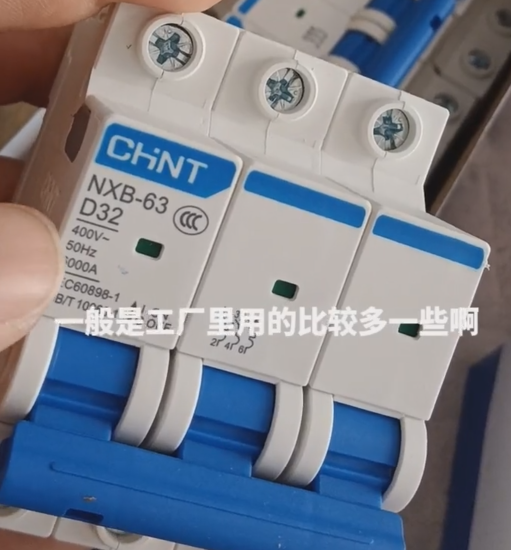
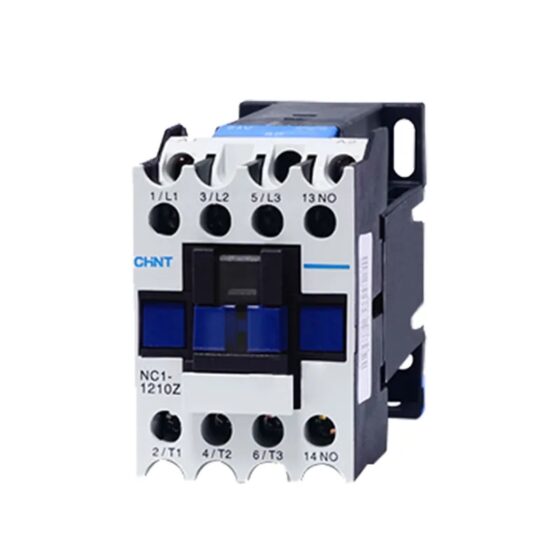
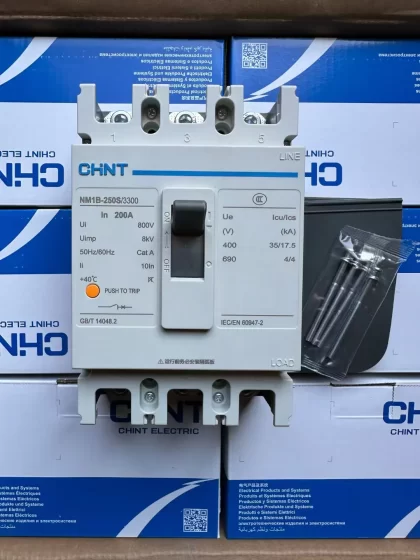
NH42-63-318x560.png "Commutateurs de transfert automatiques de type PC CHINT (ATS)NH42-63/4SZ")