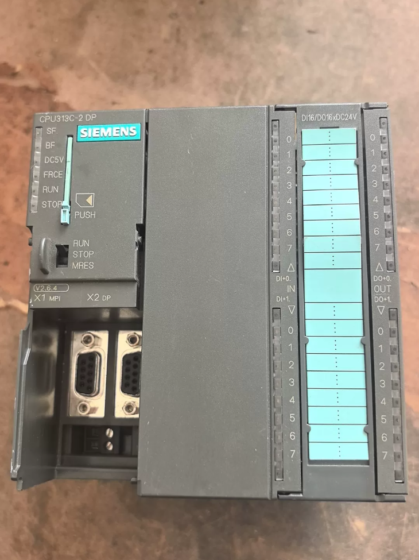
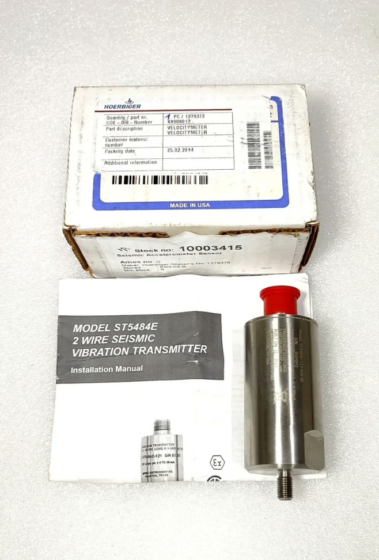
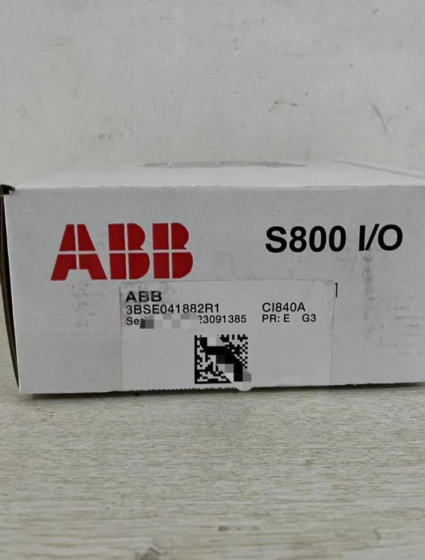
Contattore,interruttore automatico,sensore,Codificatore,PLC,Convertitore

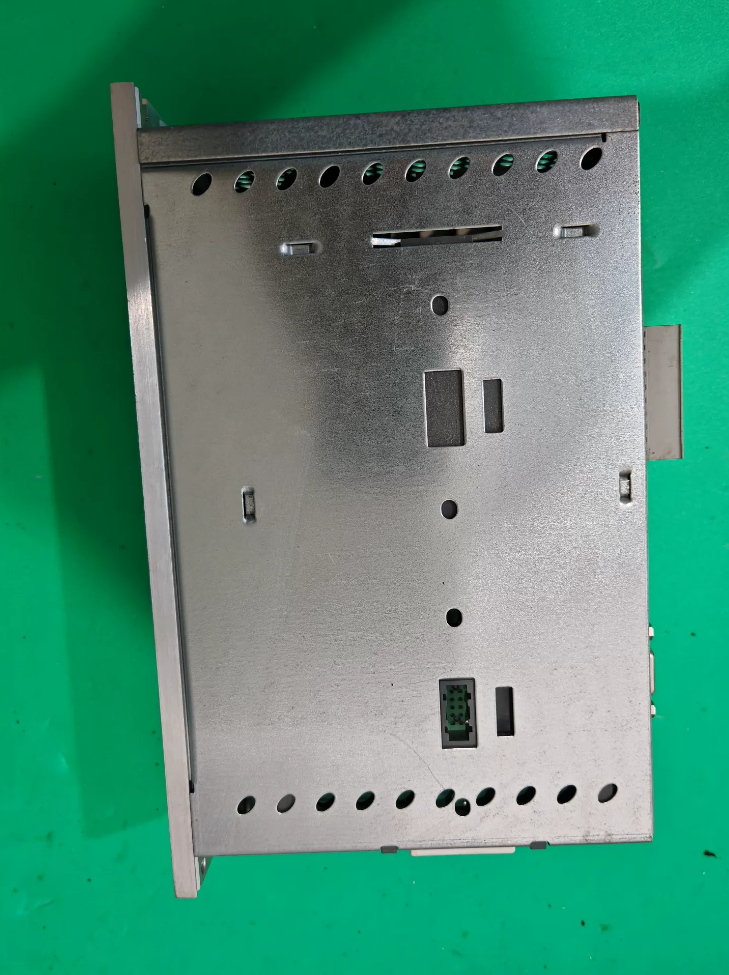

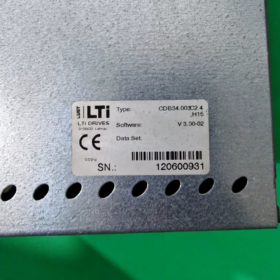
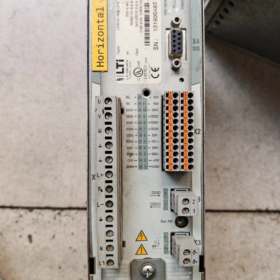
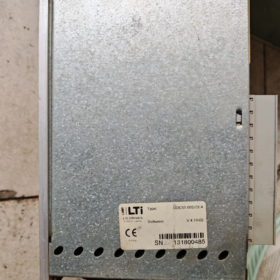
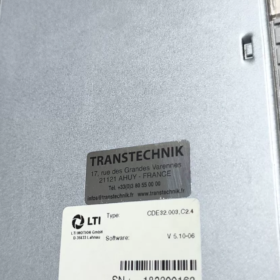
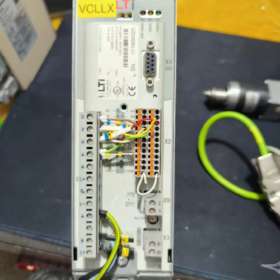
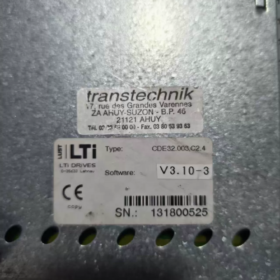
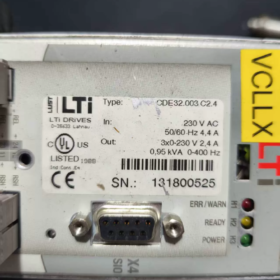
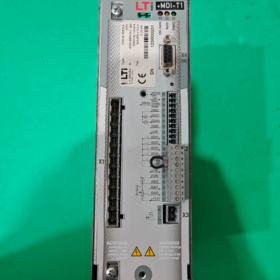
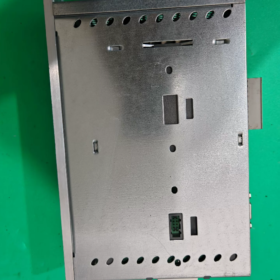
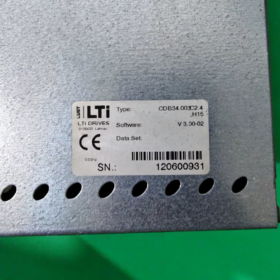
Stato: EOLEndofLife. LUST è stata acquisita di ATTENZIONE; Fornitura OEM interrotta. Usato solo / seconda mano / unità ristrutturate disponibili sul mercato.
- Decodifica del codice modello
`CDE32.003.C2.4`
| Segmento | Definizione |
| CDE | Serie: Pos‑Servo serie CDE3000, posizionamento servoazionamento; sostiene la posizione / velocità / modalità di controllo della coppia |
| 32 | Classe di tensione: 3×230 VCA; 34 sta per classe 400V |
| 3 | Codice della corrente di uscita nominale: 3 Un continuo, 6 Un picco |
| C | Revisione hardware C |
| 2 | Interfaccia dell'encoder: EnDat2.2 |
| 4 | Versione firmware V2.4; suffisso .PC1 = scheda opzionale Profibus‑DP (non compreso nell'unità base CDE32.003.C2.4) |
Riferimento dell'ordine: "1021.0003.x". (codice ordine base per la serie CDE32.003)
- Specifiche elettriche principali
| Articolo | Parametro |
| Alimentazione principale | 3-fase 208‑230 VCA, 50-60 Hz |
| Controllare il potere | 24 Alimentazione esterna VCC |
| Corrente di uscita continua | 3 Braccia |
| Corrente di picco in uscita | 6 UN (durata limitata dalla curva di sovraccarico) |
| Potenza motore compatibile | 0.25‑0,75 kW, 230 Servomotori sincroni V LUST |
| Modalità di controllo | Posizione (posizionamento a bordo), anello di velocità, anello di coppia |
| Codificatore | EnDat2.2 (Hardware C2.4); TTL incrementale opzionale su altre varianti hardware |
| I/O | Ingressi digitali / uscite, setpoint analogico ±10V; Morsettiera di controllo X2 |
| Uscita freno motore | Terminale X9, 24 Azionamento con freno motore V con monitoraggio della rottura del cavo |
Condizioni ambientali
Temperatura operativa: 0 ~ +45°C (installazione in armadio con ventilazione forzata; declassamento sopra i 40°C)
Magazzinaggio / temperatura di trasporto: −25~+70°C
Umidità: 590 %RH, nessuna condensa consentita
Montaggio: Montaggio su guida DIN all'interno dell'armadio; IP20
Dimensioni meccaniche (Custodia piccola CDE32)
Larghezza 55 mm × Altezza 215 mm × Profondità 150 mm; Clip per guida DIN premontate.
- Panoramica dell'interfaccia
- X1: 3ingresso alimentazione principale di fase L1/L2/L3, Morsetti della resistenza di frenatura del bus CC
- X2: Controllo I/O (I/O digitale, setpoint analogico, abilitare, uscita relè guasto)
- X6: Potenza motore in uscita U/V/W, Terra di protezione PE
- X7: Porta dell'encoder EnDat
- X9: 24 Uscita freno motore V; richiede un'alimentazione esterna a 24 V, rilevamento rottura cavo incluso
- KP200: Interfaccia con tastiera portatile per l'accesso ai parametri e la lettura dei guasti
Software di messa in servizio: DriveManager (strumento LUST legacy; supporto nativo per Windows XP / 7; modalità di compatibilità richiesta per Win10).
- Riferimento rapido ai codici di errore (Serie CDE3000)
| Display | Descrizione del guasto | Cause tipiche della radice |
| E‑CPU | processore / guasto hardware del firmware | Danno alla scheda principale, corruzione dei parametri, Guasto della RAM |
| E‑OC | Sovracorrente | Cortocircuito del motore, guasto a terra, guasto dello stadio di potenza, rottura dell'isolamento del motore |
| SPENTO | Sottotensione del bus CC | 3-perdita di fase in ingresso di fase, Tensione di alimentazione principale insufficiente |
| E‑OTI | Guidare surriscaldata | Scarsa dissipazione del calore, guasto della ventola, temperatura ambiente eccessiva |
| E-OTM | Surriscaldamento del motore | Circuito aperto del termistore del motore, sovraccarico del motore |
| E‑PLS | Guasto dell'encoder | Errore di comunicazione EnDat, cavo danneggiato, guasto hardware dell'encoder |
| E‑CAN | Guasto del bus CAN | Resistenza di terminazione da 120Ω mancante, cortocircuito del bus |
Codice di lampeggio del LED rosso H1: il numero di lampeggi indica il gruppo di guasto; informazioni complete sui guasti leggibili tramite la tastiera KP200.
- Opzioni di sostituzione (Importante: Nessuna sostituzione compatibile con pintopin dropin; hardware, cablaggio e software devono essere rielaborati completamente)
Conclusione: Non esiste un'alternativa plug-and-play. Due strategie: conservazione dell'attrezzatura tramite riparazione; o aggiornamento dell'intero sistema.
Strategia1: Conservazione basata sulla riparazione della macchina esistente
Fonte utilizzata / usato CDE32.003.C2.4. Rischi: disponibilità limitata, invecchiamento dei componenti. Si consiglia l'ispezione della scheda di alimentazione e la ristrutturazione dei condensatori.
Verificare la versione del firmware e il tipo di encoder (EnDat2.2) per abbinamento con motore esistente.
Strategia2: Aggiornamento completo (Successore di KEBA & 3servi di terze parti)
- Serie KEBA KeDriveD3 (eredità tecnica della LUST): Richiede nuovi schemi elettrici, riconfigurazione dell'encoder. I file di progetto DriveManager non possono essere importati direttamente.
- 3candidati del terzo partito: SchneiderLexium28, B&R ACOPOSmicro, Siemens S210.
Nota critica: Il motore originale utilizza l'encoder EnDat2.2. Il nuovo azionamento deve supportare l'interfaccia EnDat per riutilizzare il motore esistente.
Avvisi di trappola della selezione
- ❌ Non sostituire mai CDE32 (230 Classe V) con CDE34 (400 Classe V); la mancata corrispondenza della tensione distruggerà il motore.
- ❌ Il suffisso C2.4 indica l'hardware EnDat; non può sostituire direttamente C1.x (Encoder incrementale TTL) varianti; l'hardware dell'encoder è incompatibile.
- I file di progetto Legacy DriveManager non possono essere importati in KEBA KeDrive; obbligatoria la riaccordatura completa.
- Campi di applicazione tipici
Macchine tessili, macchine da stampa, attrezzature per l'imballaggio
Assi ausiliari per macchine utensili, tavole di posizionamento
Macchine per la lavorazione del legno; si trovano principalmente su apparecchiature importate di vecchia generazione.
- Contenuto della confezione standard
Servoazionamento CDE32.003.C2.4 ×1
Clip di montaggio su guida DIN preinstallate
Articoli NON inclusi, deve essere ordinato separatamente: Tastiera KP200, Scheda opzionale ProfibusDP PC1, cavi dell'encoder, cavi di alimentazione, resistenza di frenatura esterna.
Servomotori sincroni originali LUST compatibili
Guidare l'hardware: C2=interfaccia encoder assoluto EnDat2.2; guidare continuo 3A, picco6A; 3Alimentazione ×230 VCA.
Vincoli duri: Il motore deve essere un servo sincrono con avvolgimento da 230 V con EnDat2.2 (monogiro / multigiro). Corrente continua del motore ≤3A, picco ≤6A. Gamma di potenza: 0.250.75 kW. 400 I motori di avvolgimento non sono supportati. Motori con encoder incrementale TTL (per unità hardware C1) non è possibile operare direttamente con questa unità.
Famiglie di motori originali LS, LSM, LSML (LUSSURIA / LTi) sono tutti EOL. Usato solo / disponibili unità ristrutturate.
- Elenco motori compatibili OEM (EnDat2.2, 230 V)
| Modello del motore | Potenza nominale | Coppia nominale | Velocità nominale | Corrente nominale | Osservazioni |
| LS‑07‑030‑2N‑000 | 250 W | 0.8 Nm | 3000 giri/min | 1.4 UN | Flangia piccola, nessun freno, EnDat2.2 |
| LS‑07‑050‑2N‑000 | 400 W | 1.27 Nm | 3000 giri/min | 2.1 UN | Senza freni; Suffisso variante freno‑B000 |
| LS‑08‑075‑2N‑000 | 750 W | 2.39 Nm | 3000 giri/min | 2.8 UN | Potenza massima compatibile. Non è consentito il funzionamento continuo a pieno carico; declassamento richiesto. |
| LSML‑07‑030‑4N‑000 | 250 W | 0.8 Nm | 4500 giri/min | 1.5 UN | Alta velocità e bassa inerzia; per assi ad alta velocità nel settore tessile / confezione |
| LSML‑07‑050‑4N‑000 | 400 W | 1.27 Nm | 4500 giri/min | 2.2 UN | Senza freni ad alta velocità;‑B4N = freno di stazionamento da 24 V |
| LSMM‑08‑075‑2N‑000 | 750 W | 2.4 Nm | 3000 giri/min | 2.9 UN | Inerzia media, 80 flangia da mm; assi ausiliari della macchina utensile |
Esempio di suddivisione del codice modello "LS070502NB000".
- "LS".: servo sincrono a inerzia standard; "LSML".: bassa inerzia ad alta velocità; "LSMM".: mediainerzia
- `07 / 08`: codice flangia (07 =70 mm; 08 =80 mm)
- `030 / 050 / 075`: potenza × 10 W (075 =750W)
- "2"=3000 giri/min; "4"=4500 giri/min
- `N`=encoder EnDat2.2; `I`=encoder incrementale TTL (NON per questa unità)
- `B`=freno di stazionamento integrato da 24 V; noB = senza freni.
- Condizioni al contorno elettriche (Selezione regole dure)
- Limite attuale: Corrente RMS continua del motore ≤3A; corrente di picco del motore ≤6A. 750 W è il limite di potenza superiore; evitare il funzionamento continuo a pieno carico, applicare il declassamento.
- Corrispondenza obbligatoria dell'encoder: L'hardware X7 è EnDat2.2. Il suffisso dell'encoder del motore deve essere 2N /4N. I motori incrementali TTL Isuffix collegati a X7 attivano il guasto dell'encoder EPLS.
- Tensione dell'avvolgimento: Deve essere un avvolgimento da 230 V. 400 Motori di avvolgimento severamente vietati su CDE32; l'eccitazione non può funzionare correttamente.
- Azionamento del freno: Il freno di stazionamento da 24 V integrato nel motore si collega a X9. X9 richiede un'alimentazione esterna indipendente da 24 V; l'azionamento non fornisce potenza frenante. Monitoraggio rottura cavo attivo.
- Sensore temperatura motore: Il termistore PTC integrato può essere collegato per il monitoraggio lato trasmissione, innesca la sovratemperatura del motore EOTM.
- 3Requisiti di compatibilità del motore rdParty
CDE32.003.C2.4 può pilotare motori sincroni a magneti permanenti di terze parti solo se tutte le condizioni sono soddisfatte:
- Avvolgimento motore 3×230VAC; corrente di fase continua ≤3A.
- Feedback: Heidenhain EnDat2.2, Pinout DSub15 corrispondente alle specifiche del cavo LUST.
- Tutti i parametri del motore devono essere immessi manualmente in DriveManager: resistenza statorica, induttanza asse d/q, conteggio delle coppie di poli, continuo / corrente di picco, indietroEMF Ke. Nessun database motore precaricato; nessun riconoscimento automatico.
⚠️ Rischio: Una messa a punto errata di motori di terze parti porta a sovracorrente EOC, oscillazione dell'asse o scarsa precisione di posizionamento. Preferisco LS originale / Motori della serie LSML.
- Errori comuni correlati alla mancata corrispondenza
| Codice errore | Fenomeno | Causa ultima |
| E‑PLS | Allarme encoder | Motore dotato di TTL‑I invece di EnDat‑N; danni al cavo; mancata corrispondenza dei pin |
| E‑OC attivato | Sovracorrente immediata all'attivazione | 400 Motore con avvolgimento a V collegato; cortocircuito dell'avvolgimento del motore; coppia di poli errata / parametri di induttanza |
| Allarme di sovratemperatura motore E‑OTM | Motore fisicamente fresco | Cablaggio del termistore PTC mancante; sovraccarico meccanico del motore |
| Coppia insufficiente / velocità massima bassa | La corrente nominale del motore supera i 3 A nominali dell'azionamento; impostazione EMF posteriore errata |
- Percorsi di aggiornamento del sistema MotorDrive (quando il motore originale si guasta)
- Percorso di riparazione: La fonte ha utilizzato il motore LSxxxxx2N /4N. Verificare lo stato dell'encoder EnDat2.2, controllare la corrente nominale, risintonizzare tramite DriveManager.
- Percorso di sostituzione dell'intero sistema: Azionamento KEBA KeDriveD3 più motore sincrono KEBA; o servo di terze parti. Corrisponde alle dimensioni originali della flangia meccanica e dell'albero.
Nota: I parametri del motore DriveManager esistenti non possono essere importati nella nuova piattaforma; è necessaria una risintonizzazione completa.
- Cablaggio associato
- Cavo di alimentazione del motore: Cavo di alimentazione LUSTspec U/V/W/PE inclusi conduttori di feedback della temperatura PTC.
- Cavo dell'encoder: Cavo dedicato EnDat2.2 DSub15 con doppia schermatura. NON riutilizzare i cavi dell'encoder incrementale TTL.
- Conduttori freno integrati nel cavo di alimentazione, indirizzato a X9.
LUSSURIA CDE3000 (CDE32.003.C2.4) Tabella completa dei codici di errore
Note:
- Conteggio lampeggi LED rosso H1 = numero del gruppo guasto principale. Codici di sottoguasto dettagliati leggibili tramite KP200 o DriveManager.
- Ripristino guasto: powercycle; oppure tenere premuto il tasto STOP KP200 per ≥3 s; o riconoscimento errore software.
- Molti guasti portano sottocodici memorizzati nel parametro "ERPAR"., leggere in DriveManager per una diagnosi precisa.
- Valido per CDE32 / Famiglie CDE34. Per CDE32.003.C2.4 (EnDat2.2) prestare particolare attenzione all'EPLS.
- Tabella dei guasti principali (Conteggio lampeggi H1 / Display KP200)
| Lampeggia | Display | Nome errore | Descrizione | Causa ultima & Rimedio |
| 1 | E‑CPU | processore / Guasto del processore | Hardware del controllore / anomalia del firmware | ① Ripristino del ciclo di accensione. ② Il ripetersi indica un guasto alla scheda principale; sostituire la scheda di controllo. |
| 2 | E‑OFF | Intervento per sottotensione bus CC | Tensione del bus CC inferiore alla soglia | ① Perdita di fase in ingresso trifase / bassa tensione di alimentazione. ② Fusibile del circuito principale bruciato. Breve evento normale durante lo spegnimento. |
| 3 | E‑OC | Viaggio per sovracorrente | Violazione del limite della corrente di uscita; protezione hardware o software | Sottocodici: 19sovracorrente software; Sovracorrente 34fast Ixt; 35Cortocircuito del test automatico all'accensione; 41 sovracorrente dello stadio di potenza hardware. |
| Verificare la presenza di cortocircuito U/V‑W, guasto a terra del motore, danni al modulo di alimentazione, parametri del motore errati, danni al cavo. | ||||
| 4 | E-OV | Intervento per sovratensione del bus CC | Sovratensione del bus CC derivante dall'energia rigenerativa | ① Sovratensione di rete. ② Rampa di decelerazione eccessivamente ripida. ③ Mancante / resistenza di frenatura danneggiata. Montare la resistenza freno; prolungare il tempo di decelerazione. |
| 5 | E‑OLM | Protezione da sovraccarico I²t del motore | Timeout di sovraccarico del modello termico del motore | Inceppamento meccanico; carico eccessivo; elevati tassi di accelerazione. Verificare i parametri del motore; ridurre il carico meccanico; ispezionare la meccanica. |
| 6 | E‑OLI | Protezione da sovraccarico Drive I²t | Timeout sovraccarico termico dello stadio di potenza | Funzionamento continuo al di sopra della capacità nominale. Applicare il declassamento; verificare il dimensionamento della potenza; migliorare il raffreddamento dell'armadio. |
| 7 | E-OTM | Guasto per sovratemperatura del motore | Trigger del termistore PTC | ① Rotto / Circuito PTC cablato in modo errato. ② Sovraccarico termico del motore reale. Controllare la temperatura effettiva del motore e il cablaggio PTC X2. |
| 8 | E‑OTI | Errore di sovratemperatura del convertitore di frequenza | Radiatore / sovratemperatura interna del PCB. Sottocodici31Sovratemperatura dissipatore di calore; 32Sovratemperatura armadio interno. | Scarsa ventilazione dell'armadio; guasto della ventola; ambientale > 45°C. Cancella declassamento del flusso d'aria; ridurre la temperatura della custodia. |
| 9 | E‑PLS | Codificatore / Errore del checksum del feedback | Segnale di feedback non valido, errore di comunicazione dell'encoder, errore di controllo della posizione | Allarme ad alta frequenza per la variante C2.4 EnDat2.2. |
| Controllare i danni al cavo dell'encoder X7, scarsa messa a terra dello schermo, pin D‑Sub‑15 piegati, guasto hardware dell'encoder. Non montare mai cavi incrementali TTL sulla porta EnDat. | ||||
| 10 | E‑PAR | Errore parametro | Parametro fuori limite, errore di inizializzazione; ID parametro errato memorizzato nell'ERPAR | Download dei parametri danneggiato; impostazioni fuori portata. Ripristina le impostazioni di fabbrica; ricaricare il set di parametri motore valido. |
| 11 | E‑EEP | Errore di memorizzazione EEPROM | Errore di lettura-scrittura della memoria non volatile | Ripristino del ciclo di accensione. Un guasto ripetuto indica un danno hardware al chip EEPROM sulla scheda principale. |
| 12 | E‑CAN | Guasto CAN-Bus | Errore di comunicazione CANopen; i sottocodici coprono Bus‑Off, errore del battito cardiaco, Eccezioni DOP | Resistenze di terminazione da 120Ω mancanti alle estremità del bus; cortocircuito del bus; ID nodo in conflitto; mancata corrispondenza della velocità di trasmissione; cavo difettoso. |
| 13 | POS elettronico | Errore di posizionamento | Guasto del controller di posizione a bordo; overflow della posizione target; soglia di errore successiva superata | Sequestro meccanico; guadagni dei servi mal regolati; soglia di errore di inseguimento impostata su un valore troppo basso. Ispezionare la meccanica e i parametri dell'anello di posizione/velocità. |
| 14 | E‑PLC | Guasto al sequenziatore integrato | Errore di runtime della macro utente; overflow dello stack, divisione per zero, errore di sintassi | Ispezionare il codice macro PLC personalizzato. Cancella il programma utente; ripristinare il set di macro di fabbrica. Leggere il sottocodice per il numero della linea di guasto in DriveManager. |
| 15 | E-BR | Guasto all'unità di frenatura | Guasto interno del chopper di frenatura; cortocircuito della resistenza freno / circuito aperto | Valore ohmico della resistenza freno errato; circuito aperto del resistore; danni alla scheda di potenza del freno. Verificare le specifiche del resistore. |
| 16 | E‑EST | Ingresso guasto esterno | Segnale di guasto esterno al terminale X2 (logica configurata dal parametro524) | Segnale di guasto affermato da un'apparecchiatura esterna. Ispezionare il cablaggio del circuito di guasto esterno e la configurazione dei parametri. |
- Definizioni sottocodice ERPAR selezionate
EOC (Sovracorrente) Sottocodici
19: Protezione da sovracorrente del software
34: Sovraccarico Ixt veloce (condizione di cortocircuito a bassa frequenza)
35: Cortocircuito rilevato durante l'autotest all'accensione
41: Sovracorrente dello stadio di potenza hardware
Sottocodici EOTI
31: Sovratemperatura del dissipatore di calore
32: Causare la sovratemperatura della camera interna
Sottocodici selezionati ECAN
31: Stato BusOff
39: Errore nel monitoraggio del battito cardiaco
40: ID nodo CAN non valido
42: Errore di supervisione della sincronizzazione PDO
Sottocodici selezionati EPAR
5: Eccessione del download dei parametri
6: Errore di inizializzazione parametrizzabile
7: Errore nel salvataggio dei parametri
8: Errore nella lettura dei parametri
47: Errore di inizializzazione del parametro di protezionemotore
100123: Errori di inizializzazione del modulo di controllo (currentloop, speedloop, positionloop, interfaccia dell'encoder)
- Avvertenze (AVVISARE: nessun viaggio in auto; solo bit di stato)
AVVERTIMENTO: Preavviso di sovraccarico motore (soglia previaggio)
WARNOLI: Preavviso di sovraccarico del convertitore
ATTENZIONETM: Preavviso temperatura motore
ATTENZIONE: Preavviso temperatura trasmissione
Gli avvisi non disabilitano il powerstage; leggere i bit di stato in DriveManager / PLC per carico proattivo / ispezione delle condizioni di raffreddamento.
- Risoluzione dei problemi ad alta frequenza per CDE32.003.C2.4 (EnDat2.2)
- EPLS (colpa più comune)
Sintomi: Allarme all'accensione o interventi casuali in fase di funzionamento.
Cause: Cavo X7 EnDat danneggiato; pin DSub15 piegati; Motore TTLencoder collegato all'hardware C2; guasto hardware dell'encoder; povera schermatura.
Divieto: Non inserire mai i cavi del codificatore incrementale TTL nella porta EnDat.
- EOC attivato
Verificare che l'avvolgimento del motore sia di classe 230 V (400 Vietati gli avvolgimenti a V). Controllare l'immissione dei parametri del motore (conteggio delle coppie di poli, induttanza d/q dello statore).
- Frequenti scatti di sottotensione EOFF
CDE32 richiede un'alimentazione trifase completa da 230 V. Confermare che L1L2L3 siano tutti collegati; nessuna perdita di fase.
- Allarme EOTM mentre il motore è fisicamente freddo
Controllare il cablaggio del termistore PTC X2. Se il motore non ha un sensore PTC, disabilitare il monitoraggio PTC nei parametri.
- Flusso di lavoro generale per la gestione degli errori
- Registrare il codice di errore della centrale. Se possibile, collegare DriveManager e acquisire il registro errori e il sottocodice ERPAR.
- Spegnimento; scollegare il cavo di alimentazione del motore e il cavo dell'encoder per isolare se il guasto ha origine dall'azionamento, cavo o motore.
- Misurare la resistenza di isolamento del motore, Resistenza PTC, e il valore ohmico della resistenza freno.
- Ripristinare i parametri di fabbrica; ricaricare il set di parametri motore OEM valido; risintonizzare currentloop e speedloop.
- Difetti legati all'hardware (ECUP, sottocodice hardware EOC): riparare o sostituire l'unità di azionamento.
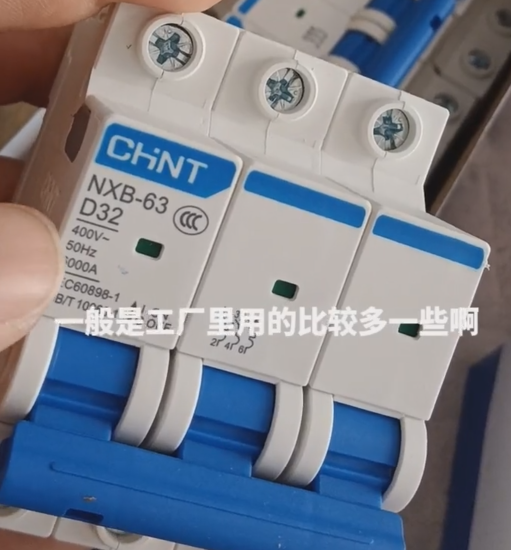
NH42-63-318x560.png "Commutatori automatici di tipo PC CHINT (ATS)NH42-63/4SZ")