コンタクタ,サーキットブレーカー,センサー,エンコーダ,PLC,コンバータ


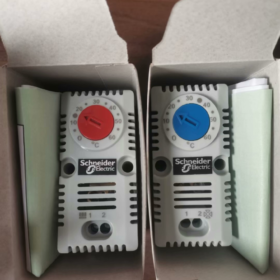
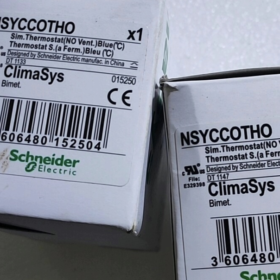
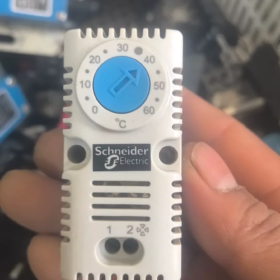
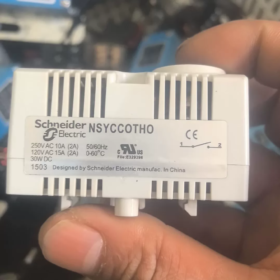
基本情報
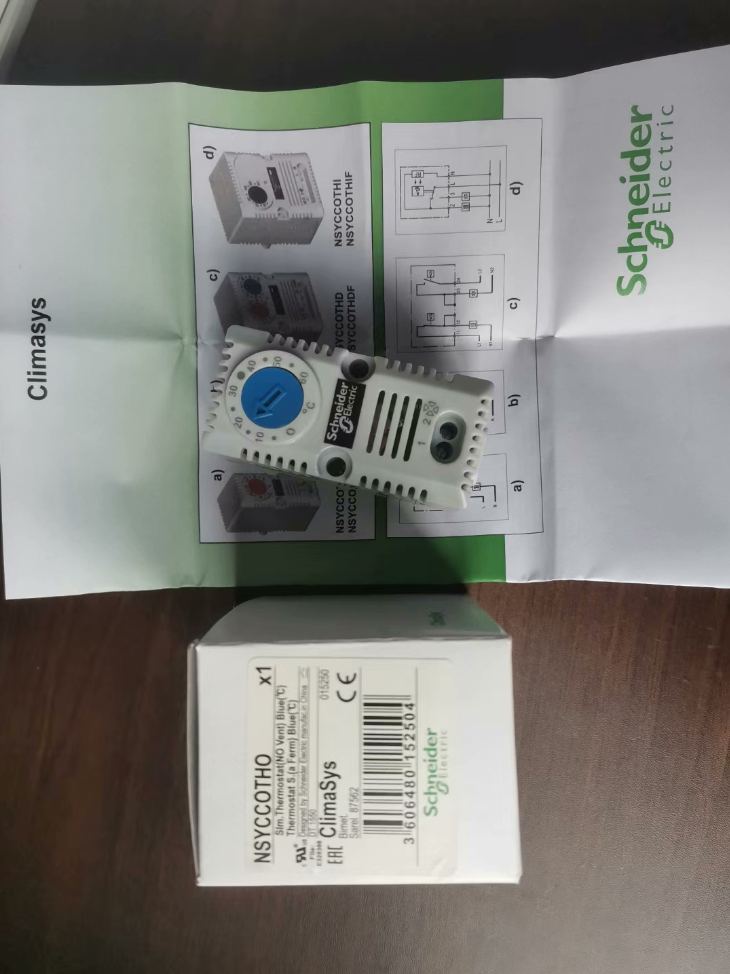
フルネーム: ClimaSys CC メカニカル エンクロージャのサーモスタット (単回路, ノーマルオープン いいえ)
シリーズ: ClimaSys CC エンクロージャの気候制御コンポーネント
応用: 高温の電気エンクロージャ内の冷却ファンを作動させる; 温度が設定値に達すると接点が閉じて換気ファンが起動します.
モデルコードの内訳
NSY: 空間エンクロージャ気候アクセサリのプレフィックス
CC: ClimaSys CC メカニカルサーモスタットシリーズ
OT: サーモスタット
H: 加熱 / 冷却用サーモスタットスイッチ
○: NO = ノーマルオープン、ノーマルオープン接点 (青いノブ, 冷却制御)
同じシリーズ内の相互参照
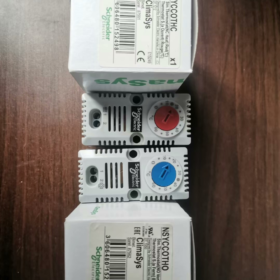
ヌシコソ: 1NO ノーマルオープン → 冷却ファンを制御 (ブルーダイヤル)
NSYCOTHC: 1NC ノーマルクローズ → 制御筐体ヒーター (赤い文字盤, 低温加熱活性化)
NSYCCOTHD: デュアルサーモスタット 1NO+1NC, 加熱と冷却を同時に制御
- コアの電気仕様
| アイテム | パラメータ |
| 温度感知原理 | バイメタルメカニカルタイプ (電子部品なし) |
| 調整可能な温度範囲 | 0 ~ +60 ℃ |
| 接点構成 | 1 ノーマルオープンに設定 (いいえ) |
| スイッチング容量 | 10あ / 250VAC (抵抗負荷) |
| 2あ / 250VAC (誘導負荷) | |
| 機械的寿命 | ≥100,000サイクル |
| 動作周囲温度 | -20 ℃~ +80 ℃ |
| 侵入保護 | IP20 (内部エンクロージャ取り付け専用) |
| ハウジング材質 | 難燃性PC, UL94 V0 |
| 端子電線サイズ | 2.5 mm², 端子 1, 2 |
| 全体の寸法 | 68(H) × 33(W) × 44(D) mm |
| 取付方法 | 35mm DINレール取付 / バックプレートのネジ取り付け |
| 重さ | 約. 40g |
- 動作ロジック
✅ ニシコソ (ノーマルオープン いいえ)
温度>設定値 → 接点クローズ → 冷却ファン起動
温度<設定値 → 接点オープン → ファン停止
一般的な設定: 35エンクロージャファン作動時は°C ~ 40°C.
- 配線説明書
下部端子 1 そして 2: パッシブスイッチ接点, 別途電源は必要ありません. ファン制御回路内で直列に配線します。.
注記: 本機はスイッチング信号としてのみ機能します. 高出力ファンを直接駆動しないでください。. 重負荷の場合は外部コンタクタを推奨します.
- 典型的なアプリケーションシナリオ
PLC制御盤, 可変周波数ドライブキャビネット, UPSエンクロージャ, 屋外電気ボックス
キャビネット内部の自動過熱冷却制御
変電所, 自動化された生産ライン, HVAC 電気キャビネット
- 避けるべき選択の落とし穴
- OTHOを混同しないでください / OTHC
オト (ブルーダイヤル): NO接点→冷却ファン制御
OTHC (赤い文字盤): NC接点→結露防止ヒーター制御
- 機械式サーモスタットには固有のヒステリシスが備わっています (4~6℃) 電子サーモスタットよりも精度が低くなります. 高精度要件には電子 NSYCCOTHxx シリーズを選択してください.
- 屋内エンクロージャの設置にのみ適しています. 屋外での直接暴露は禁止されています (IP20等級).
- 負荷電流が10Aを超える場合, 補助リレーまたはコンタクタを追加する必要があります.
- 代替アップグレード
加熱冷却同時制御用: NSYCCOTHD に直接アップグレードする (デュアルダイヤル, 1いいえ + 1ノースカロライナ州).
シュナイダー NSYCCOTHO メカニカルサーモスタットの動作原理
- コアセンシングエレメント: バイメタルストリップ
基本原則
熱膨張係数が大きく異なる 2 つの薄い金属ストリップを一緒に圧力溶接して、バイメタル複合ストリップを形成します。.
メタルA: 高い熱膨張係数; メタルB: 低い熱膨張係数
周囲温度の上昇 → 不均一な熱伸びにより、バイメタル ストリップが金属に向かって曲がり、膨張が低下します;
周囲温度の低下 → 逆変形が発生.
NSYCCOTHO は、バイメタル ストリップの変形を利用して機械接点を直接作動させます。. 電源がありません, 回路基板またはセンサーチップが必要です, パッシブメカニカルスイッチとして分類される.
- 内部構造コンポーネント
- 温度感知バイメタルストリップ (キャビネットの気温を直接測定)
- 調整ネジ + 校正済みノブ (閾値設定用の外部青いダイヤル)
- 可動接点と固定接点 (接点なし, 端子 1, 2)
- 機械式スプリングアセンブリ (接触圧力を提供して信頼性の高い接続を確保します)
- 完全な作動シーケンス (NSYCCOTHO ノーマルオープンバージョンに焦点を当てる)
モデルの特徴: 連絡なし, 冷却ファン制御用に設計
- 庫内温度<設定温度
バイメタルストリップの曲げの制限; 機械アセンブリが解放されたまま → 接点が開いた状態
ファン回路の電源が切れた, ファンが非アクティブ.
- キャビネット温度上昇 ≧ 設定温度 (作動点)
バイメタルストリップの継続的な熱曲げにより、スプリングのプリロードに打ち勝つ推力が生成されます。, 接点を押して閉じる
→ 端子 1 そして 2 行為, 冷却ファン回路が通電され、排気換気が開始されます。.
- キャビネットの温度が低下する
バイメタルストリップは温度が低下すると徐々に反発します;
⚠️ 重要な機能: 固有のヒステリシス (4 ~6℃)
例: ファン始動時の設定値 = 40°C
≥40°C → 接点が閉じる, ファンがONになる
39℃でもファンが止まらない; 接点は通常 34 ~ 36°C で開きます
ヒステリシスの目的: 急速なサイクリングを防止する, わずかな温度変動によって引き起こされる接点のチャタリングとアーク発生. この特性は機械式サーモスタットに固有のものであり、取り除くことはできません。.
- 電気的特性
- パッシブコンタクト
サーモスタットには専用の動作電力は必要ありません; 純粋に温度制御された機械的スイッチとして機能します。. 回路電源は外部から供給されます (230VAC, 24V, 等).
- 接点定格: 10A/AC250V抵抗負荷; 誘導負荷の場合は2A/250VACまで軽減.
- NSYCCOTHCとの原理比較 (ノーマルクローズヒーターサーモスタット)
ヌシコソ (ブルーダイヤル, いいえ): 高温時閉→ファン冷却制御
温度↑→回路導通; 温度↓ → 回路が開く
NSYCOTHC (レッドダイヤル, ノースカロライナ州): 低温伝導 → 結露防止キャビネットヒーター制御
温度 ↓ → 回路導通; 温度↑ → 回路が開く
どちらも同一のバイメタル感知要素を共有します; 内部接点アセンブリの向きのみが異なります.
- 利点 & 制限事項 (動作原理から導き出す)
✅ 利点
受け身, 補助電源なし; 過酷なキャビネット環境でも安定したパフォーマンス
シンプルな構造, 耐振動性, 広い動作温度範囲
配線が簡単なDINレール取付
❌ 制限事項 (バイメタル技術により決定)
固定ヒステリシスによる中程度の精度; 正確な一定温度制御は達成できない
繰り返しのサイクリング後の機械的疲労; 電子サーモスタットよりも寿命が短い
リモート信号フィードバックなし、通信機能なし
- 応用回路原理図
AC電源→端子 1 → サーモスタット内部NO接点 → 端子 2 → キャビネット冷却ファン → 中性線
温度閾値に達すると接点が閉じて回路が完了し、ファンが駆動されます。.
高負荷電流用: サーモスタット接点を使用して補助リレー コイルに通電します; リレーのメイン接点がファンを駆動し、サーモスタット接点をアーク浸食から保護します。.
Schneider NSYCCOTHO の温度調整操作ガイド
- 視覚的な識別
青色の調整ノブを装備, 温度目盛範囲: 0℃~60℃
端子: 1, 2 (冷却ファン制御用のNO接点)
取り付け: 制御盤内へのDINレール設置
重要な前提条件: この機械式バイメタルサーモスタットは 4 ~ 6°C の固定固有ヒステリシスを備えています。, 排除できないもの.
例: ファン始動時の設定値 40°C; ファンは約 34 ~ 36°C の間で停止します。.
- 標準的な調整手順
- 安全上のご注意
可能な場合は調整前に電源を切ってください. ライブコミッショニングが必要な場合, 短絡を防ぐために通電中の端子に触れないようにしてください.
- フロント調整ノブの位置を確認します
ノブ中央にはマイナスドライバーの差し込み口が付いています; 温度マークは外側のダイヤルの周囲に印刷されています.
- 推奨ツール
小型マイナスドライバー. ノブを鋭利なもので無理にこじらないでください.
- 調整ルール
右回転 → 設定温度が高くなります
反時計回り → 設定温度を下げる
- 校正基準
ノブ上の白いインジケーターの線が外側の目盛りと一致し、目標の活性化温度を定義します。.
実践的な参考資料 (一般的な電気キャビネットの設定)
標準VFD / PLCキャビネット: 35℃~40℃にインジケータラインを合わせます
意味: キャビネット温度 ≥ 設定値 → 接点が閉じる, 冷却のためにファンが作動します.
- 2 つの試運転方法
方法 1: 静的プリセット (電源オフ)
ノブを直接目標温度まで回転させます; サーモスタットは電源投入後、しきい値ごとに動作します.
方法 2: ライブオンサイトの精密コミッショニング
- キャビネット内に温度計を設置して内部の空気温度を測定します;
- ノブをゆっくり回してファンのオン/オフ状態を観察します。;
- ファンの開始温度を記録する (作動点 = ダイヤルスケール値);
- 温度が低下するのを待ち、ファン停止温度を記録します (ヒステリシスを確認するには).
⚠️ キーノート: ダイヤルに印刷されている値 = 接点が閉じたときのファン作動温度, ファン停止温度ではありません!
- 一般的なシナリオの推奨設定値
| アプリケーションシナリオ | 推奨設定温度 | 説明 |
| 一般低圧電気盤 | 35℃~40℃ | 風通しの良い環境 |
| VFDキャビネット / 高熱を発生する筐体 | 30℃~35℃ | 早期冷却による高い放熱性 |
| 屋外用キャビネット / 夏の高い周囲温度 | 38℃~42℃ | ファンの連続運転を避ける |
- 重要なメモ & よくある間違い
- ❌ ノブは無理な力を加えて回さないでください。
雌ねじアクチュエータは強い力がかかると剥がれる可能性があります, 恒久的なサーモスタットの故障の原因となる.
- ❌ 発熱部品の近くに取り付けないでください。
サーモスタットはキャビネットの周囲温度を測定します. インバータの近くに取り付ける, 抵抗や熱源により温度測定値が歪む.
- ✅ 最適な取り付け位置: 循環気流内のキャビネット中央, ヒーターや吹き出し口から遠ざける.
- ファンが頻繁に回転する場合: 設定温度を適切に上げてください. 周囲温度がしきい値近くになると、頻繁なサイクリングが発生します. 唯一の永続的な解決策は電子サーモスタットにアップグレードすることです, 機械式モデルではヒステリシスを低減できないため.
- 調整後のロック機構が不要. 高振動現場向け, 少量のスレッドロッカーを塗布します (回転軸の隙間への滴下を避ける).
- 故障診断 (調整しても反応がない)
- 最小スケールまで完全に回転させます (0℃): 連絡先を閉じる必要があります, ファンが連続的に作動する;
- 最大スケールまで完全に回転させます (60℃): 接点は周囲温度で開く必要があります, ファンが停止します;
- 上記のテストが失敗した場合: 内部バイメタル機構の損傷; サーモスタットの交換が必要です.
NH42-63-318x560.png "CHINT PC型自動切替スイッチ (ATS)NH42-63/4SZ")