접촉기,회로 차단기,감지기,인코더,PLC,변환기

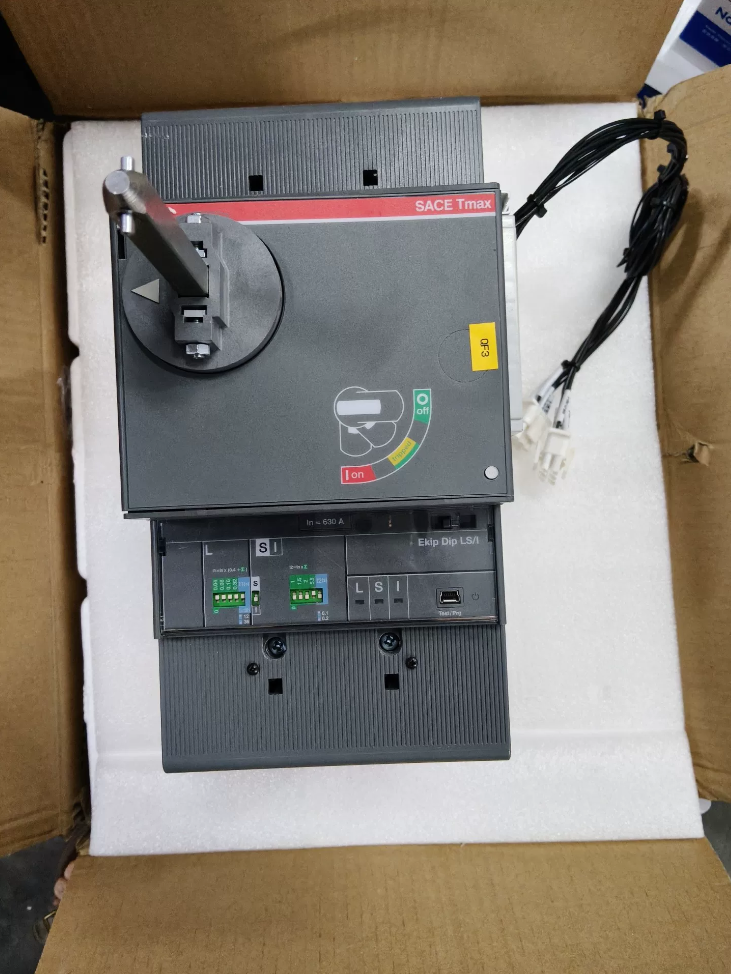

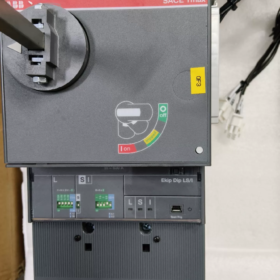
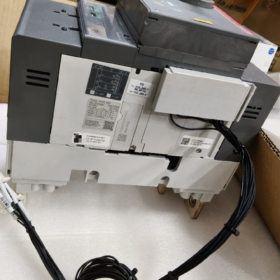
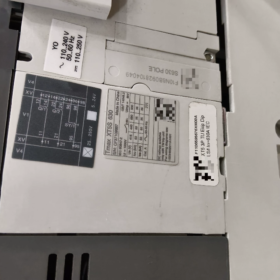
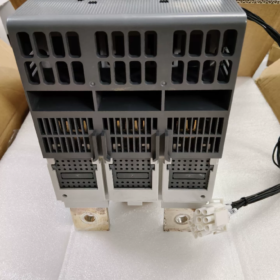
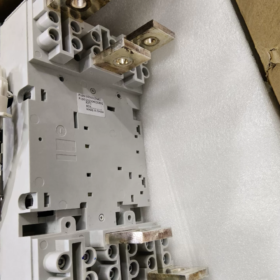
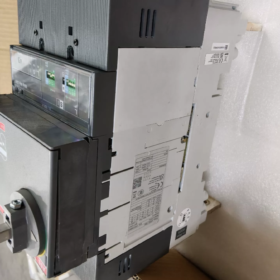
그만큼 씨줄 XT5S 630 S-차단 용량이다 MCCB ABB Tmax XT 저전압 몰드 케이스 회로 차단기 시리즈의 프레임 크기 630A. 주로 AC 저전압 배전 시스템의 과부하 및 단락 보호에 사용됩니다.. 컴팩트한 설치 공간과 높은 단락 차단 용량 제공, 열자기식 및 전자식을 포함한 다중 트립 장치 구성을 지원합니다.. 산업용 전력 분배에 널리 적용됨, 건물 전원 공급 장치, 데이터 센터 및 기타 시나리오, IEC를 준수합니다 60947-2 및 GB/T 14048.2 표준.
- 모델 코딩의 전체 분석
기본 모델 정의
XT5 S 630
- XT5: Tmax XT 시리즈의 프레임 코드, 프레임 정격 전류 범위는 400A~630A입니다.
- 에스: 단락 차단 용량 등급; 최대 단락 차단 용량 Icu = 415V AC에서 50kA
- 630: 630A의 프레임 정격 전류; 트립 유닛 정격 전류 In은 프레임 전류 범위 내에서 선택 가능
전체 접미사 모델 설명
주류 모델 'XT5S'를 가져 가라. 630 Ekip Dip LS/I In=630 3p F F` 예시:
팀 딥: 디스플레이 패널이 없는 경제적인 전자 트립 장치, DIP 스위치를 통해 조정됨
LS/나: 결합된 보호 기능: 엘 (장시간 과부하 보호) + 에스 (단시간 단락 보호) + 나 (순간 단락 보호) (3-무대 보호)
입력=630: 트립 장치 정격 작동 전류 630A
3피: 3-폴; 4-폴 (4피) 선택 사항입니다
에프에프: 설치 & 배선 유형; 첫 번째 F는 고정 장착을 나타냅니다., 전면 배선을 위한 두 번째 F
- 핵심 기술 매개변수
- 전기적 성능 매개변수
| 매개변수 항목 | 사양 값 | 비고 |
| 프레임 정격 전류 Iu | 630에이 | 최대 프레임 등급 |
| 트립 유닛 정격 전류 입력 | 315에이 / 400에이 / 500에이 / 630에이 | 여러 평가 가능, 해당 트립 유닛 모델과 일치 |
| 정격 작동 전압 Ue | 교류 220V~690V, 50/60헤르츠 | 전체 전압 범위에 적용 가능 |
| 최고의 단락 차단 용량 Icu | 415뷔와: 50그만큼 | 클래스 S의 표준 값 |
| 690뷔와: 25그만큼 | ||
| 250DC에서: 35그만큼 (2 직렬로 연결된 극) | ||
| 서비스 단락 차단 용량 IC | 415뷔와: 50그만큼 | IC = 100% 중환자실, 오류 중단 후 재사용 가능 |
| 보호 기능 | 장시간 과부하, 단시간 단락, 순간 단락, 지락 (선택 과목) | 트립 유닛 유형에 따라 다름 |
| 기계적 내구성 | 20,000 작동주기 | 정격 조건에서 |
| 작동 주파수 | 240 주기/시간 | 전기적 작동을 위한 정격 주파수 |
- 기계 & 물리적 매개변수
단위중량: 대략. 5.6kg (3-극고정형)
장착 유형: 결정된, 플러그인, 인출 가능
배선 유형: 전면배선, 후면 배선, 플러그인 버스바 연결
보호등급: 본체 IP20; 단자 커버를 사용하여 IP40으로 업그레이드 가능
III. XT5 프레임 차단용량 등급 비교
쉬운 용량 업그레이드 또는 다운그레이드를 위해 동일한 프레임 크기에서 차단 용량 등급 간의 매개변수 차이:
| 속보 수업 | 암호 | 415V AC의 ICU | 일반적인 애플리케이션 시나리오 |
| 기초적인 | N | 36그만큼 | 토목 건물, 터미널 분배 회로 |
| 기준 | 에스 | 50그만큼 | 산업 플랜트, 주요 수신 캐비닛, 일반 전원 회로 |
| 높은 속보 | 시간 | 70그만큼 | 대용량 변압기의 저압측, 단락 전류가 높은 시스템 |
- 주류 트립 유닛 구성 선택
XT5S 630 두 가지 유형의 트립 유닛을 지원합니다.: 열 자기 및 전자, 다양한 보호 요구 사항을 충족하기 위해:
| 트립 유닛 유형 | 모델 코드 | 보호 기능 | 조정 방법 | 응용 시나리오 |
| 열-자기 트립 장치 | TMA | 2-무대 보호: 엘 오랜 시간 + 나는 순간적으로 | 회전식 손잡이 / 딥스위치 | 일반 전력 분배, 모터 보호, 비용 효율적 |
| 경제적인 전자 트립 장치 | 팀 딥 | 3-스테이지 LS/I 보호 | 딥 스위치 | 업스트림 및 다운스트림 장치 간의 선택적 조정이 필요한 분배 시스템 |
| 고급 지능형 트립 유닛 | 팀 터치 | 4-스테이지 LSIG 보호 + 에너지 계량 | 터치 버튼 + 디스플레이 화면 | 지능형 전력 분배, 결함 기록 및 에너지 모니터링이 필요한 시나리오 |
- 장착 유형 & 배선사양
- 장착 유형
결정된 (FF/FR): 전면/후면 배선, 나사로 직접 고정, 최저 비용, 고정 배전 캐비닛용
플러그인 (PMP): 부스바 플러그인 설치, 빠른 교체 지원, 서랍식 배전반용
인출 가능 (WMP): 랙 메커니즘 장착, 명확한 격리 중단점, 빈번한 유지보수가 필요한 주요 회로용
- 케이블 배선 사양 (구리 케이블 참조)
입력=630A: 추천 2 병렬 단일 코어 240mm² 구리 케이블, 또는 60×6mm 구리 버스바
입력=500A: 추천 1 단일 코어 300mm² 구리 케이블, 또는 50×5mm 구리 버스바
- 브랜드 간 동등 모델 비교
동일한 630A 프레임 크기와 50kA 차단 용량을 갖춘 참조 주류 대체 모델:
| 상표 | 동등한 모델 | 프레임 전류 | 415V AC의 차단 용량 | 호환성 설명 |
| 슈나이더 일렉트릭 | NSX630S | 630에이 | 50그만큼 | 기능적으로 동일함; 캐비닛 수정이 필요한 다양한 장착 단면 치수 |
| 지멘스 | 3VL630S | 630에이 | 50그만큼 | 일관된 보호 성능; 단자 사양이 다름 |
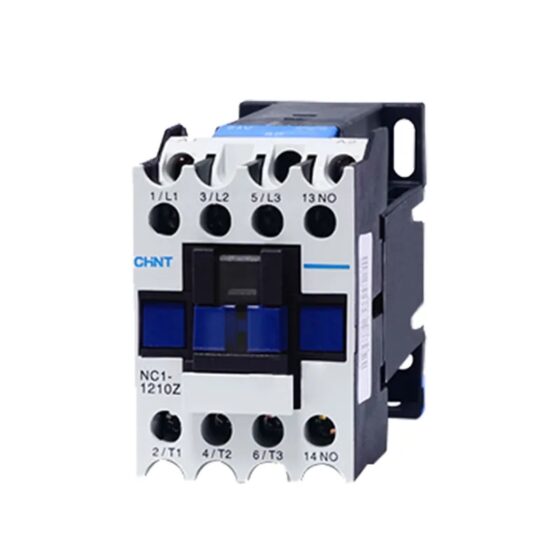
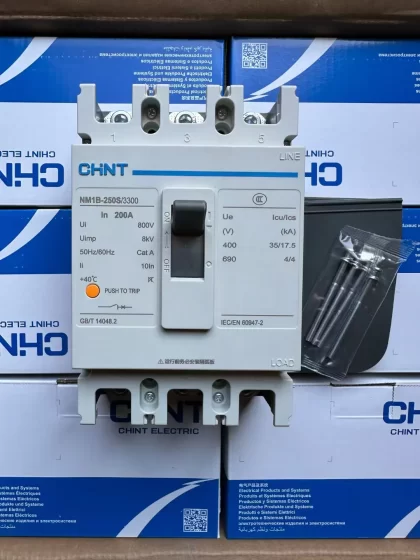
| 친트 | NM1-630S | 630에이 | 50그만큼 | 비용 효율적인 국내 대안; 교체 불가능한 장착 치수 |
Ⅶ. 일반적인 애플리케이션 시나리오
- 저전압 배전 시스템용 기본 수신 스위치 및 버스 타이 커플러
- 대용량 전력 부하에 대한 주회로 보호 (물 펌프, 팬, 압축기)
- 산업 생산 라인의 배전 보호, 데이터 센터 및 상업 단지
- 광전지 및 에너지 저장과 같은 새로운 에너지 시스템을 위한 DC 측면 보호 (옵션으로 전용 DC 트립 유닛 포함)
Ⅷ. 일반적인 오류 처리 매트릭스
| 결함 카테고리 | 일반적인 결함 현상 | 근본 원인 분석 | 단계별 솔루션 |
| 기계적 작동 결함 | 회로 차단기를 닫을 수 없습니다.; ON 방향으로 밀면 릴리즈 직후 리바운드 처리 | 1. 오류 트립 후 불완전한 재설정 (가장 흔한 원인) | 1. 딸깍하는 재설정 소리가 들릴 때까지 핸들을 가장 낮은 OFF 위치까지 완전히 당깁니다., 그럼 차단기를 내려줘 |
| (가장 빈번한 현장 방문) | 2. 저전압 트립 코일에 전원이 공급되지 않음 / 전압이 부족하여 메커니즘이 잠김 | 2. 저전압 코일의 공급 전압을 측정하여 정격 값을 준수하는지 확인하십시오. | |
| 3. 잠긴 외부 전기 또는 기계적 인터록 | 3. 캐비닛 도어 인터록, 화재 인터록 등 외부 신호 검사, 그런 다음 잠금을 해제 | ||
| 4. 단락 차단 후 접촉 용접 및 메커니즘 방해 | 4. 접촉용접이 확인된 경우, 강제로 닫지 마세요; 차단기 전체를 직접 교체하세요 | ||
| 무거운, 기어 전환이 원활하지 않아 핸들 작동이 멈춤 | 1. 먼지와 기름으로 인해 메커니즘이 막혔습니다., 회전 샤프트의 윤활 부족 | 1. 기구 내부의 먼지를 청소하고 회전축에 소량의 절연 그리스를 도포합니다. | |
| 2. 케이싱을 압박하고 메커니즘을 오프셋하는 캐비닛 변형 | 2. 케이싱 응력을 제거하기 위해 장착 나사를 조정하십시오. | ||
| 3. 외부 핸들 연장이나 보호 커버로 인한 간섭 | 3. 테스트를 위해 외부 커버를 제거하고 간섭 위치를 수정합니다. | ||
| 비정상적이고 의도하지 않은 트립 | 명백한 단락 결함이 없는 경부하 또는 무부하 시 원인 없는 트립 | 1. 실제 동작 전류보다 낮은 장시간 보호 설정 | 1. 실제 부하 전류 확인 및 장시간 전류 기어 재설정 |
| (최고 사용자 불만률) | 2. 주변 온도가 40°C를 초과하면 열동 자기식 트립 장치의 열 드리프트 및 조기 트립이 발생합니다. | 2. 고온 환경에 대한 경감 계수가 있는 모델을 선택하거나 더 높은 정격 전류 프레임으로 업그레이드하세요. | |
| 3. 추가적인 도체 가열 및 보호 트리거를 유발하는 심각한 시스템 고조파 전류 | 3. 리액터 또는 유효 전력 필터를 설치하여 시스템 고조파를 완화합니다. | ||
| 4. 매개변수 드리프트가 있는 노후화된 트립 장치 구성 요소 | 4. 열자기식에서 심각한 열 드리프트가 발생하면 트립 장치를 교체하십시오. | ||
| 모터 또는 인버터 시동 시 즉시 트립 | 1. 순간 보호 설정이 너무 낮아 시동 돌입 전류를 견딜 수 없습니다. | 1. 모터 회로의 순간 보호 배율을 8~10In으로 조정합니다. | |
| 2. 시동 과도 현상에 대한 마진이 없는 너무 짧은 단시간 보호 지연 | 2. 단시간 지연 기능을 활성화하고 시동 피크 전류를 우회하도록 0.1~0.4초 지연을 설정합니다. | ||
| 3. 전용 모터 회로에는 모터별 트립 유닛을 권장합니다. | |||
| 지락 보호 기능이 있는 모델에서 빈번한 지락 트립 | 1. 시스템의 총 정상 누설 전류가 보호 설정을 초과합니다. | 1. 실제 시스템 누설 전류를 측정하고 지락 트립 임계값을 적당히 높입니다. | |
| 2. 4극 차단기의 N라인 배선이 잘못되었거나 극성이 반대임 | 2. 제로 시퀀스 CT를 통과하도록 N 라인 배선을 수정하세요. | ||
| 3. 영상 CT가 잘못된 위치에 설치됨 | 3. 매뉴얼 사양에 따라 Zero-Sequence CT를 설치합니다. | ||
| 트립 유닛 오작동 | Ekip Touch 전자 트립 장치의 검은색 화면 및 응답하지 않는 버튼 | 1. 보조 제어 전원 공급 장치가 연결되지 않았거나 손실되었습니다. | 1. 보조 전원 배선 및 전압 정격을 확인하십시오. (AC220V / DC24V, 등.) |
| 2. 트립 장치 모듈과 본체 사이의 느슨한 플러그 연결 | 2. Replug trip unit module after power cut-off to ensure full pin contact | ||
| 3. Damaged electronic components inside trip unit | 3. Replace trip unit of identical model if module is damaged | ||
| DIP switch-type Ekip Dip trip unit fails to apply adjusted parameters | 1. DIP switches not fully locked at critical positions | 1. Toggle DIP switches after power cut-off and confirm each gear is fully engaged | |
| 2. Poor contact of trip unit current transformers | 2. Reinstall trip unit to ensure tight fit between CT and main body | ||
| No fault indication or stored records after fault tripping | 1. Loss of auxiliary power to trip unit causing fault data loss | 1. Constant auxiliary power supply is recommended for trip units on critical circuits | |
| 2. Stuck mechanical fault indicator not popping out | 2. Manually reset indicator mechanism and inspect linkage parts | ||
| 종범 & 보조 회로 결함 | 션트 트립 및 저전압 트립 코일이 작동하지 않음 | 1. 코일 정격 전압과 공급 전압의 불일치 | 1. 코일 전압 라벨을 확인하고 일치하는 사양으로 교체하십시오. |
| 2. 탄 코일로 인한 느슨한 배선 또는 개방 회로 | 2. 멀티미터로 코일 연속성 측정; 코일이 타면 교체하세요 | ||
| 3. 메커니즘을 트리거할 수 없는 코일 푸시 로드의 스트로크가 부족함 | 3. 적절한 푸시 로드 스트로크를 보장하기 위해 코일 장착 위치를 조정하십시오. | ||
| 잘못된 신호 및 보조 접점의 접촉 불량 | 1. 보조접점 은접점 마모 및 산화 | 1. 보조 접점 모듈 교체 | |
| 2. 불완전한 접점 전환을 일으키는 오프셋 연결 레버 | 2. 닫고 여는 동안 안정적인 접점 전환을 보장하기 위해 연결 메커니즘 위치를 조정합니다. | ||
| 과열 & 배선 결함 | 입/발신 터미널 과열, 독특한 냄새가 나는 뜨거운 케이스 | 1. 단자 나사가 지정된 토크로 조여지지 않아 과도한 접촉 저항이 발생함 | 1. 제조업체가 지정한 토크로 단자를 다시 조입니다. (대략. 25630A 터미널의 경우 ~30N·m) |
| 2. 케이블 단면적이 부족하여 장기간 과부하 발열 발생 | 2. 더 큰 단면적 케이블로 교체하거나 더 많은 병렬 케이블을 추가하십시오. | ||
| 3. 병렬 케이블 사이의 케이블 길이가 고르지 않아 전류 분배가 불균형함 | 3. 병렬 케이블의 길이가 동일한지 확인하십시오., 사양 및 단자 | ||
| 4. 전기화학적 부식을 유발하는 직접적인 구리-알루미늄 연결 | 4. 구리-알루미늄 전환 러그 설치; 직접적인 구리-알루미늄 연결은 금지됩니다 | ||
| 차단기 케이싱 전체 과열 | 1. 정격 전류를 초과하는 장기간 작동 | 1. 부하 전류를 제한하거나 더 큰 프레임 크기로 업그레이드하세요. | |
| 2. 열악한 캐비닛 환기 및 과도한 주변 온도 | 2. 환기를 개선하기 위해 캐비닛 냉각 팬 추가 | ||
| 3. 주 접점이 마모되어 접촉 저항이 증가함 | 3. 접촉 저항이 기준치를 초과하는 경우 차단기 전체를 교체하십시오. | ||
| 포스트 단락 중단 오류 | 단락 사고 차단 후 차단기를 닫을 수 없음; 메커니즘이 잠겼습니다. | 1. 시스템 단락 전류가 차단기 정격 차단 용량을 초과합니다., 접촉 용접을 일으키는 | 1. 시스템 단락 전류를 확인하고 더 높은 차단 등급으로 교체하십시오. (예를 들어. 클래스 H) 모델 |
| 2. 충격으로 인해 메커니즘이 변형되고 트립 샤프트가 고착됨 | 2. 메커니즘이 손상된 경우 차단기 전체를 교체하십시오.; 분해 및 수리가 금지되어 있습니다. | ||
| 오류 중단 후 절연 및 캐비닛 누출 감소 | 1. 아크 챔버의 아크 제거로 인해 절연 부품에 탄화물 침전물이 생성됩니다. | 1. 분리 가능한 아크 챔버 제거, 카본파우더를 깨끗이 세척하고 완전히 건조시킨 후 다시 설치하세요 | |
| 2. 아크 연소로 인해 내부 절연 파티션이 손상됨 | 2. 절연 부품이 손상된 경우 차단기 전체를 교체하십시오. |
일반적인 결함 & ABB XT5S용 솔루션 630
ABB XT5S의 현장 결함 630 MCCB는 주로 네 가지 범주로 분류됩니다.: 기계적 작동 결함, 비정상적인 트립, 액세서리 고장 및 과도한 온도 상승. 대부분의 문제는 부적절한 설치로 인해 발생합니다. & 환경, 부적절한 작동 환경 또는 정기적인 유지 관리 부족, 장치의 고유한 공장 결함은 드물지만. 다음은 자주 발생하는 오류와 해당 해결 방법에 대한 전체 요약입니다.:
일반적인 오류 처리 매트릭스
| 결함 카테고리 | 일반적인 결함 현상 | 근본 원인 분석 | 단계별 솔루션 |
| 기계적 작동 결함 | 회로 차단기를 닫을 수 없습니다.; ON 방향으로 밀면 릴리즈 직후 리바운드 처리 | 1. 오류 트립 후 불완전한 재설정 (가장 흔한 원인) | 1. 딸깍하는 재설정 소리가 들릴 때까지 핸들을 가장 낮은 OFF 위치까지 완전히 당깁니다., 그럼 차단기를 내려줘 |
| (가장 빈번한 현장 방문) | 2. 저전압 트립 코일에 전원이 공급되지 않음 / 전압이 부족하여 메커니즘이 잠김 | 2. 저전압 코일의 공급 전압을 측정하여 정격 값을 준수하는지 확인하십시오. | |
| 3. 잠긴 외부 전기 또는 기계적 인터록 | 3. 캐비닛 도어 인터록, 화재 인터록 등 외부 신호 검사, 그런 다음 잠금을 해제 | ||
| 4. 단락 차단 후 접촉 용접 및 메커니즘 방해 | 4. 접촉용접이 확인된 경우, 강제로 닫지 마세요; 차단기 전체를 직접 교체하세요 | ||
| 무거운, 기어 전환이 원활하지 않아 핸들 작동이 멈춤 | 1. 먼지와 기름으로 인해 메커니즘이 막혔습니다., 회전 샤프트의 윤활 부족 | 1. 기구 내부의 먼지를 청소하고 회전축에 소량의 절연 그리스를 도포합니다. | |
| 2. 케이싱을 압박하고 메커니즘을 오프셋하는 캐비닛 변형 | 2. 케이싱 응력을 제거하기 위해 장착 나사를 조정하십시오. | ||
| 3. 외부 핸들 연장이나 보호 커버로 인한 간섭 | 3. 테스트를 위해 외부 커버를 제거하고 간섭 위치를 수정합니다. | ||
| 비정상적이고 의도하지 않은 트립 | 명백한 단락 결함이 없는 경부하 또는 무부하 시 원인 없는 트립 | 1. 실제 동작 전류보다 낮은 장시간 보호 설정 | 1. 실제 부하 전류 확인 및 장시간 전류 기어 재설정 |
| (최고 사용자 불만률) | 2. 주변 온도가 40°C를 초과하면 열동 자기식 트립 장치의 열 드리프트 및 조기 트립이 발생합니다. | 2. 고온 환경에 대한 경감 계수가 있는 모델을 선택하거나 더 높은 정격 전류 프레임으로 업그레이드하세요. | |
| 3. 추가적인 도체 가열 및 보호 트리거를 유발하는 심각한 시스템 고조파 전류 | 3. 리액터 또는 유효 전력 필터를 설치하여 시스템 고조파를 완화합니다. | ||
| 4. 매개변수 드리프트가 있는 노후화된 트립 장치 구성 요소 | 4. 열자기식에서 심각한 열 드리프트가 발생하면 트립 장치를 교체하십시오. | ||
| 모터 또는 인버터 시동 시 즉시 트립 | 1. 순간 보호 설정이 너무 낮아 시동 돌입 전류를 견딜 수 없습니다. | 1. 모터 회로의 순간 보호 배율을 8~10脳In으로 조정합니다. | |
| 2. 시동 과도 현상에 대한 마진이 없는 너무 짧은 단시간 보호 지연 | 2. 단시간 지연 기능을 활성화하고 시동 피크 전류를 우회하도록 0.1~0.4초 지연을 설정합니다. | ||
| 3. 전용 모터 회로에는 모터별 트립 유닛을 권장합니다. | |||
| 지락 보호 기능이 있는 모델에서 빈번한 지락 트립 | 1. 시스템의 총 정상 누설 전류가 보호 설정을 초과합니다. | 1. 실제 시스템 누설 전류를 측정하고 지락 트립 임계값을 적당히 높입니다. | |
| 2. 4극 차단기의 N라인 배선이 잘못되었거나 극성이 반대임 | 2. 제로 시퀀스 CT를 통과하도록 N 라인 배선을 수정하세요. | ||
| 3. 영상 CT가 잘못된 위치에 설치됨 | 3. 매뉴얼 사양에 따라 Zero-Sequence CT를 설치합니다. | ||
| 트립 유닛 오작동 | Ekip Touch 전자 트립 장치의 검은색 화면 및 응답하지 않는 버튼 | 1. 보조 제어 전원 공급 장치가 연결되지 않았거나 손실되었습니다. | 1. 보조 전원 배선 및 전압 정격을 확인하십시오. (AC220V / DC24V, 등.) |
| 2. 트립 장치 모듈과 본체 사이의 느슨한 플러그 연결 | 2. Replug trip unit module after power cut-off to ensure full pin contact | ||
| 3. Damaged electronic components inside trip unit | 3. Replace trip unit of identical model if module is damaged | ||
| DIP switch-type Ekip Dip trip unit fails to apply adjusted parameters | 1. DIP switches not fully locked at critical positions | 1. Toggle DIP switches after power cut-off and confirm each gear is fully engaged | |
| 2. Poor contact of trip unit current transformers | 2. Reinstall trip unit to ensure tight fit between CT and main body | ||
| No fault indication or stored records after fault tripping | 1. Loss of auxiliary power to trip unit causing fault data loss | 1. Constant auxiliary power supply is recommended for trip units on critical circuits | |
| 2. Stuck mechanical fault indicator not popping out | 2. Manually reset indicator mechanism and inspect linkage parts | ||
| 종범 & 보조 회로 결함 | 션트 트립 및 저전압 트립 코일이 작동하지 않음 | 1. 코일 정격 전압과 공급 전압의 불일치 | 1. 코일 전압 라벨을 확인하고 일치하는 사양으로 교체하십시오. |
| 2. 탄 코일로 인한 느슨한 배선 또는 개방 회로 | 2. 멀티미터로 코일 연속성 측정; 코일이 타면 교체하세요 | ||
| 3. 메커니즘을 트리거할 수 없는 코일 푸시 로드의 스트로크가 부족함 | 3. 적절한 푸시 로드 스트로크를 보장하기 위해 코일 장착 위치를 조정하십시오. | ||
| 잘못된 신호 및 보조 접점의 접촉 불량 | 1. 보조접점 은접점 마모 및 산화 | 1. 보조 접점 모듈 교체 | |
| 2. 불완전한 접점 전환을 일으키는 오프셋 연결 레버 | 2. 닫고 여는 동안 안정적인 접점 전환을 보장하기 위해 연결 메커니즘 위치를 조정합니다. | ||
| 과열 & 배선 결함 | 입/발신 터미널 과열, 독특한 냄새가 나는 뜨거운 케이스 | 1. 단자 나사가 지정된 토크로 조여지지 않아 과도한 접촉 저항이 발생함 | 1. 제조업체가 지정한 토크로 단자를 다시 조입니다. (대략. 25630A 터미널의 경우 ~30N·m) |
| 2. 케이블 단면적이 부족하여 장기간 과부하 발열 발생 | 2. 더 큰 단면적 케이블로 교체하거나 더 많은 병렬 케이블을 추가하십시오. | ||
| 3. 병렬 케이블 사이의 케이블 길이가 고르지 않아 전류 분배가 불균형함 | 3. 병렬 케이블의 길이가 동일한지 확인하십시오., 사양 및 단자 | ||
| 4. 전기화학적 부식을 유발하는 직접적인 구리-알루미늄 연결 | 4. 구리-알루미늄 전환 러그 설치; 직접적인 구리-알루미늄 연결은 금지됩니다 | ||
| 차단기 케이싱 전체 과열 | 1. 정격 전류를 초과하는 장기간 작동 | 1. 부하 전류를 제한하거나 더 큰 프레임 크기로 업그레이드하세요. | |
| 2. 열악한 캐비닛 환기 및 과도한 주변 온도 | 2. 환기를 개선하기 위해 캐비닛 냉각 팬 추가 | ||
| 3. 주 접점이 마모되어 접촉 저항이 증가함 | 3. 접촉 저항이 기준치를 초과하는 경우 차단기 전체를 교체하십시오. | ||
| 포스트 단락 중단 오류 | 단락 사고 차단 후 차단기를 닫을 수 없음; 메커니즘이 잠겼습니다. | 1. 시스템 단락 전류가 차단기 정격 차단 용량을 초과합니다., 접촉 용접을 일으키는 | 1. 시스템 단락 전류를 확인하고 더 높은 차단 등급으로 교체하십시오. (예를 들어. 클래스 H) 모델 |
| 2. 충격으로 인해 메커니즘이 변형되고 트립 샤프트가 고착됨 | 2. 메커니즘이 손상된 경우 차단기 전체를 교체하십시오.; 분해 및 수리가 금지되어 있습니다. | ||
| 오류 중단 후 절연 및 캐비닛 누출 감소 | 1. 아크 챔버의 아크 제거로 인해 절연 부품에 탄화물 침전물이 생성됩니다. | 1. 분리 가능한 아크 챔버 제거, 카본파우더를 깨끗이 세척하고 완전히 건조시킨 후 다시 설치하세요 | |
| 2. 아크 연소로 인해 내부 절연 파티션이 손상됨 | 2. 절연 부품이 손상된 경우 차단기 전체를 교체하십시오. |
장애 예방을 위한 핵심 사항 & 정기 유지 관리
- 시운전 전에 배선 단자를 정격 토크로 엄격하게 조이십시오.; 고전류 회로에는 접촉 저항 테스트가 권장됩니다..
- 온도가 높은 환경에서는 감소된 용량을 미리 선택하세요., 습도가 높거나 먼지가 많음; 차단기 표면에 쌓인 먼지를 정기적으로 청소하십시오..
- 오류 기록의 손실을 방지하기 위해 전자 트립 장치 회로에 지속적인 보조 전원 공급 장치가 제안됩니다..
- 원활한 닫힘과 열림을 확인하기 위해 매년 최소 1회 기계적 작동 테스트를 수행하십시오.; 무거운 짐을 싣고 수동으로 여는 것은 금지되어 있습니다.
- 단락이 중단될 때마다 접촉 상태를 검사하십시오.; 전기 서비스 수명 한계에 도달하면 즉시 전체 장치를 교체하십시오..


NH42-63-318x560.png "CHINT PC형 자동절환스위치 (ATS)NH42-63/4SZ")