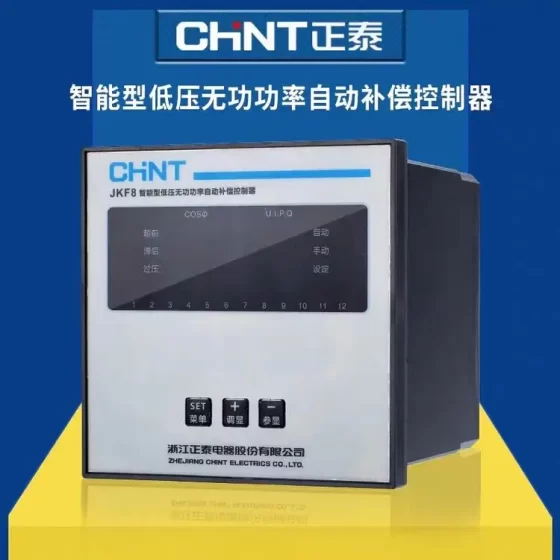
Contactor,circuit breaker,sensor,Encoder,PLC,Converter





Model Full Name: BT23S, Diffuse (Reflective) Bifurcated Glass Fiber, Stainless Steel Armored High-Temperature Fiber
Part Number: 17276
Core Specifications
Sensing Mode: Diffuse / Reflective (Bifurcated, transmit & receive integrated fiber)
Fiber Material: Glass fiber bundle
Overall Fiber Length: 914 mm (36 inch)
Fiber Bundle Diameter: 3.2 mm (0.125″)
Probe Thread: 5/16-24 UNF, brass threaded tip, 2 lock nuts included
Sheath: Stainless Steel single-coil SteelSkin armor, crush-resistant, bend-resistant, cut-proof
Minimum Bend Radius: 25 mm
Max Operating Temperature: 249 °C at the sensing tip (high-temperature fiber series)
Light Emission: Inline coaxial output
Compatibility: Banner fiber amplifiers (D12, D12E, QS18, R55F, SME312, etc.)
Same Series Cross Reference (for replacement selection)
BT23S: Straight threaded tip, diffuse mode
BTA23S: Angled threaded tip, diffuse mode
BAT23S: Right-angle outlet threaded tip, diffuse mode
IT23S: Opposed mode (separate transmit/receive), straight threaded tip
BA23S: Thread-free right-angle probe, diffuse mode
Typical Applications
Furnace openings, heat treatment equipment, oven surroundings, welding stations, glass/ceramic production lines, high-temperature zones of injection molding equipment; detection of workpiece presence, position and edge, where standard plastic fibers cannot endure high temperatures.
Important Notes
- Glass fiber cannot be cut to length, factory pre-finished assembly only.
- The armor can be manually shaped, but never bend below the minimum bend radius to avoid fiber breakage.
- Only the probe end is heat-resistant; the fiber amplifier must be kept away from high-temperature areas.
- The fiber itself contains no amplification circuit; it must be used with a Banner fiber amplifier.
Operating Principle of Diffuse Fiber Optic Sensors
Clarification first: The fiber only serves as a light transmission path and cannot judge signals independently. The photoelectric conversion and signal evaluation are completed by the fiber amplifier. BT23S bifurcated fiber is designed to work with an amplifier.
Basic Structure (Bifurcated Dual Fiber Bundle)
The fiber is internally split into two bundles:
- Transmit Fiber: LED light source inside the amplifier → transmit fiber → probe face, emits infrared light outward.
- Receive Fiber: Collects light reflected back from the workpiece → transmits light back to the photoelectric receiver inside the amplifier.
Working Process
- The light source inside the amplifier sends light down the transmit fiber to the fiber probe.
- When a workpiece enters the sensing zone, light hits the workpiece surface and creates diffuse reflection (scattered in all directions).
- Part of the scattered light is captured by the receive fiber inside the same probe and sent back to the amplifier.
- The amplifier converts optical signals into electrical signals and compares them with the internal threshold:
Sufficient reflected light received → Output ON (object detected)
No object / strong light absorption / excessive distance → Weak return light → Output OFF (no object detected)
Key Feature: Transmit and receive share one single probe; no need to mount transmitter and receiver separately. This is the biggest difference from opposed fiber.
Key Influencing Factors (for commissioning & selection)
- Color & Reflectivity: White/bright surfaces reflect strongly with longer sensing range; black/dark materials absorb light heavily, drastically shortening detection distance.
- Surface Roughness: Rough surfaces produce better diffuse reflection; mirror surfaces cause specular reflection, resulting in unstable detection.
- Sensing Distance: Not a fixed value; highly dependent on amplifier power, fiber specification and workpiece reflectivity.
- Background Interference: If bright metal or reflective plate sits directly behind the probe, background reflection will cause false triggering (solve with small-spot fiber, limited beam lens or restricted-range fiber).
Comparison with other fiber types
- Diffuse bifurcated fiber (BT23S): Single-ended installation; affected by background and color; easy mounting.
- Opposed fiber (IT23S): Separate transmitter & receiver; object blocks the light path to trigger; color-independent, longer range, requires two-side installation.
- Retro-reflective fiber: Single probe + dedicated reflector; light bounces back from the reflector; performance between diffuse and opposed types.
Supplement for BT23S High-Temperature Glass Fiber
The working principle is identical to ordinary plastic diffuse fiber; the only difference is material: glass fiber + stainless steel armor for light transmission with high-temperature resistance; detection logic still relies on amplifier gain and threshold adjustment.
Recommended Amplifiers for BT23S Banner High-Temperature Glass Diffuse Fiber
BT23S adopts T5 terminal glass fiber. Prioritize Banner fiber amplifiers with T5 fiber port; all models run on DC 10–30 V, with complementary NPN/PNP outputs, DIN rail mounting, suitable for furnace, heat treatment and high-temperature injection molding stations.
Priority ranking: DF-G1 (new flagship) D12E (classic heavy-duty) D10 (dual-channel) R55F (economy)
First Choice: DF-G1 Series (New Project Standard)
Model examples: DF-G1-NS-2M, DF-G1-PS-2M
NS = NPN output; PS = PNP output; 2M = 2-meter cable; M12 connector versions are also available
Dual digital display: shows real-time return light value + threshold simultaneously for intuitive commissioning
Built-in auto-teach, multi-level gain, anti-crosstalk (no mutual interference when multiple units are mounted side-by-side), timer, light-on/dark-on selection
Optimized for glass fiber; superior performance for dark low-reflectivity workpieces
Ideal for new installations, continuous signal margin monitoring, frequent product changeovers
Shortcoming: Higher price than D12 series
Classic Reliable Model: D12E / D12 Series (Most Popular for Retrofit)
Model examples: D12EN6FP (NPN), D12EP6FP (PNP)
Designed exclusively for T5 terminal glass/plastic fiber; fully compatible with BT23S
Knob adjustment with 1–8 gain levels; one-touch auto-teach supported
Simple mechanical structure, low failure rate; standard for heat treatment furnace retrofits
Best for oven, welding stations and legacy equipment replacement
Note: D12 (non-E) is basic version; D12E enhanced version with improved signal-to-noise ratio — always select D12E first.
Dual-Channel Model: D10 Series
Models: D10DNFP / D10DPFP
Two independent fiber channels; one amplifier drives two fiber probes (BT23S + second fiber)
Suitable for combined limit + counting signal on one station
Higher cost; not recommended for single-channel detection
Economy Model: R55F Series
R55FV (NPN) / R55FP (PNP)
No digital display; only indicator lamp + potentiometer adjustment
Lowest cost; only for simple presence detection without frequent process changes
Limitation: Difficult to tune dark low-reflectivity parts; no numerical reading for troubleshooting
❌ Not Recommended for BT23S
SME312: Designed mainly for small-spot plastic fiber; insufficient drive power for this 3.2 mm large-core glass fiber — not the first choice.
Third-party brands (Omron, Keyence): Electrically functional, but incompatible fiber terminals. Adapters cause light leakage and signal attenuation. Avoid cross-brand mixing in high-temperature applications.
📌 Quick Selection Guide
- New project, easy commissioning, signal margin monitoring → DF-G1
- Legacy equipment replacement, furnace/heat treatment, high stability & stock availability → D12E
- One amplifier for two fiber probes → D10
- Budget limited, simple presence detection only → R55F
⚠️ Critical Wiring & Installation Tips for BT23S High-Temperature Fiber
- Keep the amplifier away from heat: Probe max 249 °C; amplifier rated max 70 °C only.
- Glass fiber produces weaker return light than plastic fiber — always select high-gain amplifier variants.
- Enable anti-crosstalk function when multiple amplifiers are installed side-by-side.
- Match NPN/PNP output strictly with PLC input type.
Full List: Banner Bifurcated Glass Fiber + Amplifiers + Lens/Housing
All models share T5 terminal, 3.2 mm bundle diameter, 914 mm length, Stainless Steel Skin armor, max 249 °C (BT23S family), compatible with D12E / DF-G1 / D10 / R55F amplifiers.
- Diffuse Bifurcated Glass Fiber (Primary Selection)
| Model | Part Number | Probe Configuration | Description |
| BT23S | 17276 | Straight 5/16-24 UNF threaded tip | Standard straight thread, most widely usedBanner Eng… |
| BTA23S | 17221 | Angled threaded tip (45° bend) | Thread + 45° bend for narrow side mountingBanner Eng… |
| BAT23S | 17222 | Right-angle outlet threaded tip | 90° side light emission with thread; preferred for furnace side installationBanner Eng… |
| BA23S | 17223 | Thread-free right-angle probe | No thread, direct mounting without lock nutsBanner Eng… |
| BR23S | 17224 | Rectangular array probe | Wide-area array beam for large-area detectionBanner Eng… |
Supplementary opposed-mode fiber (for reference): IT23S, ITA23S, IAT23S.
- Compatible Fiber Amplifiers (T5 Port for BT23S Glass Fiber)
(1) DF-G1 (New Dual-Display, DIN Narrow Housing)
DF-G1-NS-2M: NPN, 2m cable
DF-G1-PS-2M: PNP, 2m cable
DF-G1-NS-Q7: NPN, M8 connector
DF-G1-PS-Q7: PNP, M8 connector
DF-G1-KS Series: IO-Link communication version
Features: Dual readout, anti-crosstalk, auto-teach, timer; excellent for dark workpieces.
(2) D12E / D12 Classic Series (Legacy Production Standard)
D12EN6FP: NPN output
D12EP6FP: PNP output
D12DN6FP / D12DP6FP: Basic non-E version (not recommended)
8-level rotary gain, robust and stable; standard pairing for furnace applications.
(3) D10 Dual-Channel Amplifier
D10DNFP: NPN
D10DPFP: PNP
D10DNFPGQ: M8 connector variant
One unit supports two independent fiber inputs.
(4) R55F Low-Cost Amplifier (No Display)
R55FV: NPN
R55FP: PNP
Low price; only potentiometer adjustment without numerical signal feedback.
(5) Q45 Heavy-Duty Square Amplifier (IP67 for Harsh Dust/Oil)
Q45BB6FQ: DC 10–30 V, NPN+PNP dual output
Q45VR2FQ: AC relay output
Q45VR3FQ: DC relay output
Large yellow square housing for dusty, oily, shock-prone environments; dedicated glass fiber port.
(6) DF-G3 Long-Range High-Power Version
DF-G3-NS-Q3 / DF-G3-PS-Q3
High-power infrared LED for weak return light (dark parts, longer sensing distance).
- Matching Lenses & Protection Housings (Fits BT23S 5/16-24 Threaded Tip)
BT23S probe thread: 5/16-24 UNF. These lenses screw directly onto the probe to focus light, shrink beam spot, extend range and protect the fiber tip.
| L9SS | Stainless Steel | High-temperature long-distance focusing lens, direct thread fit |
| L16FSS | Stainless Steel | Focusing lens with reduced spot size for small-part detection |
| L16FAL | Anodized Aluminum | Focusing lens with 0.8 mm ultra-small spot |
| L4C6 | Aluminum Housing | Small-spot lens for edge & label inspection |
| L9-LENS | Aluminum | Standard focusing lens |
| L4C20 | Aluminum | Extended-range lens |
Note: Banner does not sell amplifier housings as separate spare parts — the casing is integrated with the amplifier main body.
For amplifier protection: Use DIN rail enclosures or IP67 plastic instrument boxes (third-party purchase). Fiber tip protection is achieved with the above L-series lenses + stainless steel armor.
- Quick Selection Summary
New project, easy commissioning with signal monitoring → DF-G1
Retrofit for heat-treatment furnaces, high stability & stock availability → D12E
Heavy dust/oil, IP67 rugged housing → Q45BB6FQ
Narrow beam & extended detection range → BT23S + L9SS / L16FSS lens
90° lateral installation → BAT23S


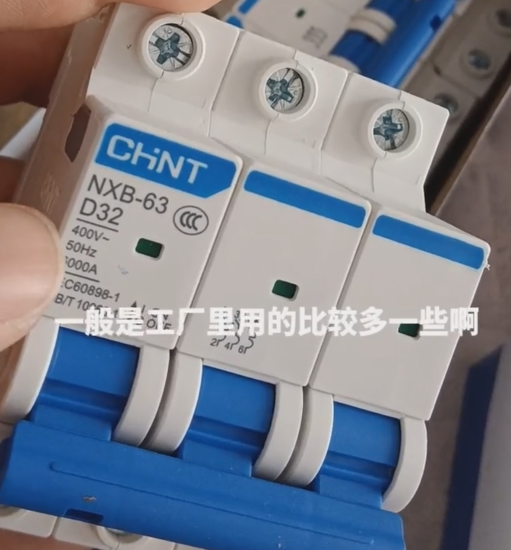
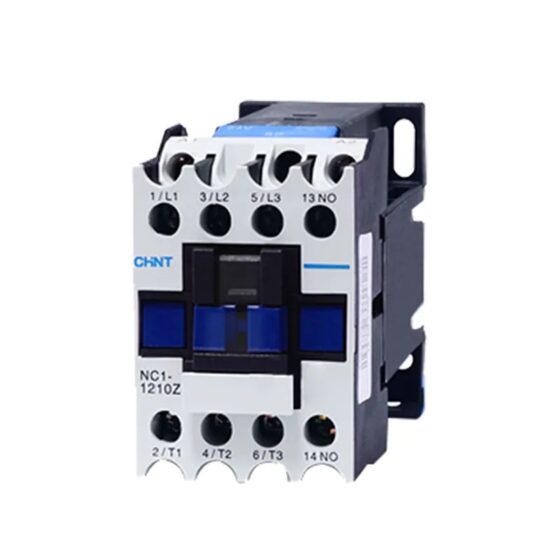
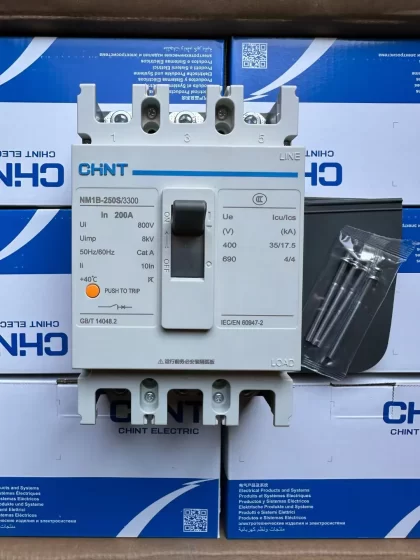
NH42-63-318x560.png "CHINT PC-type automatic transfer switches (ATS)NH42-63/4SZ")