Contator,disjuntor,sensor,Codificador,CLP,Conversor

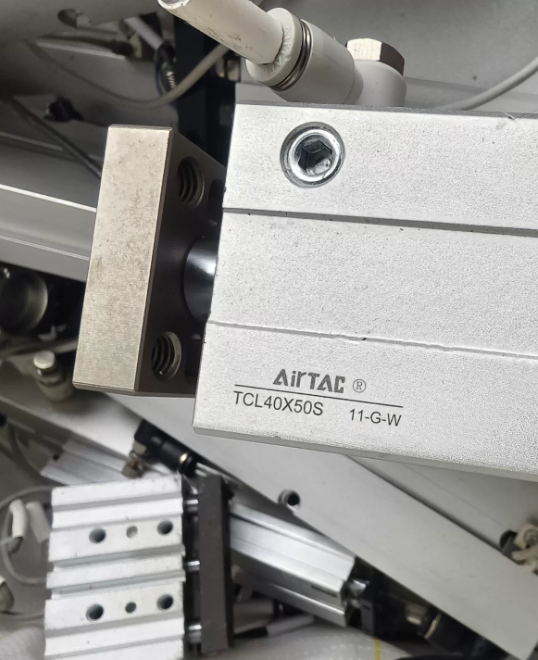

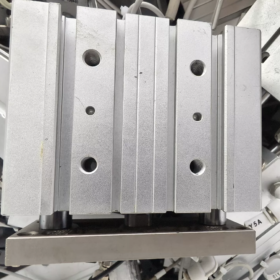
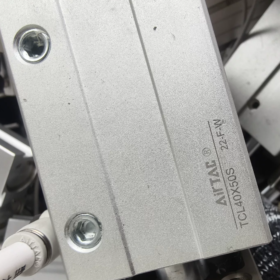
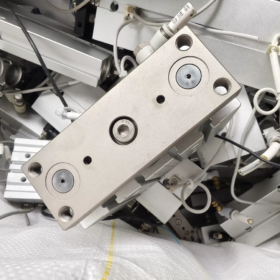
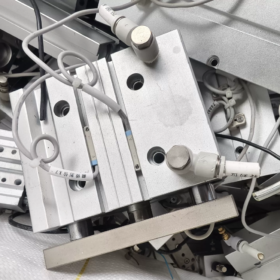
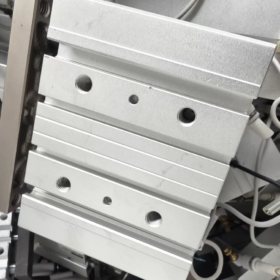
Explicação do modelo TCL40×50S
- TC: Cilindro de três hastes (dupla ação)
- eu: Guia linear de rolamento de esferas; TCM da mesma série adota rolamentos deslizantes de latão
- 40: Diâmetro do furo Φ40 mm
- 50: Curso efetivo padrão 50 milímetros
- S: Anel magnético permanente integrado, compatível com chaves magnéticas CMSG/CMSH para detecção de posição
- Principais recursos do produto
- Estrutura do Guia: 1 haste do pistão mais 2 rolamento de hastes guia de aço com rolamentos lineares de esferas. Baixo atrito, alto paralelismo, forte força lateral & resistência à torção, precisão rotacional ±0,07°, ideal para alimentação de alta precisão, transferência e posicionamento.
- Layout de entrada de ar: Portas de ar duplas na parte superior e lateral do corpo do cilindro; direção da tubulação comutável conforme necessário.
- Métodos de montagem: Furos de montagem pré-rosqueados na parte superior, extremidade inferior e traseira para fixação multidirecional.
- Slots T integrados: Ranhuras em T do sensor padrão em ambos os lados do cilindro para instalação rápida do interruptor magnético sem perfuração.
- Almofadas embutidas: Almofadas anticolisão de borracha nas extremidades dianteira e traseira para reduzir o ruído de impacto.
III. Especificações Técnicas Padrão (Série TCL40)
| Item | Valor |
| Diâmetro do furo | Φ40mm |
| AVC | 50 milímetros |
| Tipo de ação | Dupla ação |
| Pressão de ar operacional | 0.2~0,7 MPa |
| Pressão de prova | 1.2 MPa |
| Velocidade operacional | 50~500mm/s |
| Temperatura operacional | -20℃ ~ +70 ℃ |
| Rosca da porta | PT1/4 |
| Rolamento guia | Rolamento de esferas linear |
| Anel Magnético | Sim (Sufixo S) |
Força de saída teórica (Fornecimento de ar padrão em 0.5 MPa)
Impulso ≈ 628 N (aprox.. 64 kgf). A força de tração é ligeiramente menor que a de impulso. Adequado para movimentação de carga média, estações de prensagem e posicionamento.
- Diferença de seleção de modelo entre TCL e TCM
TCL (Rolamento de esferas linear, Este modelo): Baixo atrito, reciprocidade de alta velocidade, posicionamento de alta precisão. Recomendado para transferência de linha de produção, aderência e alimentação de precisão.
MTC (Bucha deslizante de latão): Resistente a impactos, frenagem com carga pesada, adaptável a ambientes ásperos e empoeirados. Adequado para estampar rolhas e batentes de limite para serviços pesados.
- Cenários típicos de aplicação
Transferência de materiais em linhas de produção automatizadas, fixação de fixação, levantamento de pequenos equipamentos, limitação de módulo, triagem de alimentação, PCB & posicionamento eletrônico da bandeja.
- Referência de modelo estendido opcional
- TCL40×50S: Versão padrão com anel magnético (amplamente utilizado)
- TCL40×50: Sem anel magnético; interruptores magnéticos não podem ser instalados
- TCLJ40×50-20S: Tipo de curso ajustável com frente ajustável & curso da almofada traseira
- TCM40×50S: Cilindro alternativo de três hastes com bucha deslizante de latão de dimensões idênticas
VII. Instalação & Precauções de operação
- Evite grandes cargas laterais unilaterais, pois aceleram o desgaste dos rolamentos de esferas.
- A fonte de ar deve ser equipada com filtros de ≥40 μm para evitar a entrada de poeira nas hastes guia.
- Os interruptores magnéticos deslizam e travam ao longo das ranhuras em T do cilindro para detectar / sinais totalmente retraídos.
- Amortecedores hidráulicos externos são recomendados para condições de trabalho de longo curso e alta velocidade para reduzir ruído e vibração.
Cenários de aplicação completos de AirTAC Cilindros Tri-Haste TC/TCL/TCM
Principais vantagens dos cilindros de três hastes: resistência à torção, grande capacidade de carga lateral, alta precisão de orientação, anti-rotação e alta rigidez. Diferente dos cilindros padrão de haste única, eles adaptam estações com cargas excêntricas laterais, requisitos de alta precisão de posicionamento e proibição de rotação da haste do pistão.
- 3C Eletrônica & Indústria de Semicondutores (Maior Consumo)
- Levantamento de bandeja, Carregamento de PCB & descarregando, posicionamento do macaco transportador
- Fixação de componentes eletrônicos, prensagem de gabarito, estações de retenção de pressão de tela
- Bloqueio de material da linha de produção, parada limitante, separação de materiais & empurrando
- Levantamento de dispensação / módulos de soldagem para evitar deslocamento e rotação das cabeças de distribuição
- Transferência horizontal de pequenos gabaritos, thin sheet material feeding
Sugestão de seleção: Adopt TCL (rolamento de esferas) for high-precision high-speed light-dust environments; select S-version with magnetic ring paired with magnetic switches for position feedback.
- Linhas de produção automatizadas & Equipamento de embalagem
- Caixa / packaging bag blocking, flow splitting, parada limitante
- Packaging box clamping & posicionamento, auxiliary ejection for sealing
- Conveyor lifting support, tool plate jacking transfer
- Lifting material support for coding and inspection stations to fix materials without shaking
- Sorting machine material pushing and splitting, capable of bearing lateral impact loads from materials
Prioritize TCM (brass bushing) for heavy-load dusty packaging lines for wear and impact resistance.
III. Máquinas-ferramentas, Hardware Stamping & Tooling Fixtures
- Material blocking for stamping machines, rack jacking positioning
- Side clamping of CNC tooling, fixação de peças & positioning to resist cutting lateral forces
- Suporte de material de levantamento de gabarito para fixar peças contra rotação durante perfuração e retificação
- Empurrão para descarga de peças metálicas, separação de material de caixa
Selecione cilindros de três hastes TCM com buchas de latão para condições de trabalho de alto impacto com limalha de ferro abundante.
- Logística & Equipamento de transporte de armazém
- Máquinas de transferência de elevação de linha de rolos, desviando mecanismos de elevação
- Pequeno posicionamento de elevação e batentes para paletes de papelão
- Rolos de elevação nas linhas de classificação, blocos de limite de posição de carga
- Ejeção elevatória de pequenas caixas de armazenamento verticais
- Moldagem por injeção & Indústria de moldes de borracha
- Elevação de manipuladores de coleta de materiais para máquinas injetoras, ejeção do canal
- Retenção de pressão da peça plástica, separação de material do corredor & empurrando
- Ejeção auxiliar do molde, transferência de produto acabado
Cilindros de três hastes estendidos com anéis de poeira são opcionais para ambientes oleosos de moldagem por injeção.
- Comida & Equipamento de embalagem farmacêutica
- Garrafa & fixação de posicionamento de caixa de embalagem, separação de materiais & alimentação
- Elevação de porta-garrafas em postos de abastecimento, posicionamento de vedação
- Bloqueio de sacos para embalagens de alimentos e transporte por separação de fluxo
Vantagens: Operação estável sem instabilidade, sem arranhões em embalagens ou garrafas.
VII. Nova Energia (Bateria de lítio & Fotovoltaico)
- Elevação, fixação e posicionamento de bandejas de células de bateria de lítio
- Transferência e alimentação de folhas de portadores de wafer de silício fotovoltaico
- Fixação de ferramentas do módulo de bateria, levantamento em estações de inspeção
Adote uniformemente cilindros de três hastes com rolamento de esferas TCL para oficinas de alta precisão e livres de poeira.
VIII. Estações Gerais para Pequenas Automações Fora do Padrão
- Mecanismo de elevação: Levantamento vertical de pequenas plataformas (substitui módulos de elevação simples)
- Mecanismo de Empurrão: Alimentação horizontal de material & separação sem deflexão sob força unilateral
- Mecanismo de parada: Bloqueio e limitação de chegada de materiais nas linhas de produção
- Mecanismo de fixação: Compressão vertical de peças de trabalho através de vários gabaritos e ferramentas
- Transferência horizontal: Manuseio de materiais em curtas distâncias sem guias deslizantes extras
Cenários inadequados para cilindros Tri-Rod (Evite armadilhas)
- Curso ultralongo (>300 milímetros): A rigidez da haste guia diminui; substitua por cilindros deslizantes ou módulos lineares
- Alternação de alta frequência e velocidade ultra-alta com cargas ultraleves: Cilindros de haste única oferecem melhor desempenho de custo
- Espaços estreitos e compactos, incapazes de acomodar estrutura de 3 hastes: Selecione cilindros finos ou minicilindros
Distinção rápida de cenários de aplicativos para TCL & MTC
| Modelo | Tipo de rolamento | Cenários Aplicáveis |
| TCL | Rolamento de esferas linear | De alta velocidade, alta precisão, poeira leve, estações de precisão para 3C / bateria de lítio / indústrias fotovoltaicas |
| MTC | Rolamento deslizante de latão | Carga pesada, forte impacto, poeira pesada & limalha de ferro, estampagem e bloqueio de embalagens pesadas |
Métodos completos de montagem de cilindros triplos AirTAC TCL/TCM
TCL e TCM são cilindros de três hastes integrados sem necessidade de flange extra ou suportes de pé. O corpo do cilindro vem com 4 estruturas de montagem rígidas integradas combinadas com furos de posicionamento para garantir a precisão da montagem. Placas de flange frontal podem ser usadas para fixação de carga. O conteúdo abaixo está dividido em três seções: métodos de fixação do corpo do cilindro, métodos de conexão de carga e posturas de montagem.
- Quatro métodos de fixação padrão para corpo de cilindro (Furos roscados pré-usinados de fábrica)
- Montagem de rosca interna inferior (Mais comumente usado)
Estrutura: 4 furos de montagem com rosca interna + 2 posicionamento dos furos dos pinos (ΦPA) na parte inferior do cilindro
Consertando: Parafusos aparafusados para cima, por baixo da estrutura, nas roscas inferiores do cilindro
Aplicativo: Levantamento de cilindro vertical (levantamento de materiais, ejeção do portador), rolhas de linha de produção, montagem da estrutura inferior
Vantagens: Fácil montagem & desmontagem; no protruding bolts above the cylinder to avoid load motion interference
- Top Through Hole Countersunk Screw Mounting
Estrutura: 4 countersunk through holes on cylinder top; bolts penetrate the cylinder from top down to lock onto frames
Aplicativo: Vertical downward pressing (jig clamping, screen pressure holding), top beam mounting
Compatibilidade: Full series covering small bore 6/10 up to large bore 100
- Rear End Internal Thread Mounting
Estrutura: 4 internal threaded holes + 2 positioning pin holes on rear end cap; lock onto frames from rear side
Aplicativo: Horizontal lateral pushing, side wall frame mounting, side installation in narrow spaces
Recurso: Entire cylinder extends forward with all loads at front, occupying no rear space
- Bottom T-Slot Slider Mounting (First Choice for Modular Tooling)
Estrutura: Two full-length T-slots on cylinder bottom for infinite sliding positioning with T-bolts
Aplicativo: Modular frames, aluminum extrusion profiles, toolings requiring frequent front-rear cylinder position adjustment
Vantagens: No alignment of fixed holes needed; stepless adjustable cylinder position for flexible commissioning
- Front Load Connection Mounting (Workpiece Fixation at Piston Rod End)
Tri-rod cylinders come with an integrated mounting plate (push plate) at front end with no extra adapter plates required:
- Direct Thread Locking: Pre-reserved through holes on push plate; bolts pass through the plate to lock pressure blocks, jigs and carrier plates
- Positioning Pin Auxiliary Fixation: Built-in pin holes on push plate; install positioning pins on workpieces to prevent load offset and torsion
- Extension for Special Working Conditions: Transition flange plates can be added to expand stress bearing area for long strokes and eccentric loads
> Observação: Built-in dual guide rods provide anti-torsion performance; floating joints are generally unnecessary. Floating joints are only optional for extremely large eccentric loads to offset minor eccentric forces.
III. Three Main Mounting Postures (Matching Working Conditions)
- Vertical Upright Mounting (Bottom Fixed)
Cylinder piston rod upward jacking: Roller line lifting, tray lifting, mold ejection
Cylinder piston rod downward pressing: Product pressure holding, fixação de peças, sealing pressing
- Horizontal Flat Mounting (Traseira / Top Fixed)
Horizontal forward-backward piston rod pushing: Material separating & alimentação, production line stopping, material transfer, PCB feeding
- Lateral Wall Mounting (Rear Thread Fixed)
Cylinder side-mounted on equipment side plates with horizontally telescopic piston rods: Small lateral clamping, side pushing limit mechanisms
- High-Precision Mounting Auxiliary: Positioning Pin Holes
2 furos de posicionamento de precisão são padrão nas superfícies de montagem inferior e traseira. Insira pinos de posicionamento durante a instalação para:
Evite o deslocamento do cilindro causado pela vibração durante a operação
Mantenha alta precisão de posicionamento repetido após desmontagens repetidas & conjunto, adequado para precisão 3C, bateria de lítio e equipamento fotovoltaico
- Especificações gerais de montagem & Operações Proibidas
- As superfícies de montagem devem ser planas; aperte os parafusos diagonalmente em lotes para evitar deformação do cilindro e travamento da haste guia
- Portas aéreas opcionais: Portas de ar duplas na parte superior e lateral do cilindro; direção da tubulação selecionável com base na postura de montagem; vedar portas não utilizadas com tampões
- Instalação de interruptor magnético: 4 Ranhuras de sensor tipo T em ambos os lados do cilindro para fixação de chaves magnéticas CMSG/CMSH em qualquer posição sem ocupar os furos de montagem
- Condições de Trabalho Proibidas:
Fixação do cilindro em ponto único sem pinos de posicionamento, levando ao deslocamento sob vibração de longo prazo
Cargas pesadas laterais unilaterais excessivamente longas (acelera o desgaste dos rolamentos de esferas TCL)
. Instalação distorcida causando desalinhamento entre hastes-guia e cargas com ruído de fricção unilateral
- Seleção Rápida de Modelo & Tabela de comparação de montagem
| Método de montagem | Postura ideal | Aplicações Típicas | Modelo de rolamento recomendado |
| Montagem de rosca inferior | Levantamento vertical | Elevação da linha de produção, Ejeção do compartimento | TCL (Precisão) / MTC (Ambiente de poeira para serviços pesados) |
| Montagem em furo escareado superior | Pressão vertical para baixo | Gabaritos de retenção de pressão, Fixação de vedação | Furo Grande TCL40/50 |
| Montagem de rosca traseira | Empurrão lateral horizontal, Montagem na parede | Rolhas de separação de materiais, Fixação Lateral | TCM para estampagem & Condições de poeira |
| Montagem inferior em slot T | Ângulo Ajustável Arbitrário | Módulos de extrusão de alumínio, Ferramentas de comissionamento | TCL para automação de precisão |


NH42-63-318x560.png "Chaves de transferência automática tipo PC CHINT (ATS)NH42-63/4SZ")