Contactor,întrerupător de circuit,invertor solar,contor electric,baterii solare


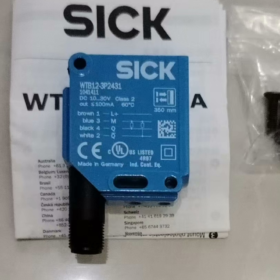
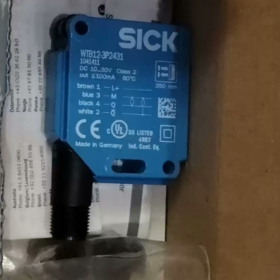
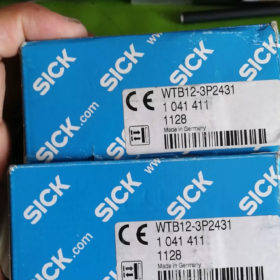
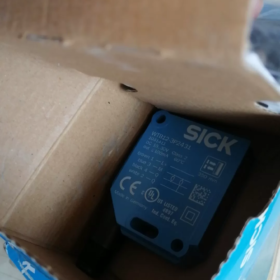
Model & Explicația codului de comandă
Identificarea de bază
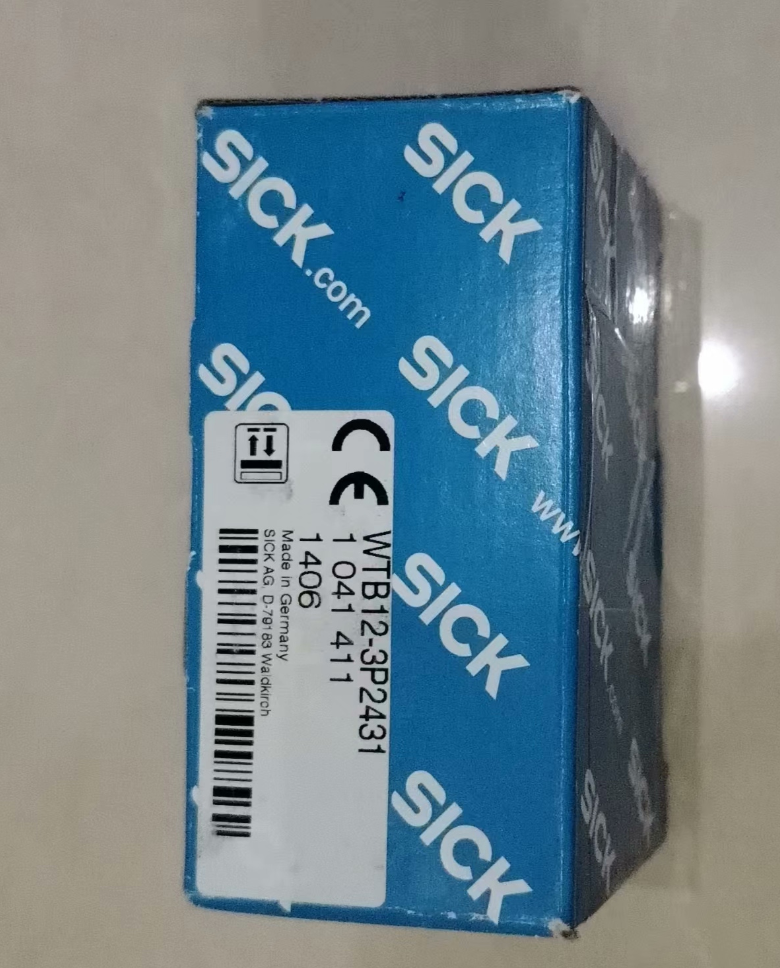
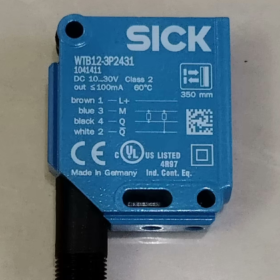
Codul de comandă original: 1041411
Modelul Corespondent: WTB12-3P2431
Seria de produse: W12-3 Senzor fotoelectric industrial Serie
Tip de produs: Senzor fotoelectric difuz cu suprimare de fundal (BGS)
Defalcarea codului de model
| Cod | Descriere |
| WT | Senzor fotoelectric difuz (prefix general pentru seria W) |
| B | Suprimarea fundalului încorporată (BGS), elimină interferențele din fundal din spate |
| 12 | Seria de carcase industriale pătrate standard W12 |
| -3 | 3Platformă modernizată de a treia generație echipată cu cip optic inteligent SIRIC |
| P | Ieșire PNP (ieșirea din surse) |
| 2431 | Codul funcției: 350 raza de detectare mm, Conector M12 cu 4 pini, reglaj potențiometru, aprins/întuneric comutabil |
- Specificații tehnice de bază
| Articol | Caietul de sarcini |
| Principiul Sentimentului | Senzor fotoelectric difuz (Tip de suprimare a fundalului) |
| Sursă de lumină | LED roșu vizibil, lungime de undă: 640 nm |
| Interval de detectare standard | 20 mm ~ 350 mm (bazat pe card alb standard cu 90% reflectivitate) |
| Tensiune de alimentare | DC 10 V ~ 30 V |
| Tip ieșire | Ieșire digitală PNP cu un singur canal, lumina aprinsă / întuneric selectabil |
| Curent maxim de ieșire | 100 mA |
| Timp de răspuns | ≤ 0.33 Domnișoară |
| Frecvența de comutare | Max. 1500 Hz |
| Modul de ajustare | 5-potențiometrul de rotire pentru setarea pragului |
| Tip conexiune | Conector tată M12 cu 4 pini |
| Materialul carcasei | Corp metalic + Lentila optică PMMA |
| Clasa de protectie | IP66 / IP67 / IP69K |
| Temperatura de operare | -40 ℃ ~ +60 ℃ |
| Dimensiuni (L × H × D) | 15.6 mm × 48.5 mm × 42 mm |
| Greutate | Aproximativ. 120 g |
| Certificari | CE, RoHS |
- Mediul de aplicare
Aplicații recomandate
- Producție de automobile: Detectarea prezenței și identificarea tipului cadrelor scaunelor și pieselor ștanțate; rezistent la interferența de la fundalurile de scule metalice.
- Mâncare & Linii de umplere a băuturilor: Detectarea poziției sticlelor și cutiilor de ambalare. Clasamentul IP69K rezistă la spălarea și igienizarea cu apă caldă la presiune înaltă.
- Mașini de ambalare: Poziționarea produsului și detectarea etichetelor, neafectate de decolorarea sau uzura benzilor transportoare.
- Sortare logistică: Detectarea prezenței și a posturii coletelor, fără interferențe din partea fundalului peretelui sau a benzii transportoare.
- 3C Linii de producție electronice: Detectarea poziției de alimentare pentru PCB-uri și componente mici; detectarea fiabilă a pieselor de culoare închisă.
Aplicații nerecomandate
- Detectarea obiectelor complet transparente, cum ar fi sticla transparentă ultra-subțire și filme (nu există un algoritm dedicat pentru detectarea obiectelor transparente).
- Detectare la distanță lungă dincolo 350 mm.
- Medii corozive extreme cu expunere prelungită la gaz sau lichid coroziv.
- Zone cu tensiune înaltă și interferențe electromagnetice puternice (fără ecranare EMC îmbunătățită).
- Lista completă a seriei (W12-3 Seria difuză pentru suprimarea fundalului)
| Cod de comandă | Model | Tip ieșire | Raza de detectare | Conexiune |
| 1041411 | WTB12-3P2431 | PNP | 20~350 mm | Conector M12 cu 4 pini |
| 1041412 | WTB12-3N2431 | NPN | 20~350 mm | Conector M12 cu 4 pini |
| 1041409 | WTB12-3P2411 | PNP | 20~350 mm | 2m cablu fix |
| 1041410 | WTB12-3N2411 | NPN | 20~350 mm | 2m cablu fix |
| 1041404 | WTF12-3P2431 | PNP | 30~175 mm (Suprimarea primului plan) | Conector M12 cu 4 pini |
| 1041408 | WTF12-3N2431 | NPN | 30~175 mm (Suprimarea primului plan) | Conector M12 cu 4 pini |
- Lista de înlocuire între mărci
Înlocuire originală de producător
Modelele cu specificații identice din aceeași serie sunt complet interschimbabile mecanic și electric. De exemplu, WTB12-3P2411 (tip cablu) poate înlocui versiunea conectorului, numai cu metode diferite de cablare.
Mărci internaționale echivalente
| Marca | Model echivalent | Rata de potrivire | Observații |
| Omron | E3Z-LS63 | 95% | PNP, suprimarea fundalului, 300 intervalul mm, conector M12, dimensiune ceva mai mică |
| Pepperl+Fuchs (P+F) | OBT350-R100-2EP-IO-V31 | 92% | 350 intervalul mm, PNP, cu IO-Link, funcții mai bogate |
| Schneider Electric | XUM9APSBM8 | 90% | Același interval, Ieșire PNP, conector M12, orificii de montare compatibile |
Înlocuitori compatibile domestice
Huong E3Z-D63 (PNP): Funcții de detectare de bază compatibile și dimensiuni de montare similare. Costul este de aprox. 1/3 a modelului original, ideal pentru aplicații generale sensibile la costuri.
Xinje PSB350-MNDT: Background suppression type, Ieșire PNP, 350 intervalul mm. Cost-effective domestic industrial solution.
- Defecte comune & Troubleshooting Procedures
- No output and indicator light off
Check if supply voltage is within DC 10~30 V; verify wiring polarity (Brown = Positive, Blue = Negative); inspect M12 pins for oxidation or looseness; check cables for open circuits.
- Failure to detect objects, no trigger signal
Confirm the target is within the effective sensing range; turn the potentiometer clockwise to increase sensitivity; clean dust and oil on the optical lens; check reflectivity of the target (effective range decreases for dark or light-absorbing objects).
- Declanșare falsă, output signal without target
Adjust mounting angle to avoid highly reflective backgrounds; shield intense ambient light (sunlight, high-power lamps); keep sufficient spacing between multiple sensors to prevent optical crosstalk; rotiți potențiometrul în sens invers acelor de ceasornic pentru a reduce sensibilitatea.
- Raza de detectare reală mai scurtă decât valoarea nominală
Ștergeți murdăria de pe lentilă; recalibrați potențiometrul pentru intervalul maxim; rețineți că obiectele întunecate și mate vor reduce distanța efectivă de detectare.
- Cazuri tipice de aplicare
- Detectarea poziției componentelor bazei scaunelor auto
Instalat pe posturile de lucru rotative ale liniilor de asamblare auto pentru a verifica asamblarea corectă a pieselor cadrului scaunului. Suprimarea fundalului elimină interferența de la corpurile rotative metalice, asigurând detectarea stabilă a pieselor ștanțate în negru, finisaje gri si metalice. Rata de detecție falsă pe termen lung este mai mică decât 0.01%.
- Detectare sticle pentru liniile de umplere a băuturilor
Montat la capătul liniilor de băuturi îmbuteliate pentru a detecta sticlele PET pentru marcarea cu jet de cerneală. Protecția IP69K rezistă la curățarea obișnuită cu apă caldă de înaltă presiune. Suprimarea fundalului este imună la uzura culorii și decolorarea pe benzi transportoare, susținând maximul 1500 Frecvența de comutare Hz pentru producție de mare viteză.
- Detectarea bobinei componente pentru linii SMT
Folosit pe stațiile de rack ale liniilor de asamblare electronice pentru a verifica instalarea bobinelor de componente. Detectează cu precizie bobinele mici de plastic și blochează interferențele de la plăcile din spate ale rack-urilor metalice. Dimensiunea compactă se potrivește planurilor de producție dens aranjate.
Note suplimentare
Acest model este un produs standard de producție în masă al SICK, fără notificare de învechire. Stocul obișnuit este disponibil prin distribuitorii standard pentru achiziții și suport tehnic.
Manual de depanare pentru Senzori fotoelectrici difuzi din seria SICK W12-3
Seria SICK W12-3 include trei subtipuri: WT (Standard difuz), WTB (Suprimarea fundalului) și WTF (Suprimarea primului plan). Adoptarea cipului optic inteligent SIRIC de a treia generație, dispune de protectie ridicata IP66/IP67/IP69K. Defecțiunile sale urmează regulile generale pentru senzorii fotoelectrici având în același timp cauze specifice seriei. Mai jos este clasificat depanare care acoperă peste 95% de condiții anormale la fața locului.
- Putere & Defecte de cablare (Niciun răspuns)
Simptom
Indicatorul de alimentare stins, nicio ieșire de semnal, senzorul complet ieșit din funcțiune.
Cauze fundamentale
- Polaritatea cablajului inversată sau definiția pinului M12 nepotrivită
- Tensiune de alimentare în afara intervalului nominal de DC 10~30 V (subtensiune / supratensiune)
- Cablu intern rupt, pini de conector slăbiți sau oxidați care conduc la un contact slab
- Ieșire scurtcircuitată care declanșează protecția încorporată la supracurent și blocarea
Pași de depanare
- Confirmați standardul de cablare: Maro = DC Pozitiv, Albastru = DC Negativ, Negru = Ieșire semnal. Definiție M12 cu 4 pini: Pin 1 = Pozitiv, Pin 3 = Negativ, Pin 4 = Ieșire, Pin 2 = De rezervă.
- Măsurați tensiunea de alimentare cu un multimetru pentru a elimina subtensiunea/supratensiunea cauzată de căderea tensiunii de linie sau defecțiunea sursei de alimentare.
- Verificați conectorii M12 slăbiți sau corodați. Înlocuiți-l cu un cablu de rezervă pentru a exclude circuitele întrerupte intermitente.
- În caz de scurtcircuit la ieșire, deconectați sarcina și reporniți alimentarea. Protecția la supracurent cu auto-recuperare, în general, nu va cauza daune permanente.
- Eșec de detectare (Nicio ieșire cu țintă prezentă)
Simptom
Nicio ieșire de semnal și nicio modificare a indicatorului atunci când ținta trece de zona de detectare.
Cauze fundamentale
- Țintă dincolo de raza efectivă sau cu reflectivitate extrem de scăzută
- Pragul potențiometrului setat prea scăzut
- Praf, ulei sau condens pe lentila optică blocând calea luminii
- Abatere excesivă a unghiului de montare; lumina reflectată nu ajunge la receptor
- Exclusiv pentru WTB (Suprimarea fundalului): Distanța prea mică între țintă și fundal, care este filtrat prin algoritm
Pași de depanare
- Verificați potrivirea intervalului: Intervalul evaluat se bazează pe 90% carton alb de reflectivitate. Distanța efectivă scade cu 30%~50% pentru negru, obiecte mate sau curbate; rezervă o marjă suficientă.
- Curățați ușor lentila cu o cârpă fără scame și alcool anhidru pentru a îndepărta praful, ulei și condens - cea mai frecventă cauză la fața locului.
- Rotiți potențiometrul de sensibilitate în sensul acelor de ceasornic, treptat, până când se obține o declanșare stabilă.
- Reglați unghiul de montare pentru a menține axa optică perpendiculară pe suprafața țintă și pentru a evita abaterea luminii reflectate cauzată de incidența oblică.
- Pentru modelele WTB: Dacă ținta este aproape de fundal, recalibrați potențiometrul și asigurați-vă că distanța dintre țintă și fundal este ≥ 20 mm pentru o distincție sigură.
- Declanșare falsă & Funcționare anormală (Ieșire fără țintă)
Simptom
Ieșire neintenționată când nu există nicio țintă, sau semnale instabile de pâlpâire în timpul detectării.
Cauze fundamentale
- Interferență intensă a luminii ambientale: Lumina directă a soarelui sau lumini cu halogen/LED de mare putere strălucește pe receptor
- Obiecte de fundal cu reflexie ridicată (accesorii metalice, curele oglinzilor, pereți albi) interpretate greșit ca ținte
- Diafonie optică între mai mulți senzori instalați unul lângă altul
- Sensibilitate excesiv de mare de detectare a prafului din aer, scame sau ceață
- Interferențe electromagnetice severe în apropierea invertoarelor, servomotoare sau dispunerea paralelă a cablurilor de alimentare și a cablurilor de semnal
- Suport de montare slăbit care provoacă decalarea axei optice din cauza vibrațiilor
Pași de depanare
- Blocați lumina puternică directă sau reglați unghiul de instalare departe de lumina incidentă.
- Înlocuiți senzorii difuzi standard cu modele de suprimare a fundalului WTB dacă sunt deranjați de interferența de fundal. Pentru unitățile WTB, rotiți ușor potențiometrul în sens invers acelor de ceasornic pentru a restrânge intervalul de detectare și protejați fundalurile cu reflexie ridicată.
- Mențineți distanța orizontală ≥ 50 mm între senzorii adiacenți sau eșalonați axele optice pentru a evita iradierea reciprocă.
- Scădeți sensibilitatea în mod corespunzător pentru a elimina declanșatoarele false din particule fine și ceață.
- Utilizați cabluri ecranate cu împământare într-un singur punct în medii cu EMI ridicate. Separați cablurile de semnal și cablurile de alimentare în conducte diferite, cu o distanță ≥ 20 cm.
- Fixați suporturile și șuruburile pentru a elimina vibrațiile.
- Performanță instabilă (Funcționare intermitentă)
Simptom
Aceeași țintă este detectată intermitent; distanța de detectare fluctuează aleatoriu.
Cauze fundamentale
- Praf/condens periodic pe lentilă care duce la o transmisie variabilă a luminii
- Ondulare excesivă a sursei de alimentare sau contact slab care provoacă o tensiune instabilă
- Conductoare de cablu parțial rupte cu circuit deschis intermitent sub îndoire sau vibrații
- Derivarea parametrilor componentelor optice din cauza schimbărilor bruște de temperatură
- Poziția nefixată sau orientarea țintelor conducând la fluctuația intensității luminii reflectate
Pași de depanare
- Creșteți frecvența de curățare a lentilelor în medii cu umiditate ridicată și praf; instalați huse de praf dacă este necesar.
- Măsurați ondulația de putere pentru a asigura o alimentare stabilă. Adăugați surse de alimentare cu filtru pentru condiții de lucru extreme pentru a suprima supratensiunile.
- Înlocuiți cu cabluri de rezervă pentru a exclude defecțiunile intermitente ale circuitului și ale conectorului.
- Rezervați peste 20% rază de detectare suplimentară la temperaturi extrem de ridicate/ scăzute pentru a compensa deviația componentelor.
- Optimizați poziționarea sculelor pentru a menține poziția și orientarea constantă a țintelor care trec.
- Deteriorări hardware & Defecte de îmbătrânire
Simptom
Funcția nu poate fi restabilită după depanarea convențională, indicând o defecțiune hardware permanentă.
Cauze fundamentale
- Crapat, lentila zgâriată sau stratul deteriorat care duce la defecțiunea căii luminii
- Sigiliul carcasei eșuat; pătrunderea apei/prafului provocând coroziunea internă a PCB-ului
- Potențiometru uzat de la reglarea frecventă fără răspuns
- Defecțiunea circuitului intern cauzată de supratensiune sau supratensiune (mai ales din cauza fulgerului sau a unei căderi de curent)
- Îmbătrânirea sursei de lumină LED și atenuarea puterii la temperaturi ridicate pe termen lung, rezultând distanța de detectare redusă
Pași de depanare
- Inspecție vizuală: Verificați crăpăturile lentilelor, fracturi ale carcasei și defectarea etanșării. Rețineți că protecția IP69K este valabilă numai pentru carcasele intacte. Performanța de protecție eșuează imediat odată ce obiectivul este deteriorat.
- Înlocuiți întregul senzor dacă potențiometrul nu are niciun răspuns pe toată durata cursei de reglare.
- Înlocuiți senzorul direct dacă alimentarea este normală, dar indicatorul rămâne stins (defectarea circuitului intern, nereparabile).
- Înlocuiți senzorul dacă distanța reală de detectare rămâne sub 70% a valorii nominale după curățarea lentilelor (îmbătrânirea sursei de lumină).
Diagnosticare rapidă la fața locului (5-Pas Metoda de depanare)
- Verificați puterea: Măsurați tensiunea, verificați cablarea și verificați indicatorul de alimentare
- Inspecție vizuală: Curățați lentila, verificați etanșeitatea montajului și integritatea carcasei
- Ajustați pragul: Rotiți potențiometrul de la scăzut la ridicat și testați performanța declanșării
- Eliminați interferența: Blocați lumina puternică, izolați fundalul și testați cu alimentare independentă
- Test de înlocuire: Schimbați cu o unitate confirmată bună pentru a distinge între defecțiunea senzorului și defecțiunile sistemului periferic
NH42-63-318x560.png "Comutatoare de transfer automat de tip PC CHINT (ATS)NH42-63/4SZ")