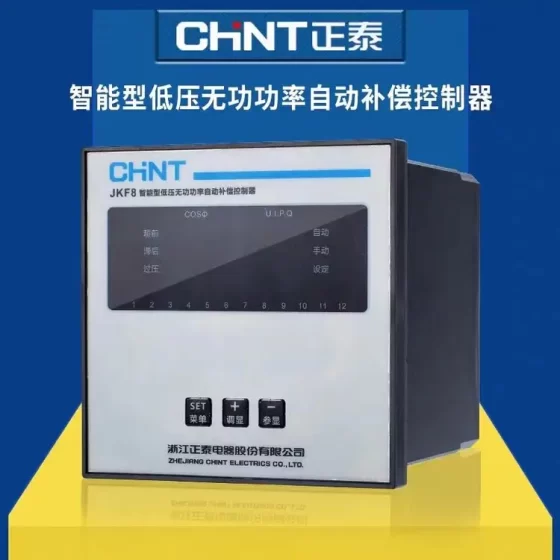
คอนแทคเตอร์,เบรกเกอร์,เซ็นเซอร์,ตัวเข้ารหัส,บมจ,ตัวแปลง





สถานะ: ยกเลิก (End of Production). Only available in second-hand/spare parts market.
The CS1H-CPU63H belongs to the SYSMAC CS1H high-performance rack-mounted บมจ, equipped with a 32-bit RISC processor. Designed for medium-to-large machines, production lines and process control, it supports multiple expansion racks and a large number of special modules.
✅ Core Specifications
| รายการ | ข้อมูลจำเพาะ |
| แบบอย่าง | CS1H-CPU63H |
| Max I/O Points | 5120 คะแนน (ขึ้นไป 7 expansion backplanes) |
| User Program Capacity | 20เค สเต็ป |
| Data Memory | ดีเอ็ม: 32เคคำ; อีเอ็ม: 32K words 脳1 bank, total 64K words |
| LD Basic Instruction | 0.02s/inst (20ns) |
| Timers/Counters | 4096 |
| 5V Current Consumption | 0.23ก |
| ฟังก์ชั่นในตัว | RTC, แบตเตอรี่สำรอง (for DM/HR/EM retention), structured programming, FB function blocks (max.80 FBs) |
| Compatible Modules | CS-series modules, backward compatible with legacy C200H I/O / special units (reuse existing C200H hardware assets) |
📌 Model Code Definition
CS1: CS-series PLC
ชม: ซีพียูประสิทธิภาพสูง (CS1G = standard type)
ซีพียู: ซีพียูยูนิต
63: Performance grade, 63 = 20K steps; higher grades:64(30เค)/65(60เค)/66(120เค)/67(250เค)
Suffix H: H-version hardware
🧩 Hardware Architecture & การใช้งาน
- Rack installation: CS1W-BC series CPU backplane + expansion backplanes; CPU plugged into main backplane.
- Supported modules: อินพุต/โอดิจิทัล, analog AD/DA, เคาน์เตอร์ความเร็วสูง, positioning modules, communication units (ลิงค์คอนโทรลเลอร์, ดีไวซ์เน็ต, serial units, ฯลฯ)
- การใช้งานทั่วไป: การฉีดขึ้นรูป, การประทับตรา, สายการประกอบ, large packaging machinery, เครื่องปรับอากาศ, การบำบัดน้ำ, legacy production line retrofits.
- ซอฟต์แวร์การเขียนโปรแกรม: CX-โปรแกรมเมอร์ (CX-P); supports Ladder Diagram, ST structured text, บล็อกฟังก์ชัน.
🔁 Official Recommended Replacement Models
Two upgrade options from ออมรอน:
- CJ2H-CPU64 (in-family replacement, minimum migration effort, ที่ต้องการ)
- NX102-9000 (new-generation NX series, Sysmac Studio software, full-platform upgrade)
Migration Notes: Memory addresses and instructions are mostly compatible between CS1 and CJ2H, but rack configuration, special unit parameters and communication unit settings need re-verification. NX series requires full program reconstruction.
⚠️ Common Failures & หมายเหตุการบำรุงรักษา
- Battery alarm (A40204): Built-in lithium cell failure; DM/EM/HR data lost after power-off. Replace battery while PLC remains powered.
- ERC red fatal error: RAM fault, WDT watchdog timeout, I/O unit abnormality, poor backplane connector contact.
- Failed online connection: Check peripheral port cable, PLC mode switch, CX-P communication driver and CPU firmware version.
- Second-hand unit inspection checklist:
Power-on RUN/ERR LED status
Battery voltage and RTC clock accuracy
Memory read/write verification, program upload/download test
Backplane connector oxidation and corrosion check
📎 Common Spare Parts List
Backplane: CS1W-BC053/BC083/BC103
พาวเวอร์ซัพพลาย: CS1W-PA204/PA207
Expansion Cable: CS1W-CN series
แบตเตอรี่: CS1W-BAT01
Communication Protocols Supported by OMRON CS1H-CPU63H
Important distinction: Protocols on CPU native ports (no extra module required) and protocols via optional CS1W communication boards / หน่วย (add-on hardware required). All network messaging is based on FINS (Omron FA Information Service Protocol).
- Native CPU Ports (Peripheral Port + Built-in RS232C)
- ลิงค์โฮสต์: Traditional Omron serial protocol, used for CX-P and HMI/SCADA to read/write PLC and online programming. Supported on both RS232C and peripheral port.
- เอ็นที ลิงค์: Dedicated serial protocol for legacy Omron NT HMIs, รองรับ 1:1 /1:N multi-panel connection.
- No-Protocol Communication (TXD/RXD): Free serial transmission of raw ASCII data, for instruments, barcode scanners, weighing transmitters.
- Serial FINS: Run FINS commands over serial ports for PLC-to-PLC serial interconnection.
Physical interfaces: Mini-DIN peripheral port, D-Sub9 RS-232C. ไม่มีพอร์ตอีเธอร์เน็ตในตัว.
- Optional Communication Boards (Front CPU slot: CS1W-SCB21/SCB41)
RS232C / RS422A/485
ลิงค์โฮสต์, เอ็นที ลิงค์, No-Protocol, Protocol Macro (PMCR). Predefined third-party device protocols (Modbus RTU, custom instrument protocols) configured in CX-Protocol.
Serial FINS
- Optional Rack-mounted Communication Units (CS1W modules plugged onto backplane)
3.1 Ethernet Unit CS1W-ETN21 (standard Ethernet, NOT EtherNet/IP)
FINS/TCP, FINS/UDP
ทีพีซี/ไอพี, UDP/IP Socket (custom socket communication)
FTP service (file upload/download), SMTP email, SNTP time synchronization, เว็บเซิร์ฟเวอร์
3.2 EtherNet/IP Unit CS1W-EIP21
อีเธอร์เน็ต/ไอพี (CIP protocol, multi-vendor industrial Ethernet)
Also supports FINS/TCP, FINS/UDP, ส.น.ม, เอฟทีพี, สทท
3.3 Controller Link CS1W-CLK23/CLK53 (Omron factory LAN)
Controller Link token bus network, เอ็น:N data link + FINS messaging for large-volume PLC-to-PLC data sharing and FinsGateway SCADA access.
3.4 DeviceNet CS1W-DRM21
ดีไวซ์เน็ต (CIP-based fieldbus, remote I/O, third-party sensors and inverters)
3.5 CompoNet CS1W-CRM21
CompoNet, Omron bit-level high-speed fieldbus for sensors and actuators
3.6 SYSMAC LINK / SYSMAC NET (legacy Omron fiber network, obsolete)
3.7 Serial Unit CS1W-SCU21/SCU41
RS232/485, ลิงค์โฮสต์, Protocol Macro, No-Protocol, Modbus RTU (implemented via Protocol Macro)
3.8 PROFIBUS-DP Master Unit CS1W-PRM21
โปรฟิบัส-DP, connect to DP slave instruments and variable frequency drives
- Third-party Protocols Realized via Protocol Macro PMCR (อนุกรม)
Not hard-coded native CPU protocol; parsed inside the communication board/unit.
Modbus RTU (ผู้เชี่ยวชาญ / ทาส)
Custom ASCII protocols for weighing, บาร์โค้ด, inverter and instrument devices
❗Important: CS1H-CPU63H does NOT natively support Modbus. Modbus RTU requires SCB/SCU serial board plus Protocol Macro. Modbus TCP requires ETN/EIP unit plus custom Socket programming.
- Protocol Selection Quick Reference
PC programming / old HMI: ลิงค์โฮสต์ / เอ็นที ลิงค์ (use native serial port)
Serial instruments: No-protocol TXD/RXD or Protocol Macro (SCB board)
Large data exchange between PLCs: ลิงค์คอนโทรลเลอร์
อีเธอร์เน็ตอุตสาหกรรม / SCADA: ETN21(ครีบ) or EIP21(อีเธอร์เน็ต/ไอพี)
Remote I/O, sensor bus: ดีไวซ์เน็ต / CompoNet
Siemens DP devices: CS1W-PRM21 PROFIBUS-DP unit
CS1H-CPU63H|Modbus RTU Configuration via Protocol Macro
Hardware Prerequisite: CS1W-SCB21/SCB41 (CPU front serial board) OR CS1W-SCU21/SCU41 (rack serial module).
CPU native serial port cannot run Protocol Macro for Modbus RTU. SCB/SCU hardware is mandatory.
ซอฟต์แวร์: CX-Protocol (included in CX-One suite) + CX-โปรแกรมเมอร์
- หลักการทำงาน
Protocol Macro (PMCR) executes communication sequences inside the SCB/SCU module. The CPU invokes pre-downloaded communication sequences with `PMCR(260)`. The module automatically handles packet assembly, transmission, response waiting, CRC16 checksum and parsing, then stores received data into PLC DM memory.
✅ Capability: Modbus RTU Master (read/write holding registers, input registers, คอยส์, อินพุตแบบแยกส่วน)
⚠️ข้อจำกัด: No native Modbus ASCII support. สูงสุด 20 protocol sets; สูงสุด 60 sequences per protocol.
- ฮาร์ดแวร์ & DIP Switch Setup
- Unit Number for SCU: Set via DIP switch (0~F), must match hardware configuration inside CX-P. SCB boards have no unit number and use fixed port addressing.
- Port Mode: Set port to Protocol Macro, NOT Host Link or No-Protocol.
- Serial Parameters (มาตรฐาน Modbus RTU)
8นิดหน่อย, 1 หยุดสักหน่อย, ไม่มีความเท่าเทียมกัน (8,เอ็น,1). Odd/even parity is also available.
อัตรารับส่งข้อมูล: 1200~115200bps, must match Modbus slave exactly.
- สายไฟ RS485: Enable terminating resistors at both bus ends; shield grounded at single point; do not reverse A/B wires, connect A to A and B to B.
- CX‑Protocol Project Creation Steps
- Create new protocol project, select CS-series SCB/SCU, create new Sequence.
- Create Message frames to define Modbus RTU packets:
Frame structure: ที่อยู่ทาส(1บี)+รหัสฟังก์ชั่น(1บี)+Data Field+CRC16(2บี)
Enable automatic CRC calculation in CX-Protocol; manual CRC entry is unnecessary.
Common function codes: 01 Read Coils, 02 Read Discrete Inputs, 03 อ่าน Holding Registers, 04 Read Input Registers, 05 Write Single Coil, 06 Write Single Register, 10H Write Multiple Registers
- Timing parameter configuration (วิกฤต)
Send&Receive: transmit then wait for response
Response timeout: normally 200~500ms (increase for long-distance / low baud rate instruments)
Retry count: 0~3; set to 1 retry for noisy field environments
Frame interval: Modbus RTU requires 3.5 character silent interval. CX-Protocol wait time must satisfy this timing requirement.
- Compile protocol macro and download it into SCB/SCU module (NOT download to CPU program).
บันทึก: Protocol macro is stored inside serial board/module, not CPU. The CPU only calls sequences. Older modules lose protocol macro after power cycle, re-download required after power up, or use flash-version modules.
- การเขียนโปรแกรมพีแอลซี: PMCR Instruction Call
Instruction format: `PMCR(260) S1 S2 D`
S1: Protocol number + Sequence number (defined in CX-Protocol)
เอส2: Start address of transmit data (DM area, stores variable parameters: ที่อยู่ทาส, register start index, ความยาว)
ดี: Start address for received data storage (DM area, slave response saved here)
Associated Status Word
After PMCR execution, status code is written right after D channel:
0000: Completed normally
0001: Timeout
0002: Receive frame error
0003: CRC check error
0004: Sequence not found
Programming Tip: Trigger PMCR with rising edge, do NOT keep PMCR ON continuously. Wait for completion flag OFF before triggering next poll to avoid bus collision.
- ข้อผิดพลาดทั่วไป & การแก้ไขปัญหา
- A/B reversed wiring: No response, PMCR reports timeout (most frequent field issue).
- Protocol macro not downloaded into SCB/SCU: PMCR returns error. Many users only download ladder program and skip protocol macro download in CX-Protocol.
- Timing fails 3.5 character gap: Intermittent packet loss and CRC errors, more likely at low baud rates.
- Multi-slave polling without interlock: Simultaneous transmission causes bus conflict.
- Wrong port mode selected: Port set as Host Link, PMCR will not execute.
- Mismatched unit number: SCU unit number in CX-P hardware configuration inconsistent with physical DIP setting.
- Alternative Solutions for CS1H
- Protocol Macro PMCR: Modbus RTU master, supports complex polling. Disadvantage: requires CX-Protocol, protocol stored on module and lost on power cycle (older hardware).
- No-Protocol TXD/RXD: Manually build packets and calculate CRC inside ladder code. Large programming workload; suitable only for single simple device, hard to maintain with multiple slaves.
- Add ETN21 Ethernet unit: Socket programming to implement Modbus TCP, no RTU support.
- Reference Manuals
W340 CS1W-SCB21/SCB41 Serial Communication Board Manual
W341 CS1W-SCU21/SCU41 Serial Communication Unit Manual
CX-Protocol Operation Manual W342


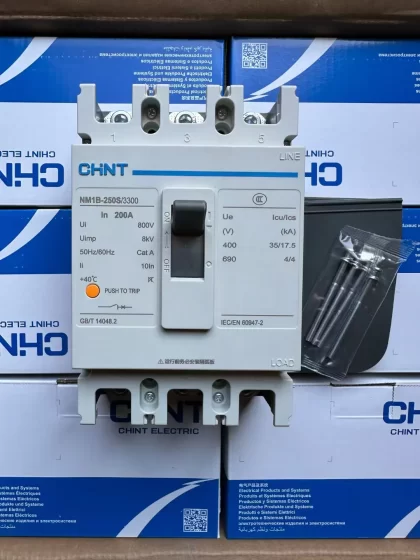
NH42-63-318x560.png "สวิตช์ถ่ายโอนอัตโนมัติชนิด CHINT PC (เอทีเอส)NH42-63/4SZ")