Schütz,Leistungsschalter,Sensor,Encoder,SPS,Konverter


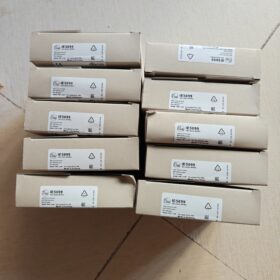
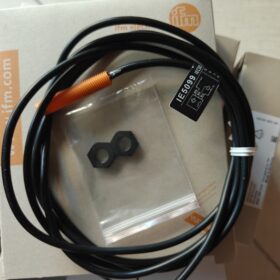
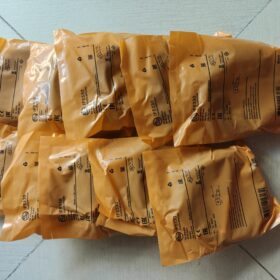
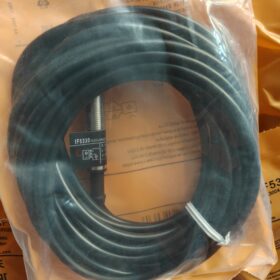
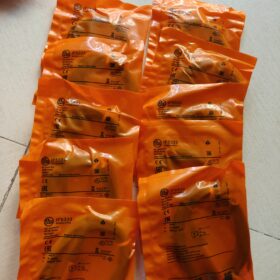
(Vollständiges Modell: IEC3002-BPKG)
Grundlegende Informationen
Produkttyp: Induktiver Näherungssensor (zylindrisches Gewindegehäuse)
Montageart: M8×1, nicht bündig (nicht einbettbar)
Nennschaltabstand Sn: 2 mm
Ausgabe: DC 3-Draht-PNP, normalerweise offen (NEIN)
Kabelversion: 2 m PUR gerades Kabel
Vollständige elektrische Spezifikationen
| Artikel | Parameter |
| Versorgungsspannung | 10…36 V DC |
| Leerlaufstrom | < 15 mA |
| Maximaler Laststrom | 200 mA |
| Schaltfrequenz | 800 Hz (Hochgeschwindigkeitstyp) |
| Ausgangsspannungsabfall | ≤2,5 V |
| Schutzfunktionen | Verpolungsschutz, Kurzschlussschutz, Überlastschutz |
| Hysterese | ≤ 15 % von Sn |
Mechanisch & Umweltspezifikationen
Abmessungen: M8×1, Gesamtlänge L=35 mm (Ultrakurzes Gehäuse für begrenzten Einbauraum)
Gehäusematerial: Plastik
Schutzklasse: IP67
Betriebstemperatur: -25 ℃ … +80 ℃
Lagertemperatur: -40 ℃ … +85 ℃
Vibrations-/Schockfestigkeit: Konform mit IEC 60947-5-2
Kabelbelegung (3-Drahtsystem)
Braun BN: DC+ (Macht positiv)
Blau B.U.: 0V / GND
Schwarz BK: PNP-Signalausgang (NEIN)
PNP-Verdrahtungsspitze: Schließen Sie das schwarze Kabel an den SPS-Eingang an; Der gemeinsame Anschluss der SPS-Eingänge ist mit 0 V verbunden. Wenn sich Metall dem Sensor nähert, Der hohe Pegel wird über das schwarze Kabel ausgegeben.
Modellcode-Dekodierung IE5099 = IEC3002-BPKG
- IE: Zylindrische induktive Sensorserie M8
- C: Nicht bündige Montage
- 3002: M8-Gewinde, Erfassungsabstand 2 mm
- B: 2 m Festkabel
- P: PNP-Ausgang
- K: Normalerweise geöffnet (NEIN)
- G: Standard-DC-Schutzschaltung
Typische Anwendungen
Kleine Werkzeugvorrichtungen, Miniatur-Zylinderpositionserkennung, kompakte Fördermechanismen, Hochgeschwindigkeits-Nockenerkennung, Endanschlagsgrenze des Roboters; Ideal für Geräte mit begrenztem Einbauraum.
Alternative IFM Äquivalente Modelle
Voraussetzung für NPN-Normalöffnung: IE5100 (gleiches Gehäuse)
Voraussetzung für M8-Steckerausführung (M8 4-polig): IE5098
⚠️ Wichtig: Unterscheiden Sie bündig / nicht bündige Typen. Einbausensoren haben einen kürzeren Schaltabstand und können nicht direkt ausgetauscht werden.
Obligatorische Regeln & Richtlinien zur Fehlerbehebung
- Für nichtbündige Sensoren: Halten Sie einen Bereich frei von Metall (mindestens 3×Sn = 6 mm) um die aktive Fläche herum. Ansonsten, Dadurch verringert sich der Erfassungsbereich und es kommt zu Fehlschaltungen;
- Nicht für dauerhaftes Untertauchen geeignet. IP67 schützt nur vor vorübergehendem Spritzwasser;
- Zielmaterial-Korrekturfaktor: Stahl=1, Edelstahl≈0,7, Aluminium≈0,4; Die effektive Erkennungsentfernung verringert sich bei Aluminiumzielen erheblich;
- Mehrere Sensoren nebeneinander montiert: Halten Sie den Abstand ≥3×Sn ein, um gegenseitige magnetische Beeinflussung zu vermeiden.
Funktionsprinzip zylindrischer induktiver Näherungssensoren mit Gewinde
(Gilt für M8/M12/M18/M30-Typen einschließlich IFM IE5099)
- Grundprinzip: Hochfrequentes magnetisches Wechselfeld + Wirbelstromeffekt
Induktive Näherungssensoren erkennen ausschließlich leitfähige Metalle. Kunststoffe, Holz, Glas und Flüssigkeiten können nicht erkannt werden.
Drei interne Kernkreise: Hochfrequenz-Oszillatorschaltung, Demodulatorschaltung, Signalformung & Ausgangskreis.
(1) Oszillationszustand (Kein Metall in der Nähe)
Im Sensorkopf ist ein Spulen-Kondensator-LC-Oszillator eingebaut. Nach dem Einschalten, Es erzeugt kontinuierlich ein hochfrequentes magnetisches Wechselfeld, das nach außen strahlt.
Schwingungsamplitude bleibt stabil. Die anschließende Erkennungsschaltung beurteilt: Kein Metall → Ausgangszustand ausgeben
Für PNP-NO-Sensoren (z.B. IE5099): Kein hoher Pegel am Ausgang.
(2) Zustand der Wirbelstromdämpfung (Metall dringt in den Erfassungsbereich ein)
Wenn sich ein Metallobjekt der aktiven Fläche nähert, Das magnetische Wechselfeld durchdringt die Metalloberfläche. Gemäß dem Gesetz der elektromagnetischen Induktion werden im Inneren des Metalls geschlossene Wirbelströme induziert.
Wirbelströme erzeugen ein umgekehrtes Magnetfeld, das dem ursprünglichen Magnetfeld der Sensorspule entgegenwirkt.
Energie wird durch Wirbelströme verbraucht → Die Amplitude des LC-Oszillators nimmt ab, und hört möglicherweise auf zu schwingen.
(3) Signalkonvertierung & Ausgabe
Der Demodulator überwacht kontinuierlich die Schwingungsamplitude:
Starker Amplitudenabfall → Metallziel erkannt;
Signale durchlaufen die Schmitt-Trigger-Formung und treiben Transistorschaltungen an, um den Ausgangsstatus zu schalten (PNP/NPN ein-/ausschalten).
Zusammenfassung:
Einschalten → Oszillator läuft → Metall induziert Wirbelströme → Schwingung wird gedämpft → Schaltkreis erkennt Metall und löst den Schaltvorgang aus.
- Schlüsselterminologie (Zur Auswahl & Inbetriebnahme)
- Unterputzmontage / Nicht bündige Montage
Spülen (einbettbar): Der Sensorkopf kann in Metallhalterungen eingebettet werden. Die optimierte Spulenabschirmung verbessert die Widerstandsfähigkeit gegenüber umgebenden Metallstörungen, auf Kosten eines kleineren Nennschaltabstands Sn.
Nicht bündig (nicht einbettbar, Typ IE5099): Der Sensorkopf darf nicht von Metall umgeben sein. Längerer Erfassungsabstand, Dennoch ist ein ausreichender metallfreier Abstand um die aktive Fläche herum erforderlich; Andernfalls wird das Magnetfeld absorbiert und es kommt zu Fehlschaltungen.
- Nennschaltabstand Sn
Unter Standardbedingungen getestete Nennentfernung (Baustahl, Standardzielgröße). Bei Edelstahl verringert sich der effektive Abstand, Aluminium und Kupfer (Korrekturfaktor < 1).
- Hysterese
Betriebsabstand (Metall nähert sich) Distanz zurücksetzen (Metall bewegt sich weg).
Funktion: Vermeiden Sie häufiges Rattern und Fehlschaltungen durch mechanische Vibrationen.
Standardspezifikation ≤15 % Sn (Entspricht dem IE5099-Parameter).
- Ausgangslogik eines 3-Draht-Gleichstromsensors (Beispiel für IE5099 PNP NO)
Braun: DC10~36V+
Blau: 0V GND
Schwarz: Signalausgang
✅ Metall nähert sich → Interner Transistor leitet → Schwarzer Draht gibt hohes Potenzial aus (nahe an der Versorgungsspannung)
Der NPN-Typ funktioniert umgekehrt: Signalleitung wird auf 0 V heruntergezogen, wenn Metall erkannt wird.
- Häufige Missverständnisse
- ❌ Es basiert NICHT auf Permanentmagneten! Kein Magnet erforderlich; Nur leitendes Metall kann eine Erkennung auslösen. Hall-Effekt-Sensoren erfassen Magnetfelder – die beiden Prinzipien sind völlig unterschiedlich.
- ❌ Nicht leitende Materialien können nicht erkannt werden;
- ❌ Bei längeren Distanzen nimmt die Stabilität ab. Empfohlener Arbeitsabstand ≤ 0,7×Sn für den Installationsspielraum.
- Erklärung der mechanischen Struktur für zylindrische Gewindesensoren
Der Gewindekörper dient lediglich der mechanischen Montage. Der wirksame Erfassungsbereich ist die vordere Stirnfläche. Das Magnetfeld strahlt hauptsächlich nach vorne; Die seitliche Erkennungsfähigkeit ist äußerst schwach.
Anwendungsszenarien von zylindrischen induktiven Näherungssensoren mit Gewinde
(M8/M12/M18/M30-Serie, z.B. IFM IE5099 M8)
Zusammenfassung der Kernmerkmale: Nur-Metall-Erkennung, berührungslose Bedienung, Kein mechanischer Verschleiß, schnelle Reaktion, beständig gegen Ölnebel und Staub. Überlegungen zur Auswahl: bündig/nicht bündig, PNP/NPN, Normalerweise offen/normalerweise geschlossen.
- Werkzeugmaschinen & Metallbearbeitung
- Positionserkennung von Pneumatikzylinderkolben
Miniatur-Zylindergrenzwerterkennung mit kompakten M8-Sensoren (IE5099 bevorzugt) Extern montiert, um eingebettete Metallringe an Kolben zu erkennen. Vorteil gegenüber Magnetschaltern: Immunität gegenüber starken Magnetfeldern.
- Werkzeug-in-Place-Erkennung & Positionierung des Werkzeugmagazins
Bestätigung des Werkzeughaltersitzes und der Werkzeugklemmung; ausgelöst durch Metallwerkzeugkörper.
- Weiche/harte Verfahrbegrenzung und Referenzierung für Vorschubachsen
Maschinennullpunktreferenz und Wegschutz für Servoschlitten, Betätigung durch Schließbleche aus Metall.
- Erkennung der Werkstückanwesenheit
Erkennung von Stahlplatinen und Stanzteilen auf Führungsbahnen.
- Fördern & Verpackungsausrüstung
- Zählung und Anwesenheitserkennung von Metallwerkstücken auf Förderbändern
Erkennung von Metallpaletten und Hardwarekomponenten auf Ketten- und Rollenförderern.
⚠️ Kunststoffbehälter ohne interne Metallkomponenten können nicht erkannt werden.
- Positionssignal der Hebebühne, Rückmeldung der Stoppzylinderposition
- Positionsbestätigung für Schneidmesser und Pressmechanismen an Verpackungsmaschinen
- Erkennung von Metallbeschlägen an Kartons (Metallklammern, Metalldosen)
- Robotik & Benutzerdefinierte Automatisierung
- Offen-/Geschlossen-Positionserkennung von Robotergreifern
Kompakte M8-Gewindesensoren (IE5099) Wird häufig für Miniaturgreifer in engen Räumen verwendet.
- Werkzeugpositionierung & Bestätigung der Spannvorrichtung
Ausgelöst durch metallische Zielplatten auf Spannblöcken zur Überprüfung der korrekten Werkstückbeladung.
- Ursprungsreferenz und Indizierung von Drehmechanismen
Hochgeschwindigkeits-Positionserfassung mittels Nocken und Metall-Zielplatten (Schaltfrequenz bis zum kHz-Bereich).
- Vereinfachter Kollisionsalarm für Maschinen
- Spritzguss & Gummimaschinen
- Signale für Endposition des Auswerferstifts und Kernzugbegrenzung für Formen
- Positionsüberwachung von Metallschnecken im Inneren von Fässern
- Positionsbestätigung für Take-out-Roboter
Die Betriebsumgebung weist Öl und Feuchtigkeit auf; Bevorzugt werden IP67-Sensoren mit ölbeständigen PUR-Kabeln.
- Automobilbau
- Feedback zur Stationspositionierung und Vorrichtungsspannung für Schweißlinien
- Schlittenposition und Sicherheitsbegrenzung für Stempelgeräte
- Erkennung von Bauteiltransportgestellen
- Mechanische Positionsrückmeldung für Drehmomentwerkzeuge und Montagegeräte
- Baumaschinen & Hydraulische/pneumatische Systeme
- Externe Rückmeldung der Hubposition für Hydraulikzylinder
- Anzeige der Spulenposition für Ventile
- Geschwindigkeitsmessung bei niedriger Geschwindigkeit über die Verzahnung: Impulse, die erzeugt werden, wenn Zahnradzähne den Sensor passieren
- Aufzüge, Heben & Lagerausrüstung
- Stockwerkankunftserkennung für Lastenaufzüge
- Vermeidung von Metallkollisionen und Positionskalibrierung für Stapler und AGVs
Anwendungsanpassung nach Gehäusegröße
- M8 (Typ IE5099)
Anwendungen mit begrenztem Platzangebot: Miniaturzylinder, kleine Greifer, kompakte Drehmechanismen, schmale Werkzeugaufnahmen, Präzisions-Kleinfördergeräte.
Einschränkung: Kurzer nominaler Schaltabstand (2 mm); Die Größe des Zielmetalls darf nicht übermäßig klein sein.
- M12
Universell einsetzbar: Maschinenendschalter, Standardzylinder, Werkstückerkennung auf Förderbändern. Typisches Sn = 4 mm.
- M18
Mittlerer Erfassungsbereich (5/8 mm). Geeignet für Anwendungen mit Werkstückvibrationen und größerer Einbauspieltoleranz.
- M30
Großer Erfassungsabstand (10/15 mm). Für schwere Maschinen und die Metalldetektion über große Entfernungen.
⚠️ Kritische Auswahl & Installationsrichtlinien
- Nicht bündige Sensoren (IE5099)
Vermeiden Sie die Montage der aktiven Fläche nahe an Metallhalterungen. Halten Sie einen ausreichenden metallfreien Abstand um die aktive Fläche ein; andernfalls führt die Magnetfeldabsorption zu einer instabilen Erkennung und falschen Signalen.
- Materialdämpfungseffekt
Weichstahl bietet optimale Leistung; Bei Edelstahl nimmt der effektive Abstand stark ab, Aluminium und Kupfer. Erhöhen Sie den Installationsspielraum für Aluminiumziele.
- Ungeeignete Ziele: Kunststoffe, Holz, Gummi, Glas, Flüssigkeiten
Verwenden Sie zur Erkennung von Nichtmetallen fotoelektrische oder kapazitive Sensoren.
- Vibrationsanfällige Geräte
Achten Sie auf die Sensorhysterese, um Signalflattern zu vermeiden.
- Mehrere Sensoren nebeneinander installiert
Halten Sie einen Mindestabstand von ≥3×Sn zwischen den Sensoren ein, um gegenseitige magnetische Beeinflussung zu verhindern.


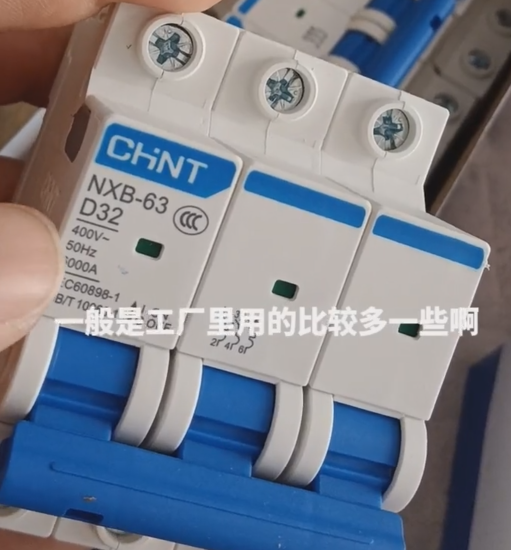
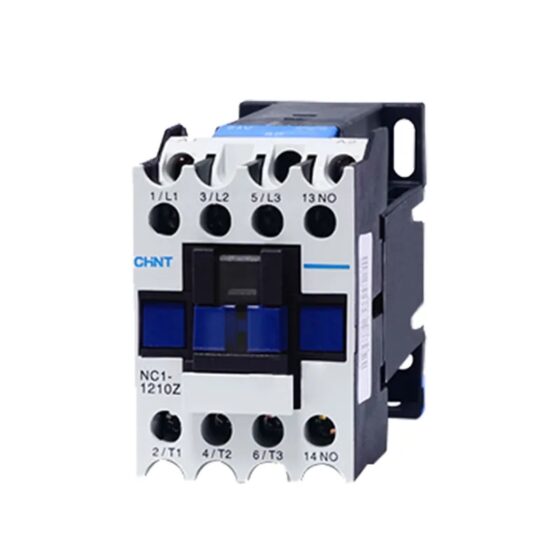
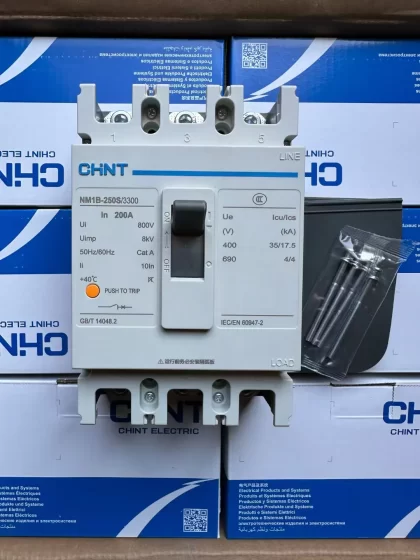
NH42-63-318x560.png "Automatische Transferschalter vom Typ CHINT PC (ATS)NH42-63/4SZ")