Schütz,Leistungsschalter,Sensor,Encoder,SPS,Konverter

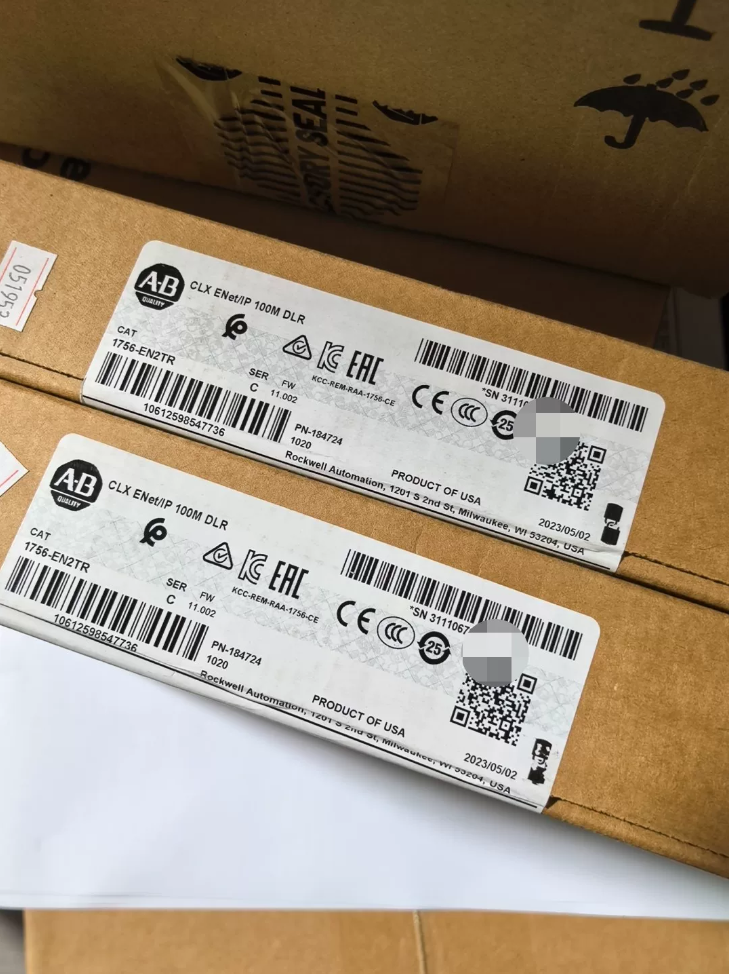

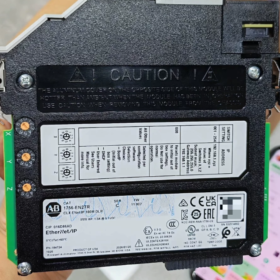
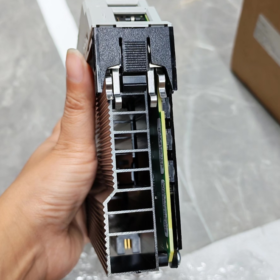
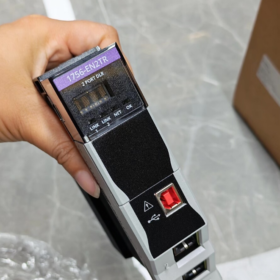
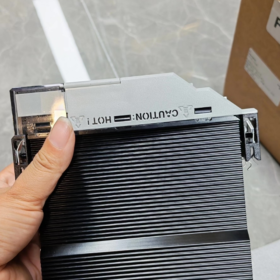
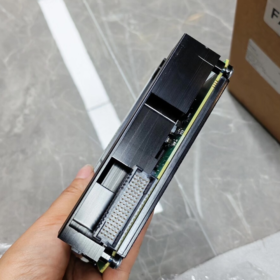
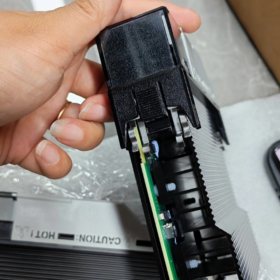
1756:ControlLogix-Plattformserie
IN:Rockwell EtherNet/IP Kommunikation
2:Dual-Port-Ethernet
T:Twisted-Pair-Kupferschnittstelle
R:DLR (Ring auf Geräteebene) Unterstützung (Kernkennung)
Grundlegende technische Spezifikationen
| Artikel | Parameter |
| Schnittstellen | 2×RJ45 mit integriertem Schalter, Beide Ports teilen sich eine einzige IP-Adresse, Unabhängige Subnetzwerke werden nicht unterstützt |
| Geschwindigkeit | 10/100 Automatische Mbit/s-Aushandlung |
| Stromverbrauch der Rückwandplatine | 5.1In DC, 1A; Verlustleistung 5,1W |
| CIP-Verbindungen | Max. 256 CIP-Verbindungen; 128 TCP-Verbindungen |
| Nachrichtenverarbeitung | 25000 PPS; unterstützt bis zu 8-Achsen-CIP-Motion |
| Topologien | Stern, lineare Daisy-Chain, DLR-Geräteebenenring (Selbstbehebung bei Single-Link-Fehlern) |
| Betriebstemperatur | 0~+60℃; 1756‑EN2TRXT Weitbereichsversion: -25~+70℃ |
| Installation | Jeder Steckplatz im ControlLogix-Chassis, RIUP-Hot-Swap wird unterstützt |
| Firmware-Serie | Mainstream-Serie-C; Suffix K: 1756‑EN2TRK konform beschichtete Version |
| Isolierung | Basisisolierung zwischen Ethernet und Backplane; USB-Anschluss nur für vorübergehende Inbetriebnahme, in explosionsgefährdeten Bereichen verboten |
⚠️Wichtig: EN2TR unterstützt nur DLR-Ringredundanz. PRP-Dual-Netzwerk- und Dual-IP-Hot-Standby-Redundanz sind NICHT verfügbar. Zwei Ports fungieren als eingebetteter Switch, nicht zwei unabhängige Netzwerkadapter.
Primäre Anwendungsszenarien
- EtherNet/IP-Remote-I/O und verteilte I/O (z.B. 1734-AENTR) für ControlLogix-Steuerungen
- DLR-Ringarchitektur: Montagelinien, Verpackungsmaschinen, Wasseraufbereitung, Materialtransport, Automatische Selbstwiederherstellung des Netzwerks bei Bruch eines einzelnen Kabels
- HMI & SCADA-Host-Kommunikation; CIP-Motion-Servobewegungsnetzwerk
- Bevorzugter Upgrade-Ersatz für das Vorgängermodell 1756-ENBT, Bereitstellung einer deutlich verbesserten Leistung
Serienauswahl & Vergleich
| Modell | Häfen | DLR | Gigabit | Merkmale |
| 1756-EN2T | 1×RJ45 | ❌ | ❌ | Grundlegendes Single-Port-EtherNet/IP, keine Ringunterstützung |
| 1756‑EN2TR | 2×RJ45 | ✅ | ❌ | Dual-Port-DLR, weit verbreitet in Projekten eingesetzt |
| 1756‑EN2TP | 2×RJ45 | ❌ | ❌ | PRP-Dual-Netzwerk-Redundanz, Duale unabhängige IP-Adressen |
| 1756‑EN4TR | 4×RJ45 | ✅ | ✅ | Gigabit, CIP-Sicherheit, 512 Verbindungen, Upgrade-Option der nächsten Generation |
Ersatzoptionen
- Direkter Drop-In-Ersatz: 1756-EN2TR (Serie-C). Behalten Sie eine konsistente Firmware-Version bei; Plug-and-Play ohne Programmänderung
- Leistungssteigerung: 1756-EN4TR (Gigabit-Ethernet, höhere Verbindungskapazität, CIP-Sicherheitsunterstützung)
- Varianten für raue Umgebungen: 1756-EN2TRXT breiter Temperaturbereich; 1756-EN2TRK-Schutzbeschichtung
Hardware-Installation & Richtlinien zur IP-Konfiguration
- RIUP-Hot-Swap wird unterstützt; Hot-Swap in gefährlichen Situationen verboten / explosionsgefährdete Bereiche
- IP-Konfigurationsmethoden:
Modul-Rändelrad: Festlegen der statischen IP „192.168.1.xxx“ über die Einstellung 1-254; Position 999 ermöglicht die BOOTP/DHCP-Zuweisung
Statische IP-Zuweisung per BOOTP-DHCP-Tool; IP im Studio5000-Projekt konfigurieren und herunterladen
- DLR-Ringverkabelung: Port1 verbindet das Upstream-Gerät, Port2 verbindet Downstream-Gerät; Schließen Sie beide Enden, sodass ein Ring entsteht. Mindestens ein DLR-Betreuer (Ringmanager) muss im Ring vorhanden sein. Gewöhnliche nicht verwaltete Switches können nicht in den DLR-Ring eingefügt werden, Dies führt zu Ringflattern und Kommunikationsfehlern.
- Kabelanforderung: mindestens ein abgeschirmtes Cat5e-Ethernet-Kabel
Allgemeine Fehlerbehebung
- Ringkonvergenzfehler: Gewöhnliche Switches oder mehrere Supervisor-Knoten im Ring. Entfernen Sie nicht verwaltete Switches und behalten Sie genau einen Supervisor bei.
- I/O-Störung nach Kabelbruch: Die DLR-Konvergenzzeit überschreitet das RPI-Anforderungspaketintervall. Verwenden Sie das PRP-Modul (EN2TP) für bewegungskritische Anwendungen.
- Doppelter IP-Alarm: Beide Ports sind mit demselben Switch-Netzwerk verbunden. Ein Port nur für Ringverbindung; Schließen Sie niemals beide Ports an einen gemeinsamen Switch an.
- Fehler am elektronischen Schlüssel 160114: Firmware mismatch between project definition and physical hardware. Enable compatible-module setting or upgrade module firmware.
Key LED Indicators
OK: Modulstatus; steady green = normal; flashing red = self-test; solid red = module fault
LNK/ACT: Port link & data activity indicator
NET: Netzwerkstatus
DLR: Device-Level Ring status
I can provide further materials upon request:
- Minimal DLR ring configuration steps (Studio5000)
- Index for official 1756-EN2TR Chinese manual
- Inspection checklist for second-hand modules
1756-EN2TR Main Application Scenarios
Module positioning: Dual-port EtherNet/IP communication module for ControlLogix platform with DLR Device-Level Ring. Embedded switch shares one IP address; PRP dual-network redundancy is unsupported.
- DLR Device-Level Ring (Kernvorteil)
For field-level networks requiring self-recovery (<3 ms convergence) against single cable damage. Supports star, lineare Daisy-Chain- und geschlossene DLR-Ringtopologien.
Materialhandhabung & Sortierlinien; Verpackung & Fülllinien; Automobilschweißen & Montageplatznetze
Remote-I/O-Ring für die Wasseraufbereitung, Pumpstationen, Tunnel und Brücken; reduziert die Anzahl der Switches und die Verkabelungskosten
Ringvoraussetzungen: Alle Ringknoten müssen DLR-fähig sein. Es ist genau ein DLR-Betreuer erforderlich. Gewöhnliche nicht verwaltete Switches dürfen nicht eingefügt werden.
- Verteilte Remote-I/O-Master-Kommunikation
Fungiert als rückwandmontierte EtherNet/IP-Schnittstelle für ControlLogix, Anschluss von Remote-I/O-Adaptern wie 1734-AENTR und 1738-AENTR.
Sammle D/C, AI/AO-Signale für weit verteilte Feldpunkte in Großanlagen
Direkter Upgrade-Ersatz für das Vorgängermodell 1756-ENBT; Keine Fahrwerks- oder Programmänderung, höhere Verbindungskapazität und Nachrichtenleistung.
- CIP-Motion Motion Control Network
Unterstützt bis zu 8-Achsen-CIP-Motion-Servos, Schnittstelle zu Kinetix-Servos und PowerFlex-Antrieben mit variabler Frequenz.
Echtzeit-Servosteuerung für Verpackungsmaschinen, Materialtransportgeräte und Werkzeugmaschinen.
Notiz: Beim Ausführen von CIP-Motion über den DLR-Ring, Passen Sie das RPI-Intervall richtig an, um durch Ringkonvergenzereignisse ausgelöste Bewegungsstörungen zu vermeiden.
- HMI, SCADA & MES-Datenaustausch
Schnittstellen zu PanelView HMI-Terminals, FactoryTalk SCADA-Hosts; Produktionsdaten in MES-Systeme hochladen
Erfassen Sie Daten von VFDs, intelligente Instrumente und EtherNet/IP-Geräte von Drittanbietern
Maximal 256 CIP-Verbindungen und 128 TCP-Verbindungen unterstützen die gleichzeitige Kommunikation mehrerer Geräte.
- Branchenspezifische typische Bereitstellungen
- Automobilbau: Schweißen & Lackierereien, Roboter verbinden, Stations-I/O und VFDs über DLR-Ring pro Zelle.
- Essen & Getränkeverpackung: Füllung, Etikettierung und Endverpackung; Daisy-Chain / Die DLR-Verkabelung reduziert die Anzahl der Feldschalter.
- Kommunale Wasseraufbereitung: Abwasser & Reinwasserpflanzen, Pumpstation-Remote-I/O-Ringe mit zentraler SCADA-Überwachung.
- Lager & Logistik: Automatisierte AS/RS-Lager, Sortierförderer für die Daisy-Chain- oder DLR-Vernetzung über große Entfernungen.
❌ Nicht empfohlene Anwendungsfälle (Auswahlfallen)
- Dual-Independent-IP / PRP echte Dual-Link-Redundanz: Wählen Sie 1756-EN2TP anstelle von EN2TR. EN2TR-Ports fungieren als überbrückte Switch-Ports und nicht als zwei unabhängige NICs.
- Gigabit-Anforderung: EN2TR ist nur 10/100 Mbit/s; Upgrade auf 1756-EN4TR für Gigabit-Geschwindigkeit.
- Dual-Netzwerk-Hot-Standby für redundante Controller-Systeme: Nicht geeignet; Verwenden Sie zwei separate Kommunikationsmodule.
Von 1756-EN2TR unterstützte Netzwerktopologien
Hardware-Schlüsselfakt: Dual-Ports implementieren einen internen Layer-2-Switch, eine gemeinsame IP mit zwei MAC-Adressen; nicht zwei unabhängige Netzwerkschnittstellenkarten.
✅ Drei unterstützte Topologien
- DLR Device-Level Ring (Kernfunktion)
Das Modul kann als regulärer DLR-Ringknoten betrieben oder als DLR-Supervisor konfiguriert werden (Ringmanager).
Verdrahten Sie Port1 mit dem Upstream-Gerät und Port2 mit dem Downstream-Gerät, Schließen Sie beide Enden, um einen geschlossenen Ring zu bilden.
Automatische Selbstheilung bei Ausfall eines Kabels; Konvergenzzeit <3 MS.
Anforderungen: Jeder Ringteilnehmer muss das DLR unterstützen. Innerhalb des Rings ist nur ein Supervisor-Knoten zulässig. Nicht verwaltete Switches müssen ausgeschlossen werden.
Anwendungsfall: Redundante Vernetzung auf Feldebene für Förderanlagen, Wasseraufbereitungs- und Montagelinien.
- Lineare Daisy-Chain-Topologie
Port1 verbindet das Upstream-Gerät; Port2 verkettet das nächste DLR-fähige E/A-Gerät. Beide Enden bleiben ohne Ringverschluss offen.
Eliminiert Feldschalter durch die sequentielle Kaskadierung von Geräten und senkt die Hardwarekosten.
Nachteil: Jeder zwischenzeitliche Kabelausfall führt zum Ausfall aller nachgeschalteten Geräte. Keine fehlertolerante Wiederherstellung.
- Sterntopologie
Verwenden Sie nur einen RJ45-Port für den Anschluss an einen Standard-Switch; Lassen Sie den zweiten Port unbenutzt.
Traditionelle, weit verbreitete EtherNet/IP-Topologie für HMI, SCADA- und Remote-I/O-Verbindungen.
⚠️Strenges Verbot: Schließen Sie niemals beide Ports an denselben gewöhnlichen Switch an. Dadurch entsteht eine Layer-2-Schleife, Löst einen Alarm wegen doppelter IP aus und bricht den Netzwerkverkehr zusammen.
❌ Nicht unterstützte Topologien (Auswahlfallen)
- PRP-Parallel-Dual-Netzwerk-Redundanz: EN2TR implementiert das PRP-Protokoll nicht. Wählen Sie 1756-EN2TP für physisch getrennte redundante Netzwerke.
- Separate Subnetzwerke / Dual-IP für zwei Ports: Die Hardwarebeschränkung erzwingt eine einzelne gemeinsame IP; Pro Port können keine unterschiedlichen Subnetze zugewiesen werden.
- Dual-NIC-Hot-Standby für redundante Controller-Paare: Eine echte Dual-Netzwerk-Redundanz kann nicht realisiert werden; Setzen Sie zwei diskrete Kommunikationsmodule ein.
Topologie-Kurzreferenztabelle
| Topologie | Redundanz | Portauslastung | Typische Anwendung |
| Geschlossener Ring des DLR | Selbstbehebung bei Single-Link-Fehlern | Port1+Port2 geschlossener Regelkreis | Montagelinien, verteilte E/A mit hohem Kabelausfallrisiko |
| Lineare Daisy-Chain | Keine Redundanz | Port1+Port2 offene Kaskade | Langstreckenverkabelung, kostensensible Projekte, die das Risiko eines Single-Point-of-Failure in Kauf nehmen |
| Stern | Keine Redundanz | Nur ein einziger Port | Kontrollraumseite für HMI / SCADA / Multi-Drop-Remote-I/O |
Ergänzen: Obwohl CIP-Motion auf dem DLR-Ring laufen kann, Eine durch einen Kabelbruch ausgelöste Konvergenz kann zu vorübergehenden E/A-Vorgängen oder Bewegungszittern führen. Für leistungsstarke Bewegungsanwendungen wird die Sterntopologie oder das PRP-Modul bevorzugt.


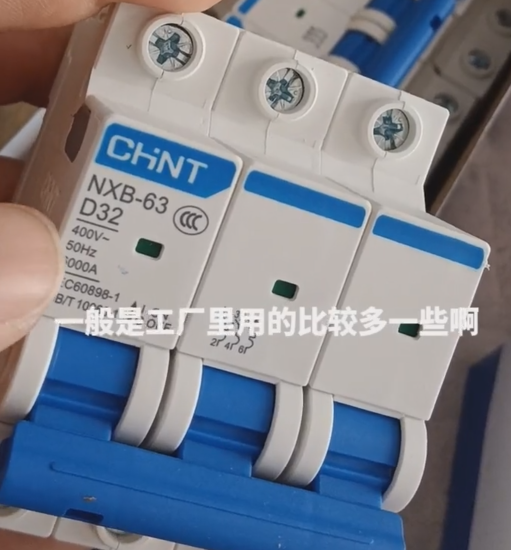
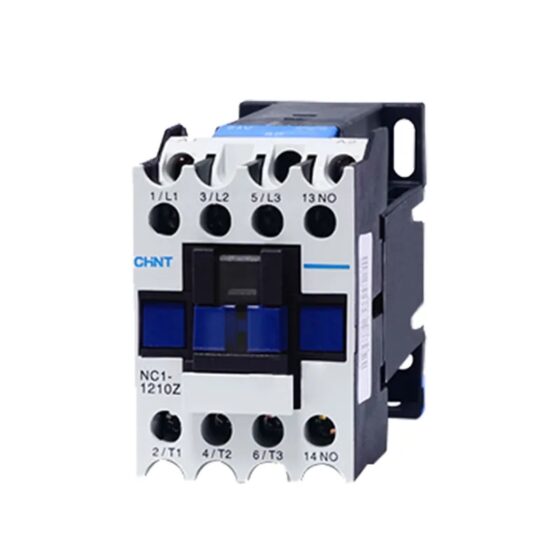
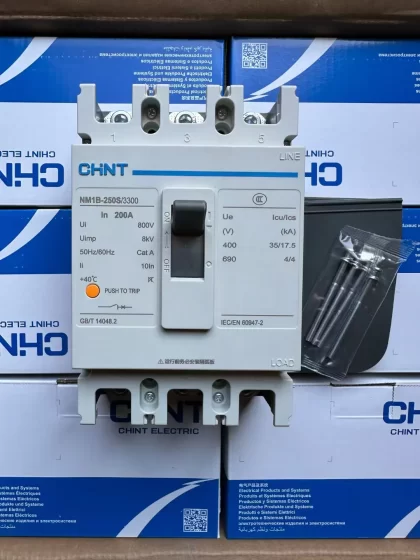
NH42-63-318x560.png "Automatische Transferschalter vom Typ CHINT PC (ATS)NH42-63/4SZ")