contactor,cortacircuitos,sensor,Codificador,SOCIEDAD ANÓNIMA,Convertidor

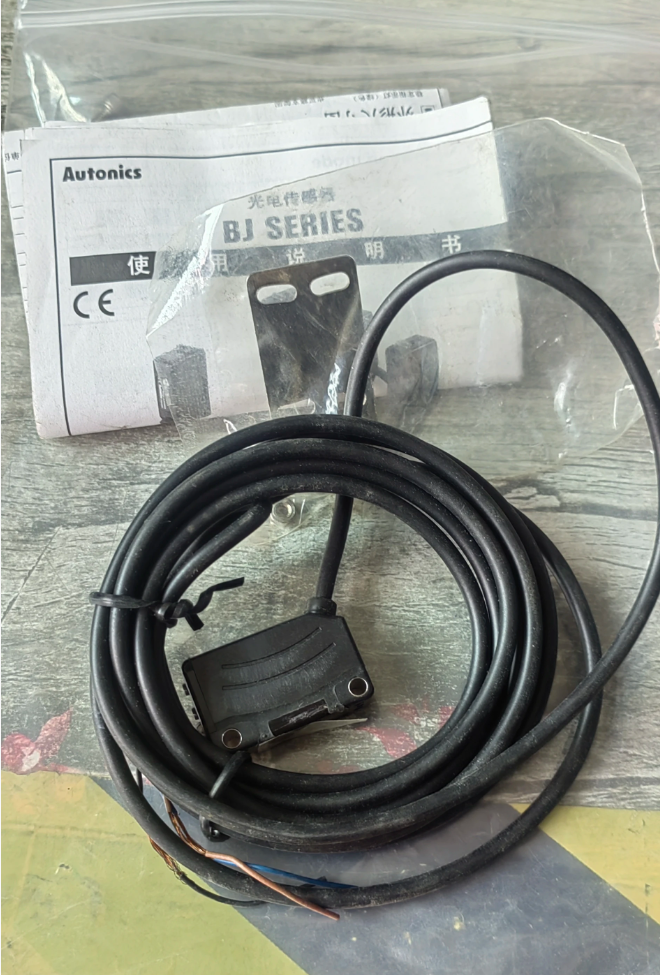

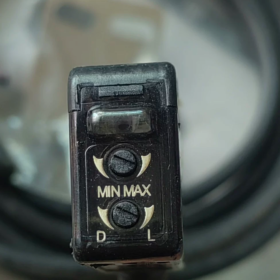
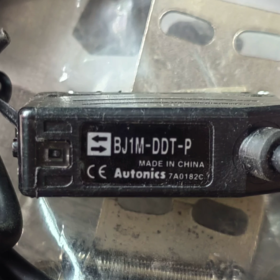
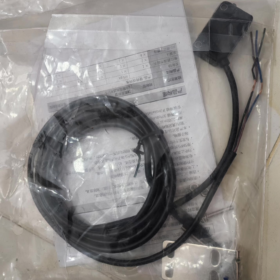
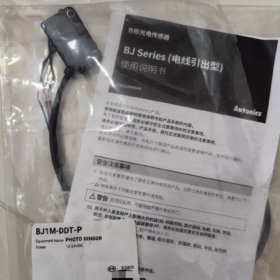
Reflexión difusa serie BJ sensor fotoeléctrico, salida PNP, tipo de salida de cable
Explicación del código del modelo
| Código | Descripción |
| bj | Sensor fotoeléctrico compacto serie BJ |
| 1METRO | Distancia de detección nominal: 1 metro |
| DDT | Tipo de reflexión difusa; Luz encendida / Encendido oscuro conmutable |
| PAG | Salida de colector abierto PNP |
| Sin sufijo -C | Salida de cables; -C indica la versión del conector M8 (BJ1M‑DDT‑C‑P) |
Especificaciones principales
| Artículo | Parámetro |
| Método de detección | reflexión difusa (no se requiere reflector) |
| Distancia de detección | 0-1m (papel blanco estándar 300×300mm) |
| Fuente de luz | LED infrarrojo, 850 Nuevo Méjico |
| Tiempo de respuesta | ≤1ms |
| Fuente de alimentación | 12-24 VCC ±10%, ondulación ≤10% |
| Producción | Colector abierto PNP, máximo. carga 100mA |
| Modo de operación | Luz encendida / Encendido en oscuridad mediante interruptor deslizante incorporado |
| Sensibilidad | Ajustable mediante potenciómetro |
| Cable | 3-centro, Φ3.5mm, longitud estándar 2m |
| Protección de ingreso | IP65 |
| Temperatura de funcionamiento | -25℃~+55℃ |
| Histéresis | 20 % de la distancia máxima de detección |
| Protección | Polaridad inversa, cortocircuito & protección contra sobrecorriente; resistencia a la interferencia mutua |
| Dimensiones | Ancho 20 × Alto 32 × Fondo 10,6 mm |
| Peso | Aprox.. 45 gramo |
| Accesorios | Soporte de montaje, pernos m3 & nueces |
Alambrado (3-sistema de alambre)
Marrón: DC12-24V Positivo
Azul: 0V Negativo
Negro: Salida de señal PNP
Nota: Sin supresión de fondo (bgs). Los objetos de fondo cercanos pueden provocar una activación falsa. Adecuado para objetivos opacos y semitransparentes.. La distancia de detección real disminuye para objetos de colores oscuros.
Modelos intercambiables en la misma serie
- BJ1M-DDT: salida NPN, todos los demás parámetros idénticos
- BJ1M-DDT-C-P: salida PNP, Conector M8 de 4 pines, sin cable volador
- BJ300-DDT-P: PNP reflexión difusa, 300 mm distancia de detección
Aplicaciones típicas
Detección de objetos en la línea transportadora, detección de estación en el lugar, detección de presencia de material, conteo de piezas de automatización general.
Referencia alternativa de fabricación nacional
Alternativas compatibles: E3Z-D61 (versión PNP), Serie EE-SX, Modelos PNP de 1 metro de reflexión difusa serie FS-N. Verificar tiempo de respuesta, Dimensiones del cableado y del orificio de montaje..
Principio de funcionamiento de los sensores fotoeléctricos de reflexión difusa (Tomando Autonica BJ1M-DDT-P como ejemplo)
reflexión difusa (reflexión-difusión) Los interruptores fotoeléctricos pertenecen al tipo de reflexión directa.. No se necesita un reflector separado; El transmisor y el receptor están integrados dentro de una carcasa..
Principio básico
- Emisión: El LED infrarrojo interno emite un haz de infrarrojos hacia la superficie objetivo..
- reflexión difusa: Cuando la luz incide en la superficie objetivo., se dispersa en todas direcciones. Parte de la luz dispersada rebota en la ventana receptora del sensor..
- Juicio de señal: El elemento fotosensible interno recibe la luz de retorno.. Una vez que la intensidad de la luz alcanza el umbral, el sensor emite una señal de conmutación.
- Condición sin objetivo: No se refleja ninguna luz hacia el receptor., y el estado de salida se invierte.
⚠️ Punto clave: Esto no es una reflexión especular.. Se basa en la dispersión difusa desde la superficie objetivo.. El color del objetivo y la rugosidad de la superficie afectan directamente la distancia de detección efectiva.
Dos modos de operación (Seleccionado mediante interruptor deslizante incorporado en la serie BJ)
Luz encendida (operación ligera)
La salida se enciende cuando se recibe la luz reflejada.; sin salida sin objetivo presente.
La salida se activa cuando llega un objetivo y refleja la luz..
Oscuro encendido (operación oscura)
La salida se activa cuando no se recibe luz reflejada.; La salida se desactiva cuando llega la luz reflejada..
La salida se activa cuando el objetivo se aleja y elimina la luz reflejada..
Factores que afectan el rendimiento
- color objetivo: De color claro / las superficies blancas reflejan fuertemente, alcanzar una distancia de detección casi nominal. De color oscuro / Las superficies negras absorben la luz y reducen en gran medida el rango de detección práctico..
- Interferencia de fondo: Los modelos sin BGS, como BJ1M-DDT-P, pueden dispararse falsamente debido a la luz reflejada en las paredes traseras o superficies metálicas.. Este es un modo de falla común..
- Ángulo de inclinación del objetivo: Un objetivo inclinado desvía la luz reflejada lejos del receptor y puede causar una detección perdida..
- Punto de haz: El punto del haz crece con la distancia.. Los objetivos pequeños son propensos a no ser detectados a larga distancia..
Comparación rápida con otros tipos fotoeléctricos
reflexión difusa: Transmisor & receptor integrado; Detecta mediante reflexión directa del objetivo., no se requiere reflector. Vulnerable a interferencias de fondo.
Retrorreflexión: Requiere un reflector; La salida se activa cuando un objeto bloquea el haz..
barrera (opuesto): Unidades de transmisor y receptor separadas; La detección se produce cuando un objeto interrumpe el haz de luz.. Ofrece el rango de detección más largo.
Consejos prácticos de funcionamiento para BJ1M-DDT-P
Utilice el potenciómetro del panel frontal para ajustar la sensibilidad: Establece el umbral de recepción de luz para adaptarse a objetivos de diferentes colores y mitigar los falsos disparadores del fondo..
Evite montar el sensor frente a paredes de colores claros o fondos metálicos..
Escenarios de aplicación para sensores fotoeléctricos de reflexión difusa
Los sensores de reflexión difusa como Autonics BJ1M-DDT-P son fáciles de instalar porque no se necesita reflector. Detectan objetos midiendo la luz reflejada en las superficies del objetivo.. Las limitaciones incluyen la susceptibilidad al color objetivo y al reflejo del fondo.. Más adecuado para la detección de presencia de alcance medio a corto en sistemas de automatización y transportadores.
- Transportador & Líneas de manipulación de materiales (Caso de uso más común)
- Detección de objetivos in situ: Detecte la llegada de la pieza de trabajo a cintas transportadoras o transportadores de rodillos para activar acciones del cilindro o del brazo robótico..
- conteo de piezas: Cuente productos capturando señales de salida en forma de pulso enviadas al PLC.
- Ausencia de material / detección de atascos: Detectar canales de alimentación vacíos para alarmas de material faltante; detener el equipo por atascos de apilamiento de material.
Nota: Las piezas de trabajo de color oscuro producen una distancia de detección efectiva más corta; reducir la sensibilidad en consecuencia.
- Maquinaria de embalaje
Detectar presencia de bolsas y cartones para evitar fallas por embalaje vacío.
Detectar la presencia de etiquetas y el posicionamiento de la bolsa; verificar la carga correcta de la pieza.
Activar operaciones de sellado y etiquetado una vez que las piezas lleguen a la estación..
- Clasificación logística & Equipo de almacén
Detectar cajas de cartón y el paso de contenedores.
Detección de material en cinta transportadora para accionar empujadores de clasificación.
Los cartones dan un buen reflejo.; Los contenedores de plástico negro muestran una notable reducción en el alcance.
- máquina-herramienta & Equipo de procesamiento
Confirmar la presencia de metal. / piezas de plástico antes de iniciar los ciclos de mecanizado.
Monitoreo simple del nivel del contenedor para verificar el estado de la pieza de trabajo restante.
⚠️ Los fondos metálicos reflectantes provocan una activación falsa de los sensores de reflexión difusa estándar. Prefiere los modelos de supresión de fondo BGS cuando no se pueden evitar los fondos.
- Impresión & Maquinaria Textil
Detectar presencia de papel y tela.; alarma de falta de papel para condiciones de falla de alimentación.
Supervisar el estado de alimentación del material web.
El papel fino semitransparente puede atravesar la luz infrarroja.. Utilice variantes de alta sensibilidad de corto alcance.
- Herramientas de automatización asistidas por robot
Detección de presencia de piezas de trabajo en los dispositivos de trabajo para verificar el agarre exitoso.
Monitoreo de área simple de corto alcance para detectar la intrusión de objetos extraños.
- industria ligera & Equipos de procesamiento de alimentos
Detección de tapas y presencia de botellas en estaciones de proceso.
Monitoreo de posición de bandejas y contenedores.
Para entornos aptos para uso alimentario, seleccione dispositivos con clasificación IP65, como BJ1M-DDT-P..
- control de acceso & Equipo automático
Pequeño sensor de puerta automática; Detección de estado de apertura y cierre de puerta de armario..
❗ Selección & Pautas de solicitud
- Reflexión difusa estándar (BJ1M-DDT-P)
Adecuado para: Objetivos bien separados del fondo.; colores objetivo estables; Evite el montaje frente a paredes o placas de metal..
No apto para: Objetivos colocados firmemente contra paredes o superficies metálicas. (alto riesgo de desencadenantes falsos).
- BGS Reflexión difusa con supresión de fondo
Adecuado para: Objetivos colocados cerca del metal. / fondos de pared. Rechaza la interferencia de reflexión de fondo., mayor costo unitario.
- Aplicaciones inadecuadas:
① Objetos muy transparentes (vaso, películas claras; la luz infrarroja pasa a través, detección confiable difícil).
② Distancias de trabajo de gran variación más allá del rango nominal.
③ Detección de objetivos pequeños a largas distancias de detección.
Tabla de selección rápida
| Guión | Tipo de sensor recomendado |
| Transportador de uso general, objetivo alejado del fondo | Reflexión difusa estándar BJ1M‑DDT‑P |
| Objetivo cerca del metal / fondo de la pared, se requiere rechazo de fondo | BGS supresión de fondo reflexión difusa |
| Detección de largo alcance, duras condiciones de funcionamiento | Sensor fotoeléctrico por reflexión o barrera |
Relación entre la distancia de detección de reflexión difusa y la precisión de la detección
Basado en Autonics BJ1M-DDT-P (nominal 1m estándar reflexión difusa): La precisión se degrada a medida que aumenta la distancia de detección. Una distancia de trabajo más corta produce una mayor precisión. Estos dos parámetros están fuertemente correlacionados pero no son idénticos..
Definiciones de conceptos
- Distancia de detección de reflexión difusa: Máximo rango de detección confiable para el sensor (0-1000 mm para BJ1M-DDT-P). Sujeto a la reflectividad y el color de la superficie objetivo..
- La precisión de la detección cubre tres aspectos:
①Repetir precisión: Fluctuación de posición del punto de activación para ciclos repetidos de entrada y salida del objetivo.
②Tamaño mínimo de objeto detectable: Smallest workpiece that can be reliably detected.
③Hysteresis: Position difference between the turn-ON point (objetivo acercándose) and turn-OFF point (objetivo retrocediendo).
Hysteresis is a critical performance index. For BJ series sensors, hysteresis = 20 % of maximum sensing distance.
How Distance Influences Accuracy
- Beam-spot enlargement at longer range
The infrared beam diverges as it travels.
Short distance: Small spot size. Triggering is stable only when the beam hits the workpiece. High repeat accuracy; small-object detection feasible.
Near maximum range (~1 m): Large beam spot. Partial illumination of background surfaces creates false triggers. Minor position changes produce only small light-intensity variations. Large trigger-point drift, poor accuracy, high risk of missing small objects.
- Hysteresis increases with operating distance
For BJ1M-DDT-P, hysteresis = 20 % of max. distancia. Cerca del límite de 1 m, la histéresis puede alcanzar 200 mm.
Ejemplo práctico: La salida se activa a una distancia objetivo de 900 mm., Sin embargo, se desactiva sólo después de que el objetivo se retira a 700 mm.. Gran deriva de la posición de conmutación a larga distancia. Sólo la detección de presencia es factible; La medición de posición no es.
- Atenuación de la señal luminosa
La intensidad de la señal devuelta se debilita a distancias más largas. La interferencia de la luz ambiental o variaciones menores en la superficie causan fácilmente fluctuaciones en la salida y reducen la estabilidad..
✅ Conclusión: Los sensores de reflexión difusa estándar están diseñados para la detección de presencia, no medición de distancias ni localización de posiciones precisas.
Comportamiento de los sensores de reflexión difusa con supresión de fondo BGS
Los sensores tipo BGS adoptan un diseño de trayectoria óptica especial para limitar las características del haz puntual. Dentro de la ventana de trabajo nominal, la histéresis permanece baja, y la precisión es mucho menos sensible a la distancia. Se puede lograr una detección confiable de objetivos pequeños incluso con fondos cercanos. El rendimiento falla una vez que los objetivos exceden el rango de detección establecido.
Consejos prácticos para la puesta en marcha del BJ1M-DDT-P
- Evite operar cerca del límite de 1 m de rango completo. Ventana de trabajo recomendada: 30-60 % del rango nominal (300-600 milímetros) para una distancia equilibrada y un rendimiento repetido.
- Para la detección de objetos pequeños de alta precisión: reduzca la distancia de montaje y reduzca la sensibilidad del potenciómetro para comprimir el rango de detección efectivo y mejorar la estabilidad.
- Si se requiere repetibilidad de posición ajustada: Evite la reflexión difusa estándar. Elija sensores de supresión de fondo BGS. Para una precisión superior, seleccione sensores fotoeléctricos de tipo láser.
Tabla de comparación de rendimiento
| Distancia de trabajo | Tamaño del punto de haz | Histéresis | Precisión de detección | Idoneidad de la aplicación |
| Corto (<300 milímetros) | Pequeño | Pequeño | Alto | Stable presence‑detection for medium‑small workpieces |
| Medio (300‑600 mm) | Medio | Moderado | Fair | General‑purpose conveyor‑line detection (preferred operating zone) |
| Near full range (800‑1000 mm) | Grande | Grande | Poor | Only for large‑size high‑reflectivity targets; not for high‑accuracy tasks |
Concepto erróneo común
❌ Concepto erróneo: The 1 m rated value means good-accuracy performance at 1 meter.
✅ Hecho: 1 m is the maximum detectable distance, not the optimal operating point. Stability and accuracy degrade significantly near full range.


NH42-63-318x560.png "Interruptores de transferencia automática tipo PC CHINT (ATS)NH42-63/4SZ")