contactor,cortacircuitos,sensor,Codificador,SOCIEDAD ANÓNIMA,Convertidor

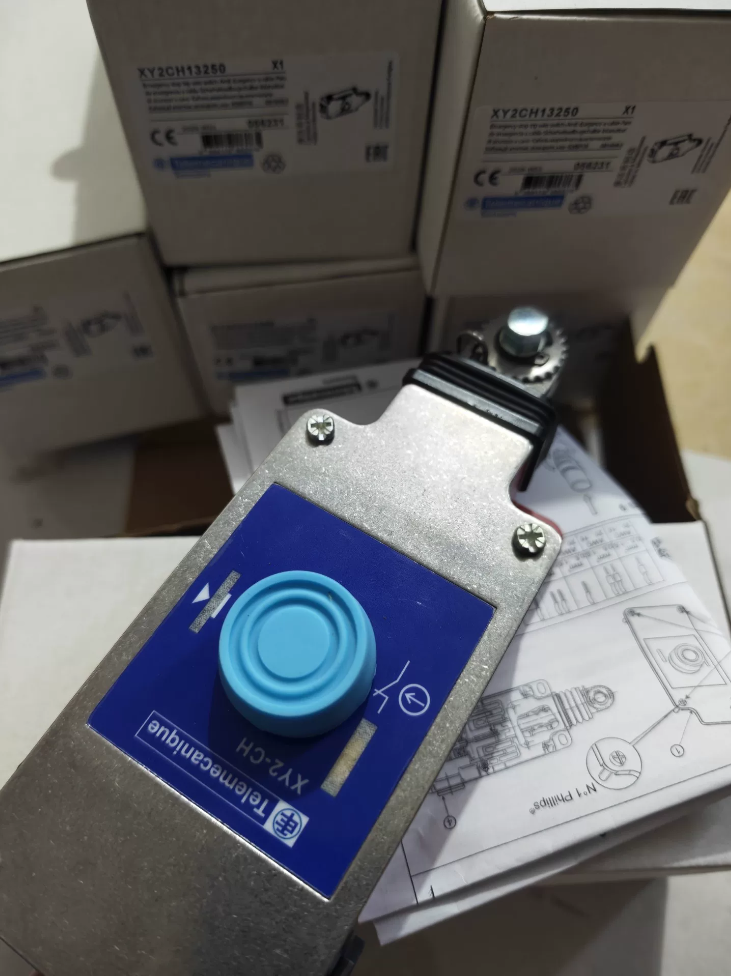

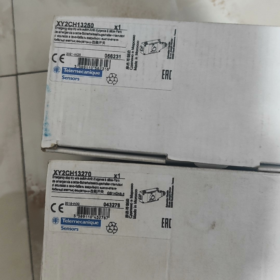
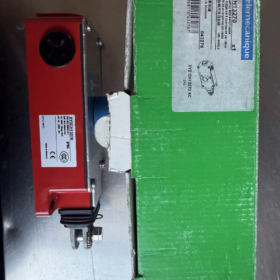
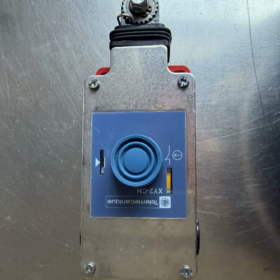
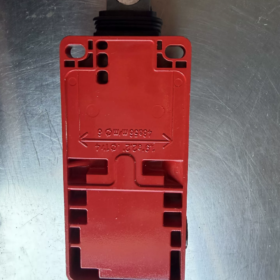
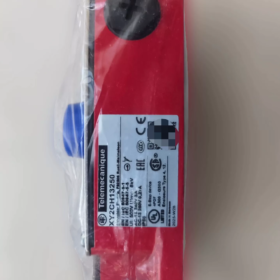
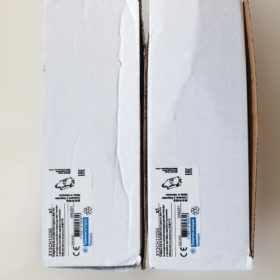
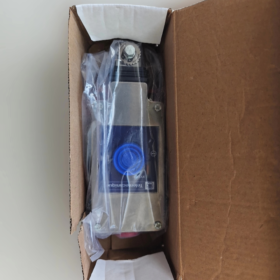
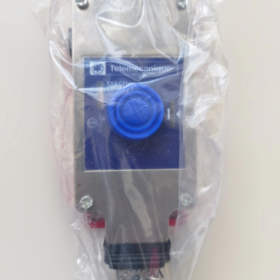
Explicación del modelo: Serie XY2CH, reinicio del botón arrancado, 1NC+1NO, sin lámpara indicadora; XY2CH13250H29 = rosca de entrada de cable cambiada a M20; la versión estándar es Pg13.5.
Comparación con XY2CH13290: 13250 cuenta con un solo contacto NC de seguridad; 13290 adopta seguridad de doble canal con dos contactos NC: esta es la principal diferencia.
Especificaciones básicas
| Artículo | Parámetro |
| Configuración de contacto | 1CAROLINA DEL NORTE (seguridad) +1NO (señal), contactos de apertura positiva de rotura lenta |
| Modo de reinicio | Reinicio mediante botón de arranque manual protegido contra el polvo; pestillos después de la activación, sin reinicio automático |
| máx.. Longitud de la cuerda | 30 metro |
| Clase de protección | IP65 |
| Material de la carcasa | Cuerpo de aleación de zinc fundido a presión de Zamak, cubierta de acero inoxidable |
| Entradas de cables | 3 ×Pág13.5; Variante del sufijo H29: 3 ×M20 |
| Par de apriete de terminales | 0.8-1,2 N·m, tamaño del conductor 0,5‑1,5 mm² |
| Resistencia mecánica | 800 000 operaciones; B10d=4000000 |
| Temperatura de funcionamiento | ‑25 ℃ ~ +70 ℃ |
| Safety Note (single‑channel hardware) | To achieve PL e / Cat.4 / SIL3, safety‑relay contact‑short‑circuit monitoring is mandatory. Direct single‑contact wiring max. achieves PL c only. |
Asignación de terminales
| Número de terminal. | Contacto | Estado (non‑actuated) | After rope‑pull actuation |
| 21-22 | NC Safety Normally‑Closed | Cerrado | Abierto (apertura positiva) |
| 13-14 | NO Signal Normally‑Open | Abierto | Cerrado |
⚠️ Crítico: Only one safety NC contact; no second hardware safety channel.
estado normal: 21-22 cerrado, 13-14 abierto. Pulling the rope triggers mechanical latching: 21-22 abre, 13-14 cierra. Restore by pressing the blue reset push-button.
Esquemas de cableado
Esquema1: High-Safety Level (PL e requires safety-relay monitoring)
- Cable 21-22 (CAROLINA DEL NORTE) to one input channel of safety relay.
- Cable 13-14 (NO) to PLC DI for alarm feedback signal.
Since the hardware provides only one NC channel, Categoría4 / PL e can only be achieved when the safety relay implements contact short-circuit monitoring. Without monitoring, El nivel de seguridad máximo alcanzable es PLc..
❗NO ponga en paralelo contactos externos; El hardware solo suministra un contacto de seguridad..
Esquema2: Equipos de uso general de bajo riesgo (PLe no satisfecho)
Cable 21-22 en serie en el circuito de parada de emergencia del equipo; 13-14 para retroalimentación de alarma.
Adecuado para transportadores ligeros de uso general. Estrictamente prohibido para sistemas transportadores de alto riesgo..
Precauciones de cableado
- Utilice sólo una entrada de cable; Coloque tapones de sellado en las dos entradas restantes no utilizadas., de lo contrario se pierde la protección IP65.
- Conecte la carcasa metálica de forma segura a la tierra de protección PE.
- Apriete los terminales estrictamente a 0,8-1,2 N·m para evitar conexiones sueltas..
Instalación Mecánica
Los requisitos de instalación mecánica son idénticos a XY2CH13290.. Consulte el manual de instalación completo a continuación.:
- Longitud máxima de cuerda 30 m; utilice cable de acero recubierto de plástico de φ3-5 mm.
- El resorte tensor de posición final es obligatorio. La rotura de la cuerda también provocará una parada de emergencia..
- La primera polea de desviación se montará a 100 mm del cuerpo del interruptor.. Instale abrazaderas de cuerda/puntos de soporte cada 5 m..
- Montar únicamente en soportes metálicos rígidos; permita que la cuerda se doble ligeramente; no la sobretensione ni permita que la cuerda se afloje excesivamente.
Puesta en marcha previa al encendido (desenergizado, prueba de multímetro)
- Reinicio completado: 21-22 cerrado, 13-14 abierto.
- Tire de la cuerda para activar el cierre: 21-22 abierto, 13-14 cerrado.
- Presione el botón de reinicio para restaurar los estados de los contactos..
- Pruebe el accionamiento en múltiples posiciones a lo largo del recorrido del cable para confirmar un disparo confiable incluso en posiciones extremas.
Comparación de modelos: XY2CH13250 frente a XY2CH13290
| Modelo | Configuración de contacto | Canal de seguridad | Aplicación típica |
| XY2CH13250 | 1NC+1NO | Monocanal | Equipos de bajo riesgo, coste optimizado; Se requiere monitoreo de relés de seguridad para una seguridad de alto nivel. |
| XY2CH13290 | 2NC+1NO | Integrado de doble canal | Cintas transportadoras, líneas de manipulación de materiales de alto riesgo; Variante preferida de la industria para entrada directa de relé de seguridad de doble canal. |
Recordatorio de selección: Preferir 13290 para cintas transportadoras y líneas de servicio pesado; 13250 es aceptable para máquinas livianas de uso general.
Modelos de reemplazo equivalentes
- Original Schneider variante: XY2CH13250H29 (Versión con rosca M20)
- Alternativas domésticas:
ELCO SR1-SN (1NC+1NO)
Schmersal ZQ700-11
Solución de problemas comunes
- Tropiezos molestos involuntarios: Tensión excesiva de la cuerda, vibración del soporte. Reducir la tensión mediante tensor.; reforzar la estructura de montaje.
- Sin actuación desde el extremo lejano: Tensión de cuerda insuficiente, poleas desviadoras agarrotadas. Ajustar la tensión; poleas de servicio.
- No se puede restablecer después de disparar: La carga de tracción persistente permanece en la cuerda.. Libere la tensión residual de la cuerda antes de presionar el botón de reinicio.
Tipo de producto: Interruptor de seguridad de parada de emergencia con enclavamiento mediante tracción por cable. Al tirar del cable de acero se activa una parada de emergencia con bloqueo mecánico; el reinicio manual es obligatorio. Aplicado a transportadores de largo recorrido., líneas de montaje, máquinas de embalaje, Cintas transportadoras y otras protecciones de seguridad de maquinaria..
Especificaciones básicas generales
| Artículo | Parámetro |
| Clase de protección | IP65 |
| máx.. Longitud de la cuerda | 30 metro |
| Resistencia mecánica | 800 000 operaciones |
| Material del cuerpo | Aleación de zinc fundido a presión de Zamak, cubierta de acero inoxidable |
| Entradas de cables | 3 ×Pág13.5 (M20 para determinadas variantes), terminales de tornillo |
| Par de terminales | 0.8-1,2 N·m |
| Clasificación de seguridad | PLe / Cat.4 / SIL3 (Requiere relé de seguridad compatible y cableado correcto.) |
| Características de contacto | descanso lento, contactos de seguridad de apertura positiva |
| Color de la carcasa | Rojo RAL3000 |
Nomenclatura del modelo & Principales variantes de XY2CH
XY2CH + sufijo numérico. El sufijo define la configuración de contacto, tipo de reinicio, Opción de lámpara piloto y especificación de rosca..
- Tipos de reinicio
131xx: Reinicio de pulsador plano
132xx: Botón de reinicio protegido contra el polvo. (tipo industrial más común)
134xx: Reinicio accionado por llave
- Configuraciones de contacto
XY2CH13250: 1NC+1NO, reinicio del botón arrancado
XY2CH13270: 2CAROLINA DEL NORTE, contactos normalmente cerrados de doble seguridad
XY2CH13290: 2NC+1NO (más popular; 2 seguridad NC+1 señal NO)
XY2CH13450: 1NC+1NO, reinicio de clave
XY2CH13293: 2NC+1NO, con lámpara piloto de 24V
Sufijo H29 = rosca de entrada de cable cambiada a M20; predeterminado = Pg13.5.
Principio de funcionamiento
- Tire del cable de acero → el mecanismo interno se cierra mecánicamente; contactos NC de seguridad positivo-abierto.
- La máquina se apaga; sin reinicio automático.
- Después de la eliminación de la falla, restablecer mediante pulsador / llave; restauración de contactos para permiso de reinicio de la máquina.
⚠️ Nota: Los extremos del recorrido del cable deben estar equipados con resortes de tracción., sujetacables y poleas desviadoras. Evite apretar demasiado o aflojar excesivamente. Se recomienda una distancia entre abrazaderas de cuerda ≤5 m.
Aplicaciones típicas
Cintas transportadoras, líneas de producción, líneas de embalaje, sistemas de clasificación, estaciones de trabajo largas, equipo de transporte minero. Los operadores pueden activar una parada de emergencia tirando de la cuerda en cualquier lugar a lo largo del tramo protegido.
Diferenciación de la serie familiar XY2C
XY2CH: Cuerpo de aleación de zinc Zamak, cubierta de acero inoxidable, longitud máxima de cuerda de 30 m, IP65, alta resistencia mecánica.
XY2CE: Carcasa de plástico, grado económico, tracción de cuerda bidireccional máx. 2×50 m.
XY2CJ: Protección IP66/IP67 de mayor grado para entornos con mucho polvo y lavados.
Repuestos de Referencia de Marca Nacional
ELCO: Interruptores de parada de emergencia con tracción por cuerda serie SR
Omrón: Interruptores de cable D4A-N
Contrinex / Schmersal: Interruptores de seguridad de tracción por cable serie ZQ
Localización de fallos generales
- Frecuentes tropezones molestos: Tensión excesiva de la cuerda, poleas agarrotadas, soportes de montaje deformados.
- Restablecimiento fallido: Mecanismo atascado; Tensión residual del cable no liberada..
- Bucle de seguridad en circuito abierto: Terminales sueltos; verificar el par de apriete 0,8-1,2 N·m.
Schneider XY2CH13290 (Interruptor de parada de emergencia de cuerda Telemecanique)
Contactos: 2NC+1NO, reinicio del botón arrancado, sin lámpara piloto; longitud máxima de la cuerda 30 m; IP65; Pg13.5 entradas de cables. Sufijo H29 = Rosca M20.
- Asignación de terminales
| Número de terminal. | Contacto Propiedad | Objetivo |
| 21-22 | NC#1 (Seguridad normalmente cerrada1) | Canal de bucle de seguridad 1, apertura positiva |
| 31-32 | NC#2 (Seguridad normalmente cerrada2) | Canal de bucle de seguridad 2, apertura positiva |
| 13-14 | NO (Normalmente abierto) | alarma PLC / señal de retroalimentación de estado |
Estado no accionado: 21-22 cerrado, 31-32 cerrado, 13-14 abierto.
Cierre por cuerda: 21-22 y 31-32 abrir simultáneamente; 13-14 cierra. Restablecer solo mediante pulsador local azul.
- Esquemas de cableado
EsquemaA: Conexión del relé de seguridad (lograr PLe / Cat.4 / SIL3: recomendado)
- Alimenta canales NC duales independientes 21-22 y 31-32 por separado en entradas de relé de seguridad de dos canales. Nunca cortocircuite externamente los dos contactos NC; esto invalida la clasificación de seguridad..
- Cable 13-14 Contacto NA a entrada digital PLC para alarma activada por tracción de cable.
- Par de apriete de terminales: 0.8-1.2 Nuevo Méjico. Conductor: 0.34-1 mm² monofilar / máx. 0,75 mm² para paralelo de dos hilos.
- Prensaestopas: 3 ×Pág13.5; usa uno solo; selle los dos restantes con tapones ciegos para preservar IP65.
Esquema B: Cableado autónomo simplificado (PLe no satisfecho, solo para función de parada básica)
Conecte ambos contactos NC en serie al circuito de parada de emergencia.; NO para salida de alarma. No se puede alcanzar la categoría 4; sólo para maquinaria de bajo riesgo.
⚠️ Importante: Este es un dispositivo bloqueado mecánicamente.. NO se reiniciará automáticamente después de accionar la cuerda.; Se requiere reinicio manual con botón pulsador..
- Puntos clave de instalación mecánica
- Cable de acero: φ3-5mm recubierto de plástico; longitud total máxima30m; Coloque resortes de tensión en ambos extremos..
- Rope clamps: install every ≤ 5 m; add deflection pulleys to prevent rope-to-housing friction.
- Rope tension: avoid over-tightening (nuisance tripping) and excessive slack; permit minor sag.
- Soporte de montaje: rigid metal construction; no flexible supports. Switch can accept rope entry from left or right side.
- Temperatura ambiente: −25 ℃ ~ +70 ℃.
- Dimensiones generales (milímetros)
Cuerpo: W 68 × H 95 × D 201 (including reset button and rope-pull lever mechanism)
Orificios de montaje: two M8 mounting holes on both sides.
- Original Schneider Equivalent-variant Selection Table
| Modelo | Contactos | Reiniciar | Cable‑entry Thread | Observaciones |
| XY2CH13270 | 2CAROLINA DEL NORTE | Booted push‑button | Pg13.5 | Pure dual‑safety‑channel, no NO signal contact |
| XY2CH13250 | 1NC+1NO | Booted push‑button | Pg13.5 | Single safety channel |
| XY2CH13293 | 2NC+1NO | Booted push‑button | Pg13.5 | With 24 V pilot lamp |
| XY2CH13490 | 2NC+1NO | Key‑reset | Pg13.5 | Key‑unlock required for reset |
| XY2CH13290H29 | 2NC+1NO | Booted push‑button | M20 | Thread changed to M20 |
- Pin-to-pin Compatible Domestic Replacements
- Schmersal ZQ900-22 (2NC+1NO, reinicio del botón)
- ELCO SR2-SN (2NC+1NO)
- Contrinex SN21-RPL-30M
Recordatorio de reemplazo: Verificar la configuración de contacto, tipo de reinicio, longitud máxima de la cuerda y grado de protección.
- Solución de problemas
- Frecuentes tropezones molestos: Tensión excesiva de la cuerda, poleas agarrotadas, soportes deformados, vibración pesada de la máquina. Reducir la tensión de la cuerda; inspeccionar poleas de deflexión.
- No se puede restablecer después de disparar: La tensión residual del cable mantiene el mecanismo bloqueado. Libere la tensión de la cuerda antes de presionar el botón de reinicio.
- Circuito de seguridad abierto intermitente: Terminales con poco torque. Vuelva a apretar los terminales a 0,8-1,2 N·m; volver a engarzar conductores.
- Daños por entrada de agua: Entradas de cables no utilizadas no selladas con tapones ciegos.
Guía de operación de instalación completa para interruptores de parada de emergencia de tracción por cuerda Schneider serie XY2CH
Modelos aplicables: XY2CH13290, XY2CH13270, XY2CH13250 etc.. Cumple con EN/ISO13850, IEC60947-5-5, Directivas de seguridad de maquinaria.
⚠️ Condición previa de seguridad: Realizar toda la instalación, cableado y puesta en marcha con el equipo desenergizado bajo Lock-Out-Tag-Out (CORAZÓN). Este es un interruptor de cuerda de tipo tensión.; se requiere una tensión previa adecuada. La rotura de la cuerda también activará la protección de parada de emergencia..
- Preparación previa a la instalación
1.1 Herramientas & Lista de accesorios
| Categoría | Contenido |
| Herramientas | llave M8/M6, destornillador de estrella, destornillador dinamométrico, multímetro, cortadores de alambre |
| Accesorios obligatorios | Cable de acero recubierto de plástico de φ3‑5 mm, abrazaderas de cuerda, poleas de desvío, resorte de tensión de posición final (obligatorio), tensor, soportes de montaje de metal rígido, tapones ciegos de sellado |
| Cables electricos | 0.34-Cables de control de 1 mm²; par terminal0,8‑1,2N·m; Conductor de tierra de protección PE para carcasa metálica |
1.2 Verificación Ambiental
- Temperatura de funcionamiento: −25 ℃ ~ +70 ℃; Clasificación IP65. Evite lugares muy corrosivos y de alto impacto.
- Longitud máxima efectiva protegida por cuerda 30 m. Instale un interruptor de tracción de cable adicional si el alcance excede este límite..
- Altura del cable operativo sobre el suelo: 0.6-1.1 metro, fácilmente accesible por el personal; No hay obstáculos que obstruyan el camino de la cuerda..
- Todos los soportes de montaje deben ser de metal rígido.. hoja delgada / Los soportes flexibles están prohibidos.; La vibración provocará una activación falsa..
- Procedimiento de montaje del cuerpo mecánico
- Asegure el cuerpo del interruptor
Sujete con pernos M8 a través de los dos orificios de montaje laterales al marco rígido de la máquina.; par de apriete4N·m. Alinear la dirección de salida del cable del interruptor con el recorrido del cable; no gire el mecanismo de palanca de tracción de la cuerda.
Mantenga una distancia de 100 mm entre el cuerpo del interruptor y el primer punto de soporte de desviación.. Una distancia mayor provoca una carrera de actuación insuficiente.
- Montar poleas desviadoras
Coloque poleas desviadoras allí donde la cuerda cambie de dirección.. Suma total del ángulo de deflexión ≤180°. Se prohíben las curvas pronunciadas y los dobleces bruscos..
Instalar soporte / conjuntos de abrazaderas de cuerda cada 5 m a lo largo de tramos rectos para limitar la flexión de la cuerda.
Las poleas girarán libremente sin atascarse.. La cuerda no debe rozar contra los marcos o recintos de la máquina..
- Cable de acero & conjunto de resorte final (paso crítico)
1) Conecte un extremo de la cuerda al ojal para tirar de la cuerda XY2CH..
2) Pase la cuerda a través de todas las poleas de desviación..
3) Monte el resorte tensor de posición final en el extremo más alejado del cable.. Anclar el extremo opuesto del resorte al marco rígido de la máquina.. La omisión de este resorte es un gran peligro para la seguridad: tirar hacia el interruptor no activará la parada de emergencia..
4) Asegure la cuerda con al menos dos abrazaderas. No sujete sobre la zona de transición de extracción de la funda..
5) Ajuste la tensión total de la cuerda mediante tensor.: Mantenga la cuerda moderadamente tensa con una ligera flexión.. No apriete demasiado; no permita una holgura excesiva.
Sobretensión: disparos molestos inducidos por vibraciones. Bajo tensión: no hay actuación fiable desde posiciones extremas.
- Verificación de aceptación mecánica
Cuerda libre de torsión, torceduras y abrasión. Evite pelar la funda en áreas grandes para evitar la corrosión..
El movimiento de recorrido completo de la cuerda es suave y sin ataduras..
Verificar: La rotura de la cuerda provocará la retracción del resorte y activará la parada de emergencia..
- Procedimiento de cableado eléctrico
Terminales XY2CH13290: 21-22 NC1; 31-32 NC2; 13-14 NO. La carcasa metálica incluye terminal de tierra PE. La carcasa debe estar conectada de forma segura a la tierra de protección PE.
- Retire los cuatro tornillos de la tapa y abra la carcasa..
- Manejo de entrada de cables:
Unidades estándar: 3 ×Pg13.5 entradas roscadas; variante H29: M20.
Utilice sólo una entrada para el paso del cable de control.. Apriete los tapones ciegos originales en las otras dos entradas no utilizadas. (par1N·m). La falla destruye la protección IP65 y provoca la entrada de agua.
- Cableado de terminales (para PLe / Cat.4 / Bucle de seguridad SIL3):
Alimentación de contactos NC de seguridad dual 21-22 y 31-32 en entradas separadas de dos canales de relé de seguridad. Nunca cortocircuite externamente los dos contactos NC: se perderá la clasificación de seguridad..
Cable 13-14 Contacto NA a entrada de PLC para señal de alarma de gatillo de tracción de cuerda.
Sección del conductor: un solo cable 0,34-1 mm²; máx. 0,75 mm² para paralelo de dos hilos. Par de apriete de terminales 0,8-1,2N·m.
- Conecte el cable de protección a tierra de PE al terminal de tierra de la carcasa para protección EMC y contra riesgos de descargas eléctricas..
- Vuelva a colocar la cubierta y apriete uniformemente los cuatro tornillos de la cubierta..
❗Cableado simplificado (no apto para maquinaria de alto riesgo): Conecte en serie ambos contactos NC al circuito de parada de emergencia de uso general. Esto proporciona solo una función de parada básica y no alcanza la clasificación de seguridad de Categoría 4.. Sólo para equipos de bajo riesgo.
- Puesta en marcha estática previa al encendido (desenergizado, mediciones multímetro)
- Estado normal de reinicio completado
Lecturas del multímetro: 21-22 cerrado, 31-32 cerrado; 13-14 abierto.
- Tire manualmente de la cuerda para activar el cierre mecánico.
Lecturas del multímetro: 21-22 abierto, 31-32 abierto; 13-14 cerrado.
El enganche se mantiene; los contactos no se recuperarán automáticamente.
- Presione el botón de reinicio de arranque azul; los contactos vuelven al estado inicial.
- Simule la actuación en múltiples posiciones a lo largo del recorrido del cable: cerca del interruptor, tramo medio y extremo. En cada posición debe producirse un accionamiento de enclavamiento fiable.
Mala actuación en el extremo lejano: reduzca la tensión de la cuerda o revise si hay poleas atascadas.
- Simular rotura de cuerda: la retracción del resorte debe activar el bloqueo de parada de emergencia.
- Prueba funcional de máquina en vivo
- Energizar la máquina y el sistema de relés de seguridad..
- Prueba1: Tirar de la cuerda cerca del interruptor → parada controlada de la máquina; indicación de fallo del relé de seguridad. Se requiere reinicio manual en el cuerpo del interruptor Y reinicio del relé de seguridad antes de reiniciar la máquina.. No se permite el encendido automático después de la restauración del suministro..
- Prueba2: Tire de la cuerda en las posiciones media y extrema del tramo. Confirmar la parada de emergencia controlada en todos los puntos.
- Prueba3: Verificar la señal de alarma del PLC (13-14 NO) informa correctamente los eventos de activación de cuerda.
- Criterios de aceptación de instalación
- Mecánico: Soportes de montaje rígidos, poleas de marcha libre, resortes de tensión intactos, tensión correcta de la cuerda, sin interferencias mecánicas ni fricción.
- Protección: Todas las entradas de cables no utilizadas selladas con tapones ciegos.; tornillos de la tapa apretados; Conexión PE-tierra intacta.
- Eléctrico: Contactos NC de doble canal alimentados independientemente a las entradas del relé de seguridad (sin cortocircuito externo). Secuencias de prueba del multímetro totalmente compatibles.
- Funcional: Parada de emergencia con pestillo confiable desde cualquier posición del tramo del cable; reinicio solo manual; La rotura de la cuerda activa la parada de emergencia..
- Tabla de localización de fallos relacionados con la instalación
| Fenómeno de falla | Causa principal | Acción correctiva |
| Disparo aleatorio sin control | Tensión excesiva de la cuerda; poleas vibratorias / paréntesis; rigidez insuficiente del bracket | Reducir la tensión mediante tensor.; reforzar soportes; servicio de poleas agarrotadas |
| Sin actuación desde posiciones de cable del extremo más alejado | Tensión de cuerda insuficiente; distancia excesiva al primer punto de apoyo; poleas agarrotadas | Ajustar la tensión de la cuerda; establecer el primer soporte a 100 mm; reparar poleas |
| No se puede restablecer después de disparar | La carga de tracción persistente permanece en la cuerda. | Libere la tensión residual de la cuerda antes de presionar el botón de reinicio |
| Continuidad intermitente del bucle de seguridad | Terminales con poco torque, conductores sueltos | Vuelva a apretar los terminales a 0,8‑1,2 N·m; reterminar conductores |
| Daños en el dispositivo provocados por el agua | Entradas de cables no utilizadas sin tapones ciegos | Coloque tapones de sellado originales en todas las entradas roscadas no utilizadas. |
- Requisitos de mantenimiento periódico (documentarse en el manual de mantenimiento de la máquina)
- Inspección visual semanal: abrasión de la cuerda, abrazaderas de cuerda sueltas, resortes deformados, soportes de montaje sueltos.
- Prueba mensual de funcionalidad completa: Activar parada de emergencia en múltiples posiciones del tramo del cable..
- Inspección trimestral: Vuelva a verificar el torque del terminal y la integridad de tierra PE.; inspeccionar el desgaste de la funda del cable.
- Reemplace inmediatamente el cable de acero si se observa rotura del hilo o daño en la funda..
Nota complementaria: XY2CH no debe tratarse como un interruptor de límite de uso general.. El anclaje permanente del cable sin resorte de tracción en la posición final constituye una violación grave de la seguridad.


NH42-63-318x560.png "Interruptores de transferencia automática tipo PC CHINT (ATS)NH42-63/4SZ")