Contattore,interruttore automatico,sensore,Codificatore,PLC,Convertitore

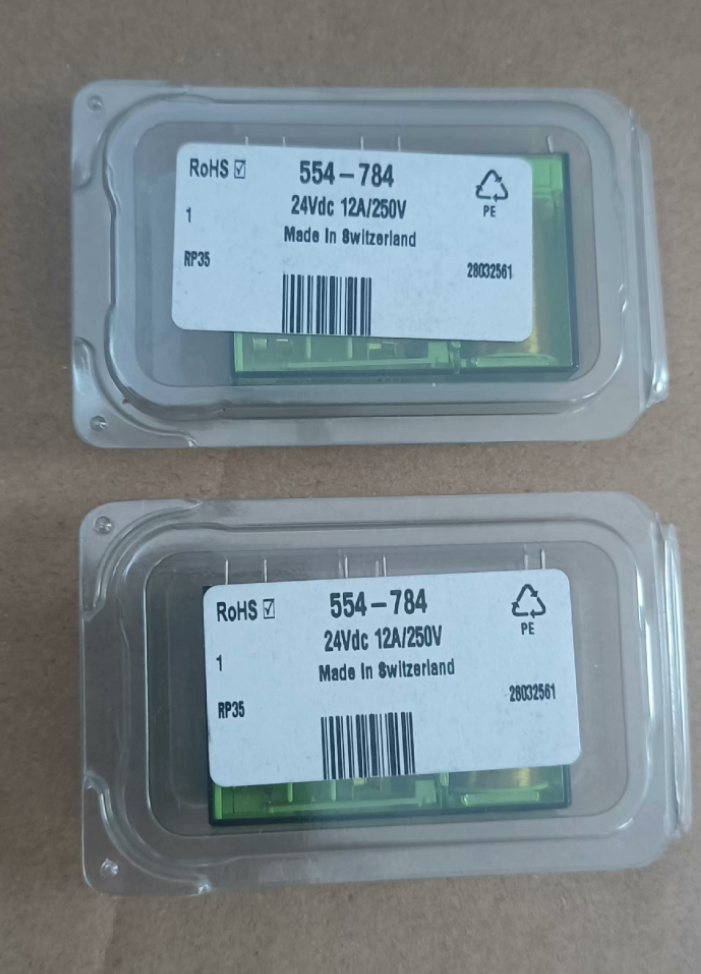

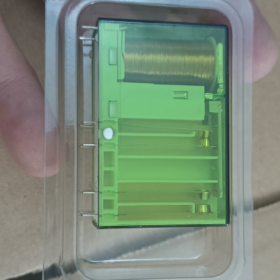
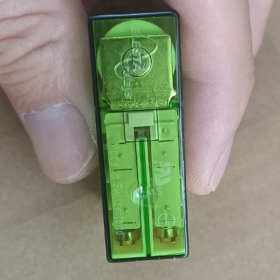
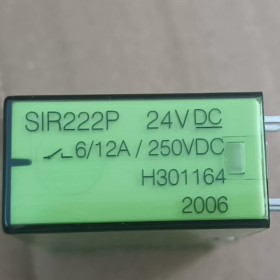
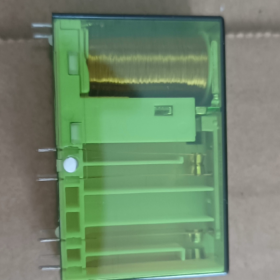
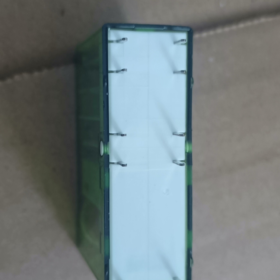
ELESTA (Marchio svizzero dei relè di sicurezza sotto Fungo) SIR4 Power per montaggio su circuito stampato ad alta corrente relè di sicurezza
- SIGNORE: Relè di sicurezza serie SIR4 con contatti a guida forzata
- 222: Configurazione dei contatti: 2 Normalmente aperto (NO) + 2 Normalmente chiuso (NC) (struttura di sicurezza bipolare a doppio lancio)
- P: Versione ad alta corrente nominale per carico di 12 A (lo standard SIR222 è 10 A)
Specifiche della bobina di serie standard:
SIR222P 24 Vcc (corrente principale, codice articolo H301164, resistenza bobina 760Ω)
SIR222P 12 Vcc (codice articolo H301192)
Sono disponibili tensioni della bobina personalizzate: 5/6/18/48/110VCC
Certificazioni di sicurezza fondamentali
Conforme alla norma CEI 61810-3 Contatti a guida forzata di tipo A e standard di sicurezza macchinari EN50205. Applicabile a macchine utensili e circuiti di sicurezza automatizzati per soddisfare i requisiti di monitoraggio dei guasti dei contatti di sicurezza.
- Dimensioni meccaniche & Montaggio
Dimensioni complessive: 46.4(l) × 16(W) × 30.7(H) mm
Montaggio: Saldatura PCB a foro passante (14-impronta del perno)
Peso: ca. 32G
Alloggiamento: PC ignifugo antipolvere verde trasparente, consente l'ispezione visiva dello stato della bobina e dei contatti
Passo dei pin a foro passante standard per il montaggio su PCB; compatibile con prese PCB dedicate
- Parametri elettrici della bobina (DC)
| Articolo | Valore del parametro |
| Potenza nominale della bobina di eccitazione | 0.75W |
| Mantenimento del consumo energetico | 0.23W (bloccaggio a bassa potenza, bassa generazione di calore) |
| 24Resistenza della bobina VCC | 760Ω±10% |
| Intervallo di tensione di pull-in | 70%~110% della tensione nominale (CC 16,8~26,4 V) |
| Tensione di caduta | ≤10% E |
| Tensione di tenuta dielettrica (bobina ai contatti) | 2500V CA per 1 minuto |
| Protezione della bobina | Diodo di ricircolo incorporato (impedisce la rottura inversa delle bobine CC) |
- Valori elettrici dei contatti principali (2Collegamento forzato di sicurezza NO+2NC)
4.1 Capacità di carico (Vantaggio ad alta corrente di SIR222P)
Corrente nominale continua: 12UN / 250VCA (Carico resistivo AC1)
Corrente di picco di spunto: Massimo. 60UN (20SM, adatto per l'avviamento induttivo di motori e contattori)
Intervallo di tensione di commutazione: CA 5~480 V / CC 5~250 V
Capacità di commutazione nominale: 3000VA
Carico di commutazione affidabile minimo: 5mA / 5V (nessun attaccamento per circuiti con segnale debole)
Materiale di contatto: Ossido di stagno argento AgSnO2, resistente all'arco elettrico e antisaldatura
4.2 Caratteristica principale della progettazione di sicurezza a guida forzata (Distinzione dai relè standard)
Collegamento meccanico forzato: I contatti NO e NC all'interno dello stesso canale non possono mai condurre contemporaneamente
Logica di monitoraggio: I circuiti di sicurezza sono in grado di rilevare segnali di feedback NC per valutare i difetti di saldatura dei contatti
Tensione di tenuta dielettrica tra i contatti: 4000VCA; tensione di tenuta a contatto aperto: 1500VCA
Distanza superficiale del contatto: ≥10mm tra bobina e contatti di uscita; ≥8 mm tra due banchi di contatti di uscita per una migliore protezione dell'isolamento
4.3 Valutazioni della durata di servizio
Vita meccanica: 10 milioni di operazioni in condizioni di assenza di carico
Vita elettrica (12A/250VAC resistivo): 250,000 operazioni
Resistenza di contatto di fabbrica: ≤100mΩ (testato a 6 V/100 mA)
- 14-Definizione della piedinatura dei pin (Layout serigrafico superiore standard)
Perni della bobina (Lato guida)
13(+), 14(-): Terminali positivi e negativi della bobina CC con diodo incorporato. Collegare 14 a 0 V e 13 a DC24V.
Due banche di contatto di sicurezza indipendenti (1NO+1NC per bancata con collegamento forzato)
Canale 1 (Banca di primo contatto)
1: COM1 comune | 2: NC Normalmente Chiuso | 3: NONormalmente aperto
Canale 2 (Seconda Banca di Contatto)
4: COM2 comune | 5: NC Normalmente Chiuso | 6: NONormalmente aperto
Pins 7~12 are unoccupied locating pins with no electrical connections.
- Environmental Operating Parameters
Temperatura operativa: -40℃ ~ +70 ℃
Temperatura di conservazione: -40℃ ~ +85 ℃
Umidità: 5%~95% RH non-condensing
Vibrazione / Resistenza agli urti: IEC60068 industrial equipment grade, suitable for machine tool and production line control cabinets
- Scenari applicativi tipici (Dedicated for Safety Circuits)
- Dual-channel monitoring for machine safety door and emergency stop circuits (NC contacts detect welding faults)
- Safe cut-off circuits for inverter and servo enable signals
- Output expansion for safety light curtains and safety mats on automated production lines
- Safety control circuits for rail transit, medical equipment and lifts
- High-current output expansion for PLCs (direct drive of contactors and solenoid valves up to 12A)
- Equipment fault diagnosis feedback (self-inspection of contact adhesion via NC contacts)
- Cross-Series Model Selection Comparison Table
| Modello | Configurazione dei contatti | Continuous Current | Potenza della bobina | Scenario applicativo |
| SIR222P | 2NO+2NC | 12UN | 0.75W | Circuiti di sicurezza ad alta corrente, pilotaggio del contattore (modello primario consigliato) |
| SIR222 | 2NO+2NC | 10UN | 0.6W | Circuiti di sicurezza del segnale a media/bassa corrente |
| SIR312P | 3NA+1NC | 12UN | 0.75W | Monitoraggio multi-uscita a canale singolo |
| SIM222 | 2NO+2NC | 8UN | 1W | Relè di sicurezza compatto a basso carico |
- Matrice di risoluzione dei problemi
| Fenomeno di guasto | Causa ultima | Soluzione |
| Bobina eccitata ma i contatti NA non si chiudono | 1. Polarità della bobina invertita; 2. Tensione di alimentazione di seguito 70% tensione nominale; 3. Bobina bruciata | Scambia i pin 13 E 14; Misurare la tensione di alimentazione CC; Sostituire il relè |
| I contatti NO rimangono chiusi dopo lo spegnimento, I contatti NC non possono chiudersi (fallimento critico della sicurezza) | La corrente di carico supera 12 A; ripetuti contatti di saldature ad arco pesanti | Ridurre il carico o aggiungere un relè intermedio; Installa il nuovissimo SIR222P |
| Entrambi i contatti NC e NA conducono durante l'ispezione di sicurezza | Struttura meccanica guidata forzatamente danneggiata; il relè non può essere riparato | Sostituire immediatamente; vietarne l'ulteriore utilizzo nei circuiti di sicurezza |
| Forte caduta di tensione di contatto e surriscaldamento | Saldatura PCB scadente; carico quasi completo a lungo termine di 12 A | Risaldare i pin del PCB; Contatti aggiuntivi paralleli per la condivisione corrente |
| La bobina non mostra alcuna azione di pull-in | Circuito aperto sui pin 13/14; Nessuna uscita di alimentazione | Ispezionare il circuito di alimentazione e i giunti di saldatura del PCB per verificare la presenza di collegamenti aperti |
- Installazione obbligatoria & Divieti di utilizzo
- Il monitoraggio della sicurezza del contatto NC non deve essere omesso: I dispositivi di sicurezza devono leggere i segnali di feedback NC; in caso contrario si perde la protezione antisaldatura.
- Il carico resistivo a lungo termine non deve superare i 12 A; si consiglia di declassare i carichi induttivi a 8 A.
- Le bobine CC non devono essere energizzate con polarità invertita per periodi prolungati (il diodo integrato fornisce solo una protezione transitoria una tantum; la tensione inversa sostenuta brucia la bobina).
- Vietare il funzionamento continuo a pieno carico superiore a 70 ℃ in armadi sigillati; è necessario riservare uno spazio sufficiente per la dissipazione del calore.
- Non mettere in parallelo i contatti di relè diversi per l'espansione di corrente; il carico a canale singolo non può superare la corrente nominale di un contatto.
- È consentito solo il montaggio mediante saldatura su PCB; evitare piegature violente o ripetuti collegamenti/scollegamenti dei pin.
- Lista di imballaggio standard
1 × Unità relè SIR222P
- Scheda dati di sicurezza originale del produttore, Documenti di certificazione di sicurezza TÜV/CE
- Quantità confezione standard: 15 pezzi per scatola
Manuale applicativo per relè di sicurezza a guida forzata ELESTA SIR222P
Versione del documento: V1.0|Modelli applicabili: SIR222P-24 V CC (corrente principale), SIR222P-12 V CC
Marca: ELESTA (Svizzera)|Norme di sicurezza: CEI 61810-3 Contatti a guida forzata di tipo A, EN50205, Progettazione del circuito di sicurezza conforme a ISO13849
Sommario
- Panoramica del prodotto & Spiegazione del codice modello
- Specifiche elettriche complete
- Definizione della piedinatura & Specifiche di cablaggio standard
- 4 Schemi di cablaggio industriale standard (Compresi i circuiti di sicurezza)
- Montaggio su circuito stampato, Saldatura & Standard di installazione meccanica
- Carica selezione & Linee guida per il declassamento
- Regole fondamentali per la progettazione dei circuiti di sicurezza (Requisiti per i contatti a guida forzata)
- Messa in servizio all'accensione & Procedure di test funzionali
- Matrice di risoluzione dei problemi
- Installazione obbligatoria & Divieti di utilizzo
- Confronto di modelli alternativi tra serie
- Confezione & Documenti di certificazione
- Panoramica del prodotto & Spiegazione del codice modello
1.1 Codice modello SIR222P
SIGNORE: Relè di sicurezza a guida forzata serie SIR4 Power, montaggio su PCB
222: Struttura dei contatti: 2NO + 2NC, due banchi indipendenti di contatti 1NO+1NC ad inserzione forzata
P: Versione ad alta corrente con portata continua di 12 A AC1 per contatto (lo standard SIR222 è solo 10A)
1.2 Caratteristiche principali di sicurezza (Distinzione dai relè ordinari)
- Struttura meccanica a guida forzata: I contatti NO e NC all'interno di un canale non possono mai condurre contemporaneamente. Se i contatti si saldano, chiuderli, i contatti opposti accoppiati rimangono aperti per consentire la diagnosi dei guasti.
- Tensione di tenuta dielettrica bobina-contatto: 2500VCA; isolamento tra i contatti: 4000VCA. Le distanze superficiali soddisfano i criteri di isolamento di sicurezza.
- Contatti AgSnO2 in ossido di stagno argento con sottile placcatura in oro, antiarco e antisaldatura, compatibile sia con carichi ad alta corrente che con rilevamento di segnali deboli.
- Diodo di ricircolo della bobina incorporato (dedicato per bobine CC per prevenire la rottura della tensione inversa).
1.3 Livelli di prestazione di sicurezza applicabili
Adatto per PLd / Cat.3, Circuiti di interruzione di sicurezza SIL2. Il design ridondante a doppio canale raggiunge Cat.4 / Per favore.
- Specifiche elettriche complete
2.1 Parametri della bobina (DC)
| Articolo | SIR222P-24 V CC | SIR222P-12 V CC |
| Potenza di attrazione nominale | 0.75W | 0.75W |
| Mantenimento del consumo energetico | 0.23W | 0.23W |
| Resistenza della bobina CC | 760Ω±10% | 190Ω±10% |
| Intervallo di tensione di pull-in | 70%~110% E (16.8~26,4 V CC) | 8.4~13,2 VCC |
| Tensione di caduta | ≤10% E | ≤10% E |
| Protezione inversione di marcia della bobina | Diodo di ricircolo incorporato (Perno13+, Perno14-) | Diodo di ricircolo incorporato |
| Tensione di tenuta dielettrica della bobina | 2500V CA per 1 minuto | 2500V CA per 1 minuto |
2.2 Contatta i coefficienti di carico (Per canale 1NO/1NC)
- AC1 resistivo: 12UN / 250VCA, capacità di commutazione massima 3000VA
- AC15 induttivo (contattori / elettrovalvole): 8UN / 250VCA (declassamento obbligatorio)
- DC13 induttivo: 5UN / 24VCC
- Corrente di picco: 60UN (breve durata 20ms)
- Carico di commutazione affidabile minimo: 5mA / 5V (nessun contatto scadente per segnali di feedback deboli del PLC)
- Materiale di contatto: AgSnO2 con placcatura in oro 0,2~0,4μm
- Resistenza di contatto di fabbrica: ≤100mΩ (6Condizione di prova V/100 mA)
2.3 Valutazioni della durata di servizio
Vita meccanica (nessun carico): 10 milioni di operazioni
Vita elettrica (12A/250VAC resistivo): 250,000 operazioni
Vita elettrica (8Un carico induttivo): 100,000 operazioni
2.4 Ambientale & Parametri meccanici
Dimensioni complessive: 46.4(l)×16(W)×30,7(H)mm, 14-montaggio su PCB con foro passante perno
Peso: 32G
Temperatura operativa: -40℃ ~ +70 ℃ (maggiore dissipazione del calore richiesta per il pieno carico a 70 ℃)
Temperatura di conservazione: -40℃ ~ +85 ℃
Umidità: 5%~95% RH non-condensing
Resistenza alle vibrazioni: 10~55Hz, 1.5mm ampiezza per 2 ore su ciascuno dei tre assi
Alloggiamento: PC trasparente verde ignifugo per ispezione visiva a contatto
- Definizione della piedinatura (Vista serigrafica superiore, Impronta PCB standard)
3.1 Perni di trasmissione della bobina
13: Bobina positiva DC+
14: CC negativa della bobina(catodo del diodo incorporato; è vietata la connessione inversa sostenuta)
3.2 Due banche di contatto indipendenti a guida forzata (COM+NC+NO per banca)
Canale 1 (Prima Banca di Contatto per la Sicurezza)
1: COM1 comune
2: NC1 Normalmente Chiuso (contatto di feedback del collegamento forzato)
3: NO1 Normalmente aperto (uscita di potenza principale)
Canale 2 (Seconda banca di contatto per la sicurezza)
4: COM2 comune
5: NC2 Normalmente Chiuso (contatto di feedback del collegamento forzato)
6: NO2 normalmente aperto (uscita di potenza principale)
3.3 Perni non occupati
Perni 7,8,9,10,11,12: Individuazione del solo rinforzo, nessun collegamento elettrico, cablaggio vietato.
3.4 Logica del collegamento forzato (Principio fondamentale di sicurezza)
Bobina diseccitata (stato aperto): I pin 2-NC1 e 5-NC2 conducono; I pin 3-NO1 e 6-NO2 sono aperti
Bobina eccitata (stato tirato dentro): I pin 2-NC1 e 5-NC2 sono aperti; I pin 3-NO1 e 6-NO2 conducono
Regola del giudizio di colpa: Se i contatti NC rimangono chiusi dopo l'eccitazione della bobina → contatti NA chiusi saldati; il circuito di sicurezza attiva il guasto e l'arresto dell'apparecchiatura.
- Quattro schemi di cablaggio industriale standard
Schema 1: Circuito di interruzione di sicurezza a doppio canale (Arresto di emergenza / Porta di sicurezza, Più comune)
Descrizione della funzione
Due contatti NO indipendenti interrompono i segnali di abilitazione del servo/inverter; due contatti NC si collegano al PLC per il monitoraggio dei guasti di saldatura dei contatti, conforme ai requisiti di sicurezza ISO13849 Cat.3.
Passaggi di cablaggio
- Trasmissione a bobina: Uscita PLC 24V+ → Pin13; 0V → Pin14
- Circuito di uscita di potenza (due percorsi di disgiunzione indipendenti, connessione parallela vietata)
Canale 1: 24Alimentazione VCA/CC → COM1(Perno1); NO1(Perno3) → Bobina di abilitazione servo 1
Canale 2: 24Alimentazione VCA/CC → COM2(Perno4); NO2(Perno6) → Bobina di abilitazione servo 2
- Monitoraggio del feedback dei guasti (Contatti NC cablati all'ingresso digitale del PLC)
NC1(Perno2) e NC2(Perno5) cortocircuitati insieme e collegati all'ingresso PNP del PLC; Logica PLC: I contatti NC devono aprirsi quando il relè si inserisce. La conduzione continua indica la saldatura dei contatti e blocca l'avvio dell'apparecchiatura.
Norma di sicurezza obbligatoria
Due carichi di uscita devono essere indipendenti. Il collegamento parallelo di NO1 e NO2 per l'espansione di corrente distrugge il design di sicurezza ridondante a doppio canale.
Schema 2: Espansione dell'uscita ad alta corrente PLC (Elettrovalvola / Azionamento del contattore)
Ambito di applicazione
Corrente di uscita a punto singolo PLC ≤ 0,5 A, insufficiente per l'azionamento diretto di elettrovalvole da 10A; SIR222P espande la capacità di corrente dei contatti.
- Bobina: L'uscita PLC guida i pin 13/14 (24VCC)
- Cavo sotto tensione del circuito principale AC220V → COM1(Perno1), COM2(Perno4)
- NO1(Perno3) e NO2(Perno6) parallelo alla bobina del solenoide (parallelo consentito per carichi resistivi, non consigliato per carichi induttivi)
- Contatti NC non utilizzati o collegati alla spia di allarme (la luce si accende quando il relè è diseccitato)
Schema 3: Circuito di autodiagnosi dell'apparecchiatura (Espansione uscite barriera fotoelettrica di sicurezza)
- Segnali NC a doppio canale dalla barriera fotoelettrica di sicurezza cablata in serie alla bobina del relè di comando Pin 13/14
- Due contatti NO interrompono l'alimentazione del contattore principale; due contatti NC forniscono lo stato del contatto in tempo reale al PLC
- Logica: Tenda bloccata → bobina diseccitata → contatti NO aperti e macchina ferma; Se i contatti NC rimangono chiusi con la barriera non ostruita, viene rilevato un danno al contatto del relè e si attiva l'interblocco allarme.
Schema 4: Segnale debole misto & Circuito ad alta corrente (Isolamento del canale di contatto)
- Contatti NO del canale 1: Guida contattori AC220V ad alta corrente
- Contatti NC del canale 2: Alimenta un segnale di feedback debole da 5 V alle porte IO dell'MCU (i contatti placcati in oro garantiscono prestazioni di contatto stabili a bassa corrente)
Divieto: Non condividere un banco di contatti sia per carichi induttivi ad alta corrente che per segnali deboli a 5 V; la formazione di archi contamina le superfici di contatto e causa guasti intermittenti di segnale debole.
- Montaggio su circuito stampato & Standard di saldatura
5.1 Requisiti di progettazione del pad PCB
Diametro del foro del perno: 1.3mm, diametro pastiglia ≥2,2 mm
Layout standard del passo dei pin compatibile con tutti i relè a 14 pin
Tracce di rame più larghe per pin ad alta corrente COM/NO/NC; spessore del rame ≥35μm, larghezza della traccia ≥5mm per carichi 12A
5.2 Specifiche del processo di saldatura
- Temperatura di picco della saldatura ad onda ≤260℃, durata del contatto ≤4s; temperatura del ferro da stiro a mano ≤350 ℃, tempo di saldatura a pin singolo ≤3 s
- È vietato il riscaldamento prolungato ad alta temperatura dei perni, poiché scioglie i supporti plastici a contatto interno
- I giunti di saldatura devono essere completamente riempiti senza saldatura a freddo o ponti tra i pin adiacenti
- Pulire i residui di flusso dopo la saldatura per evitare perdite e correnti di dispersione
5.3 Requisiti di dissipazione del calore
Funzionamento continuo completo a 12 A: Aumentare l'area di dissipazione del calore della traccia di rame del PCB; temperatura ambiente dell'armadio ≤60℃
Temperatura ambiente di 70 ℃: Il carico deve essere declassato a ≤8A
- Carica selezione & Standard di declassamento
| Tipo di carico | Corrente nominale consentita | Spiegazione del declassamento obbligatorio |
| AC250V resistivo (lampade riscaldanti, resistori) | 12UN | Nessun declassamento richiesto per un funzionamento stabile a lungo termine |
| AC250V induttivo (contattori, elettrovalvole) | 8UN | Allo spegnimento si verificano archi di contraccolpo induttivo; obbligatorio 1/3 declassamento |
| DC24V induttivo (frizioni elettromagnetiche) | 5UN | Scarse prestazioni di estinzione dell'arco CC; richiesto un notevole declassamento |
| Segnale debole 5~24V (Feedback del PLC) | ≤0,5 A | Utilizzare solo contatti NC placcati in oro; non condividere il canale con carichi ad alta corrente |
Misure consigliate per la soppressione dell'arco
Montare i componenti di assorbimento sulle bobine di carico induttivo:
Carichi CA: Circuito di assorbimento RC (0.1Condensatore μF in serie con resistenza da 100Ω)
Carichi CC: Diodo di ricircolo collegato in parallelo inverso ai terminali della bobina
- Regole fondamentali obbligatorie per la progettazione dei circuiti di sicurezza (La violazione invalida le certificazioni di sicurezza)
- Il monitoraggio del contatto NC non può essere omesso
Tutti i circuiti di sicurezza (arresto di emergenza, porte di sicurezza, barriere fotoelettriche) deve instradare entrambi i banchi di contatti NC al controller superiore (PLC) per la diagnosi della saldatura. I circuiti senza monitoraggio non soddisfano i requisiti di sicurezza IEC61810-3.
- Le uscite a doppio canale non devono essere collegate in parallelo
Due contatti NA forniscono un'interruzione di sicurezza ridondante; ciascuno deve guidare un carico indipendente. La connessione parallela elimina la capacità di isolamento dei guasti.
- L'interruzione a canale singolo è vietata per le applicazioni di sicurezza
L'utilizzo di un solo contatto NA per interrompere l'alimentazione lasciando l'altro inutilizzato declassa la classificazione di sicurezza direttamente alla Cat.1 e non supera i test di accettazione della sicurezza della macchina.
- Non collegare in serie più contatti del relè di sicurezza per l'espansione della corrente
Il collegamento in serie multistadio aumenta la probabilità di guasto dei contatti e riduce il livello di sicurezza.
- L'alimentazione della bobina deve condividere la stessa sorgente del circuito di sicurezza. Alimentazioni separate provocano un funzionamento logico asincrono.
- Messa in servizio all'accensione & Procedure di test funzionali
8.1 Test statico di pre-alimentazione (Multimetro richiesto)
- Stato della bobina diseccitata: Misurare la continuità tra 1-2 E 4-5; circuito aperto tra 1-3 E 4-6
- Misurare la resistenza della bobina sui pin 13/14 (760Ω per il modello 24VDC) per escludere cortocircuiti/circuiti aperti
- Verificare l'assenza di continuità tra i pin non occupati e i terminali della bobina/contatto
8.2 Test di pull-in energizzato
- Applicare la tensione nominale DC24V al Pin13(+) e Pin14(-)
- Verifica del multimetro: Circuito aperto tra 1-2 E 4-5; continuità tra 1-3 E 4-6
- Interrompere la tensione di alimentazione della bobina; i contatti si ripristinano rapidamente allo stato originale
8.3 Test di simulazione dei guasti di sicurezza (Obbligatorio per l'accettazione)
Simulare manualmente la saldatura del contatto NO cortocircuitando i Pin 1 e 3. Con bobina eccitata, NC1 (Perno2) rimane conduttivo. Il PLC rileva la chiusura NC persistente e attiva l'allarme di guasto per convalidare il progetto meccanico a guida forzata.
- Matrice di risoluzione dei problemi
| Fenomeno di guasto | Causa ultima | Risoluzione standard |
| Bobina eccitata, I contatti NO non si chiudono | 1. Polarità Pin13/14 invertita; 2. Fornitura di seguito 70% E; 3. Avvolgimento della bobina aperta | Scambiare i terminali della bobina, misurare la tensione di alimentazione, sostituire il relè |
| I contatti NO rimangono chiusi dopo lo spegnimento, NC non può chiudere | Il carico supera 12 A; nessun circuito di assorbimento per carichi induttivi che portano alla saldatura ad arco | Installare l'assorbimento RC/diodo, declassare il carico, sostituire il relè |
| La bobina rientra ma i contatti NC rimangono chiusi (fallimento critico della sicurezza) | Collegamento meccanico a guida forzata danneggiato, contatti sequestrati | Eliminarlo e sostituirlo immediatamente; vietarne l'uso nei circuiti di sicurezza |
| Surriscaldamento dei contatti, caduta di tensione >1V | Saldatura PCB scadente, 12A continui a pieno carico ad alta temperatura, larghezza della traccia di rame insufficiente | Risaldare i giunti, ingrandire le tracce di dissipazione del calore del PCB, declassare il carico operativo |
| Feedback intermittente del segnale debole del PLC | Contatti NC che precedentemente trasportavano carichi ad alta corrente con depositi di arco carbonizzati sulle superfici di contatto | Sostituire il relè; canali di segnale deboli e ad alta corrente separati |
| Nessuna azione di inserimento della bobina, tensione zero rilevata | Circuito aperto sui pin 13/14, fusibile di alimentazione bruciato | Ispezionare i pad di saldatura del PCB e il circuito di alimentazione a 24 V |
| Perdita breve tra i pin adiacenti | Condensa del flusso residuo, condensa interna all'armadio | Pulire la superficie del PCB, migliorare la deumidificazione e la ventilazione dell'armadio |
- Installazione assoluta & Divieti di utilizzo
- L'omissione del monitoraggio della saldatura dei contatti NC sui circuiti di interruzione di sicurezza invalida la validità della certificazione di sicurezza.
- Carichi resistivi continui superiori a 12 A o carichi induttivi superiori a 8 A bruciano i set di contatti.
- L'energizzazione inversa a lungo termine delle bobine CC distrugge il diodo di ricircolo incorporato.
- Non eseguire carichi completi continui da 12 A superiori a 70 ℃ in armadi sigillati.
- Non condividere un banco di contatti sia per carichi induttivi ad alta corrente che per circuiti con segnale debole da 5 V.
- Il collegamento in parallelo di due contatti NA per l'espansione della corrente è vietato nelle applicazioni dei circuiti di sicurezza.
- È vietato il funzionamento prolungato a pieno carico a una temperatura ambiente superiore a 70 ℃.
- Piegatura violenta dei perni, ripetuti collegamenti/scollegamenti, e la saldatura prolungata ad alta temperatura è vietata.
- Non utilizzare in circuiti superiori a AC480V, superamento dei valori nominali di tenuta alla tensione di contatto.
- Confronto di selezione alternativa tra serie
| Modello | Configurazione dei contatti | Corrente nominale per contatto | Potenza della bobina | Differenza applicativa |
| SIR222P | 2NO+2NC | 12Nell'AC1 | 0.75W | Interruzione di sicurezza per alta corrente, azionamento diretto del contattore (modello primario) |
| SIR222 | 2NO+2NC | 10Nell'AC1 | 0.6W | Circuiti di sicurezza del segnale a media/bassa corrente, richiesta di basso consumo energetico |
| SIR312P | 3NA+1NC | 12Nell'AC1 | 0.75W | Uscita di potenza multicanale con percorso di monitoraggio dei guasti singolo |
| SIM222 | 2NO+2NC | 8Nell'AC1 | 1W | Schede di controllo PCB compatte a basso carico |
- Confezione & Documenti di certificazione
12.1 Lista di imballaggio standard
1 × Relè di sicurezza SIR222P-24VDC
- Scheda tecnica originale del produttore
- Copies of CE and TÜV safety certification
- Standard carton quantity: 15 pezzi per scatola
12.2 Certificazioni di conformità
CE Industrial Equipment Certification
TÜV IEC 61810-3 Type A Forcibly Guided Contact Certification
EN50205 Machinery Safety Standard Compliance
RoHS Lead-Free Environmental Compliance Certification


NH42-63-318x560.png "Commutatori automatici di tipo PC CHINT (ATS)NH42-63/4SZ")