Contator,disjuntor,sensor,Codificador,CLP,Conversor

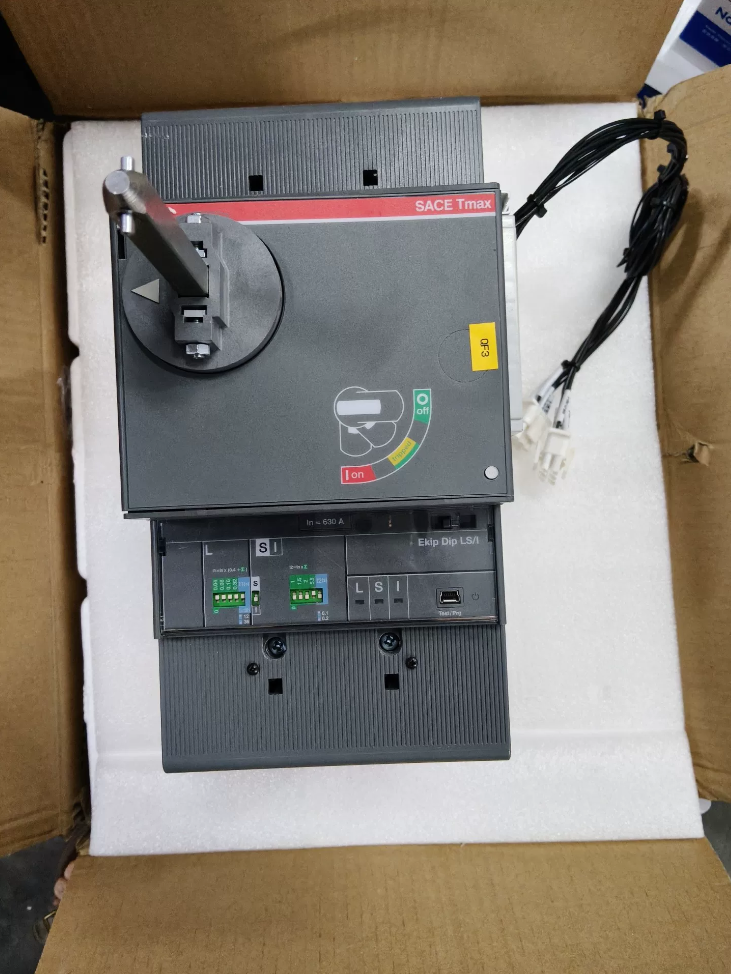

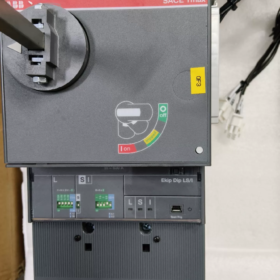
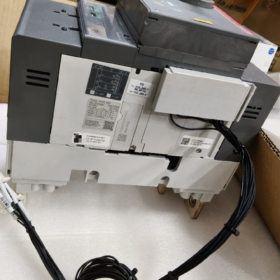
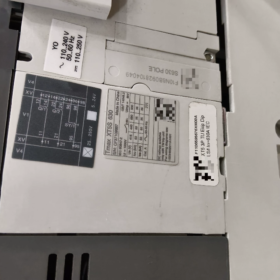
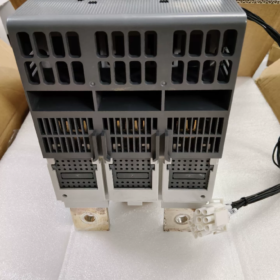
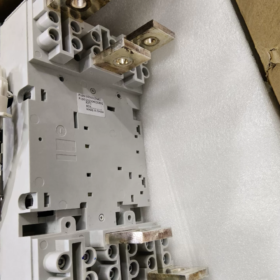
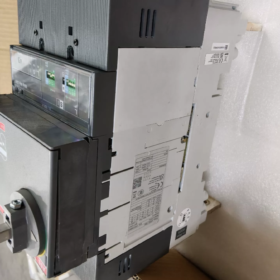
O ABB XT5S 630 é uma capacidade de quebra S MCCB com um tamanho de carcaça de 630A da série de disjuntores em caixa moldada de baixa tensão Tmax XT da ABB. É usado principalmente para proteção contra sobrecarga e curto-circuito em sistemas de distribuição de energia CA de baixa tensão.. Apresentando um tamanho compacto e alta capacidade de interrupção de curto-circuito, ele suporta múltiplas configurações de unidades de disparo, incluindo tipos termomagnéticos e eletrônicos. Amplamente aplicado na distribuição de energia industrial, fonte de alimentação de construção, data centers e outros cenários, está em conformidade com IEC 60947-2 e GB/T 14048.2 padrões.
- Análise completa da codificação do modelo
Definição Básica de Modelo
XT5S 630
- XT5: Código do quadro da série Tmax XT, a corrente nominal do quadro varia de 400A a 630A
- S: Classe de capacidade de interrupção de curto-circuito; capacidade final de interrupção de curto-circuito Icu = 50kA a 415V AC
- 630: Corrente nominal do quadro de 630A; a corrente nominal da unidade de disparo In pode ser selecionada dentro da faixa de corrente do quadro
Explicação do modelo de sufixo completo
Pegue o modelo convencional `XT5S 630 Ekip Dip LS/I In=630 3p F F` como exemplo:
Mergulho em equipe: Disparador eletrônico econômico sem painel de exibição, ajustado através de interruptores DIP
LS/I: Funções de proteção combinadas: eu (proteção contra sobrecarga de longo prazo) + S (proteção contra curto-circuito de curto prazo) + EU (proteção instantânea contra curto-circuito) (3-proteção de palco)
In = 630: Corrente operacional nominal da unidade de disparo 630A
3p: 3-pólo; 4-pólo (4p) é opcional
F F: Montagem & tipo de fiação; o primeiro F significa montagem fixa, o segundo F para fiação frontal
- Parâmetros técnicos principais
- Parâmetros de desempenho elétrico
| Item de parâmetro | Valor da especificação | Observações |
| Corrente nominal do quadro Iu | 630UM | Classificação máxima de quadros |
| Corrente nominal da unidade de disparo In | 315UM / 400UM / 500UM / 630UM | Várias classificações disponíveis, combinando modelos de unidades de disparo correspondentes |
| Tensão operacional nominal Ue | CA 220V~690V, 50/60Hz | Aplicável para faixa de tensão completa |
| Capacidade final de interrupção de curto-circuito Icu | 415V e: 50o | Valor padrão para Classe S |
| 690V e: 25o | ||
| 250Em DC: 35o (2 pólos em série) | ||
| ICs de capacidade de interrupção de curto-circuito de serviço | 415V e: 50o | ICs = 100% UTI, reutilizável após interrupção por falha |
| Funções de proteção | Sobrecarga de longa data, curto-circuito de curta duração, curto-circuito instantâneo, falha de terra (opcional) | Varia de acordo com o tipo de unidade de disparo |
| Resistência Mecânica | 20,000 ciclos operacionais | Sob condições nominais |
| Frequência operacional | 240 ciclos/hora | Frequência nominal para operação elétrica |
- Mecânico & Parâmetros Físicos
Peso unitário: Aprox.. 5.6kg (3-tipo poste fixo)
Tipos de montagem: Fixo, plug-in, extraível
Tipos de fiação: Fiação frontal, fiação traseira, conexão de barramento plug-in
Grau de proteção: IP20 para o corpo principal; atualizável para IP40 com tampas de terminal
III. Comparação de classes de capacidade de ruptura para quadro XT5
Diferenças de parâmetros entre classes de capacidade de interrupção sob o mesmo tamanho de quadro para fácil atualização ou downgrade de capacidade:
| Aula de última hora | Código | UTI em 415V AC | Cenários típicos de aplicação |
| Básico | N | 36o | Edifícios civis, circuitos de distribuição terminal |
| Padrão | S | 50o | Plantas industriais, principais gabinetes de entrada, circuitos de energia geral |
| Alta quebra | H | 70o | Lado de baixa tensão de transformadores de grande capacidade, sistemas com alta corrente de curto-circuito |
- Seleção de configurações de unidades de disparo convencionais
O XT5S 630 suporta dois tipos de unidades de disparo: termomagnético e eletrônico, para atender a diversos requisitos de proteção:
| Tipo de unidade de viagem | Código do modelo | Funções de proteção | Método de ajuste | Cenários de aplicação |
| Unidade de disparo termomagnético | TMA | 2-proteção de palco: Eu há muito tempo + Eu instantâneo | Botão giratório / Interruptor DIP | Distribuição geral de energia, proteção do motor, econômico |
| Unidade de disparo eletrônico econômico | Mergulho em equipe | 3-proteção de estágio LS/I | Chaves DIP | Sistemas de distribuição que exigem coordenação seletiva entre dispositivos upstream e downstream |
| Unidade de disparo inteligente de última geração | Toque de equipe | 4-proteção LSIG de estágio + medição de energia | Botões de toque + tela de exibição | Distribuição inteligente de energia, cenários que exigem registro de falhas e monitoramento de energia |
- Tipos de montagem & Especificações de fiação
- Tipos de montagem
Fixo (FF/FR): Fiação dianteira/traseira, fixado diretamente por parafusos, menor custo, para armários de distribuição fixos
Plug-in (PMP): Instalação de plug-in de barramento, suporta substituição rápida, para quadro tipo gaveta
Retirável (WMP): Equipado com mecanismo de rack, limpar pontos de interrupção de isolamento, para circuitos principais que requerem manutenção frequente
- Especificações de fiação de cabos (Referência de cabo de cobre)
Entrada=630A: Recomendado 2 cabos paralelos de cobre unipolares de 240 mm², ou barramento de cobre 60×6mm
Entrada = 500A: Recomendado 1 cabo de cobre monopolar de 300 mm², ou barramento de cobre 50×5mm
- Comparação de modelos equivalentes entre marcas
Modelos alternativos convencionais de referência com tamanho de quadro idêntico de 630A e capacidade de interrupção de 50kA:
| Marca | Modelo Equivalente | Quadro atual | Capacidade de interrupção em 415 Vca | Descrição de compatibilidade |
| Schneider Elétrica | NSX630S | 630UM | 50o | Funcionalmente equivalente; diferentes dimensões de recorte de montagem que exigem modificação do gabinete |
| Siemens | 3VL630S | 630UM | 50o | Desempenho de proteção consistente; as especificações do terminal diferem |
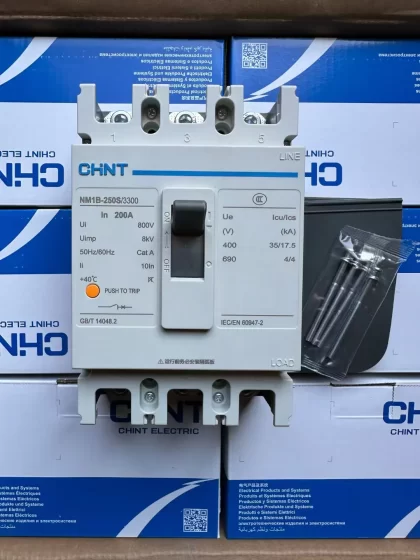
| Chint | NM1-630S | 630UM | 50o | Alternativa doméstica econômica; dimensões de montagem não intercambiáveis |
VII. Cenários típicos de aplicação
- Chaves de entrada principais e acopladores de barramento para sistemas de distribuição de baixa tensão
- Proteção do circuito principal para cargas de energia de alta capacidade (bombas de água, fãs, compressores)
- Proteção de distribuição de energia para linhas de produção industrial, data centers e complexos comerciais
- Proteção do lado CC para novos sistemas de energia, como fotovoltaicos e armazenamento de energia (com unidade de disparo CC dedicada como opção)
VIII. Matriz Comum de Tratamento de Falhas
| Categoria de falha | Fenômeno de falha típico | Análise de causa raiz | Soluções passo a passo |
| Falhas de operação mecânica | O disjuntor não pode fechar; lidar com rebotes imediatamente após o lançamento quando pressionado para ON | 1. Reset incompleto após disparo de falha (causa mais comum) | 1. Puxe firmemente a alça totalmente para baixo até a posição OFF mais baixa até ouvir um clique de reinicialização, então feche o disjuntor |
| (Mais frequente no local) | 2. Bobina de disparo por subtensão desenergizada / tensão insuficiente bloqueando o mecanismo | 2. Meça a tensão de alimentação da bobina de subtensão para confirmar a conformidade com o valor nominal | |
| 3. Intertravamentos elétricos ou mecânicos externos bloqueados | 3. Inspecione sinais externos, incluindo intertravamento da porta do gabinete e intertravamento contra incêndio, então solte os bloqueios | ||
| 4. Soldagem de contato e bloqueio do mecanismo após interrupção de curto-circuito | 4. Se a soldagem por contato for confirmada, não force o fechamento; substitua todo o disjuntor diretamente | ||
| Pesado, operação de manopla presa com troca de marcha irregular | 1. Mecanismo obstruído por poeira e graxa, lubrificação insuficiente em eixos rotativos | 1. Limpe a poeira dentro do mecanismo e aplique uma pequena quantidade de graxa isolante nos eixos rotativos | |
| 2. Deformação do gabinete comprimindo a carcaça e compensando o mecanismo | 2. Ajuste os parafusos de montagem para eliminar o estresse da carcaça | ||
| 3. Interferência da extensão externa da alça ou tampa protetora | 3. Remova a tampa externa para testar e corrigir as posições de interferência | ||
| Disparo Anormal Não Intencional | Disparo não provocado sob carga leve ou sem carga, sem falha óbvia de curto-circuito | 1. Configuração de proteção de longo prazo inferior à corrente operacional real | 1. Verifique a corrente de carga real e redefina a engrenagem de corrente de longa duração |
| (Maior taxa de reclamação de usuários) | 2. Temperatura ambiente acima de 40°C causando desvio térmico da unidade de disparo termomagnético e disparo prematuro | 2. Selecione modelos com coeficientes de redução para ambientes de alta temperatura ou atualize para uma estrutura de corrente nominal mais alta | |
| 3. Corrente harmônica severa do sistema induzindo aquecimento extra do condutor e proteção de disparo | 3. Mitigar harmônicos do sistema instalando reatores ou filtros de energia ativos | ||
| 4. Componentes antigos da unidade de disparo com desvio de parâmetros | 4. Substitua a unidade de disparo se ocorrer desvio térmico severo nos tipos termomagnéticos | ||
| Disparo instantâneo na partida de motores ou inversores | 1. Configuração de proteção instantânea muito baixa, incapaz de suportar a corrente de partida de partida | 1. Ajuste o multiplicador de proteção instantânea para 8 ~ 10 In para circuitos de motor | |
| 2. Atraso de proteção muito curto, sem margem para transientes de inicialização | 2. Habilite a função de atraso de curto prazo e defina o atraso de 0,1 ~ 0,4s para ignorar a corrente de pico de inicialização | ||
| 3. Unidade de disparo específica do motor é recomendada para circuitos de motor dedicados | |||
| Disparo frequente de falha à terra em modelos com proteção de falha à terra | 1. A corrente de fuga normal total do sistema excede o ajuste de proteção | 1. Meça a corrente de fuga real do sistema e aumente moderadamente o limite de disparo de falha à terra | |
| 2. Fiação incorreta da linha N ou polaridade invertida em disjuntores de 4 pólos | 2. Corrija a fiação da linha N para garantir que ela passe pelo TC de sequência zero | ||
| 3. TC de sequência zero instalado na posição errada | 3. Instale o TC de sequência zero de acordo com as especificações do manual | ||
| Mau funcionamento da unidade de disparo | Tela preta e botões que não respondem na unidade de disparo eletrônico Ekip Touch | 1. Fonte de alimentação de controle auxiliar desconectada ou perdida | 1. Verifique a fiação de alimentação auxiliar e a classificação de tensão (AC220V / CC24V, etc.) |
| 2. Conexão de plugue frouxa entre o módulo da unidade de disparo e o corpo principal | 2. Reconecte o módulo da unidade de disparo após o corte de energia para garantir contato total entre os pinos | ||
| 3. Componentes eletrônicos danificados dentro da unidade de disparo | 3. Substitua a unidade de disparo de modelo idêntico se o módulo estiver danificado | ||
| A unidade de desarme Ekip Dip do tipo chave DIP não aplica os parâmetros ajustados | 1. Chaves DIP não totalmente travadas em posições críticas | 1. Alterne os interruptores DIP após o corte de energia e confirme se cada marcha está totalmente engatada | |
| 2. Mau contato dos transformadores de corrente da unidade de disparo | 2. Reinstale a unidade de disparo para garantir um ajuste perfeito entre o TC e o corpo principal | ||
| Nenhuma indicação de falha ou registros armazenados após disparo de falha | 1. Perda de energia auxiliar para a unidade de disparo causando perda de dados de falta | 1. Fonte de alimentação auxiliar constante é recomendada para unidades de disparo em circuitos críticos | |
| 2. O indicador de falha mecânica preso não aparece | 2. Reinicialize manualmente o mecanismo do indicador e inspecione as peças de ligação | ||
| Acessório & Falhas no Circuito Auxiliar | As bobinas de disparo de derivação e de disparo por subtensão não acionam | 1. Incompatibilidade entre a tensão nominal da bobina e a tensão de alimentação | 1. Verifique a etiqueta de tensão da bobina e substitua pela especificação correspondente |
| 2. Fiação solta ou circuito aberto de bobina queimada | 2. Meça a continuidade da bobina com multímetro; substitua a bobina se estiver queimada | ||
| 3. Curso insuficiente da haste da bobina, incapaz de acionar o mecanismo | 3. Ajuste a posição de montagem da bobina para garantir o curso adequado da haste | ||
| Sinal incorreto e mau contato dos contatos auxiliares | 1. Pontos de contato prateados desgastados e oxidados dos contatos auxiliares | 1. Substitua o módulo de contato auxiliar | |
| 2. Alavanca de articulação deslocada causando troca de contato incompleta | 2. Ajuste a posição do mecanismo de ligação para garantir uma comutação de contato confiável durante o fechamento e a abertura | ||
| Superaquecimento & Falhas na fiação | Terminais de entrada/saída superaquecidos, invólucro quente com odor peculiar | 1. Parafusos terminais não apertados com o torque especificado, causando resistência de contato excessiva | 1. Reaperte os terminais com o torque especificado pelo fabricante (aprox.. 25~30Nm para terminais 630A) |
| 2. Seção transversal do cabo insuficiente causando aquecimento por sobrecarga de longo prazo | 2. Substitua por cabos de seção transversal maior ou adicione mais cabos paralelos | ||
| 3. Comprimento desigual do cabo entre cabos paralelos, resultando em distribuição de corrente desequilibrada | 3. Certifique-se de que os cabos paralelos tenham comprimento idêntico, especificação e terminais | ||
| 4. Conexão direta cobre-alumínio provocando corrosão eletroquímica | 4. Instale terminais de transição cobre-alumínio; conexão direta cobre-alumínio é proibida | ||
| Superaquecimento geral da carcaça do disjuntor | 1. Operação de longo prazo excedendo a corrente nominal | 1. Restrinja a corrente de carga ou atualize para um tamanho de quadro maior | |
| 2. Má ventilação do gabinete e temperatura ambiente excessiva | 2. Adicione ventiladores de resfriamento do gabinete para melhorar a ventilação | ||
| 3. Contatos principais desgastados, levando ao aumento da resistência de contato | 3. Substitua todo o disjuntor se a resistência de contato exceder os limites padrão | ||
| Falhas pós-interrupção de curto-circuito | Não é possível fechar o disjuntor após interromper a falha de curto-circuito; mecanismo bloqueado | 1. A corrente de curto-circuito do sistema excede a capacidade de interrupção nominal do disjuntor, causando soldagem de contato | 1. Verifique a corrente de curto-circuito do sistema e substitua por uma classe de interrupção mais alta (por exemplo. Classe H) modelo |
| 2. Mecanismo deformado por impacto e eixo de disparo preso | 2. Substitua todo o disjuntor se o mecanismo estiver danificado; desmontagem e reparo são proibidos | ||
| Isolamento reduzido e vazamento no gabinete após interrupção de falha | 1. A ablação do arco da câmara do arco gera depósitos de carboneto nas peças isolantes | 1. Remova a câmara de arco removível, limpe o pó de carbono e reinstale após a secagem completa | |
| 2. Divisória isolante interna danificada pela queima do arco | 2. Substitua todo o disjuntor se os componentes isolantes estiverem danificados |
Falhas Comuns & Soluções para ABB XT5S 630
Falhas de campo do ABB XT5S 630 MCCB se enquadra principalmente em quatro categorias: falhas de operação mecânica, disparo anormal, falha de acessório e aumento excessivo de temperatura. A maioria dos problemas surge de instalação inadequada & contexto, ambiente operacional inadequado ou falta de manutenção de rotina, enquanto defeitos de fábrica inerentes à unidade são raros. Abaixo está um resumo completo das falhas frequentes e resoluções correspondentes:
Matriz Comum de Tratamento de Falhas
| Categoria de falha | Fenômeno de falha típico | Análise de causa raiz | Soluções passo a passo |
| Falhas de operação mecânica | O disjuntor não pode fechar; lidar com rebotes imediatamente após o lançamento quando pressionado para ON | 1. Reset incompleto após disparo de falha (causa mais comum) | 1. Puxe firmemente a alça totalmente para baixo até a posição OFF mais baixa até ouvir um clique de reinicialização, então feche o disjuntor |
| (Mais frequente no local) | 2. Bobina de disparo por subtensão desenergizada / tensão insuficiente bloqueando o mecanismo | 2. Meça a tensão de alimentação da bobina de subtensão para confirmar a conformidade com o valor nominal | |
| 3. Intertravamentos elétricos ou mecânicos externos bloqueados | 3. Inspecione sinais externos, incluindo intertravamento da porta do gabinete e intertravamento contra incêndio, então solte os bloqueios | ||
| 4. Soldagem de contato e bloqueio do mecanismo após interrupção de curto-circuito | 4. Se a soldagem por contato for confirmada, não force o fechamento; substitua todo o disjuntor diretamente | ||
| Pesado, operação de manopla presa com troca de marcha irregular | 1. Mecanismo obstruído por poeira e graxa, lubrificação insuficiente em eixos rotativos | 1. Limpe a poeira dentro do mecanismo e aplique uma pequena quantidade de graxa isolante nos eixos rotativos | |
| 2. Deformação do gabinete comprimindo a carcaça e compensando o mecanismo | 2. Ajuste os parafusos de montagem para eliminar o estresse da carcaça | ||
| 3. Interferência da extensão externa da alça ou tampa protetora | 3. Remova a tampa externa para testar e corrigir as posições de interferência | ||
| Disparo Anormal Não Intencional | Disparo não provocado sob carga leve ou sem carga, sem falha óbvia de curto-circuito | 1. Configuração de proteção de longo prazo inferior à corrente operacional real | 1. Verifique a corrente de carga real e redefina a engrenagem de corrente de longa duração |
| (Maior taxa de reclamação de usuários) | 2. Temperatura ambiente acima de 40°C causando desvio térmico da unidade de disparo termomagnético e disparo prematuro | 2. Selecione modelos com coeficientes de redução para ambientes de alta temperatura ou atualize para uma estrutura de corrente nominal mais alta | |
| 3. Corrente harmônica severa do sistema induzindo aquecimento extra do condutor e proteção de disparo | 3. Mitigar harmônicos do sistema instalando reatores ou filtros de energia ativos | ||
| 4. Componentes antigos da unidade de disparo com desvio de parâmetros | 4. Substitua a unidade de disparo se ocorrer desvio térmico severo nos tipos termomagnéticos | ||
| Disparo instantâneo na partida de motores ou inversores | 1. Configuração de proteção instantânea muito baixa, incapaz de suportar a corrente de partida de partida | 1. Ajuste o multiplicador de proteção instantânea para 8 ~ 10 μIn para circuitos de motor | |
| 2. Atraso de proteção muito curto, sem margem para transientes de inicialização | 2. Habilite a função de atraso de curto prazo e defina o atraso de 0,1 ~ 0,4s para ignorar a corrente de pico de inicialização | ||
| 3. Unidade de disparo específica do motor é recomendada para circuitos de motor dedicados | |||
| Disparo frequente de falha à terra em modelos com proteção de falha à terra | 1. A corrente de fuga normal total do sistema excede o ajuste de proteção | 1. Meça a corrente de fuga real do sistema e aumente moderadamente o limite de disparo de falha à terra | |
| 2. Fiação incorreta da linha N ou polaridade invertida em disjuntores de 4 pólos | 2. Corrija a fiação da linha N para garantir que ela passe pelo TC de sequência zero | ||
| 3. TC de sequência zero instalado na posição errada | 3. Instale o TC de sequência zero de acordo com as especificações do manual | ||
| Mau funcionamento da unidade de disparo | Tela preta e botões que não respondem na unidade de disparo eletrônico Ekip Touch | 1. Fonte de alimentação de controle auxiliar desconectada ou perdida | 1. Verifique a fiação de alimentação auxiliar e a classificação de tensão (AC220V / CC24V, etc.) |
| 2. Conexão de plugue frouxa entre o módulo da unidade de disparo e o corpo principal | 2. Reconecte o módulo da unidade de disparo após o corte de energia para garantir contato total entre os pinos | ||
| 3. Componentes eletrônicos danificados dentro da unidade de disparo | 3. Substitua a unidade de disparo de modelo idêntico se o módulo estiver danificado | ||
| A unidade de desarme Ekip Dip do tipo chave DIP não aplica os parâmetros ajustados | 1. Chaves DIP não totalmente travadas em posições críticas | 1. Alterne os interruptores DIP após o corte de energia e confirme se cada marcha está totalmente engatada | |
| 2. Mau contato dos transformadores de corrente da unidade de disparo | 2. Reinstale a unidade de disparo para garantir um ajuste perfeito entre o TC e o corpo principal | ||
| Nenhuma indicação de falha ou registros armazenados após disparo de falha | 1. Perda de energia auxiliar para a unidade de disparo causando perda de dados de falta | 1. Fonte de alimentação auxiliar constante é recomendada para unidades de disparo em circuitos críticos | |
| 2. O indicador de falha mecânica preso não aparece | 2. Reinicialize manualmente o mecanismo do indicador e inspecione as peças de ligação | ||
| Acessório & Falhas no Circuito Auxiliar | As bobinas de disparo de derivação e de disparo por subtensão não acionam | 1. Incompatibilidade entre a tensão nominal da bobina e a tensão de alimentação | 1. Verifique a etiqueta de tensão da bobina e substitua pela especificação correspondente |
| 2. Fiação solta ou circuito aberto de bobina queimada | 2. Meça a continuidade da bobina com multímetro; substitua a bobina se estiver queimada | ||
| 3. Curso insuficiente da haste da bobina, incapaz de acionar o mecanismo | 3. Ajuste a posição de montagem da bobina para garantir o curso adequado da haste | ||
| Sinal incorreto e mau contato dos contatos auxiliares | 1. Pontos de contato prateados desgastados e oxidados dos contatos auxiliares | 1. Substitua o módulo de contato auxiliar | |
| 2. Alavanca de articulação deslocada causando troca de contato incompleta | 2. Ajuste a posição do mecanismo de ligação para garantir uma comutação de contato confiável durante o fechamento e a abertura | ||
| Superaquecimento & Falhas na fiação | Terminais de entrada/saída superaquecidos, invólucro quente com odor peculiar | 1. Parafusos terminais não apertados com o torque especificado, causando resistência de contato excessiva | 1. Reaperte os terminais com o torque especificado pelo fabricante (aprox.. 25~30Nm para terminais 630A) |
| 2. Seção transversal do cabo insuficiente causando aquecimento por sobrecarga de longo prazo | 2. Substitua por cabos de seção transversal maior ou adicione mais cabos paralelos | ||
| 3. Comprimento desigual do cabo entre cabos paralelos, resultando em distribuição de corrente desequilibrada | 3. Certifique-se de que os cabos paralelos tenham comprimento idêntico, especificação e terminais | ||
| 4. Conexão direta cobre-alumínio provocando corrosão eletroquímica | 4. Instale terminais de transição cobre-alumínio; conexão direta cobre-alumínio é proibida | ||
| Superaquecimento geral da carcaça do disjuntor | 1. Operação de longo prazo excedendo a corrente nominal | 1. Restrinja a corrente de carga ou atualize para um tamanho de quadro maior | |
| 2. Má ventilação do gabinete e temperatura ambiente excessiva | 2. Adicione ventiladores de resfriamento do gabinete para melhorar a ventilação | ||
| 3. Contatos principais desgastados, levando ao aumento da resistência de contato | 3. Substitua todo o disjuntor se a resistência de contato exceder os limites padrão | ||
| Falhas pós-interrupção de curto-circuito | Não é possível fechar o disjuntor após interromper a falha de curto-circuito; mecanismo bloqueado | 1. A corrente de curto-circuito do sistema excede a capacidade de interrupção nominal do disjuntor, causando soldagem de contato | 1. Verifique a corrente de curto-circuito do sistema e substitua por uma classe de interrupção mais alta (por exemplo. Classe H) modelo |
| 2. Mecanismo deformado por impacto e eixo de disparo preso | 2. Substitua todo o disjuntor se o mecanismo estiver danificado; desmontagem e reparo são proibidos | ||
| Isolamento reduzido e vazamento no gabinete após interrupção de falha | 1. A ablação do arco da câmara do arco gera depósitos de carboneto nas peças isolantes | 1. Remova a câmara de arco removível, limpe o pó de carbono e reinstale após a secagem completa | |
| 2. Divisória isolante interna danificada pela queima do arco | 2. Substitua todo o disjuntor se os componentes isolantes estiverem danificados |
Pontos-chave para prevenção de falhas & Manutenção de rotina
- Aperte os terminais de fiação estritamente ao torque nominal antes do comissionamento; o teste de resistência de contato é recomendado para circuitos de alta corrente.
- Selecione a capacidade reduzida antecipadamente para ambientes com alta temperatura, alta umidade ou poeira pesada; limpe regularmente a poeira acumulada na superfície do disjuntor.
- Fonte de alimentação auxiliar constante é sugerida para circuitos de unidades de disparo eletrônico para evitar perda de registros de falhas.
- Realize pelo menos um teste de operação mecânica anualmente para verificar o fechamento e a abertura suaves; a abertura manual sob carga pesada é proibida.
- Inspecione a condição do contato após cada interrupção de curto-circuito; substitua toda a unidade imediatamente ao atingir o limite de vida útil elétrica.


NH42-63-318x560.png "Chaves de transferência automática tipo PC CHINT (ATS)NH42-63/4SZ")