Contator,disjuntor,sensor,Codificador,CLP,Conversor

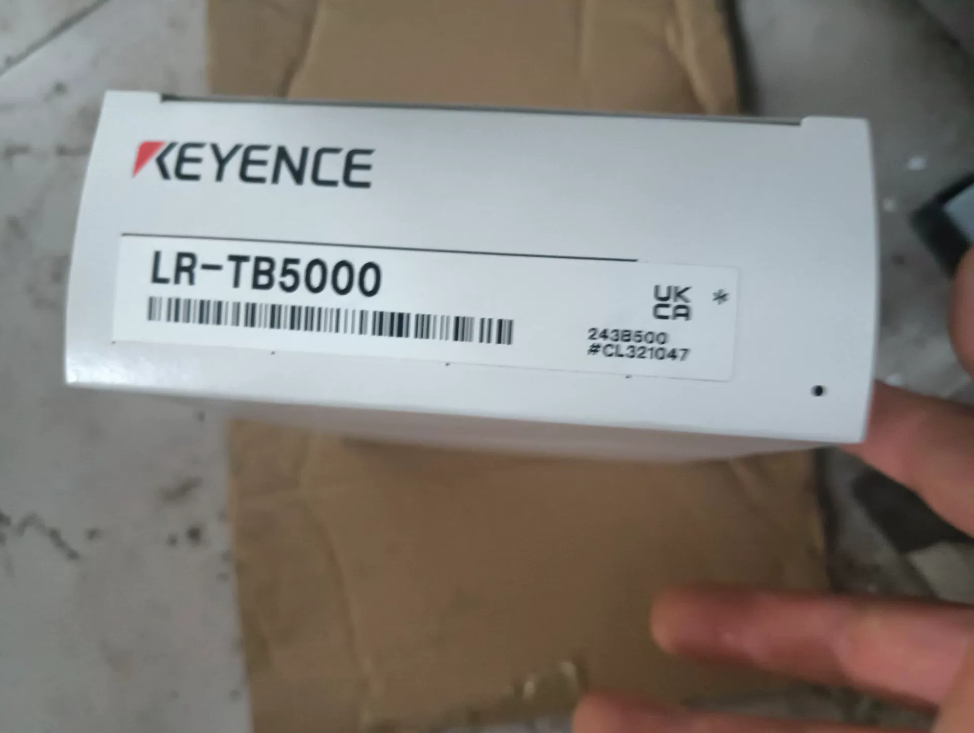

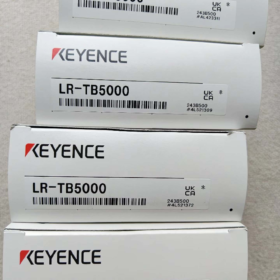
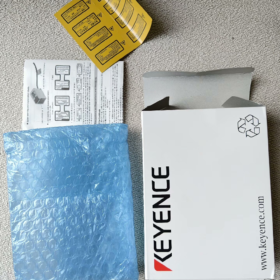
O KEYENCE LR-TB5000 é um amplificador de distância a laser TOF integrado sensor da série KEYENCE LR-T. É um modelo reflexivo difuso para detecção de longo alcance, equipado com um cabo reto padrão e classificado como Classe Laser 2. Adotando o princípio de medição do tempo de voo, ele oferece medição de distância estável e detecção de presença de objetos entre 60 mm e 5.000 mm. Seu desempenho quase não é afetado pela cor, material ou ângulo da superfície dos alvos. Apresentando alta proteção de entrada IP65/IP67, é amplamente aplicado em condições de trabalho complexas, como linhas de produção de automação industrial, logística & máquinas de armazenamento e construção. É uma escolha comum para detecção de longa distância e alta confiabilidade em locais industriais.
- Detalhamento do código do modelo
Modelo: LR-TB5000
| Segmento de código | Descrição |
| LR-T | Série de produtos: Série geral de sensores laser TOF integrados com amplificador |
| B | Tipo de detecção: Tipo reflexivo difuso (não é necessário refletor, detecta diretamente superfícies alvo) |
| 5000 | Distância máxima de detecção padrão: 5000milímetros (5eu), testado com papel branco fosco como referência |
| Sem sufixo | Saída de cabo: Tipo de cabo reto; Classe Laser: Aula 2 (Compatível com IEC60825-1 e FDA(CDRH) padrões) |
Regras complementares para sufixos da mesma série: Sufixo `C` significa tipo de conector M12; Sufixo `CL` significa conector M12 com classe Laser de baixa potência 1.
- Especificações Técnicas Principais
2.1 Desempenho de detecção
| Parâmetro | Especificação | Observações |
| Faixa de detecção padrão | 60 ~ 5000 milímetros | Faixa de exibição: 50~5200 mm; Testado em papel branco fosco |
| Fonte de luz | Laser semicondutor vermelho, comprimento de onda: 660nm | Classe Laser 2, Máx.. potência de saída ≤1mW |
| Diâmetro do ponto | Variável, ≤φ40mm | O tamanho do ponto varia linearmente com a distância de detecção |
| Tempo de resposta | 5 níveis selecionáveis: 1EM / 10EM / 25EM / 100EM / 1000EM | Equilibre a velocidade de resposta e a precisão da detecção conforme necessário |
| Rejeição de interferência mútua | Até 4 unidades do mesmo modelo podem ser instaladas próximas em um grupo | A função entra em vigor após a prevenção de interferência ser ativada |
| Lógica de Detecção | Vários modos: Julgamento limite, comparação de janelas, retenção de pico, espera do vale, etc.. | Configuração visível através de botões integrados |
| Função de temporizador | DESLIGADO / Atraso ligado / Atraso desligado / Pulso único (opcional) | O tempo de atraso pode ser personalizado através de parâmetros |
2.2 Características Elétricas
| Parâmetro | Especificação |
| Tensão de alimentação | 12~24 V CC (Ondulação pico a pico ≤10%) |
| Consumo Atual | ≤45mA (24Alimentação VCC, sem carga) |
| Saída do interruptor | Coletor aberto NPN/PNP comutável; Classificado abaixo de 30VDC, 50mA; NO/NC selecionável |
| Saída Analógica | Corrente selecionável de 4~20mA / 0~ Tensão de 10 V; Pin compartilhado com entrada externa |
| Entrada Externa | Suporta ajuste remoto e comutação de modo; Pino compartilhado com saída analógica |
| Protocolo de comunicação | IO-Link v1.1 suportado para configuração remota de parâmetros e aquisição de dados |
2.3 Ambiental & Parâmetros Físicos
| Parâmetro | Especificação |
| Proteção de entrada | IP65 / IP67 (Compatível com IEC60529) |
| Temperatura operacional | -20 ~ +55℃ (Sem congelamento ou condensação) |
| Umidade operacional | 35 ~ 85% RH |
| Resistência à luz ambiente | Lâmpada incandescente / Luz do dia: ≤100.000lux |
| Resistência à vibração | 10~55Hz, amplitude dupla 1,5 mm, 2 horas para cada um dos eixos X/Y/Z |
| Resistência ao choque | 1000 m/s², 6 vezes para cada um dos eixos X/Y/Z |
| Material Principal | Habitação: Fundição de zinco banhado a níquel-cromo; Tampa da lente: PMMA revestido resistente a arranhões; Cabo: PVC |
| Peso | Aprox.. 125g (com cabo padrão) |
| Certificações | UL, CSA |
- Comparação entre modelos dentro da série
| Modelo | Faixa de detecção | Saída de cabo | Classe Laser |
| LR-TB5000 | 60~5000mm | Cabo reto | Aula 2 |
| LR-TB5000C | 60~5000mm | Conector M12 | Aula 2 |
| LR-TB5000CL | 60~5000mm | Conector M12 | Aula 1 |
| LR-TB2000 | 60~2.000 mm | Cabo reto | Aula 2 |
- Definição de pino para versão de cabo
O LR-TB5000 está equipado com um cabo reto multicore. As definições de fio padrão são as seguintes:
| Cor do fio | Função | Descrição |
| Marrom | Poder positivo (+V) | 12Entrada de energia de ~24 VCC |
| Azul | Potência negativa (0V/GND) | Terreno comum para energia e sinais |
| Preto | Saída de controle do interruptor | NPN/PNP selecionável, normalmente aberto por padrão |
| Branco | Saída analógica / Entrada externa | Configurável: 4-20Saída analógica mA/0-10V ou entrada de disparo externo |
Observação: A definição do pino difere para cabo estendido de 8 núcleos. A saída analógica e a entrada externa não podem ser usadas simultaneamente; alternar função através das configurações do menu.
- Aplicações Típicas
- Logística & Armazenagem: Detecção de ocupação para armazéns automatizados, faixa de obstáculos para AGVs, confirmação da presença do produto nas linhas de classificação. A capacidade de longo alcance é adequada para espaços de armazenamento de grandes dimensões.
- Fabricação Automotiva: Posicionamento da estação de trabalho em linhas transportadoras de carrocerias, detecção de acessórios de ferramentas, julgamento de posição para grandes peças de estampagem. A resistência ao óleo e a resistência à luz ambiente adaptam-se às condições adversas da oficina.
- Máquinas de construção: Limite de altura para plataformas elevatórias, detecção de posição para braços mecânicos, medição de altura de pilhas de materiais. Ampla tolerância à temperatura e alto nível de proteção adaptam-se a ambientes externos agressivos.
- 3C & Indústria de embalagens: Contagem de peças da linha de produção, detecção residual de material em rolo, inspeção de altura de produtos embalados. Corpo compacto adapta-se a espaços de instalação estreitos.
- Equipamento Inteligente: Posicionamento da peça em transportadores circulares, controle de curso para dispositivos de elevação, detecção de objetos em multiestações. Suporta rede sem interferência de vários sensores.
- Matriz de solução de problemas
| Fenômeno de falha | Causa raiz | Soluções |
| Sem luz indicadora e sem saída | 1. Fiação errada ou tensão de alimentação anormal | 1. Meça a tensão entre os fios marrom e azul para confirmar 12~24VDC |
| 2. Carga excessiva reduzindo a tensão | 2. Verifique a polaridade para evitar conexão reversa | |
| 3. Falha de hardware | 3. Desconecte a carga externa para teste independente para descartar curto-circuito | |
| 4. Substitua ou devolva para reparo se não houver resposta | ||
| Detecção instável & falsos disparos frequentes | 1. Extrema refletividade (preto puro / superfície do espelho) | 1. Ajuste o ângulo de montagem para evitar reflexão especular |
| 2. Alvo fora do alcance de detecção estável | 2. Certifique-se de que o alvo esteja dentro da faixa de 60 ~ 5000 mm | |
| 3. Luz forte irradiando diretamente a lente | 3. Instale o capô para bloquear a luz solar direta ou luz forte | |
| 4. Interferência de sinal entre vários sensores | 4. Habilite a prevenção de interferência e escalone as posições do sensor | |
| Grande desvio de detecção & baixa precisão | 1. Ajuste de benchmark não concluído | 1. Execute o autoajuste com superfície de referência |
| 2. Tempo de resposta excessivamente curto | 2. Estenda o tempo de resposta adequadamente para melhor estabilidade | |
| 3. Ângulo de inclinação excessivo da superfície alvo | 3. Ajuste a instalação para manter o laser perpendicular ao alvo | |
| Saída analógica anormal | 1. Configuração incorreta da função do pino | 1. Entre no menu I/O e confirme o modo de saída analógica |
| 2. Impedância de carga incompatível | 2. Siga o requisito de impedância: ≤500Ω para saída de corrente, ≥10kΩ para saída de tensão | |
| 3. Faixa analógica não calibrada | 3. Calibração completa de dois pontos para saída analógica | |
| Código de erro exibido | 1. Falha temporária do sistema interno | 1. Ciclo de energia para eliminar anomalia temporária |
| 2. Configurações de parâmetros incorretas | 2. Restaurar os parâmetros padrão de fábrica | |
| 3. Falha de hardware do módulo laser | 3. Contate o serviço pós-venda se o erro persistir |
- Operações Proibidas & Regras de segurança
- Segurança Laser: Nunca olhe diretamente para o emissor de laser ou aponte o feixe de laser para olhos humanos. Exposição de longo prazo à classe 2 laser pode causar danos aos olhos.
- Requisitos Ambientais: Não use em atmosfera de gás explosivo. Não mergulhe a unidade em líquidos por um longo período. IP67 é apenas para proteção temporária contra respingos de água e poeira.
- Requisitos elétricos: Não aplique tensão além de 12~24VDC. Não conecte a saída do switch diretamente à alimentação CA. Evite conectar cabos junto com cabos de alimentação para evitar interferência eletromagnética.
- Requisitos de instalação: Não monte em áreas com vibração ou choque que excedam as especificações. Não bloqueie a lente ou a estrutura de dissipação de calor. Não cole adesivos ou coberturas na lente.
Princípio de detecção do sensor reflexivo difuso KEYENCE LR-TB5000
O LR-TB5000 é um time-of-flight pulsado reflexivo difuso (TOF) sensor laser. Seu princípio de detecção consiste em duas partes principais: a estrutura do caminho óptico reflexivo difuso (determina a propagação da luz e o modo de detecção) e o algoritmo de variação TOF pulsado (lógica central para cálculo de distância). O design combinado permite detecção estável a longa distância sem refletor, com influência mínima das características alvo.
7.1 Mecanismo de trabalho do caminho óptico reflexivo difuso
Este sensor integrado adota um design combinado de transmissor e receptor. O processo de trabalho é como abaixo:
- O transmissor de laser interno emite pulsos de laser vermelho colimados para frente através da lente.
- Quando o laser atinge a superfície alvo, a luz se espalha em todas as direções (reflexão difusa) devido à superfície áspera da maioria das peças industriais.
- Parte da luz espalhada viaja de volta ao caminho original, entra na lente receptora e é capturado pelo receptor fotoelétrico interno.
Diferença essencial dos sensores fotoelétricos difusos tradicionais:
Sensores difusos convencionais avaliam a presença de objetos pela intensidade da luz recebida. A detecção falha facilmente para objetos absorventes escuros, espelhos de alto brilho ou alvos de longa distância devido à luz refletida insuficiente ou excessiva.
O LR-TB5000 calcula a distância puramente com base no sinal temporal da luz refletida. Funciona normalmente desde que a luz de retorno atinja o limite mínimo para acionar o tempo, então quase não é afetado pela cor alvo, material e ângulo de superfície.
7.2 Princípio Básico do Alcance TOF Pulsado
TOF (Hora do voo) é a tecnologia principal. Ele calcula a distância absoluta medindo o tempo de viagem de ida e volta do feixe de laser entre o sensor e o alvo.
Fórmula:
$$ d = \frac{c \times \Delta t}{2} $$
$d$: Distância real entre o sensor e o alvo
$c$: Velocidade da luz no ar (aprox.. $3\times10^8\ \text{EM}$)
$\Delta t$: Tempo de ida e volta do pulso de laser desde a emissão até a recepção
Dividido por 2: O laser percorre um caminho circular (emissão → reflexão → recepção)
Procedimento de trabalho:
- O circuito de acionamento controla o diodo laser para emitir pulsos estreitos de nanossegundos, enquanto isso, o circuito de temporização de alta velocidade começa a contar.
- O laser refletido é convertido em sinal elétrico por fotodiodo de alta sensibilidade, que interrompe o circuito de temporização.
- O MCU integrado processa dados de diferença horária com compensação de temperatura e correção de luz ambiente, em seguida, converte os dados em valor de distância em tempo real.
- A distância calculada é comparada com o limite predefinido e a janela de detecção. O sensor emite sinais analógicos/interruptores correspondentes, e dados brutos de distância podem ser transmitidos via IO-Link.
7.3 Principais otimizações técnicas
Para realizar uma detecção difusa estável de 5 metros, em conformidade com a Classe 2 padrões de segurança a laser, o sensor adota vários designs otimizados:
- Pulso estreito & laser de alta potência de pico
A tecnologia de acionamento de pulso ultraestreito de nanossegundos oferece alta potência instantânea e baixa potência média. Atende à classe 2 requisitos de segurança ocular e garante sinal identificável de luz refletida fraca de longa distância.
- Circuito receptor de alto SNR
Equipado com filtro óptico passa-faixa e chip de processamento de sinal dedicado, ele responde apenas a pulsos de laser correspondentes. Suprime eficazmente a interferência da luz incandescente e da luz do dia, e opera de forma estável sob luz ambiente até 100,000 luxo.
- Algoritmo de compensação de desvio de temperatura
O sensor de temperatura integrado corrige o desvio causado pela mudança de temperatura na velocidade da luz e no circuito de temporização, mantendo a precisão de detecção consistente entre -20 ~ 55 ℃.
- Supressão de interferência mútua
Quando vários sensores são instalados próximos, ativar a função de prevenção de interferência. Os pulsos de laser serão escalonados automaticamente para evitar erros de julgamento de sinal cruzado. Até 4 sensores podem funcionar em grupo.
7.4 Limites de aplicação da detecção reflexiva difusa
Restrições baseadas no princípio de funcionamento:
Detecção estável: Mais fosco, peças ásperas e semibrilhantes, independente da cor (preto/branco/colorido) e materiais (metal/plástico/madeira).
Detecção limitada: Superfícies espelhadas completas fortemente inclinadas (toda a luz refletida para longe do receptor), materiais flocados pretos grossos (luz de retorno abaixo do limite), objetos transparentes/translúcidos (o laser penetra ou refrata).
Zona cega mínima: 60milímetros. Alvos dentro de 60 mm não podem ser detectados normalmente.
NH42-63-318x560.png "Chaves de transferência automática tipo PC CHINT (ATS)NH42-63/4SZ")