Контактор,автоматический выключатель,датчик,Кодер,ПЛК,Конвертер

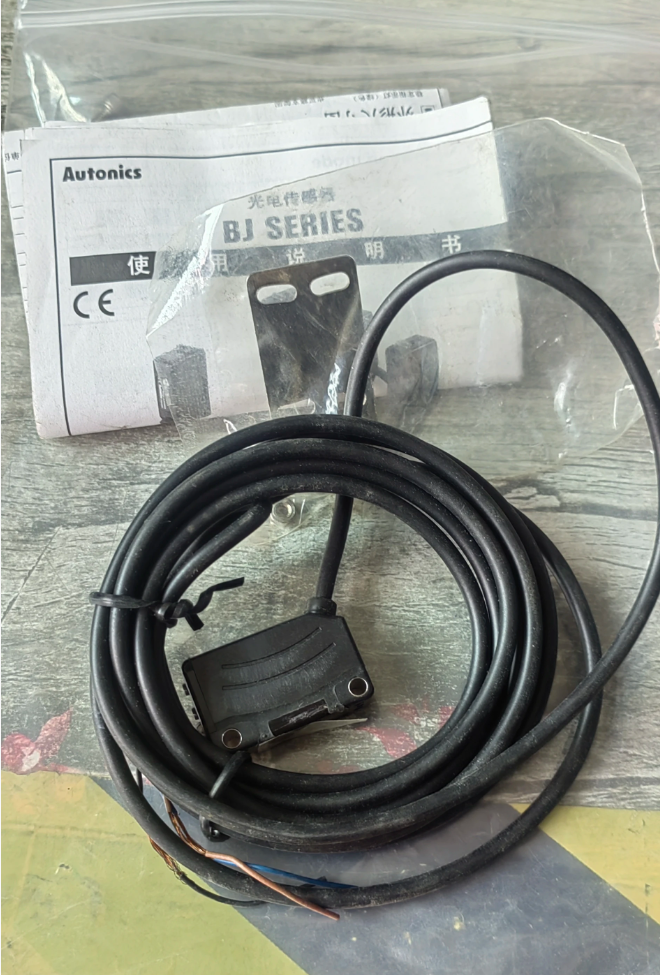

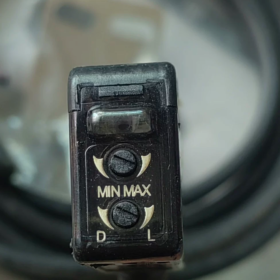
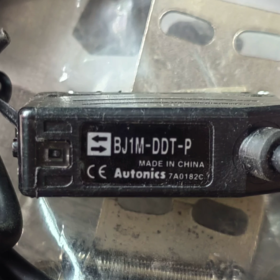
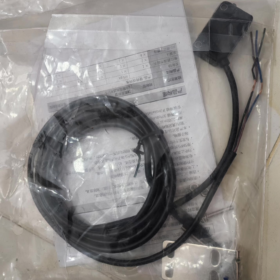
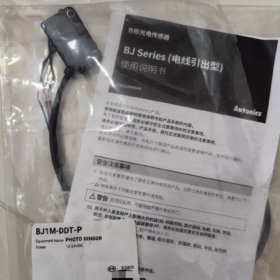
Диффузное отражение серии BJ фотоэлектрический датчик, ПНП-выход, тип кабельного выхода
Пояснение кода модели
| Код | Описание |
| минет | Компактный фотоэлектрический датчик серии BJ |
| 1М | Номинальное расстояние срабатывания: 1 м |
| ДДТ | Тип диффузного отражения; Свет-ВКЛ. / Переключаемый режим Dark-ON |
| П | Выход PNP с открытым коллектором |
| Без суффикса ‑C | Кабельный выход; ‑C обозначает версию разъема M8. (БЖ1М‑ДДТ‑С‑П) |
Основные характеристики
| Элемент | Параметр |
| Метод измерения | Диффузное отражение (отражатель не требуется) |
| Расстояние срабатывания | 0‑1м (стандартная белая бумага 300х300мм) |
| Источник света | Инфракрасный светодиод, 850 нм |
| Время ответа | ≤1 мс |
| Источник питания | 12-24 В постоянного тока ±10 %, пульсация ≤10% |
| Выход | PNP с открытым коллектором, Макс. нагрузка 100 мА |
| Режим работы | Свет-ВКЛ. / Включение темноты через встроенный ползунковый переключатель |
| Чувствительность | Регулируется потенциометром |
| Кабель | 3-основной, Φ3,5 мм, стандартная длина 2м |
| Защита от проникновения | IP65 |
| Рабочая температура | -25℃~+55℃ |
| Гистерезис | 20 % максимального расстояния срабатывания |
| Защита | Обратная полярность, короткое замыкание & защита от перегрузки по току; устойчивость к взаимным помехам |
| Размеры | Ш20 × В32 × Г10,6 мм |
| Масса | Приблизительно. 45 г |
| Аксессуары | Монтажный кронштейн, Болты М3 & орехи |
Электропроводка (3-проводная система)
Коричневый: 12-24 В постоянного тока, положительный
Синий: 0V Отрицательный
Черный: Выходной сигнал PNP
Примечание: Нет подавления фона (БГС). Фоновые объекты поблизости могут вызвать ложное срабатывание.. Подходит для непрозрачных и полупрозрачных целей.. Фактическое расстояние срабатывания уменьшается для объектов темного цвета..
Взаимозаменяемые модели одной серии
- БЖ1М-ДДТ: NPN-выход, все остальные параметры идентичны
- БЖ1М-ДДТ-ЦП: ПНП-выход, 4-контактный разъем M8, нет летающего кабеля
- БДЖ300-ДДТ-П: PNP диффузное отражение, 300 Расстояние срабатывания мм
Типичные применения
Обнаружение объектов на конвейерной линии, обнаружение станции на месте, обнаружение присутствия материала, общая автоматизация подсчета деталей.
Альтернативный справочник отечественного производства
Совместимые альтернативы: E3Z-D61 (ПНП-версия), Серия EE-SX, Модели PNP с диффузным отражением серии FS-N, 1 метр. Проверьте время ответа, размеры проводки и монтажных отверстий.
Принцип работы фотоэлектрических датчиков диффузного отражения (принимая Автоника БЖ1М-ДДТ-П как пример)
Диффузное отражение (диффузионное отражение) фотоэлектрические переключатели относятся к прямоотражающему типу. Отдельный отражатель не требуется.; передатчик и приемник объединены в одном корпусе.
Основной принцип
- Эмиссия: Внутренний инфракрасный светодиод излучает инфракрасный луч в направлении целевой поверхности..
- Диффузное отражение: Когда свет падает на целевую поверхность, оно разлетается во все стороны. Часть рассеянного света возвращается обратно в приемное окно датчика..
- Сигнальное суждение: Внутренний светочувствительный элемент принимает возвращающийся свет.. Как только интенсивность света достигнет порога, датчик выдает сигнал переключения.
- Нет целевого состояния: Свет не отражается обратно в приемник, и выходное состояние меняется на противоположное.
⚠️Ключевой момент: Это не зеркальное отражение. Он основан на диффузном рассеянии от поверхности цели.. Цвет объекта и шероховатость поверхности напрямую влияют на эффективное расстояние срабатывания..
Два режима работы (Выбирается с помощью встроенного ползункового переключателя серии BJ.)
Свет-ВКЛ. (Световой режим)
Выход включается при приеме отраженного света; нет вывода без присутствия цели.
Выход активируется при прибытии цели и отражает свет обратно..
Темное включение (Темная работа)
Выход включается, когда отраженный свет не получен.; выход деактивируется при появлении отраженного света.
Выход активируется, когда цель удаляется и удаляет отраженный свет..
Факторы, влияющие на производительность
- Целевой цвет: Светлый / белые поверхности сильно отражают, достижение почти номинального расстояния срабатывания. Темный цвет / черные поверхности поглощают свет и значительно уменьшают практический диапазон срабатывания.
- Фоновые помехи: Модели без BGS, такие как BJ1M-DDT-P, могут ложно срабатывать из-за отраженного света от задних стенок или металлических поверхностей.. Это распространенный режим отказа.
- Угол наклона цели: Наклоненная цель отклоняет отраженный свет от приемника и может привести к промаху обнаружения..
- Пятно луча: Пятно луча увеличивается с расстоянием. Маленькие цели склонны к промаху при обнаружении на большом расстоянии..
Быстрое сравнение с другими типами фотоэлектриков
Диффузное отражение: Передатчик & приемник интегрированный; обнаруживает посредством прямого отражения цели, отражатель не требуется. Уязвим к фоновым помехам.
Ретро-отражение: Требуется отражатель; выход срабатывает, когда объект блокирует луч.
Пересечение луча (против): Отдельные блоки передатчика и приемника; обнаружение происходит, когда объект прерывает световой луч. Обеспечивает самый длинный диапазон срабатывания.
Практические советы по эксплуатации BJ1M-DDT-P
Используйте потенциометр на передней панели для регулировки чувствительности.: он устанавливает порог приема света для адаптации к целям разных цветов и уменьшения фоновых ложных срабатываний.
Избегайте установки датчика напротив светлых стен или металлического фона..
Сценарии применения фотоэлектрических датчиков диффузного отражения
Датчики диффузного отражения, такие как Autonics BJ1M-DDT-P, просты в установке, поскольку отражатель не требуется.. Они обнаруживают объекты, измеряя свет, отраженный от целевых поверхностей.. Ограничения включают чувствительность к целевому цвету и отражению фона.. Лучше всего подходит для обнаружения присутствия на средней и ближней дистанции в системах автоматизации и конвейерных системах..
- Конвейер & Линии погрузочно-разгрузочных работ (Самый распространенный вариант использования)
- Обнаружение цели на месте: Обнаружение прибытия заготовки на ленточные или роликовые конвейеры для запуска действий цилиндра или руки робота..
- Подсчет деталей: Подсчет продуктов путем захвата импульсных выходных сигналов, отправляемых в ПЛК..
- Материал-отсутствие / обнаружение замятия: Обнаружение пустых каналов подачи для сигнализации отсутствия материала; остановка оборудования при заторах штабелей материалов.
Примечание: Заготовки темного цвета обеспечивают более короткое эффективное расстояние срабатывания.; соответственно уменьшите чувствительность.
- Упаковочное оборудование
Обнаружение наличия пакетов и картонных коробок для предотвращения ошибок, связанных с пустой упаковкой..
Обнаружение наличия этикетки и положения пакета; проверьте правильность загрузки деталей.
Запускайте операции запечатывания и маркировки, как только заготовки прибудут на станцию..
- Логистическая сортировка & Складское оборудование
Обнаружение картонных коробок и проходов через мусорные контейнеры.
Обнаружение материала конвейерной ленты для приведения в действие сортировочных толкателей.
Картонные коробки дают хорошее отражение; черные пластиковые сумки демонстрируют заметное уменьшение дальности действия.
- Станок & Технологическое оборудование
Подтвердить наличие металла / пластмассовые заготовки перед началом циклов обработки.
Простой мониторинг на уровне бункера для проверки состояния оставшихся заготовок.
⚠️ Светоотражающий металлический фон вызывает ложное срабатывание стандартных датчиков диффузного отражения.. Отдавайте предпочтение моделям подавления фона BGS, когда фонов избежать невозможно..
- Печать & Текстильное оборудование
Обнаружение наличия бумаги и ткани; сигнализация отсутствия бумаги в случае неисправности подачи.
Отслеживание статуса подачи веб-материалов.
Тонкая полупрозрачная бумага пропускает инфракрасный свет.. Используйте высокочувствительные варианты ближнего действия..
- Роботизированные средства автоматизации
Обнаружение наличия заготовки в рабочем приспособлении для проверки успешного захвата.
Простой мониторинг зоны ближнего действия на предмет проникновения посторонних предметов.
- Легкая промышленность & Пищевое оборудование
Обнаружение крышек и присутствия бутылок на технологических станциях.
Контроль положения лотков и сумок.
Для пищевой среды выбирайте устройства со степенью защиты IP65, например BJ1M-DDT-P..
- Контроль доступа & Автоматика-оборудование
Небольшое автоматическое обнаружение дверей; обнаружение статуса открытия-закрытия двери шкафа.
❗Отбор & Рекомендации по применению
- Стандартное диффузное отражение (БЖ1М-ДДТ-П)
Подходит для: Цели хорошо отделены от фона; стабильные целевые цвета; избегайте монтажа лицом к стенам или металлическим пластинам.
Не подходит для: Мишени, расположенные вплотную к стенам или металлическим поверхностям. (высокий риск ложных триггеров).
- BGS-подавление фона-диффузное отражение
Подходит для: Мишени расположены близко к металлу. / настенные фоны. Отклоняет помехи фонового отражения, более высокая стоимость единицы.
- Неподходящие приложения:
① Очень прозрачные объекты (стекло, прозрачные пленки; инфракрасный свет проходит через, надежное обнаружение сложно).
② Большие вариации рабочих расстояний за пределами номинального диапазона..
③ Обнаружение крошечных целей на больших дистанциях срабатывания.
Таблица быстрого выбора
| Сценарий | Рекомендуемый тип датчика |
| Конвейер общего назначения, цель удалена от фона | Стандартное диффузное отражение BJ1M‑DDT‑P |
| Цель близка к металлу / фон стены, требуется подавление фона | BGS-подавление фона, диффузное отражение |
| Обнаружение на большом расстоянии, тяжелые условия эксплуатации | Фотоэлектрический датчик с ретро-отражением или переходящим лучом |
Связь между расстоянием обнаружения диффузного отражения и точностью обнаружения
На базе Autonics BJ1M-DDT-P. (номинальное 1 м стандартное диффузное отражение): Точность снижается по мере увеличения расстояния срабатывания.. Более короткое рабочее расстояние обеспечивает лучшую точность. Эти два параметра сильно коррелируют, но не идентичны..
Определения понятий
- Расстояние срабатывания диффузного отражения: Максимальная надежная дальность обнаружения датчика (0-1000 мм для БЖ1М-ДДТ-П). В зависимости от отражательной способности и цвета целевой поверхности.
- Точность обнаружения охватывает три аспекта:
①Точность повторения: Колебание положения триггерной точки при повторяющихся циклах входа и выхода цели.
②Минимальный размер обнаруживаемого объекта: Наименьшая заготовка, которую можно надежно обнаружить.
③Гистерезис: Разница в положении между точкой включения (цель приближается) и точка выключения (цель удаляется).
Гистерезис — критический показатель производительности. Для датчиков серии BJ, гистерезис = 20% от максимального расстояния срабатывания.
Как расстояние влияет на точность
- Увеличение пятна луча на большей дальности
Инфракрасный луч расходится по мере прохождения.
Короткое расстояние: Небольшой размер пятна. Срабатывание стабильно только при попадании луча на заготовку.. Высокая точность повторения; возможно обнаружение мелких объектов.
Почти максимальная дальность (~1м): Большое пятно луча. Частичное освещение фоновых поверхностей создает ложные срабатывания.. Незначительные изменения положения вызывают лишь небольшие изменения интенсивности света.. Большой дрейф триггерной точки, низкая точность, высокий риск пропустить мелкие предметы.
- Гистерезис увеличивается с увеличением рабочего расстояния
Для БЖ1М-ДДТ-П, гистерезис = 20% от макс.. расстояние. Около лимита в 1 метр, гистерезис может достигать 200 мм.
Практический пример: Выход активируется на расстоянии до цели 900 мм., но деактивируется только после того, как цель отступает на 700 мм.. Большой дрейф положения переключения на большом расстоянии. Возможно только обнаружение присутствия; измерение положения не.
- Ослабление светового сигнала
Интенсивность отраженного сигнала ослабевает на больших расстояниях. Помехи окружающего света или незначительные изменения поверхности легко вызывают дрожание выходного сигнала и снижают стабильность..
✅ Заключение: Стандартные датчики диффузного отражения предназначены для обнаружения присутствия, не измерение расстояния или определение точного положения.
Поведение датчиков диффузного отражения с подавлением фона BGS
Датчики типа BGS имеют специальную конструкцию оптического пути для ограничения характеристик пятна луча.. В пределах номинального рабочего окна, гистерезис остается низким, и точность гораздо менее чувствительна к расстоянию. Надежное обнаружение мелких целей достижимо даже на близком фоне.. Производительность снижается, когда цели превышают установленный диапазон обнаружения..
Практические советы по вводу в эксплуатацию BJ1M-DDT-P
- Избегайте работы вблизи предела полного диапазона в 1 м.. Рекомендуемое рабочее окно: 30-60 % номинального диапазона (300-600 мм) для сбалансированной дистанции и повторения результатов.
- Для высокоточного обнаружения мелких объектов: Уменьшите монтажное расстояние и уменьшите чувствительность потенциометра, чтобы уменьшить эффективный диапазон срабатывания и улучшить стабильность..
- Если требуется точная повторяемость положения: Избегайте стандартного диффузного отражения. Выбирайте датчики фонового подавления BGS. Для обеспечения высочайшей точности выбирайте фотоэлектрические датчики лазерного типа..
Таблица сравнения производительности
| Рабочее расстояние | Размер пятна луча | Гистерезис | Точность обнаружения | Пригодность приложения |
| Короткий (<300 мм) | Маленький | Маленький | Высокий | Стабильное обнаружение присутствия для заготовок среднего и маленького размера |
| Середина (300-600 мм) | Середина | Умеренный | Справедливый | Обнаружение конвейерной линии общего назначения (предпочтительная рабочая зона) |
| Почти полный диапазон (800‑1000 мм) | Большой | Большой | Бедный | Только для крупногабаритных целей с высокой отражающей способностью.; не для задач высокой точности |
Распространенное заблуждение
❌ Заблуждение: Номинальное значение 1 м означает хорошую точность на расстоянии 1 метр..
✅ Факт: 1 м — максимальное обнаруживаемое расстояние, не оптимальная рабочая точка. Стабильность и точность значительно ухудшаются вблизи полного диапазона..


NH42-63-318x560.png "Автоматические переключатели резерва типа PC CHINT (АТС)НХ42-63/4СЗ")