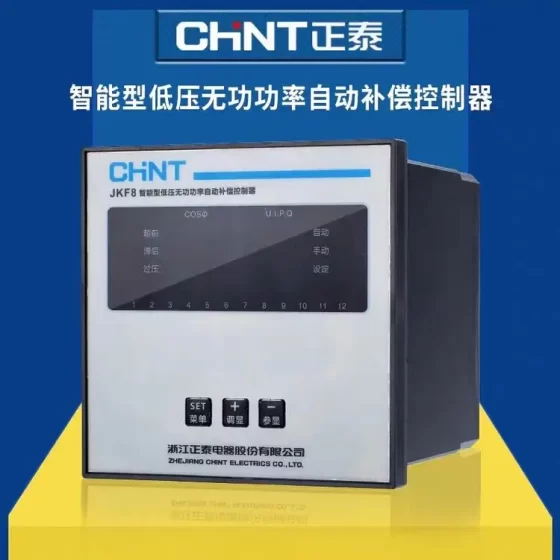
Contacteur,disjoncteur,capteur,Encodeur,API,Convertisseur





Remarque importante: The standard coil of 100-C85A00 is AC240V 60Hz, NOT 220V 50Hz.
Preferred replacement for domestic 220V 50Hz supply: 100-C85KF00 (AC230V 50/60Hz universal for 220V applications)
Spécifications de base
Série: 100-C IEC AC Contactor (Allen-Bradley, Rockwell Automatisation)
Contacts principaux: 3-pole NO, AC-3 rated current 85A
Contacts auxiliaires: 0NON+0NC (pas de contacts auxiliaires intégrés); external auxiliary contact modules available
Terminaux: Bornes à vis; coil terminals on Line Side
Montage: 35mm rail DIN
Normes: CEI/EN 60947-4-1, UL, Certification CCC
Cycle de vie: 100-C85A00 discontinued; 100-C85KF00 active
Puissances nominales (Charge du moteur AC-3)
230V triphasé: 30HP
460V triphasé: 60HP
575V triphasé: 60HP
Répartition du modèle
100-C85 A 00
100-C: MCS-C IEC contacteur série
85: AC-3 rated current 85A
UN: Coil code → AC240V 60Hz
00: Configuration des contacts auxiliaires: 0NON+0NC
In-stock same-frame models for 220/230V
100-C85KF00: AC230V 50/60Hz coil (first choice for domestic 220V, no built-in aux contacts)
With built-in auxiliary contacts: 100-C85KF10 (1NON), 100-C85KF01 (1Caroline du Nord)
Directives de remplacement
- Never directly replace 100-C85A00 (240V 60Hz) on domestic 220V 50Hz supply; insufficient pull-in force will cause chattering and coil burnout.
- Remplacement préféré: 100-C85KF00
- Equivalent national: CJX2-8011; Schneider LC1D80
Accessoires compatibles
Bloc de contacts auxiliaires: 100-F (1NON/1NC)
Suppresseur de surtension: 100-UN (RC type), 100-RA (varistor type)
Matching overload relay: 193-série E
Replacement Cross Reference for 100-C85KF00 (AC-3 85A, Bobine AC230V, 0NON+0NC)
Note: Allen-Bradley offers 85A frame; Siemens and Schneider do not have an exact 85A model. The standard equivalent is the 80A frame with sufficient margin; select 95A for full current coverage.
Bobine: AC220/230V 50/60Hz for domestic use; all models come with built-in auxiliary contacts (no native 0-aux version; block off unused contacts if required).
| Marque | Modèle (Bobine AC230V) | AC‑3 Current @400V | Remarques |
| Allen‑Bradley | 100‑C85KF00 | 85UN | 0NO+0NC built‑in; add external 100‑F auxiliary blocks |
| Siemens (Domestic SIRIUS 3RT6) | 3RT6037‑1AN00 | 80UN | S3 frame, bornes à vis; 1NO+1NC built‑in; block off aux contacts if 0‑aux is required |
| Siemens (Import 3RT1) | 3RT1037‑1AN00 | 80UN | Imported version, same electrical parameters as 3RT6037‑1AN00 |
| Siemens (Upgraded 95A for heavy duty) | 3RT6044‑1AN00 | 95UN | Recommended for heavy loads and frequent starts |
| Schneider TeSys Deca (LC1D) | LC1D80M7C | 80UN | M7 = AC220V 50/60Hz; 1NO+1NC built‑in |
| Schneider EasyPact D3N Economy | LC1N80M5N | 80UN | M5 = AC220V 50Hz, rentable |
| Schneider (Upgraded 95A) | LC1D95M7C | 95UN | Preferred for AC‑4 and jogging duty |
Explication du modèle & Auxiliary Contact Notes
- Siemens 3RT6037-1AN00
3RT6: SIRIUS domestique; 037: 80UN; 1AN00: AC220V 50/60Hz
Limitation: This frame always comes with 1NO+1NC built-in; no native zero-aux version. Cover unused contacts if the drawing requires 0NO+0NC.
- Schneider LC1D80M7C
LC1D: TeSys Déca; 80: AC-3 80A; M7: AC220V 50/60Hz
Same limitation: 1NO+1NC built-in; no zero-aux original model.
- If you strictly require zero built-in auxiliary contacts (all aux contacts external only):
Siemens and Schneider do not produce native zero-aux models in this current range due to design differences. This will not affect wiring or PLC logic; only drawing notation needs revision.
Motor Power Equivalence (400V triphasé)
AB 100-C85KF00: 45kW
3RT6037-1AN00 / LC1D80M7C: 40kW
3RT6044-1AN00 / LC1D95M7C: 50kW
Matching Overload Relays
Allen-Bradley: 193-série E
Siemens: 3RU6137 (for 3RT6037)
Schneider: LRD43 (for LC1D80)
Avertissements sur les risques de remplacement
- Mounting dimensions and DIN rail positions are similar, but terminal layout and overall height differ. Verify outline drawings before retrofitting existing panels.
- Coil pull-in voltage range and power consumption differ slightly; do not reuse old coil parameters directly.
- For AC-4 jogging and frequent forward/reverse operation, select the 95A frame instead of 80A.
- Never directly replace 100-C85A00 (240V 60Hz); always use the KF coil variant first.
Additional Domestic Alternatives
CJX2-8011 (Bobine AC220V, 80UN, 1NO+1NC built-in)
Allen-Bradley Bulletin 100-C (IEC AC Contactor) Full Catalog List
Série: 100-C = standard 3-pole contactors (AC-3); 104-C = reversing contactors (avant/arrière); 100S-C / 104S-C = positively guided safety contactors
Règle modèle: `100-Cxx△yy`
xx: Courant nominal AC-3
△: Code bobine (Clé: KF=AC230V 50/60Hz, first choice for domestic 220V supply)
yy: Contacts auxiliaires intégrés: 00=0NO+0NC; 10=1NON; 01= 1 NC; 11=1NO+1NF
- Current Frame Base Models (swap coil code only)
| Modèle de base | AC‑3 Current @400V | 400V Motor Power |
| 100‑C09□□ | 9UN | 4kW |
| 100‑C12□□ | 12UN | 5.5kW |
| 100‑C16□□ | 16UN | 7.5kW |
| 100‑C23□□ | 23UN | 11kW |
| 100‑C30□□ | 30UN | 15kW |
| 100‑C37□□ | 37UN | 18.5kW |
| 100‑C43□□ | 43UN | 22kW |
| 100‑C50□□ | 50UN | 25kW |
| 100‑C60□□ | 60UN | 30kW |
| 100‑C72□□ | 72UN | 37kW |
| 100‑C85□□ | 85UN | 45kW (votre modèle) |
| 100‑C97□□ | 97UN | 55kW |
- Coil Code Reference (Most Common Domestic Types)
| Code | Tension de bobine | Description |
| KJ | AC24V 50/60Hz | 24VAC control |
| KF | AC230V 50/60Hz | ✅ Preferred for domestic 220V (100‑C85KF00) |
| KV | AC110V 50/60Hz | 110VAC control |
| D | DC24V (standard DC coil) | 24VDC control |
| DD | DC110V | 110VDC control |
| UN | AC240V 60Hz (héritage, par exemple. 100‑C85A00, not recommended for domestic 50Hz supply) | North American 60Hz specification |
Auxiliary suffix: 00 /10 /01 /11
Exemple: 100-C85KF00 = 85A, AC230V, zero built-in aux contacts; 100-C85KF10 = 85A, 230V, 1NO built-in
- Full Active Catalog Numbers (3-pôle, bornes à vis, line-side coil)
09UN
100-C09KJ00 / 100-C09KJ10 / 100-C09KJ01 / 100-C09KJ11
100-C09KF00 / 100-C09KF10 / 100-C09KF01 / 100-C09KF11
100-C09KV00 / 100-C09D00
12UN
100-C12KJ00 / 100-C12KF00 / 100-C12KV00 / 100-C12D00
16UN
100-C16KJ00 / 100-C16KF00 / 100-C16KV00 / 100-C16D00
23UN
100-C23KJ00 / 100-C23KF00 / 100-C23KV00 / 100-C23D00
30UN
100-C30KJ00 / 100-C30KF00 / 100-C30KV00 / 100-C30D00
37UN
100-C37KJ00 / 100-C37KF00 / 100-C37KV00 / 100-C37D00
43UN
100-C43KJ00 / 100-C43KF00 / 100-C43KV00 / 100-C43D00
50UN
100-C50KJ00 / 100-C50KF00 / 100-C50KV00 / 100-C50D00
60UN
100-C60KJ00 / 100-C60KF00 / 100-C60KV00 / 100-C60D00
72UN
100-C72KJ00 / 100-C72KF00 / 100-C72KV00 / 100-C72D00
85UN
100-C85KJ00
100-C85KF00 (domestic 220V standard model)
100-C85KF10, 100-C85KF01, 100-C85KF11
100-C85KV00
100-C85D00
100-C85A00 (legacy 240V 60Hz; not recommended for direct domestic replacement)
97UN
100-C97KJ00 / 100-C97KF00 / 100-C97KV00 / 100-C97D00
- 104-C Reversing (Avant/Arrière) Complete Catalog Numbers (integrated mechanical interlock)
Format: 104-CxxKF22 (22 = 1NO+1NC built-in aux contacts)
104-C09KF22, 104-C12KF22, 104-C16KF22, 104-C23KF22
104-C30KF22, 104-C37KF22, 104-C43KF22, 104-C50KF22
104-C60KF22, 104-C72KF22, 104-C85KF22, 104-C97KF22
- Compatible Spare Parts (Universal for all 100-C frames)
Bloc de contacts auxiliaires: 100-FA11 (1NON+1NC), 100-FA20 (2NON), 100-FA02 (2Caroline du Nord)
Suppression des surtensions: 100-UN (Amortisseur RC), 100-RA (varistance)
Matching overload relay: 193-série E (direct plug-on fit with 100-C)
Verrouillage mécanique: 100-M05 for C09~C43; 100-M13 for C50~C97
- Notes de sélection
- 100-C is an IEC frame, not NEMA; NEMA contactors are the 100-D series with higher current ratings.
- Screw terminals are standard; spring-clamp terminals carry the CR suffix (100-CR…).
- Cycle de vie: 100-C85A00 (A coil) abandonné; KF coil variants remain active with CCC certification for mainland China.
- 4-contacteurs de pôles: 100-Cxx□400 (4NO main contacts for resistive loads only).
- Overload Relay Quick Matching (193-E)
C09~C16: 193-EECB
C23~C43: 193-EEED
C50~C72: 193-EEEE
C85 / C97: 193-EEEF
Défauts courants & Troubleshooting for Allen-Bradley 100-C /100S-C /104-C Contactors
Applicable to your 100-C series. Important: No separate replacement parts for main contacts, armature cores or springs for the 100-C frame. Only coils can be ordered individually; replace the entire unit if mechanical or contact damage occurs.
Précaution de sécurité: Isolate power, apply lockout/tagout, and verify zero voltage before maintenance.
- Bobine alimentée, contactor fails to pull in completely
Symptôme: No movement or sound when control voltage is applied
Causes profondes
- Missing coil supply, câblage cassé, open emergency stop / safety interlock / interlocking contacts
- Bobinage ouvert (resistance reading infinite on multimeter)
- Wrong coil specification (cas typique: 100-C85A00 (AC240V 60Hz) connected to 220V 50Hz supply → insufficient pull-in force or no pull-in)
- Mechanical binding: iron core clogged with metal dust, dirt, deformed housing, jammed guide rail or fatigued return spring
- Control voltage lower than 85% de valeur nominale
Solutions
- Measure voltage directly at coil terminals (not just power supply terminals); check E-stop, barrières de sécurité, PLC outputs and 104-C mechanical interlocks
- Verify coil catalog code (KF=AC230V, KJ=AC24V, KV=AC110V, D=DC24V)
- Replace coil if open circuit; replace the whole contactor if core jamming or housing deformation occurs
- Clean dust and oil from pole faces; check for skewed mounting
- Bavarder, loud buzzing, repeated pull-in and drop-out (contact chatter)
Symptôme: Rapid “click-click” vibration with continuous hum; contacts cycle rapidly and burn quickly
Causes profondes
- Low control voltage, excessive voltage drop on long cables, insufficient power supply capacity (most frequent cause)
- Dirty, rusted or oily core pole faces with poor contact; broken short-circuit ring on AC coils (100-C AC models)
- Wrong coil rating (60Hz North American coil used on 50Hz mains)
- Poor contact on auxiliary contacts causing loose holding/latching circuit
- Loose DIN rail mounting leading to cabinet resonance
Solutions
- Measure coil voltage under load; maintain voltage within 85%~110% of rated value
- Clean pole faces when de-energized; replace the entire contactor if the short-circuit ring is broken (no spare ring available)
- Replace legacy A-code (240V 60Hz) coils with KF-code (AC230V 50/60Hz universal) bobines
- Tighten DIN rail and mounting screws
- Repeated coil burnout and excessive overheating
Symptôme: Discolored coil with burnt odor and melted insulation; repeated coil failure within short periods
Causes profondes
- Sustained overvoltage (>110% noté) or sustained under-voltage with incomplete core closure (large magnetizing current due to air gap)
- Operating frequency exceeding the rated mechanical operation rate of the 100-C series
- Température ambiante élevée, mauvaise ventilation de l'armoire, and overcrowded contactors with no heat gap
- No surge suppression for frequent switching of inductive loads (moteurs, électrovannes)
- Misapplication: AC coil used on DC supply
Solutions
- Eliminate mechanical binding to ensure full core closure; stabilize supply voltage
- Upgrade to 100-E series or select one frame larger for high-frequency jogging duty
- Maintain spacing between contactors; add cabinet cooling fans; install surge suppressors 100-A (RC) / 100-RA (varistance)
- Note: Standard DC coils run hot with continuous energization (no energy-saving circuit)
- Main contact erosion, discoloration, perte de phase, surchauffe, weak motor torque
Symptôme: Hot terminal lugs, unbalanced three-phase current, motor hunting, frequent overload relay tripping
Causes profondes
- Continuous overload or AC-4 jogging / frequent forward-reverse operation with undersized contactor (AC-3 and AC-4 ratings differ significantly)
- Loose terminal screws creating high contact resistance and thermal runaway
- Arc erosion and end-of-life contact wear
- Mismatched upstream circuit breaker/fuse protection leading to short-circuit damage to contacts
Solutions
- Retorque main terminal screws per Rockwell torque specifications
- Measure three-phase current and re-evaluate load rating; select one frame larger for AC-4 duty (upgrade C85 to C97)
- Replace the entire contactor if contacts are heavily arced; do not file or repair contacts for long-term service
- Verify SCCR short-circuit coordination with upstream protection devices
- Failure to drop out after de-energization; soudage par contact (HAZARD CONDITION)
Symptôme: Main contacts remain closed even after coil power is removed; le moteur ne peut pas s'arrêter
Causes profondes
- Severe short-circuit or locked-rotor current melting contact silver plating (most dangerous failure mode)
- Progressive welding caused by continuous contact chatter and repeated arcing
- Fatigued return springs or oil-sticky pole faces preventing core release
- Jammed mechanical interlock on 104-C reversing contactors
Solutions
- ⚠️ Never pry welded contacts open for continued service; replace the whole unit immediately
- Investigate phase short circuits, motor stall conditions, and implement triple protection (program interlock + electrical interlock + verrouillage mécanique) for forward/reverse circuits
- Upsize contactor rating, add current limiting, adjust star-delta timing, and fit surge suppressors if welding recurs
- Inspect 100-Mxx mechanical interlock parts for deformation or jamming on 104-C units
- Auxiliary contact failures (external 100-FA blocks)
Symptôme: Unstable PLC feedback, intermittent latching, lost control signals
Causes profondes
- Poorly latched auxiliary contact modules with loose snap-on clips
- Auxiliary contacts rated only for low-power control circuits; cannot directly drive solenoid loads
- Arc burn and mechanical fatigue
- Failed positively guided mirror contacts on 100S-C safety models (safety circuit risk)
Solutions
- Reinstall 100-FA modules and confirm full clip engagement
- Use auxiliary contacts only for dry control signals; do not switch high-power solenoids directly
- Use 100S-C positively guided safety contactors for safety feedback circuits; never use standard 100-C models
- Special Faults for 104-C Reversing (Avant/Arrière) Contacteurs
Jammed or broken mechanical interlock: 100-Mxx interlock parts can be ordered separately for replacement
Simultaneous pull-in of forward and reverse contactors: Implement three-level interlock (program logic + electrical interlock + verrouillage mécanique) and avoid short transition timing
- Environnemental & Aging Failures
Humidité, corrosive gas and dust: Core rusting, insulation degradation and leakage current
High-altitude or high-temperature enclosures: Derate current rating and select one frame larger
Long-term storage: Dust buildup on pole faces; manually test mechanical operation before power-up
Step-by-Step On-site Troubleshooting Procedure
- De-energize power → Visual inspection: burnt marks, discoloration, bornes desserrées, deformed housing
- Measure coil resistance and cross-check coil voltage catalog code
- Manually depress the contactor to check for smooth mechanical movement and binding
- Apply power under supervised conditions; measure coil voltage under load to rule out undervoltage
- Test continuity across main three-phase contacts to detect welding or open phases
- Check auxiliary contacts, verrouillages, emergency stops and safety loops
Sélection des clés & Notes d'application (for your 100-C85KF00)
Never replace KF coils with legacy A coils (240V 60Hz); chatter and coil burnout will occur on 50Hz mains
No separate main contact kits for 100-C; replace the whole unit once contacts are damaged; only coils are available as spare parts
Upsize one frame for AC-4 jogging and frequent forward/reverse cycling


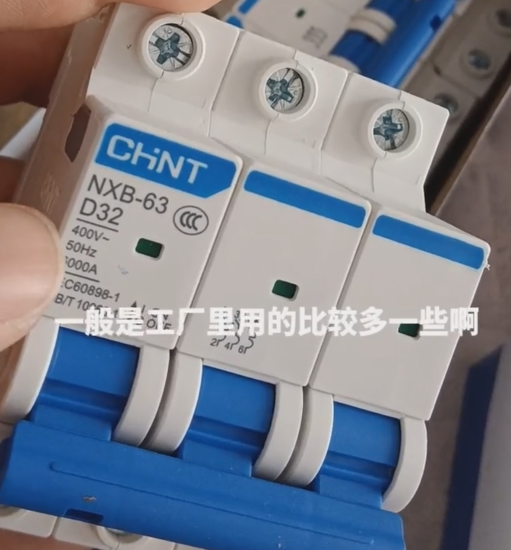
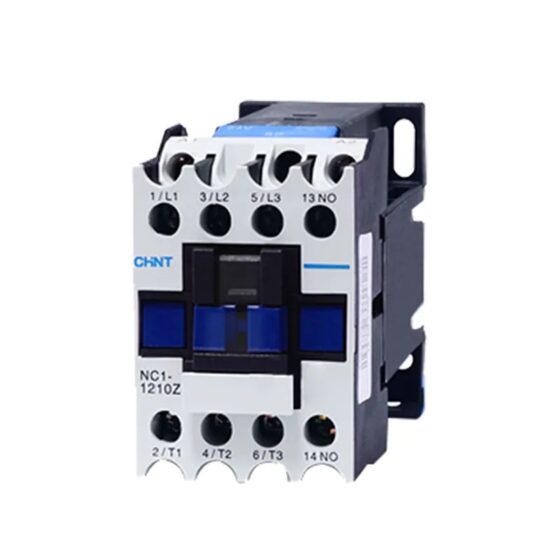
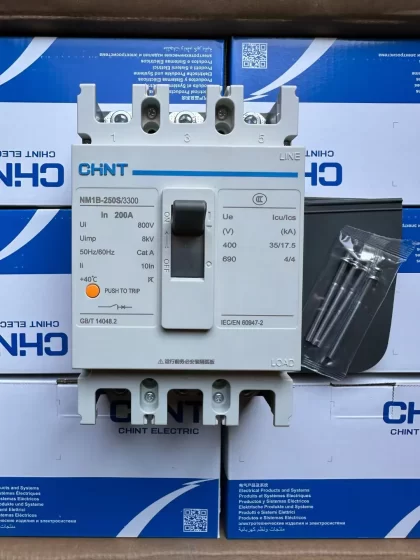
NH42-63-318x560.png "Commutateurs de transfert automatiques de type PC CHINT (ATS)NH42-63/4SZ")