Contator,disjuntor,sensor,Codificador,CLP,Conversor


Decodificação de código de modelo passo a passo
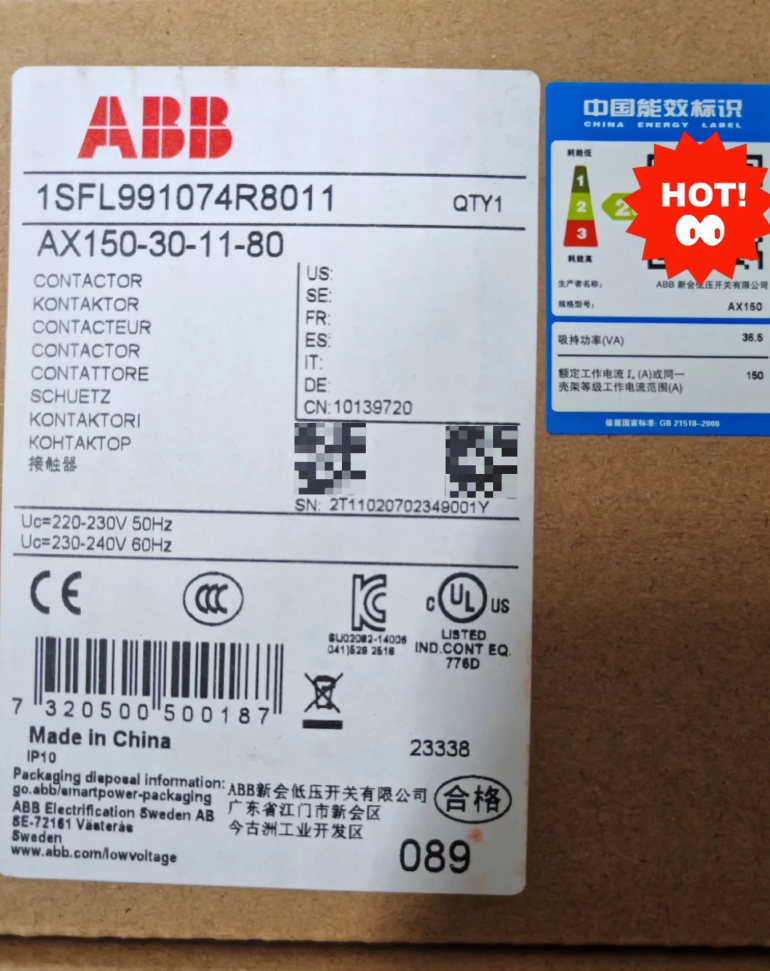
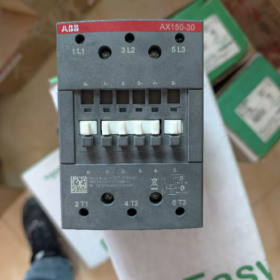
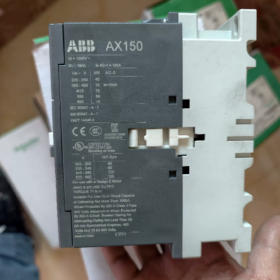
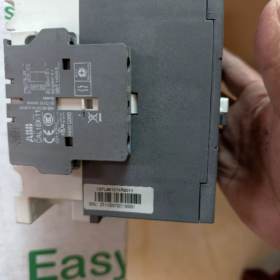
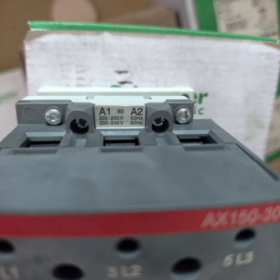
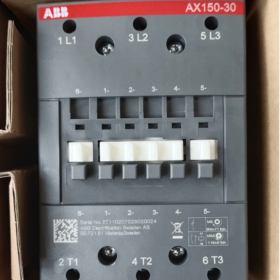
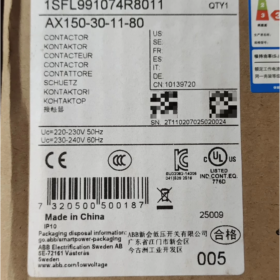
AX150-30-11-80
- MACHADO: New generation general-purpose Contator CA series of ABB
- 150: Rated operational current of 150A under AC-3 load at 400V
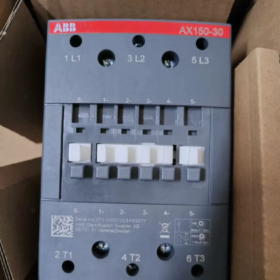
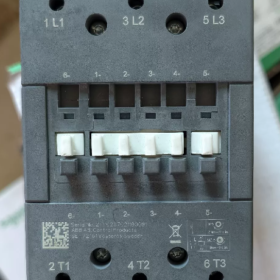
- 30: 3-contatos principais do pólo, 3 normalmente aberto (no main normally closed contacts)
- 11: Built-in standard auxiliary contacts: 1 Normalmente aberto + 1 Normalmente fechado (1NÃO+1NC)
- 80: Coil code → AC 220–230V 50Hz / AC 230–240V 60Hz (Standard domestic AC 220V coil)
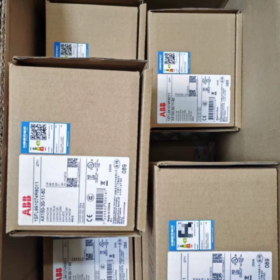
Original factory material order number: 1SFL991074R8011
Domestic catalog order number: 10139720
- Parâmetros elétricos principais
2.1 Main Circuit Load (CEI 60947-4-1)
| Item de parâmetro | Valor da especificação |
| Rated motor current under AC-3 (400V / 55℃) | 150UM |
| Controlled motor power at 400V | 75KW |
| AC-1 resistive thermal current (40℃ / 690V) | 190UM |
| AC-1 resistive thermal current (55℃ / 690V) | 145UM |
| Rated insulation voltage Ui of main circuit | 690V |
| Maximum allowable operating voltage of main circuit | 1000V e |
| Tensão nominal suportável de impulso Uimp | 8kV |
| Making and breaking capacity under AC-3 | 10× Ou seja (1500UM) |
| Frequência máxima de operação | 300 operações/hora |
2.2 Circuito de controle de bobina
Tensão da bobina: 220–230 V 50 Hz; 230–240 V 60 Hz
| Faixa de tensão de pull-in: 0.85~1,1 × tensão nominal
Tensão de saída: ≤0,1 × tensão nominal
Tipo de bobina: Bobina de excitação CA
2.3 Contatos Auxiliares
Configuração padrão: 1NÃO + 1NC, não são necessários blocos de contato auxiliares extras
Corrente nominal dos contatos auxiliares: 6E AC-15
- Ambiental & Parâmetros Mecânicos
- Temperatura ambiente
Sem relé de sobrecarga térmica: -40℃ ~ +70 ℃
Combinado com relé de sobrecarga térmica: -25℃ ~ +55℃
Temperatura de armazenamento: -40℃ ~ +70 ℃
- Altitude de instalação: ≤3000m (A redução de potência é necessária acima de 3.000 m)
- Dimensões Gerais: L 90 mm × A 148 mm × P 123,5 mm
- Método de montagem: Dupla finalidade para montagem em trilho DIN padrão de 35 mm e fixação por parafuso
- Conexão Terminal: Conexão do barramento do circuito principal, compatível com crimpagem de cabo/barramento
- Classe de Proteção: IP20 (Somente para instalação em gabinete interno)
- Cenários típicos de aplicação
- Controle start-stop de motores assíncronos trifásicos (75motores kW para ventiladores, bombas de água, compressores de ar, máquinas de moldagem por injeção)
- Contatores de comutação para gabinetes de compensação de capacitores (Carga AC-1)
- Controle de carga de alta potência para sistemas centrais de ar condicionado e HVAC
- Circuitos de potência para máquinas-ferramentas, equipamento de elevação e transporte
- Dispositivo de comutação de energia padrão para gabinetes de distribuição de energia e cubículos de controle completos
- Acessórios correspondentes opcionais
Relés de sobrecarga térmica série TA200DU (Faixa de corrente correspondente de 150A)
Módulo de intertravamento mecânico (Para controle bidirecional direto/reverso)
Montado lateralmente / módulos de contato auxiliares estendidos montados na frente
Supressores de surto (Absorvedor RC, varistor para proteção de bobina)
Capas protetoras de terminais
- Referência de substituição equivalente
- Mesma série, mesma classificação de corrente com diferentes tensões de bobina:
AX150-30-11-81: Bobina CA 110V; AX150-30-11-84: Bobina CA 380V
- Substituição de atualização para modelo antigo: A150-30-11 → AX150-30-11 (Intercâmbio direto, dimensões de montagem idênticas)
- Alternativas equivalentes entre marcas: Schneider LC1D150, Siemens3RT1056
- Principais vantagens
- Compatível com IEC, CE e padrões nacionais; Tipo 2 coordenação de curto-circuito, seguro e confiável quando combinado com disjuntores/fusíveis
- Design de contato de espelho, aplicável a circuitos de segurança e controle de intertravamento
- Materiais retardadores de chama ecológicos, bobina de baixa potência, aumento de baixa temperatura durante operação de longo prazo
- Tamanho compacto, menos ocupação de espaço no gabinete em comparação com a antiga série A
Parâmetros oficiais de resistência mecânica da ABB AX150-30-11-80
- Durabilidade Mecânica
10 milhões de operações (10×10⁶ ciclos)
Condições de teste: Sem carga no circuito principal; somente fechamento/fechamento alternativo acionado pelo mecanismo de bobina. Sem arco elétrico ou desgaste elétrico de contato; apenas vida útil mecânica das molas, armadura, braquetes e outros componentes mecânicos são avaliados.
- Principais parâmetros de frequência de suporte
Frequência máxima de operação mecânica: 3600 operações/hora (Condição de teste padrão sem carga)
Frequência máxima de operação elétrica (Carga do motor AC-3): 300 operações/hora (Carregar start-stop, limitado pelo arco de contato)
- Distinção: Vida Mecânica vs Vida Elétrica (Condição de Trabalho AC-3)
| Item | Valor | Descrição |
| Vida Mecânica | 10 milhões de ciclos | Sem corrente, apenas abrasão mecânica |
| Vida Elétrica AC-3 | Aprox.. 1 milhões de ciclos | Para controle start-stop de motores de 75kW; a erosão do arco de contato determina o ciclo de substituição |
- Notas Suplementares
- Todos os modelos de alta corrente da série AX completa (AX110/AX150/AX185/AX205) compartilham uma vida mecânica uniforme de 10 milhões de ciclos; o antigo A150 também apresenta 10 milhões de ciclos mecânicos com substituição direta estruturalmente compatível.
- Temperatura ambiente, altitude, a contaminação por poeira e óleo reduzirá ligeiramente a vida útil mecânica real; o valor nominal pode ser alcançado em gabinete limpo e condições normais de temperatura.
- A vida mecânica permanece inalterada em 10 milhões de ciclos após a instalação de um módulo de intertravamento mecânico em circuitos de controle reversíveis.
Princípio operacional completo do contator AC ABB AX150-30-11-80
- Estrutura Interna Central
- Sistema de condução eletromagnética (Bobina + Núcleo Fixo + Armadura Móvel)
Bobina: A bobina com código 80 é uma bobina de excitação AC 220V enrolada no núcleo fixo.
Núcleo Fixo: Base fixa equipada com um anel de sombreamento na face final (Componente central de supressão de ruído e vibração para contatores CA)
Armadura Móvel: Núcleo de ferro móvel ligado de forma síncrona aos contatos principais e auxiliares
Primavera de retorno: Empurra a armadura aberta sob estado normal para garantir uma separação de contato confiável após o desligamento
- Circuito de contato principal (3 Pólos principais normalmente abertos)
Três conjuntos de contatos fixos e móveis em liga de prata de alta potência que transportam corrente do circuito principal trifásico de 150A para controlar cargas como motores de 75kW.
- Contatos Auxiliares (1NÃO+1NC)
Operar de forma síncrona com os contatos principais, usado para travamento automático, interligado, feedback de sinal e circuitos de luz indicadora, avaliado em 6A.
- Rampa de Arco
Blindagem de arco metálico tipo grade que divide e resfria arcos elétricos durante quebras de corrente intensa para evitar derretimento de contato e soldagem.
- Base & Suporte de ligação
Suporte de plástico isolado que aciona todos os contatos móveis e fixos para abrir/fechar de forma síncrona com o movimento da armadura.
- Faça a operação quando energizado
- A tensão nominal CA 220 V é fornecida à bobina através do circuito de controle, gerando um campo magnético alternado.
- A atração eletromagnética produzida pelo núcleo fixo supera a tensão da mola de retorno e puxa a armadura móvel.
- O suporte de ligação se move para baixo de forma síncrona:
Três conjuntos de contatos principais normalmente abertos fecham, conduzindo o circuito principal trifásico e energizando o motor/carga para operação.
Auxiliar Normalmente Aberto (NÃO) contatos fechados e auxiliares normalmente fechados (NC) contatos abertos.
- Função do anel de sombreamento na face final do núcleo fixo: A tensão CA cruza zero a cada ciclo, causando desaparecimento instantâneo do campo magnético e queda de atração. O anel de sombreamento induz uma corrente atrasada para manter a atração parcial, eliminando vibração de armadura de alta frequência, ruído anormal e faíscas de contato.
- Nenhum arco elétrico ocorre dentro da calha de arco, e o circuito conduz de forma estável.
- Interrompa a operação quando desenergizado
- A fonte de alimentação da bobina do circuito de controle é cortada; o campo magnético alternado da bobina desaparece rapidamente e a atração eletromagnética cai para zero.
- A mola de retorno recupera instantaneamente para separar a armadura móvel do núcleo fixo.
- Todos os contatos são redefinidos de forma síncrona:
Três grupos de contatos principais abertos, cortando o circuito principal e parando a carga.
Os contatos NA auxiliares abrem e os contatos NC restauram o estado fechado.
- Arcos elétricos de alta tensão geram contatos principais instantâneos separados (A corrente não pode sofrer mutação para cargas indutivas).
Os arcos entram na calha do arco, dividido em pequenos segmentos por grades metálicas multicamadas, resfriar rapidamente e extinguir para evitar soldagem por fusão por contato.
- Princípio de controle de travamento automático (Circuito padrão de partida e parada do motor)
- Pressione o botão Iniciar → Bobina energiza, o contator é puxado e o contato NA auxiliar fecha de forma síncrona.
- Depois de soltar o botão Iniciar, a corrente alimenta continuamente a bobina através do contato NO auxiliar fechado para sustentar o estado de pull-in (Função de travamento automático).
- Pressione o botão parar para cortar a energia da bobina; a mola libera a armadura, todos os contatos do contator são reiniciados e o equipamento desliga.
- Lógica de proteção de correspondência de chave
- Combinando com relé de sobrecarga térmica: Sob condições de sobrecarga, o contato normalmente fechado do relé térmico abre o circuito da bobina do contator e corta a alimentação do motor.
- Intertravamento mecânico instalado para circuitos reversíveis: Intertrave dois contatores AX150 para evitar o acionamento simultâneo dos contatores de avanço e reverso, o que causaria curto-circuito trifásico.
- Supressor de surto RC conectado em paralelo com a bobina: Absorve a alta tensão induzida gerada durante a interrupção para evitar a quebra de contatos de baixa corrente de PLCs e relés.
- Diferença central entre contatores CA e CC (Série AX equipada com bobinas AC)
O AX150 adota excitação AC e conta com um anel de sombreamento para eliminar vibração. Os contatores CC não necessitam de anel de sombreamento e mantêm a atração por meio de atração magnética constante.
Os arcos elétricos CA se extinguem mais facilmente do que os arcos CC após o corte de energia; emparelhado com calhas de arco de grade, atende ao requisito de quebrar corrente pesada de 150A.




NH42-63-318x560.png "Chaves de transferência automática tipo PC CHINT (ATS)NH42-63/4SZ")