Contactor,întrerupător de circuit,senzor,Codificator,PLC,Convertor

- Distincția de bază într-o singură propoziție
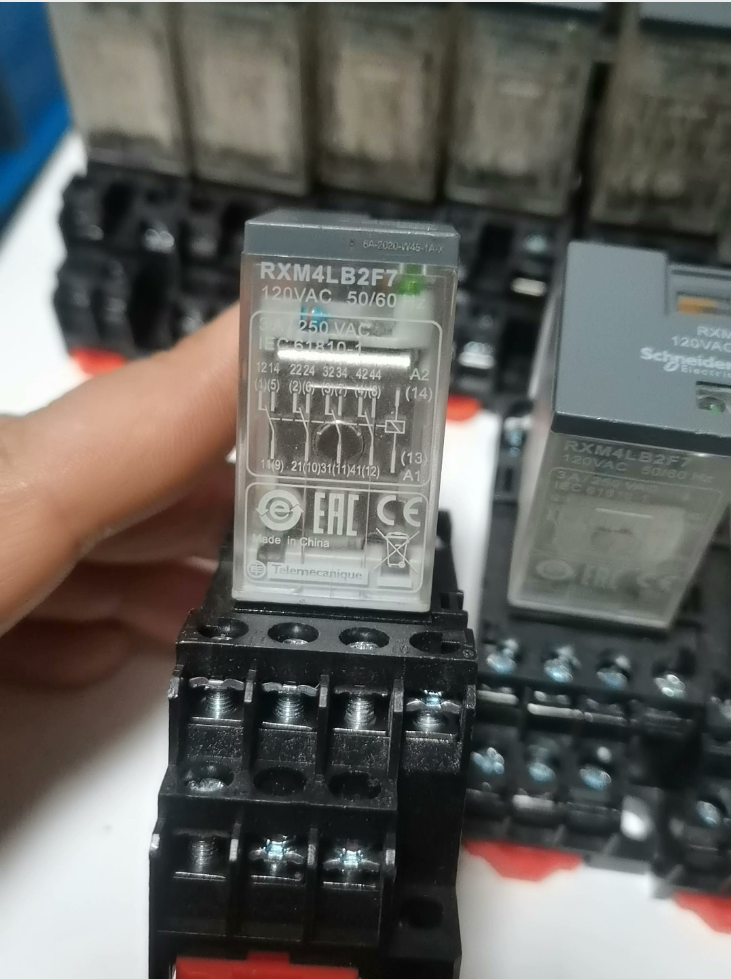
Releu intermediar: Transmite semnale, transportă curent scăzut, servește ca stație de transfer de semnal
Contactor: Aduceți sarcinile, transportă curent mare, controlul motoarelor
- Comparație intuitivă
- Capacitate de transport curent
Releu intermediar: Max 6~10A, numai pentru circuite de curent scăzut
Contactor: 10A până la mii de amperi, aplicabil echipamentelor de mare putere
- Aplicația principală
Releu intermediar: Conversie semnal PLC, cablare cu mai multe circuite, interblocarea circuitului, extinderea contactului
Contactor: Controlați direct sarcinile de mare putere, cum ar fi motoarele, pompe de apa, ventilatoare si tuburi de incalzire
- Diferența de contact
Releu intermediar: Echipat doar cu contacte mici, fără distincție principal/auxiliar, cantitate mare de contacte
Contactor: Compus din contacte principale de curent ridicat și contacte auxiliare de curent scăzut; contactele principale sunt special concepute pentru transmiterea curentului de sarcină
- Performanță de stingere a arcului
Releu intermediar: Fara scut de arc, incapabil să întrerupă arcul electric puternic
Contactor: Scut de arc încorporat pentru a stinge arcul electric în timpul opririi și pentru a preveni arderea contactului
- Dimensiune & Preţ
Releu intermediar: Compact și ieftin, dens instalat în dulapuri de comandă
Contactor: Mai mare ca dimensiune și mai mare ca preț
- Principiul de funcționare a bobinei
Ei împărtășesc același principiu de funcționare: Bobina de curent scăzut se trage pentru a controla contactul pornit-oprit.
Singura diferență constă în capacitatea maximă de purtare a curentului a contactelor.
- Reguli practice de selecție
Utilizați relee intermediare pentru conversia semnalului de curent slab
Utilizați contactori pentru controlul pornire-oprire a motoarelor de mare putere
Adăugați relee intermediare pentru a extinde contactele atunci când contactele auxiliare ale contactoarelor sunt insuficiente
- Scenarii tipice de aplicare
Comutarea semnalului scăzut în interiorul dulapurilor de comandă: Relee intermediare seria RXM
Control pornire-oprire a motoarelor de 380V: Contactoarele AC sunt obligatorii