Contator,disjuntor,sensor,Codificador,CLP,Conversor

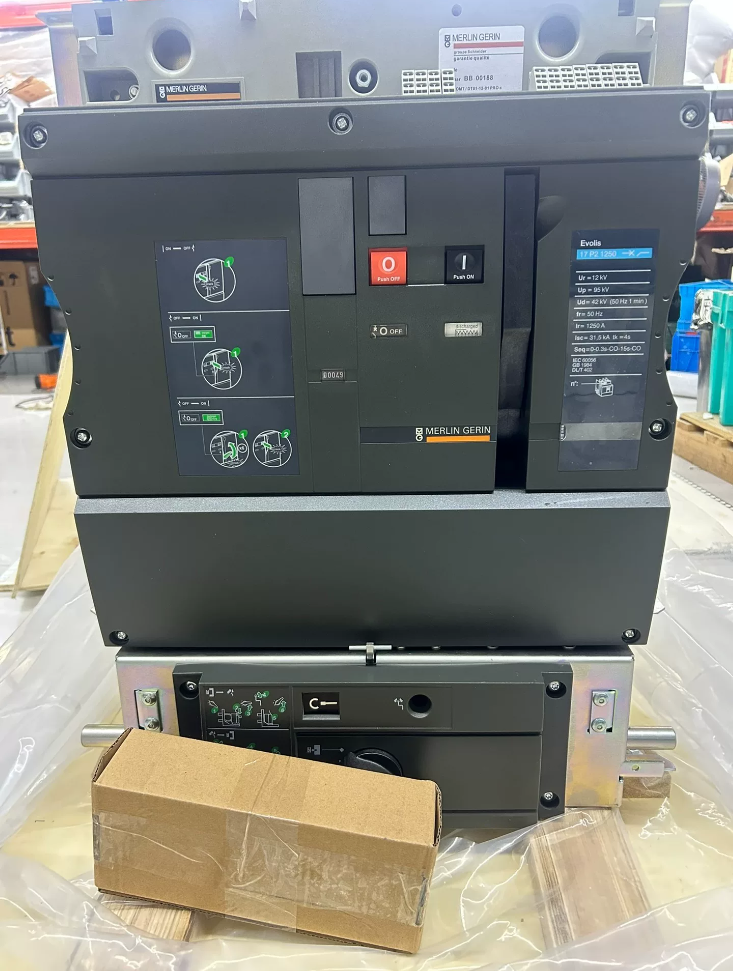

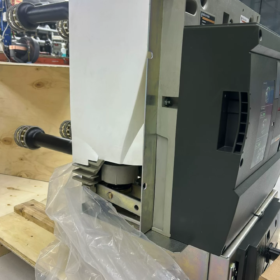
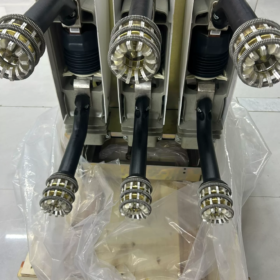
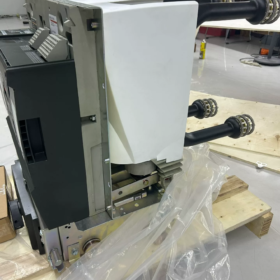
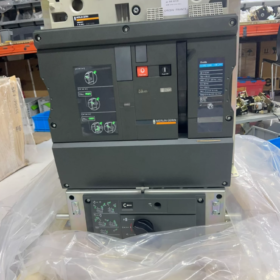
Evolis pertence a Schneider Vácuo de média tensão interno série PacT disjuntor. Está sendo gradualmente substituído pelo EasyPact EXE; 1250A é a especificação de corrente nominal principal desta série, disponível em tipo fixo / tipo de caminhão extraível (com base de berço). É compatível com MVnex e outros painéis de média tensão.
✅ Principais especificações técnicas (12Versão kV, 1250UM)
| Item | Parâmetro |
| Nome completo do produto | Disjuntor a vácuo interno Evolis |
| Tensão nominal Ur | 7.2 / 12 / 17.5 / 24 kV |
| Corrente nominal em | 1250A @ 40℃ |
| Corrente nominal de interrupção de curto-circuito Isc | 25o / 31.5o / 40o (opcional) |
| Corrente nominal de curto-circuito Icm | Valor de pico correspondente: 63o / 80o / 100o |
| Corrente suportável de curto prazo Icw | 25/31.5/40o, 3é |
| Tecnologia de interruptor | Interruptor a vácuo de campo magnético axial AMF. O arco se difunde uniformemente com baixa erosão de contato, E2 electrical endurance class (CEI 62271-100) |
| Mecanismo Operacional | Spring charged mechanism (RI type), manual / motor charging available; coils for AC220V/DC220V/DC110V optional |
| Resistência Mecânica | 10,000 close-open cycles |
| Power-frequency Withstand Voltage | 42kV (1min); Lightning Impulse Withstand Voltage 75kV |
| Padrões Aplicáveis | CEI 62271-100, GB 1984 |
| Estrutura | Tipo fixo, tipo de caminhão extraível; front operation / side operation versions |
| Ambiente Operacional | Interior, -5 ~ +40℃; anti-condensation and high-altitude versions available |
📌 Model Coding Rule (Evolis)
Exemplo: `Evolis 12 1250 P2`
- 12: Rated voltage 12kV
- 1250: Rated current 1250A
- P1=25kA; P2=31.5kA; P3=40kA short-circuit breaking current
Optional secondary configuration: closing coil, tripping coil, charging motor, contatos auxiliares, anti-misoperation interlock (bloqueio de chave), position switches, LPCT current sensors, etc..
⚙️ Core Features
- AMF Axial Magnetic Field Interrupter: The arc disperses under high short-circuit current, reducing contact wear. Suitable for frequent operation and capacitor bank switching applications.
- Projeto modular: Corpo principal do disjuntor separado do berço do caminhão para fácil integração no gabinete; suporta layouts de operação frontal e operação lateral.
- Conclua cinco bloqueios de prevenção: intertravamento de posição, intertravamento mecânico, bloqueio de chave para evitar fechamento/abertura errônea e empilhamento de caminhão com carga.
- Baixa manutenção: Interruptor a vácuo hermeticamente selado, livre de manutenção. É necessária apenas a inspeção periódica da lubrificação do mecanismo e do circuito secundário.
- Cenários de aplicação: 10Subestações industriais kV/20kV, construção de distribuição de energia, centros de dados, energia auxiliar da planta, proteção para transformadores/cabos/barramentos e bancos de capacitores.
🛠️ Instalação, Operação & Manutenção e solução de problemas
Instalação
Caminhão extraível adapta-se a cubículos de média tensão. Controle a folga fase a fase e o alinhamento dos contatos; aplique graxa condutiva nos contatos em forma de tulipa dos braços de contato.
Evite o afrouxamento dos conectores secundários; verificar o deslocamento e deslocamento excessivo do mecanismo em relação aos registros de fábrica; é necessário aterramento confiável.
Manutenção de rotina
- Limpe regularmente a poeira do mecanismo; verifique o status de carregamento e indicadores de fechamento/abertura.
- Monitore a tensão operacional para evitar subtensão da bobina, levando à falha de fechamento ou disparo.
- Inspecione o interruptor a vácuo quanto a rachaduras; realizar teste de grau de vácuo e teste de tensão suportável de frequência de energia quando necessário.
Falhas Comuns
Falha no carregamento: Falta de alimentação do motor, bloqueio do mecanismo, interruptor de limite de carregamento com defeito.
Falha ao fechar: Bobina de fechamento danificada, bloqueio não liberado, mola descarregada.
Falha ao tropeçar: Circuito de disparo quebrado, apreensão do mecanismo.
⚠️ O interruptor a vácuo não pode ser desmontado no local. Substitua todo o poste se o vácuo falhar.
📦 Opções de substituição & Notas de seleção
- Sucessor OEM: Evolis (≤17,5kV) modelo de substituição descontinuado: EasyPact EXE. Ele cobre a classificação de 1250A e pode ser adaptado no mesmo cubículo com pequenas modificações no circuito secundário.
- Alternativa doméstica: VS1(ZN63A), ZN28 e outros disjuntores a vácuo de média tensão 12kV/1250A. Necessidade de verificar as dimensões do caminhão, interface do mecanismo e capacidade de interrupção.
- Modelo Schneider de última geração: EvoPacT HVX (versão inteligente com características mecânicas integradas e monitoramento de temperatura).
📎 Referência do Código HS
Disjuntor a vácuo (média tensão interna, tensão nominal>1kV): 85352100 (disjuntor automático, tensão>1kV). Tensão nominal estadual, capacidade atual e de interrupção durante a declaração aduaneira.
🔍 Lista de verificação de inspeção de segunda mão (Evolis 1250A)
- Verificação visual: Sem rachaduras ou marcas de rastreamento em postes e interruptores a vácuo; sem descoloração por superaquecimento nos braços de contato.
- Teste mecânico: Carregamento manual e motor; 10 operações consecutivas de fechamento e abertura. Verifique os indicadores de posição e as funções de intertravamento.
- Teste elétrico: Medir a resistência da bobina; teste de resistência de contato; teste de grau de vácuo e teste de tensão suportável de frequência de energia.
- Inspeção do mecanismo: Compare a velocidade de fechamento/desarme, viagens e viagens excessivas com curva de fábrica; verifique as molas de carga quanto a corrosão e fadiga.
- Documentação: Verifique os parâmetros da placa de identificação e o relatório de teste de fábrica, confirmar quebra de classe P1/P2/P3.
Schneider Evolis VCB 1250A (Tipo extraível) Instruções de operação
⚠️ Pré-requisito de segurança: Operado apenas por eletricistas de alta tensão certificados; siga rigorosamente as regras de intertravamento de cinco prevenção; a inserção/retirada do caminhão deve ser realizada quando o CB estiver na posição aberta; usar EPI isolante antes da operação. Aplicável ao disjuntor a vácuo Evolis operado por mola para quadro MVnex, 1250UM.
Marcação do painel: O=Aberto (DESLIGADO), Eu = Fechar (SOBRE); Indicador de carga da mola: Cobrado / Alta; Contador de operações registra ciclos de fechamento e abertura.
- Definição de três posições de caminhão
- Posição de trabalho (Posição conectada): Caminhão totalmente encaixado, circuito principal primário conectado, conector secundário engatado. Fechar/abrir remoto/local disponível, normal operating position.
- Posição de teste: Primary main circuit disconnected, conector secundário ainda conectado. Teste de mecanismo e circuito secundário disponível; obturador de alta tensão fechado para isolamento.
- Posição removida: Caminhão totalmente retirado do cubículo, conector secundário desconectado. Disponível para transporte e revisão.
Intertravamento mecânico: O caminhão não pode ser inserido ou retirado quando o CB estiver fechado; o caminhão é bloqueado da posição de trabalho se a chave de aterramento estiver fechada.
- Operação de carregamento de mola (Obrigatório antes de fechar)
Evolis adota mecanismo carregado por mola com carregamento do motor e carregamento manual.
1) Carregamento do motor (Motor de carregamento MCH padrão)
Uma vez que o circuito de controle secundário esteja energizado, o motor carrega automaticamente a mola. Quando totalmente carregado, painel mostra Carregado e o motor para automaticamente. Carregamento manual necessário em caso de perda de energia.
2) Carregamento manual (Revisão de desligamento & teste)
- Abra a tampa de acesso frontal para operação de carregamento.
- Insira a alça de carregamento e puxe para baixo repetidamente (aprox.. 6 vezes) até que um “clique” som de bloqueio é ouvido.
- Verifique as alterações do indicador do painel para Carregado, remova a alça de carregamento, carregamento concluído.
Uma vez carregado, a mola permanece carregada enquanto o disjuntor não fechar. A energia é liberada instantaneamente ao fechar; a recarga é necessária para outra operação de fechamento.
- Operação de disparo (Local / Remoto, tropeçar tem prioridade)
✅ Viagem Mecânica Local (Botão do painel, operável sem fonte de alimentação)
Pressione diretamente o vermelho O (Viagem) botão no painel frontal, o disjuntor desarma imediatamente. Verifique os pontos do indicador mecânico para O; indicador de carga mostra descarregado após fechar e tropeçar.
✅ Disparo elétrico
- Botão de disparo local no painel do quadro
- Disparo remoto via proteção / SCADA
- Disparo de falha acionado por dispositivos de proteção (sobrecorrente, sobrecorrente instantânea etc.)
O disparo não requer carregamento de mola. O disparo pode ser executado independentemente do status de carregamento.
- Fechando Operação (Pré-requisito: Mola carregada + CB em posição aberta)
✅ Fechamento Mecânico Local (Botão Painel I)
- Confirmar: CB aberto, mola carregada, todas as condições de intertravamento liberadas (caminhão em posição, sem bloqueio, redefinição de proteção).
- Pressione I (Fechar) botão no painel, CB fecha. A primavera libera energia após o fechamento; o indicador de carga fica descarregado e o indicador mecânico aponta para I.
Função anti-bombeamento mecânica integrada: O CB fecha apenas uma vez, mesmo se o botão Fechar for pressionado continuamente. Solte o comando de fechamento e recarregue a mola para o próximo fechamento.
✅ Fechamento Elétrico
Botão de fechamento local no quadro
Fechamento remoto via controle em segundo plano
Pré-requisito para operação elétrica: circuito secundário intacto, sem bloqueio de intertravamento, mola carregada, CB em posição aberta.
- Trasfegando caminhão (Posição de teste → Posição de trabalho, Operação Energizante)
Pré-requisito: CB na posição aberta O, interruptor de aterramento aberto, porta do cubículo fechada, conector secundário totalmente encaixado.
- Retire a manivela de estantes dedicada e insira-a no soquete de estantes do caminhão.
- Botão de liberação de posição segura, gire a manivela no sentido horário para mover o caminhão para dentro.
- Continue empilhando até que o caminhão trave e a manivela não possa girar, acompanhado por “clique” som de bloqueio.
- Remova a manivela; verifique se o indicador de posição mostra 【Posição de trabalho】.
- Mola de carga, feche o disjuntor e energize para serviço.
- Extraindo o caminhão (Posição de Trabalho → Posição de Teste, Operação de desenergização)
Pré-requisito: Coloque o CB na posição O primeiro.
- Confirme o CB aberto e a carga desconectada.
- Insira a manivela, segure o botão de liberação, gire a manivela no sentido anti-horário para retirar o caminhão.
- Rack para testar a posição até que o mecanismo trave e a manivela pare de girar com som de travamento.
- Remova a manivela; indicador de posição mostra 【Posição de Teste】.
O teste do mecanismo pode ser realizado na posição de teste. Para remoção completa do CB para manutenção: porta aberta do cubículo, desconecte o conector secundário e retire o disjuntor com carrinho de transporte.
- Fechadura Mecânica / Operação de cadeado (Anti-má operação para manutenção)
- O botão de fechamento pode ser travado mecanicamente no estado aberto para proibir o fechamento.
- A posição do caminhão pode ser bloqueada com cadeado no teste / posição de trabalho para evitar trasfega.
- Bloqueio de chave opcional: intertravamento de chave entre a chave de aterramento e a posição do disjuntor para atender aos cinco requisitos de prevenção.
- Intertravamento primário do obturador: O obturador de contato estático de alta tensão fecha automaticamente após a retirada do caminhão para evitar contato acidental com peças energizadas.
- Exemplos de sequência de operação completa padrão
Sequência Energizante (Espera fria para serviço)
- Inspecionar CB: abrir, mola descarregada, caminhão em posição de teste, interruptor de aterramento aberto.
- Conecte o conector secundário e feche a porta do cubículo.
- Manual / carregamento do motor → o indicador mostra Carregado.
- Caminhão de cremalheira no sentido horário na posição de trabalho, remova a manivela.
- Local / fechamento remoto → CB colocado em serviço.
Desenergizando & Sequência de Manutenção (Serviço para estado de manutenção)
- Disparar CB local ou remotamente, confirme o CB aberto e a carga desenergizada.
- Caminhão de rack no sentido anti-horário até a posição de teste, remova a manivela.
- Desconecte o circuito secundário e desconecte o conector secundário.
- Fechar a chave de aterramento para aterramento de manutenção.
- Retire o corpo do CB com o carrinho de transporte se for necessária a remoção completa.
- Operações Proibidas (Pontos-chave)
❌ Entrada/retirada forçada do caminhão enquanto o CB está fechado
❌ Tentativa de fechamento com mola descarregada (o fechamento não pode ser alcançado)
❌ Coloque o caminhão na posição de trabalho enquanto a chave de aterramento estiver fechada
❌ Abra a porta do compartimento CB enquanto estiver energizado (intertravamento mecânico bloqueará)
❌ Coloque as mãos na área de movimentação do caminhão ou na zona de contato principal durante a operação
❌ Desmontar o interruptor a vácuo no local
- Itens de inspeção pós-operação
- Verificação cruzada da indicação de posição mecânica (abrir/fechar, posição do caminhão) corresponde aos sinais SCADA remotos.
- Status do indicador de carga da mola correto.
- O contador de operações aumenta em 1.
- Verifique se há ruído anormal, bloqueio do mecanismo e terminais secundários soltos.
Falhas do disjuntor a vácuo Schneider Evolis VCB 1250A & Solução de problemas
⚠️ Lembrete de segurança: A investigação de falhas de equipamentos de alta tensão deve ser realizada após a desenergização, teste de tensão e aterramento, operado por eletricistas de alta tensão certificados. Distinguir falhas elétricas e falhas mecânicas. O interruptor a vácuo não pode ser desmontado no local; substitua todo o poste quando o vácuo falhar. Aplicável ao VCB extraível operado por mola Evolis 12kV 1250A.
- Falhas de carregamento (Sistema de carregamento de motor MCH)
Falta 1: O motor de carregamento não inicia, sem indicação de carga no painel
Sintoma: Motor não funciona após energização, a mola permanece descarregada, fechamento impossível
Causas
- Fonte de controle do motor ausente, fusível queimado, terminais soltos; tensão de controle menor que 85% E
- Interruptor de limite de carga danificado/oxidado/desalinhado
- Escova de carbono do motor gasta, enrolamento aberto/em curto-circuito; proteção térmica disparou
- Apreensão mecânica: engrenagens corroídas, furando bielas, mola emperrada
Remédios
- Meça a tensão de alimentação do motor, aperte os terminais secundários e substitua o fusível queimado.
- Teste o circuito de carga separadamente na posição de teste, verifique a continuidade do interruptor de limite.
- Meça a resistência do enrolamento do motor; substitua a escova de carbono gasta; redefinir a proteção térmica.
- Mecanismo limpo, aplique graxa especificada da Schneider nos componentes da transmissão; revisar ou substituir se emperrado mecanicamente.
Falta 2: O motor continua em marcha lenta e não consegue completar o carregamento
Sintoma: O motor funciona continuamente e não pode travar no estado carregado, sem parada automática
Causas: O interruptor de limite não consegue mudar, engrenagem de transmissão escorregadia, mola de carga cansada e deformada
Remédios: Ajuste a posição de montagem do interruptor de limite; inspecionar o desgaste da engrenagem; substitua o conjunto da mola se estiver cansado.
Falta 3: Alça de carregamento manual difícil de puxar, sensação pesada
Causas: Mecanismo corroído, lubrificação insuficiente, biela deformada, obstrução de objeto estranho
Remédios: Limpe o mecanismo e aplique o lubrificante designado; substitua a biela deformada. Não puxe a alça com violência.
- Fechando Falhas (Falha ao fechar, mola totalmente carregada, mas não pode fechar)
Pré-verificação: Mola carregada, CB em posição aberta, caminhão na posição de trabalho/teste, todos os cinco bloqueios de prevenção liberados
Falta 1: O fechamento elétrico falha local e remotamente, mas o botão mecânico I pode fechar
Causas: Circuito de fechamento quebrado, bobina de fechamento queimada, mau contato auxiliar, relé anti-bombeamento com defeito, fechamento de bloqueio de proteção
Remédios
- Meça a resistência DC da bobina de fechamento (compare com o valor de referência da placa de identificação). Substitua a bobina se estiver aberta ou em curto-circuito.
- Verifique o status de comutação da chave auxiliar e dos terminais secundários, limpar contatos oxidados.
- Verifique o sinal de bloqueio do dispositivo de proteção (por exemplo. sinal de disparo de falha não resolvido), proteção de redefinição.
Falta 2: O fechamento falha mesmo com botão mecânico
Causas: Trava de fechamento apreendida, cão de viagem final desgastado, bloqueio não liberado (interruptor de aterramento fechado, caminhão não totalmente assentado, fechando trancado por chave)
Remédios
- Verifique o status de cinco prevenção: a chave de aterramento deve estar aberta, caminhão totalmente sentado, trava de fechamento mecânico liberada.
- Execute o carregamento manual e teste de fechamento repetido na posição de teste para observar a travamento da trava; substitua o cão de viagem desgastado.
- Verifique se a trava de disparo permanece no estado de meio disparo após o disparo por falta.
Falta 3: Viagens imediatamente após o fechamento (fechamento leva a viagem instantânea)
Causas: Disparo de proteção, circuito de disparo continuamente energizado, falha no anti-bombeamento, bobina de subtensão desenergizada
Remédios: Verifique evento de proteção e oscilografia; verifique a energização contínua do circuito de disparo em derivação; verifique a alimentação da bobina de subtensão.
Falta 2: Não é possível desarmar mesmo por botão mecânico (falta grave, liberação manual falha)
Causas: Trava de disparo emperrada, biela de transmissão deformada, mecanismo corroído e emperrado
Remédios: Não pressione o botão com força. Desmonte e inspecione o mecanismo após corte de energia na posição de teste; devolva a unidade inteira à fábrica, se necessário.
Falta 3: Disparo espontâneo sem operação (viagem incômoda)
Causas:
- Falso disparo de proteção (sobrecorrente, falha de terra, alarme falso de sequência zero, Circuito aberto secundário do TC)
- Interferência no circuito secundário, isolamento do cabo danificado com falha de aterramento
- Liberação acidental da trava causada pela vibração do mecanismo
- Perda de alimentação para bobina de subtensão
Remédios: Recuperar log de eventos de proteção; inspecionar o circuito secundário do CT; solucionar problemas de alimentação de subtensão; aperte as peças soltas do mecanismo.
- Falhas no rack do caminhão (Apenas tipo extraível)
Falta 1: A manivela não pode girar quando o CB está fechado (intertravamento normal de cinco prevenção)
Causa: CB na posição fechada, caminhão de bloqueio mecânico (proteção normal, não é uma falha)
Remédio: Desloque o CB para a posição aberta antes de empilhar o caminhão.
Falta 2: O caminhão ainda não pode ser transportado mesmo com o CB aberto
Causas:
- Botão de liberação de posição não pressionado
- Chave de aterramento fechada, intertravamento de cinco prevenção bloqueado
- Objetos estranhos no trilho-guia do caminhão, contatos de tulipa apreendidos, estrutura de caminhão deformada
- A inserção incompleta do conector secundário aciona o bloqueio de intertravamento
Remédios
- Confirme a chave de aterramento aberta, segure o botão de liberação durante a trasfega.
- Limpe objetos estranhos no trilho-guia; inspecionar os contatos da tulipa quanto a deformação e adesão de superaquecimento.
- Certifique-se de que o conector secundário esteja totalmente encaixado.
Falta 3: Indicador de posição inconsistente com a posição real do caminhão
Causas: Chave limitadora de posição desalinhada, biela solta
Remédios: Ajuste a chave de posição auxiliar, calibre o sinal de posição e aperte a biela.
- Circuito Primário, Pólo & Falhas do interruptor a vácuo
Falta 1: Resistência de contato excessiva, superaquecimento no braço de contato / pólo durante a operação
Sintoma: Aumento anormal da temperatura, medição de temperatura infravermelha fora do limite
Causas: Contato oxidado com tulipa, graxa condutora seca, parafuso do braço de contato solto, contatos do interruptor a vácuo corroídos
Remédios
- Desligue e retire o caminhão, limpar contatos de tulipa, reaplique graxa condutiva e aperte os parafusos com o torque especificado.
- Teste novamente a resistência de contato. Se ainda estiver acima do limite, inspecione o interruptor a vácuo e substitua o pólo se os contatos estiverem gravemente corroídos.
Falta 2: Vácuo degradado dentro do interruptor a vácuo (falha de alto risco)
Sintoma: Avaria durante o teste de tensão suportável de frequência de energia, descarga parcial excessiva, sibilando som anormal
Causas: Envelhecimento do fole do interruptor a vácuo, rachadura do impacto, falha de vedação
Remédios: A falha de vácuo não pode ser reparada. Substitua o conjunto completo do poste. Não desmonte o interruptor a vácuo no local.
Falta 3: Rastreamento e flashover na superfície do poste, descarga na superfície do isolador
Causas: Umidade, poeira pesada, condensação, contaminação na superfície de isolamento, desclassificação insuficiente para aplicação em grandes altitudes
Remédios: Limpe a superfície de isolamento dos postes; instale aquecedor de gabinete para anti-condensação; substitua o poste se a carbonização for severa.
- Sinal Secundário & Anormalidade de indicação
Falta 1: Indicador mecânico de fechamento/abertura normal, mas sinal SCADA remoto errado
Causas: Contatos da chave auxiliar desgastados/oxidados, fiação secundária solta
Remédios: Execute ciclos contínuos de fechamento e abertura na posição de teste e monitore a continuidade da chave auxiliar; substitua a chave auxiliar danificada.
Falta 2: Sinal de carregamento inconsistente com o indicador do painel
Causas: Mau contato do interruptor auxiliar de limite de carga, terminais de fio secundário soltos
Remédios: Inspecione o interruptor de limite de carga e aperte os terminais.
- Ruído anormal & Som do mecanismo
- Ruído anormal durante o carregamento: Lubrificação insuficiente da engrenagem, vestir, interferência da mola → limpar e lubrificar, substituir peças danificadas.
- Som de impacto de fechamento excessivo: Falha no fechamento/disparo do buffer → inspecionar o buffer e substituir o amortecedor.
- Som de descarga sibilante dentro do poste durante a operação → desligue a energia imediatamente e execute descarga parcial e teste de grau de vácuo.
✅ Sequência geral de solução de problemas (Recomendado)
- Observação: Indicação mecânica do painel, status de carregamento, alarmes de proteção, sinais remotos.
- Distinguir falha mecânica ou falha elétrica
Se o botão mecânico funcionar → principalmente circuito secundário / problema de bobina
Se o botão mecânico também falhar → mecanismo / problema de intertravamento
- Execute o teste do mecanismo separadamente na posição de teste com alta tensão isolada, evite operação de teste ao vivo.
- Instrumentos para usar: Testador de resistência de contato, megôhmetro, analisador de disjuntor (velocidade de fechamento/desarme, simultaneidade, salto de contato).
- Registrar fenômeno de falha e dados de teste, compare com o relatório de fábrica.
❌ Operações Proibidas
- Desmonte o mecanismo ou poste enquanto estiver energizado
- Mantenha o CB em serviço se houver suspeita de degradação do vácuo
- Forçar o caminhão de trasfega ou pressionar o botão Fechar violentamente quando o mecanismo for travado
- Ajuste aleatoriamente o deslocamento excessivo e a folga do contato (deve seguir os parâmetros de fábrica da Evolis)
Suplemento: Lista de consumíveis & Partes Vulneráveis (Evolis)
Motor de carregamento MCH, fechando & bobinas de disparo, interruptor auxiliar, mola de carregamento, cão de trava/viagem, buffer, contatos de tulipa, conjunto de pólo do interruptor a vácuo



NH42-63-318x560.png "Chaves de transferência automática tipo PC CHINT (ATS)NH42-63/4SZ")