Schütz,Leistungsschalter,Sensor,Encoder,SPS,Konverter

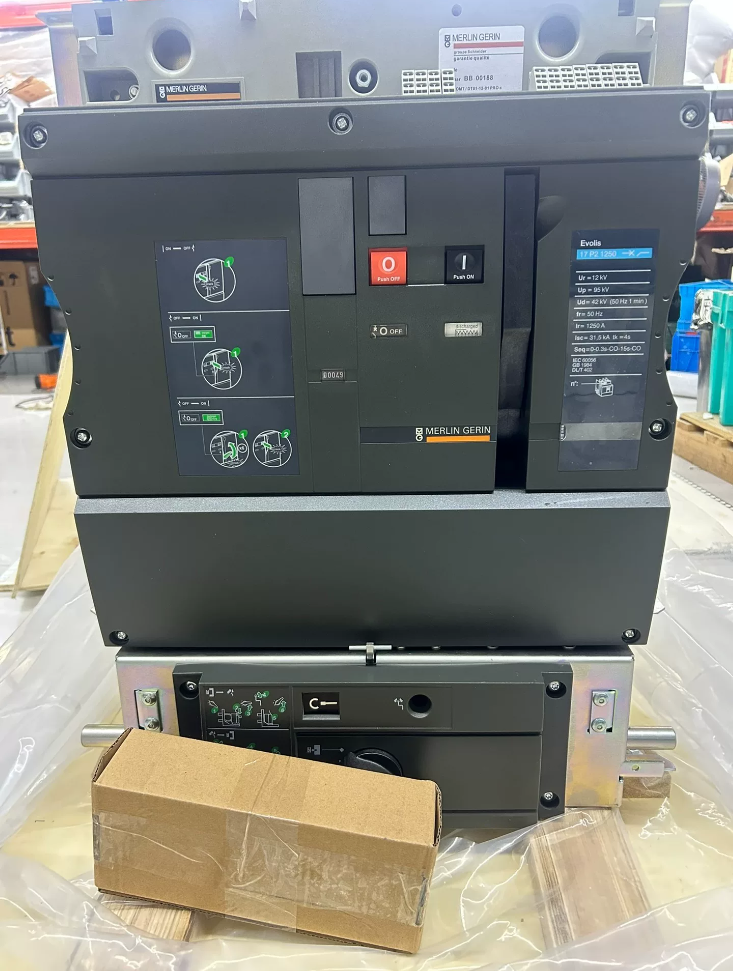

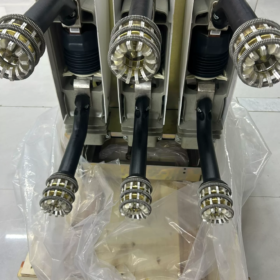
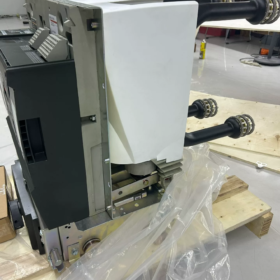
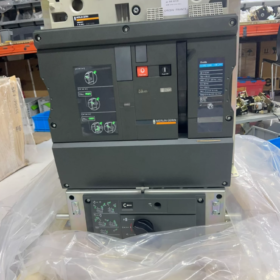
Evolis gehört dazu Schneider Innen-Mittelspannungsstaubsauger der PacT-Serie Leistungsschalter. Es wird nach und nach durch EasyPact EXE ersetzt; 1250A ist die gängige Nennstromspezifikation dieser Serie, in fester Ausführung erhältlich / Ausfahrbarer LKW-Typ (mit Wiegensockel). Es ist mit MVnex und anderen Mittelspannungsschaltanlagen kompatibel.
✅ Wichtige technische Spezifikationen (12kV-Version, 1250A)
| Artikel | Parameter |
| Vollständiger Produktname | Evolis Vakuum-Leistungsschalter für den Innenbereich |
| Nennspannung Ur | 7.2 / 12 / 17.5 / 24 kV |
| Nennstrom In | 1250A bei 40℃ |
| Bemessungskurzschluss-Ausschaltstrom Isc | 25Die / 31.5Die / 40Die (optional) |
| Bewerteter Kurzschluss-Einschaltstrom Icm | Entsprechender Spitzenwert: 63Die / 80Die / 100Die |
| Kurzzeitstromfestigkeit Icw | 25/31.5/40Die, 3S |
| Unterbrechertechnologie | AMF-Vakuumunterbrecher mit axialem Magnetfeld. Der Lichtbogen diffundiert gleichmäßig mit geringer Kontakterosion, E2 electrical endurance class (IEC 62271-100) |
| Betriebsmechanismus | Spring charged mechanism (RI type), Handbuch / motor charging available; coils for AC220V/DC220V/DC110V optional |
| Mechanische Ausdauer | 10,000 close-open cycles |
| Power-frequency Withstand Voltage | 42kV (1min); Lightning Impulse Withstand Voltage 75kV |
| Anwendbare Standards | IEC 62271-100, GB 1984 |
| Struktur | Fester Typ, Ausfahrbarer LKW-Typ; front operation / side operation versions |
| Betriebsumgebung | Drinnen, -5 ~ +40℃; anti-condensation and high-altitude versions available |
📌 Model Coding Rule (Evolis)
Beispiel: `Evolis 12 1250 P2`
- 12: Rated voltage 12kV
- 1250: Rated current 1250A
- P1=25kA; P2=31.5kA; P3=40kA short-circuit breaking current
Optional secondary configuration: Schließspule, tripping coil, charging motor, Hilfskontakte, anti-misoperation interlock (Tastensperre), position switches, LPCT current sensors, usw.
⚙️ Core Features
- AMF Axial Magnetic Field Interrupter: The arc disperses under high short-circuit current, reducing contact wear. Suitable for frequent operation and capacitor bank switching applications.
- Modularer Aufbau: Der Hauptkörper des Leistungsschalters ist für eine einfache Schrankintegration von der Fahrzeughalterung getrennt; Unterstützt Front- und Seitenbedienungslayouts.
- Komplette Fünf-Präventions-Verriegelungen: Positionsverriegelung, mechanische Verriegelung, Schlüsselverriegelung zur Verhinderung fehlerhaften Schließens/Öffnens und Beladens des LKWs mit Ladung.
- Geringer Wartungsaufwand: Hermetisch dichter Vakuum-Unterbrecher, wartungsfrei. Nur regelmäßige Inspektion der Schmierung des Mechanismus und des Sekundärkreises erforderlich.
- Anwendungsszenarien: 10kV/20kV Industrie-Umspannwerke, Gebäudestromverteilung, Rechenzentren, Anlagenhilfsenergie, Schutz für Transformatoren/Kabel/Sammelschienen und Kondensatorbänke.
🛠️ Installation, Betrieb & Wartung und Fehlerbehebung
Installation
Ausfahrbarer Wagen zur Anpassung an Mittelspannungsschaltschränke. Kontrollieren Sie den Phasenabstand und die Kontaktausrichtung; Tragen Sie leitfähiges Fett auf die Tulpenkontakte der Kontaktarme auf.
Verhindern Sie das Lösen sekundärer Anschlüsse; Überprüfen Sie den Mechanismusweg und den Überlauf anhand der Werksunterlagen; zuverlässige Erdung erforderlich.
Routinewartung
- Reinigen Sie den Mechanismus regelmäßig von Staub; Überprüfen Sie den Ladestatus und die Schließ-/Öffnungsanzeigen.
- Überwachen Sie die Betriebsspannung, um eine Spulenunterspannung zu vermeiden, die zu einem Fehler beim Schließen oder Auslösen führen kann.
- Vakuumschaltröhre auf Risse prüfen; Führen Sie bei Bedarf einen Vakuumgradtest und einen Netzfrequenz-Spannungstest durch.
Häufige Fehler
Ladefehler: Fehlende Motorversorgung, Mechanismus blockiert, Ladegrenzschalter defekt.
Fehler beim Schließen: Beschädigte Schließspule, Verriegelung nicht freigegeben, Feder ungeladen.
Fehler beim Auslösen: Defekter Auslösekreis, Beschlagnahme des Mechanismus.
⚠️ Vakuumschaltkammer kann nicht vor Ort demontiert werden. Ersetzen Sie die gesamte Stange, wenn das Vakuum ausfällt.
📦 Ersatzoptionen & Auswahlnotizen
- OEM-Nachfolger: Evolis (≤17,5 kV) Auslaufmodell: EasyPact EXE. Es deckt einen Nennstrom von 1250 A ab und kann mit geringfügigen Änderungen am Sekundärkreis im selben Schaltschrank nachgerüstet werden.
- Inländische Alternative: VS1(ZN63A), ZN28 und andere 12 kV/1250 A Mittelspannungs-Vakuum-Leistungsschalter. Die LKW-Abmessungen müssen überprüft werden, Mechanismusschnittstelle und Ausschaltvermögen.
- High-End-Schneider-Modell: EvoPacT HVX (Intelligente Version mit integrierter mechanischer Kennlinien- und Temperaturüberwachung).
📎 HS-Code-Referenz
Vakuum-Leistungsschalter (Innenmittelspannung, Nennspannung > 1 kV): 85352100 (automatischer Leistungsschalter, Spannung > 1 kV). Geben Sie die Nennspannung an, Strom- und Schaltleistung bei der Zollanmeldung.
🔍 Checkliste für Gebrauchtinspektionen (Evolis 1250A)
- Visuelle Kontrolle: Keine Risse oder Kriechspuren an den Polen und Vakuumschaltkammern; Keine Überhitzungsverfärbung an den Kontaktarmen.
- Mechanischer Test: Manuelle und motorische Aufladung; 10 aufeinanderfolgende Schließ-Öffnungsvorgänge. Positionsanzeigen und Verriegelungsfunktionen überprüfen.
- Elektrischer Test: Spulenwiderstand messen; Kontaktwiderstandstest; Vakuumgradtest und Netzfrequenz-Spannungstest.
- Inspektion des Mechanismus: Schließ-/Auslösegeschwindigkeit vergleichen, Hub und Nachhub mit Werkskurve; Überprüfen Sie die Ladefedern auf Korrosion und Ermüdung.
- Dokumentation: Überprüfen Sie die Parameter auf dem Typenschild und den Werkstestbericht, Bestätigen Sie die Bruchklasse P1/P2/P3.
Schneider Evolis VCB 1250A (Ausfahrbarer Typ) Bedienungsanleitung
⚠️ Sicherheitsvoraussetzung: Betrieb nur durch zertifizierte Starkstromelektriker; Befolgen Sie strikt die Fünf-Verhinderungs-Verriegelungsregeln; Das Ein- und Ausfahren aus dem LKW muss erfolgen, wenn sich der CB in der offenen Position befindet; Tragen Sie vor dem Betrieb isolierende PSA. Gilt für den federbetriebenen Vakuum-Leistungsschalter Evolis für MVnex-Schaltanlagen, 1250A.
Plattenmarkierung: O=Offen (AUS), I=Schließen (AN); Federladeanzeige: Aufgeladen / Entladen; Der Betriebszähler zeichnet die Schließ-Öffnungs-Zyklen auf.
- Definition der drei LKW-Positionen
- Arbeitsposition (Verbundene Position): Truck fully racked in, primary main circuit connected, Sekundärstecker eingerastet. Remote/lokales Schließen/Öffnen verfügbar, normale Betriebsposition.
- Testposition: Primärer Hauptstromkreis unterbrochen, Sekundärstecker noch angeschlossen. Mechanismus- und Sekundärkreistest verfügbar; Hochspannungsverschluss zur Isolierung geschlossen.
- Position entfernt: LKW vollständig aus der Kabine herausgezogen, Sekundärstecker getrennt. Verfügbar für Transport und Überholung.
Mechanische Verriegelung: Bei geschlossenem CB kann der LKW nicht ein- oder ausgefahren werden; Bei geschlossenem Erdungsschalter ist das Flurförderzeug aus der Arbeitsstellung verriegelt.
- Federladevorgang (Obligatorisch vor Schließung)
Evolis verwendet einen federbelasteten Mechanismus mit motorischer Aufladung und manueller Aufladung.
1) Motoraufladung (Standard-MCH-Lademotor)
Sobald der sekundäre Steuerkreis aktiviert ist, Der Motor lädt die Feder automatisch auf. Bei voller Ladung, Auf dem Display wird „Geladen“ angezeigt und der Motor stoppt automatisch. Bei Stromausfall ist manuelles Laden erforderlich.
2) Manuelles Laden (Power-Off-Überholung & prüfen)
- Öffnen Sie für den Ladevorgang die vordere Zugangsabdeckung.
- Ladegriff einsetzen und wiederholt nach unten ziehen (ca. 6 mal) bis a “klicken” Es ist ein Verriegelungsgeräusch zu hören.
- Überprüfen Sie, ob die Bedienfeldanzeige auf „Geladen“ wechselt, Ladegriff entfernen, Ladevorgang abgeschlossen.
Einmal aufgeladen, Die Feder bleibt gespannt, solange CB nicht schließt. Beim Schließen wird sofort Energie freigesetzt; Für einen weiteren Schließvorgang ist ein erneutes Aufladen erforderlich.
- Auslösevorgang (Lokal / Fernbedienung, Die Auslösung hat Vorrang)
✅ Lokale mechanische Reise (Bedienfeld-Drucktaste, ohne Stromversorgung betreibbar)
Drücken Sie direkt das rote O (Reise) Druckknopf auf der Frontplatte, Der Leistungsschalter löst sofort aus. Überprüfen Sie, ob die mechanische Anzeige auf O steht; Die Ladeanzeige zeigt nach dem Schließen und Auslösen die Entladung an.
✅ Elektrische Auslösung
- Lokaler Auslösetaster auf der Schalttafel
- Fernauslösung über Schutz / SCADA
- Fehlerauslösung durch Schutzgeräte (Überstrom, momentaner Überstrom usw.)
Für die Auslösung ist keine Federspannung erforderlich. Die Auslösung kann unabhängig vom Ladestatus durchgeführt werden.
- Abschlussvorgang (Voraussetzung: Federgeladen + CB in offener Position)
✅ Lokaler mechanischer Verschluss (Panel I Druckknopf)
- Bestätigen: CB offen, Feder gespannt, alle Verriegelungsbedingungen freigegeben (LKW in Position, kein Schloss, Schutz zurückgesetzt).
- Drücken Sie I (Schließen) Druckknopf auf dem Bedienfeld, CB schließt. Nach dem Schließen gibt die Feder Energie frei; Die Ladeanzeige zeigt „Entladen“ an und die mechanische Anzeige zeigt auf „I“..
Integrierte mechanische Anti-Pump-Funktion: CB schließt nur einmal, auch wenn die Schließtaste ständig gedrückt gehalten wird. Geben Sie den Schließbefehl frei und laden Sie die Feder für das nächste Schließen wieder auf.
✅ Elektrisches Schließen
Lokaler Einschalttaster an der Schaltanlage
Fernschließen per Hintergrundsteuerung
Voraussetzung für elektrischen Betrieb: intakter Sekundärkreis, keine Verriegelungsblockierung, Feder gespannt, CB in geöffneter Position.
- LKW reinfahren (Testposition → Arbeitsposition, Belebender Betrieb)
Voraussetzung: CB in O-Offen-Position, Erdungsschalter geöffnet, Kabinentür geschlossen, Sekundärstecker vollständig eingerastet.
- Nehmen Sie die entsprechende Verladekurbel heraus und stecken Sie sie in die Verladebuchse des LKWs.
- Positionsfreigabetaste gedrückt halten, Drehen Sie die Kurbel im Uhrzeigersinn, um den Stapler nach innen zu bewegen.
- Fahren Sie mit dem Einschieben fort, bis der Stapler einrastet und die Kurbel sich nicht mehr drehen lässt, begleitet von “klicken” Verriegelungsgeräusch.
- Kurbel entfernen; Überprüfen Sie, ob die Positionsanzeige „Arbeitsposition“ anzeigt..
- Ladefeder, CB schließen und zur Wartung einschalten.
- LKW rausfahren (Arbeitsposition → Testposition, Freischaltender Betrieb)
Voraussetzung: Bringen Sie zuerst den CB in die O-Position.
- Bestätigen Sie, dass der Leistungsschalter geöffnet und die Last getrennt ist.
- Kurbel einsetzen, Halten Sie die Entriegelungstaste gedrückt, Drehen Sie die Kurbel gegen den Uhrzeigersinn, um den Stapler herauszuziehen.
- Bringen Sie das Rack in die Testposition, bis der Mechanismus einrastet und die Kurbel mit dem Einrastgeräusch zum Stillstand kommt.
- Kurbel entfernen; Positionsanzeige zeigt 【Testposition】.
Der Mechanismustest kann an der Testposition durchgeführt werden. Zum vollständigen Ausbau des CB zu Wartungszwecken: Kabinentür öffnen, Sekundärstecker abziehen und Leistungsschalter mit Transportwagen herausziehen.
- Mechanisches Schloss / Bedienung des Vorhängeschlosses (Anti-Fehlbedienung für die Wartung)
- Der Schließtaster kann im geöffneten Zustand mechanisch verriegelt werden, um ein Schließen zu verhindern.
- Die LKW-Position kann beim Test mit einem Vorhängeschloss gesichert werden / Arbeitsposition, um ein Verrutschen zu verhindern.
- Optionale Schlüsselverriegelung: Schlüsselverriegelung zwischen Erdungsschalter und CB-Position, um die Fünf-Präventions-Anforderungen zu erfüllen.
- Primäre Verschlussverriegelung: Der statische Hochspannungskontaktverschluss schließt sich nach dem Herausziehen des Fahrzeugs automatisch, um einen versehentlichen Kontakt mit stromführenden Teilen zu verhindern.
- Standardbeispiele für vollständige Betriebsabläufe
Energetisierende Sequenz (Kalter Standby-Betrieb)
- CB prüfen: offen, Feder entladen, LKW in Testposition, Erdungsschalter geöffnet.
- Sekundärstecker anschließen und Kabinentür schließen.
- Handbuch / Motor lädt → Anzeige zeigt „Geladen“..
- Regalwagen im Uhrzeigersinn in Arbeitsposition bringen, Kurbel entfernen.
- Lokal / Fernschließen → Leistungsschalter in Betrieb nehmen.
Entenergetisierend & Wartungssequenz (Service in Wartungszustand)
- Schalten Sie CB vor Ort oder aus der Ferne aus, Bestätigen Sie, dass der Leistungsschalter geöffnet und die Last stromlos ist.
- Rackwagen gegen den Uhrzeigersinn in die Testposition bringen, Kurbel entfernen.
- Sekundärkreis trennen und Sekundärstecker abziehen.
- Erdungsschalter zur Wartungserdung schließen.
- Ziehen Sie den CB-Körper mit dem Transportwagen heraus, wenn eine vollständige Demontage erforderlich ist.
- Verbotene Operationen (Wichtige Punkte)
❌ Der Regalwagen wird gewaltsam ein-/ausgefahren, während der CB geschlossen ist
❌ Versuchen Sie, mit entspannter Feder zu schließen (Der Abschluss kann nicht erreicht werden)
❌ Bei geschlossenem Erdungsschalter den Stapler in Arbeitsstellung bringen
❌ Öffnen Sie die CB-Fachtür unter Spannung (Die mechanische Verriegelung wird blockiert)
❌ Halten Sie während des Betriebs Ihre Hände im Bewegungsbereich oder in der Hauptkontaktzone des Flurförderzeugs
❌ Vakuumschaltkammer vor Ort demontieren
- Inspektionsgegenstände nach der Operation
- Überprüfen Sie die mechanische Positionsanzeige (öffnen/schließen, LKW-Position) Entspricht entfernten SCADA-Signalen.
- Status der Federladeanzeige korrekt.
- Der Vorgangszähler erhöht sich um 1.
- Auf ungewöhnliche Geräusche prüfen, Blockierung des Mechanismus und lose Sekundärklemmen.
Fehler am Vakuum-Leistungsschalter Schneider Evolis VCB 1250A & Fehlerbehebung
⚠️ Sicherheitserinnerung: Die Fehleruntersuchung von Hochspannungsgeräten muss nach dem Abschalten der Stromversorgung durchgeführt werden, Spannungsprüfung und Erdung, Betrieb durch geprüfte Starkstromelektriker. Unterscheiden Sie zwischen elektrischen Fehlern und mechanischen Fehlern. Vakuum-Schaltröhre kann nicht vor Ort demontiert werden; Ersetzen Sie die gesamte Stange, wenn das Vakuum ausfällt. Gilt für den federbetriebenen ausfahrbaren VCB Evolis 12 kV 1250 A.
- Ladefehler (MCH-Motorladesystem)
Fehler 1: Der Lademotor startet nicht, Keine Ladeanzeige auf dem Bedienfeld
Symptom: Motor läuft nach dem Einschalten nicht, Feder bleibt ungeladen, Schließen unmöglich
Ursachen
- Fehlende Motorsteuerungsversorgung, Sicherung durchgebrannt, lose Anschlüsse; Steuerspannung niedriger als 85% Und
- Beschädigter/oxidierter/falsch ausgerichteter Ladegrenzschalter
- Motorkohlebürste abgenutzt, offene/kurzgeschlossene Wicklung; Thermoschutz ausgelöst
- Mechanischer Anfall: korrodierte Zahnräder, klemmende Pleuelstangen, verklemmte Feder
Heilmittel
- Motorversorgungsspannung messen, Ziehen Sie die Sekundärklemmen fest und ersetzen Sie die durchgebrannte Sicherung.
- Ladestromkreis separat an Testposition prüfen, Überprüfen Sie den Durchgang des Endschalters.
- Messen Sie den Widerstand der Motorwicklung; Ersetzen Sie die abgenutzte Kohlebürste; Thermoschutz zurücksetzen.
- Sauberer Mechanismus, Tragen Sie das von Schneider vorgeschriebene Fett auf die Getriebekomponenten auf; Überholen oder austauschen, wenn es mechanisch festsitzt.
Fehler 2: Der Motor läuft im Leerlauf und kann den Ladevorgang nicht abschließen
Symptom: Der Motor läuft kontinuierlich und kann nicht in den geladenen Zustand einrasten, kein Auto-Stopp
Ursachen: Endschalter schaltet nicht um, rutschendes Getriebe, Ermüdete und deformierte Ladefeder
Heilmittel: Einbaulage des Endschalters anpassen; Überprüfen Sie den Getriebeverschleiß; Ersetzen Sie die Federbaugruppe, wenn sie ermüdet ist.
Fehler 3: Manueller Ladegriff lässt sich nur schwer ziehen, schweres Gefühl
Ursachen: Korrodierter Mechanismus, unzureichende Schmierung, verformte Pleuelstange, Einklemmen von Fremdkörpern
Heilmittel: Reinigen Sie den Mechanismus und tragen Sie das vorgesehene Schmiermittel auf; Verformte Pleuelstange ersetzen. Ziehen Sie nicht gewaltsam am Griff.
- Fehler schließen (Fehler beim Schließen, Feder voll gespannt, kann aber nicht schließen)
Vorab prüfen: Federgeladen, CB in geöffneter Position, LKW in Arbeits-/Testposition, alle fünf Sicherheitsverriegelungen freigegeben
Fehler 1: Der elektrische Verschluss fällt lokal und aus der Ferne aus, aber mechanisch kann ich per Druckknopf schließen
Ursachen: Unterbrochener Schließkreis, Durchgebrannte Schließspule, schlechter Hilfskontakt, Defektes Anti-Pump-Relais, Schutz, der das Schließen blockiert
Heilmittel
- Messen Sie den Gleichstromwiderstand der Einschaltspule (Mit dem Referenzwert auf dem Typenschild vergleichen). Tauschen Sie die Spule aus, wenn sie offen oder kurzgeschlossen ist.
- Schaltzustand des Hilfsschalters und der Sekundärklemmen prüfen, Reinigen Sie oxidierte Kontakte.
- Blockiersignal vom Schutzgerät prüfen (z.B. ungeklärtes Fehlerauslösesignal), Reset-Schutz.
Fehler 2: Auch mit mechanischem Druckknopf schlägt das Schließen fehl
Ursachen: Schließriegel blockiert, Abgenutzter Schließhund, Verriegelung nicht freigegeben (Erdungsschalter geschlossen, LKW nicht voll besetzt, Schließung durch Schlüssel verriegelt)
Heilmittel
- Überprüfen Sie den Fünf-Präventionsstatus: Der Erdungsschalter muss geöffnet sein, LKW voll besetzt, mechanische Schließsperre gelöst.
- Führen Sie einen manuellen Ladevorgang und einen wiederholten Schließtest an der Testposition durch, um das Festfressen des Riegels zu beobachten; Ersetzen Sie den abgenutzten Stolperhaken.
- Prüfen Sie, ob die Auslösesperre nach der Fehlerauslösung im halbausgelösten Zustand bleibt.
Fehler 3: Unmittelbar nach Schließung (Das Schließen führt zu einer sofortigen Auslösung)
Ursachen: Schutzauslösung, ständig erregter Auslösekreis, Anti-Pump-Funktion fehlgeschlagen, Unterspannungsspule stromlos
Heilmittel: Schutzereignis und Oszillographie prüfen; Überprüfen Sie die kontinuierliche Stromversorgung des Arbeitsstromauslösekreises; Überprüfen Sie die Unterspannungsversorgung der Spule.
Fehler 2: Kann nicht einmal durch einen mechanischen Knopf ausgelöst werden (schwerer Fehler, Die manuelle Freigabe schlägt fehl)
Ursachen: Auslöseklinke verklemmt, verformte Getriebepleuelstange, Korrodierter und festgefressener Mechanismus
Heilmittel: Drücken Sie die Taste nicht mit Gewalt. Demontieren und überprüfen Sie den Mechanismus nach einem Stromausfall an der Testposition; Schicken Sie bei Bedarf die gesamte Einheit ins Werk zurück.
Fehler 3: Spontane Auslösung ohne Bedienung (lästige Reise)
Ursachen:
- Fehlauslösung des Schutzes (Überstrom, Erdschluss, Nullsystem-Fehlalarm, Stromwandler-Sekundärstromkreis offen)
- Störungen im Sekundärkreis, beschädigte Kabelisolierung mit Erdschluss
- Unbeabsichtigte Verriegelungsfreigabe durch Vibration des Mechanismus
- Unterbrechung der Versorgung der Unterspannungsspule
Heilmittel: Rufen Sie das Schutzereignisprotokoll ab; Überprüfen Sie den CT-Sekundärkreis; Fehlerbehebung bei Unterspannungsversorgung; Ziehen Sie lose Teile der Mechanik fest.
- Störungen bei der LKW-Regalanlage (Nur ausfahrbarer Typ)
Fehler 1: Bei geschlossenem CB lässt sich die Kurbel nicht drehen (normale Fünf-Präventionsverriegelung)
Ursache: CB in geschlossener Position, Mechanische Verriegelung verriegelt LKW (normaler Schutz, kein Fehler)
Abhilfe: Bringen Sie den CB in die offene Position, bevor Sie den Stapler beladen.
Fehler 2: Der LKW kann auch bei geöffnetem CB immer noch nicht abgestellt werden
Ursachen:
- Positionsfreigabetaste nicht gedrückt gehalten
- Erdungsschalter geschlossen, Fünf-Präventionsverriegelung gesperrt
- Fremdkörper auf der LKW-Führungsschiene, beschlagnahmte Tulpenkontakte, verformter LKW-Rahmen
- Unvollständiges Einstecken des Sekundärsteckers löst eine Verriegelungsblockierung aus
Heilmittel
- Bestätigen Sie, dass der Erdungsschalter geöffnet ist, Halten Sie beim Einfüllen die Entriegelungstaste gedrückt.
- Entfernen Sie Fremdkörper von der Führungsschiene; Überprüfen Sie die Tulpenkontakte auf Verformung und Überhitzungshaftung.
- Stellen Sie sicher, dass der Sekundärstecker vollständig sitzt.
Fehler 3: Positionsanzeige stimmt nicht mit der tatsächlichen LKW-Position überein
Ursachen: Positionsendschalter falsch ausgerichtet, lose Pleuelstange
Heilmittel: Hilfspositionsschalter einstellen, Positionssignal kalibrieren und Pleuel festziehen.
- Primärkreis, Pole & Fehler im Vakuumunterbrecher
Fehler 1: Zu hoher Kontaktwiderstand, Überhitzung am Kontaktarm / Pol während des Betriebs
Symptom: Ungewöhnlicher Temperaturanstieg, Infrarot-Temperaturmessung außerhalb des Grenzwerts
Ursachen: Oxidierter Tulpenkontakt, getrocknetes leitfähiges Fett, Lose Kontaktarmschraube, Erodierte Vakuum-Schaltröhrenkontakte
Heilmittel
- Fahrzeug ausschalten und ausfahren, Tulpenkontakte reinigen, Tragen Sie erneut leitfähiges Fett auf und ziehen Sie die Schrauben mit dem vorgeschriebenen Drehmoment fest.
- Überprüfen Sie den Kontaktwiderstand erneut. Wenn immer noch über dem Grenzwert, Überprüfen Sie die Vakuum-Schaltkammer und tauschen Sie den Pol aus, wenn die Kontakte stark erodiert sind.
Fehler 2: Vermindertes Vakuum im Vakuum-Unterbrecher (Fehler mit hohem Risiko)
Symptom: Ausfall während der Prüfung der Netzfrequenzfestigkeit, übermäßige Teilentladung, Zischendes, ungewöhnliches Geräusch
Ursachen: Alternder Faltenbalg der Vakuumschaltröhre, Riss durch Aufprall, Dichtungsfehler
Heilmittel: Der Vakuumausfall kann nicht repariert werden. Ersetzen Sie die komplette Stangenbaugruppe. Vakuumröhre nicht vor Ort demontieren.
Fehler 3: Tracking und Überschlag auf der Poloberfläche, Entladung auf der Isolatoroberfläche
Ursachen: Luftfeuchtigkeit, starker Staub, Kondensation, Verunreinigungen auf der Isolieroberfläche, unzureichende Leistungsreduzierung für Anwendungen in großen Höhen
Heilmittel: Isolieroberfläche der Masten reinigen; Installieren Sie eine Schrankheizung, um die Kondensation zu verhindern; Ersetzen Sie die Stange, wenn die Karbonisierung stark ist.
- Sekundäres Signal & Anzeigeanomalie
Fehler 1: Mechanische Schließ-/Öffnungsanzeige normal, aber Fern-SCADA-Signal falsch
Ursachen: Abgenutzte/oxidierte Hilfsschalterkontakte, Lose Sekundärverkabelung
Heilmittel: Führen Sie kontinuierliche Schließ-Öffnungs-Zyklen in der Testposition durch und überwachen Sie den Durchgang des Hilfsschalters; Beschädigten Hilfsschalter ersetzen.
Fehler 2: Das Ladesignal stimmt nicht mit der Bedienfeldanzeige überein
Ursachen: Schlechter Kontakt des Ladebegrenzungs-Hilfsschalters, Lose Sekundärkabelklemmen
Heilmittel: Ladegrenzschalter prüfen und Klemmen festziehen.
- Ungewöhnliches Geräusch & Mechanismusgeräusch
- Ungewöhnliches Geräusch während des Ladevorgangs: Getriebe unzureichend geschmiert, tragen, Federstörung → reinigen und schmieren, beschädigte Teile ersetzen.
- Übermäßiges Schließgeräusch: Fehler beim Schließen/Auslösen des Puffers → Puffer prüfen und Dämpfer ersetzen.
- Zischendes Entladungsgeräusch im Inneren des Pols während des Betriebs → Unterbrechen Sie sofort die Stromversorgung und führen Sie einen Teilentladungs- und Vakuumgradtest durch.
✅ Allgemeine Fehlerbehebungssequenz (Empfohlen)
- Beobachtung: Mechanische Anzeige des Panels, Ladestatus, Schutzalarme, Fernsignale.
- Unterscheiden Sie zwischen mechanischem und elektrischem Fehler
Wenn mechanischer Taster funktioniert → meist Sekundärkreis / Spulenproblem
Wenn auch der mechanische Druckknopf ausfällt → Mechanismus / Problem mit der Verriegelung
- Führen Sie den Mechanismustest separat an der Testposition mit isolierter Hochspannung durch, Vermeiden Sie einen Live-Testbetrieb.
- Zu verwendende Instrumente: Kontaktwiderstandstester, Megaohmmeter, Leistungsschalter-Analysator (Schließ-/Auslösegeschwindigkeit, Gleichzeitigkeit, Kontaktabprall).
- Fehlerphänomene und Testdaten aufzeichnen, Mit Werksbericht vergleichen.
❌ Verbotene Operationen
- Demontieren Sie den Mechanismus oder die Stange unter Spannung
- Halten Sie den CB in Betrieb, wenn Sie eine Verschlechterung des Vakuums vermuten
- Wenn der Mechanismus blockiert, gewaltsam in den Regalwagen einfahren oder die Schließtaste gewaltsam drücken
- Passen Sie den Kontaktüberlauf und den Kontaktabstand nach dem Zufallsprinzip an (muss den Werksparametern von Evolis entsprechen)
Ergänzen: Liste der Verbrauchsmaterialien & Gefährdete Teile (Evolis)
MCH-Lademotor, Schließen & Auslösespulen, Hilfsschalter, Ladefeder, Riegel-/Stolperhaken, Puffer, Tulpenkontakte, vakuumunterbrecher-polbaugruppe


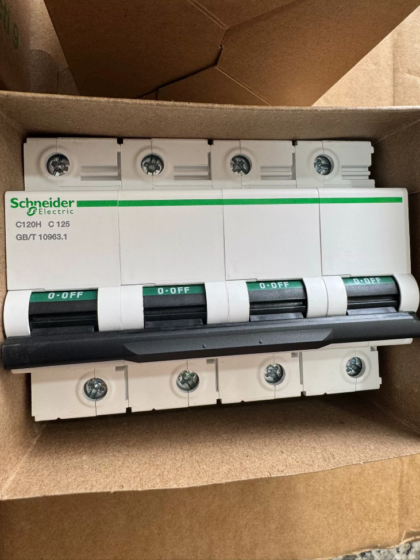

NH42-63-318x560.png "Automatische Transferschalter vom Typ CHINT PC (ATS)NH42-63/4SZ")